Retirees have long been welcomed as steady spenders who bring savings, volunteer hours, and loyalty to a place. Lately, some communities are asking harder questions. When newcomers arrive with equity from a pricier market, longtime residents often feel it in rents, home prices, and crowded streets.
The pushback rarely looks like picket lines aimed at grandparents. More often it shows up in open letters, zoning fights, tax changes, and frustrated conversations about who can still afford to live there. The evidence also varies by place, and retirees are almost never the only cause. Here are five places where the tension is real, with the caveats attached.
1. Ajijic and Lake Chapala, Mexico

Ajijic is one of the best known retiree hubs in Latin America. The village has a population of around 12,000, with an estimated 4,000 to 5,000 foreign residents at peak season.[1] That concentration shows up in prices. A comfortable two bedroom, two bath house that rents for $500 to $850 a month in neighboring Chapala typically costs another $100 or more in Ajijic.[2]
Tension has also become public. In spring 2026, a municipal official who serves as liaison to the foreign community published an open letter addressing complaints about traffic violations, pet etiquette, and language barriers.[2] One expat guide says rents are up 30 to 40 percent since 2022[1], while another lists gentrification as a growing concern[3]. Rising costs are now also pushing some retirees out, so the squeeze isn’t only felt by locals.
2. The Algarve, Portugal

The Algarve is a classic retirement coast, and its housing costs have climbed. Buyer’s agent figures put asking prices at about €5,474 per square meter in Lagos and €4,349 in Albufeira[4]. A 2026 cost of living guide says rental and purchase prices have risen, particularly in Lisbon, Cascais, Porto, the Algarve and other coastal areas, reflecting strong international demand and limited housing supply.[5]
Local frustration has had a policy effect. One analysis of Portugal’s former Non-Habitual Resident tax regime says political pressure to close it stemmed from rising property prices in premium areas, particularly the Algarve, which residents attributed partly to foreign wealth.[6] That regime drew many kinds of foreigners, not just retirees. Another guide also points to tourism, digital nomads, and the former Golden Visa real estate program[7] as drivers, so retirees are one piece of the puzzle.
3. Coastal Maine

Maine is the oldest state in the country by median age, and its coast attracts buyers from pricier states. Real estate commentary notes that wealthy buyers, many from outside the state, are looking for coastal properties for second homes, retirement lifestyles, seasonal living, and investment.[8] The numbers are sharp. Home prices climbed about 110 percent over the last decade, while median household incomes rose only 53 percent.[9]
The local response is aimed mostly at the housing system rather than retirees by name. Coastal and island boards are locked in debates over short-term rental caps, registration rules, and occupancy taxes.[10] In Bar Harbor, talk of a transient accommodations moratorium prompted a joint workshop on housing and tourism.[11] Retirees are part of the demand mix there, alongside second-home owners and remote workers, and the data doesn’t isolate them.
4. Asheville, North Carolina

Asheville’s mountain scenery and arts scene have made it a favorite for people planning retirement. A 2025 roundup of places retirees are moving that don’t necessarily want them says locals worry retirees are pricing out working families, and that healthcare services and housing are already stretched thin.[12]
That roundup comes from a consumer finance site and reflects sentiment more than a measured campaign, so it’s worth reading with some skepticism. It doesn’t prove retirees are the main reason prices rose. Still, it captures a common complaint in scenic, in-demand towns where wages haven’t kept up with housing costs.
5. Austin, Texas
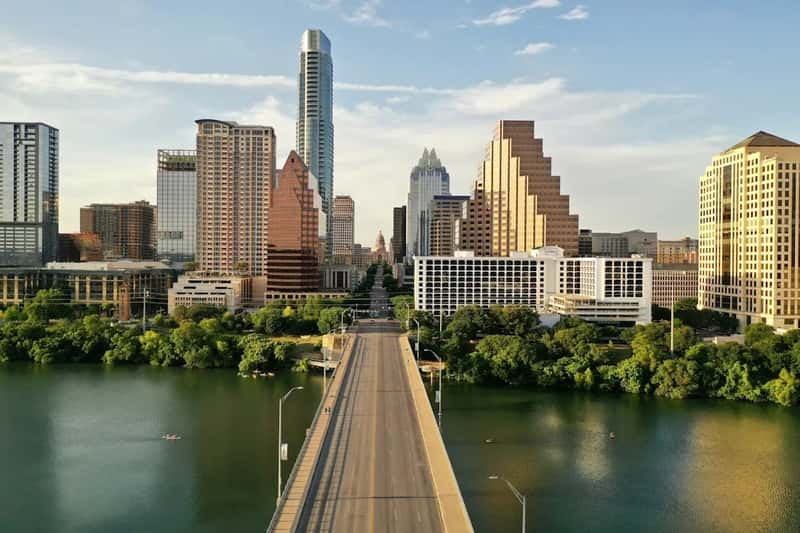
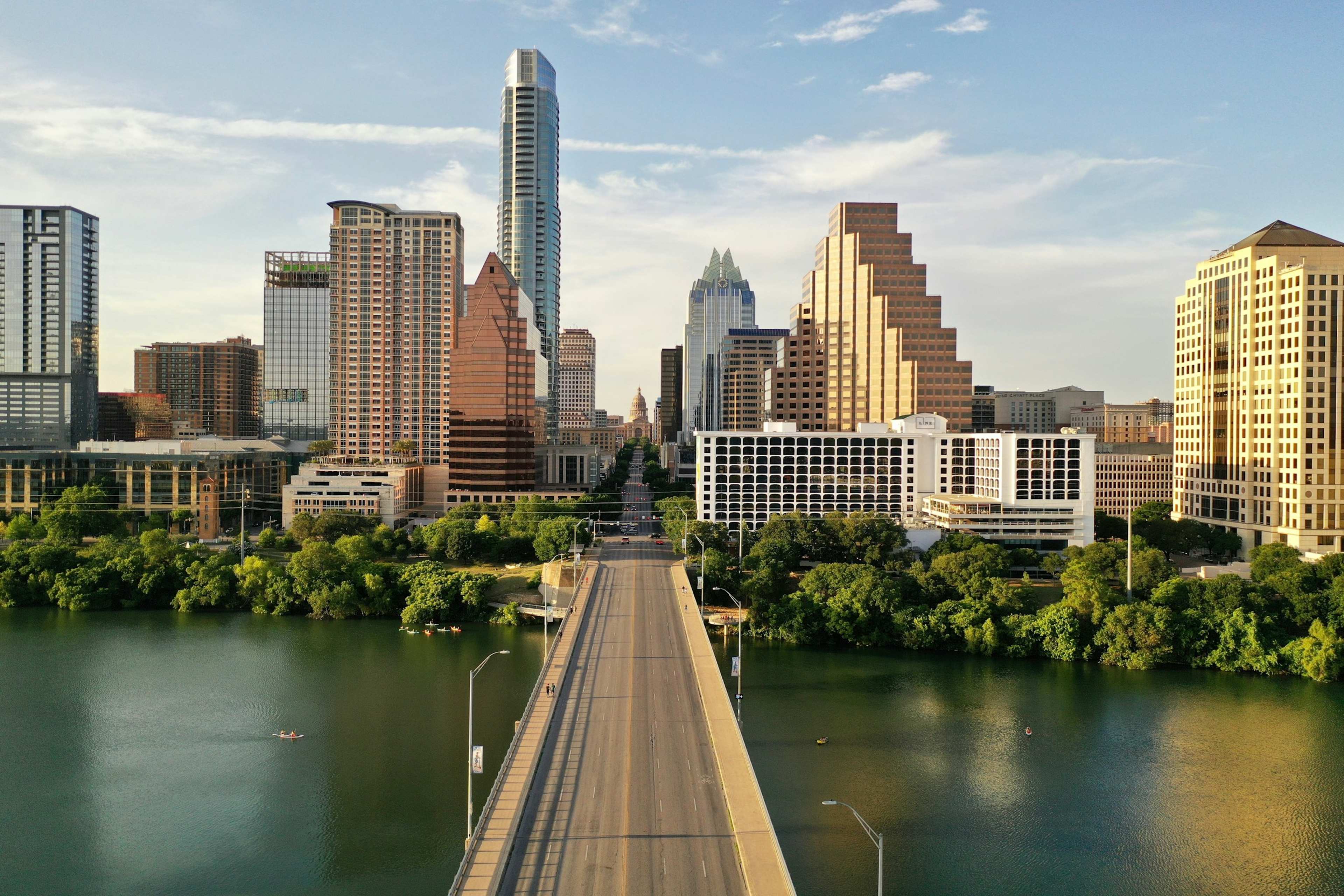
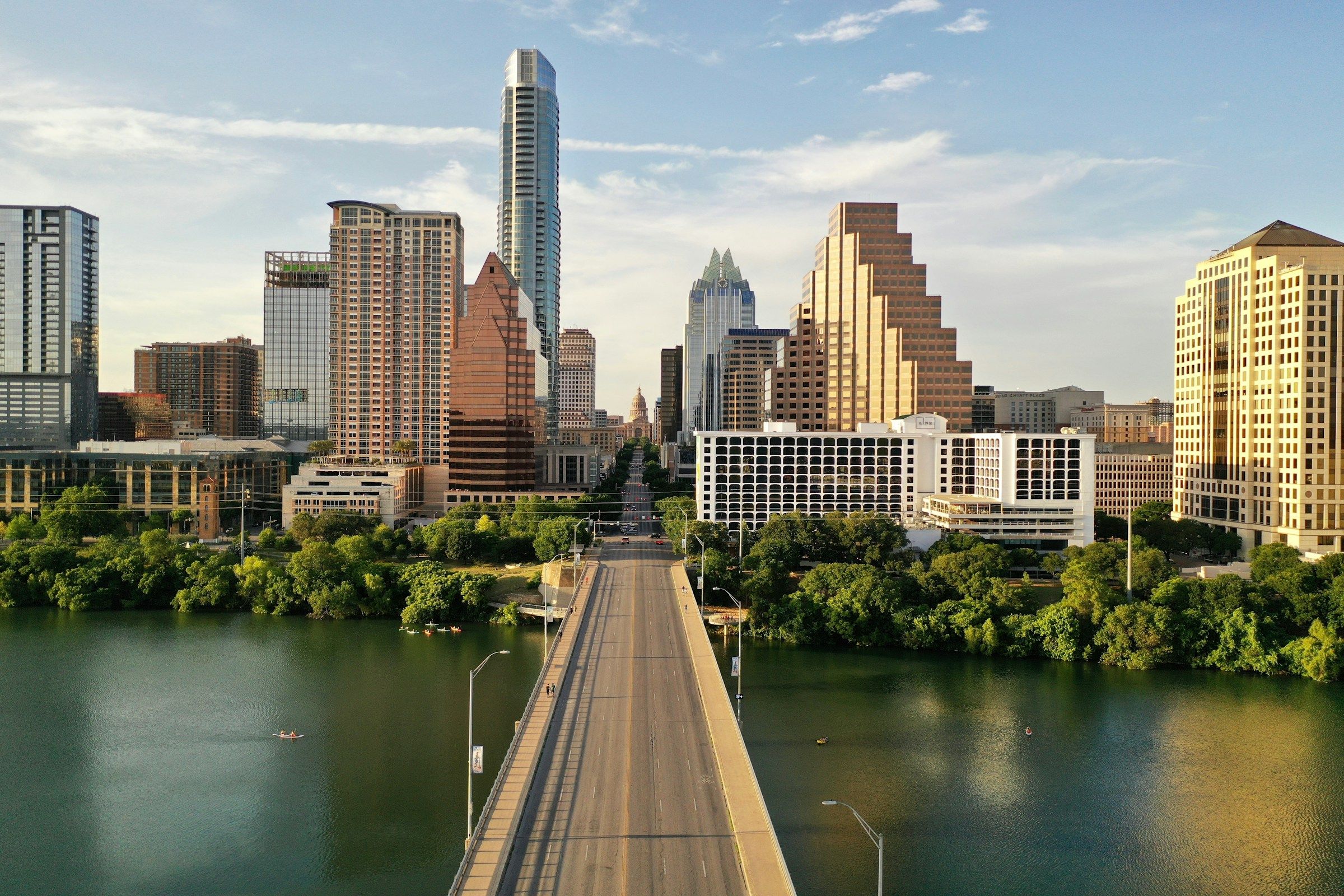
Austin is better known for tech workers than retirees, but it appears on the same 2025 roundup. The piece says locals are increasingly vocal about rising costs and congestion[12] and cites Texas Tribune reporting that home prices have surged beyond what many younger residents can afford.[12]
The roundup argues that retirees drawn by culture and music may be resented for driving prices higher. That’s a claim about perception, and the article doesn’t offer data showing retirees specifically moved the market. Austin is a useful reminder that affordability anger often lands on whichever group of newcomers is most visible.
Across these five places, the pattern is consistent. Retirees often arrive with equity from elsewhere, and they land in markets where supply is tight and local incomes are modest. Pushback is strongest where costs have clearly outpaced wages, and it usually targets housing policy, short-term rentals, or tax rules more than retirees themselves.
For anyone planning a move, the practical lesson is to research local housing politics before you buy. Retirees who show up as neighbors, learn the language, and support local workers tend to find a warmer welcome than those who treat a town as a bargain.