
At the very top of Europe, the Scandinavian peninsula couldn’t be more different to the rest of the continent. One of the reasons Scandinavia is my favourite region of Europe is just how vague the name “Scandinavia” is itself.
Depending on who you ask, the region is made up of three, four or five countries. Norway and Sweden fit every description, Denmark cuts culturally but not geographically whilst Finland has the opposite problem. Now and again, you’ll find Iceland and the Danish autonomous territory of the Faroe Islands added into the mix.
I tend to consider Denmark, Finland, Norway and Sweden as Scandinavia. But whichever mix of countries fits your definition, the fact remains, Scandinavia is a truly magical place.
Scandinavia Is So Easy to Visit for British Travellers
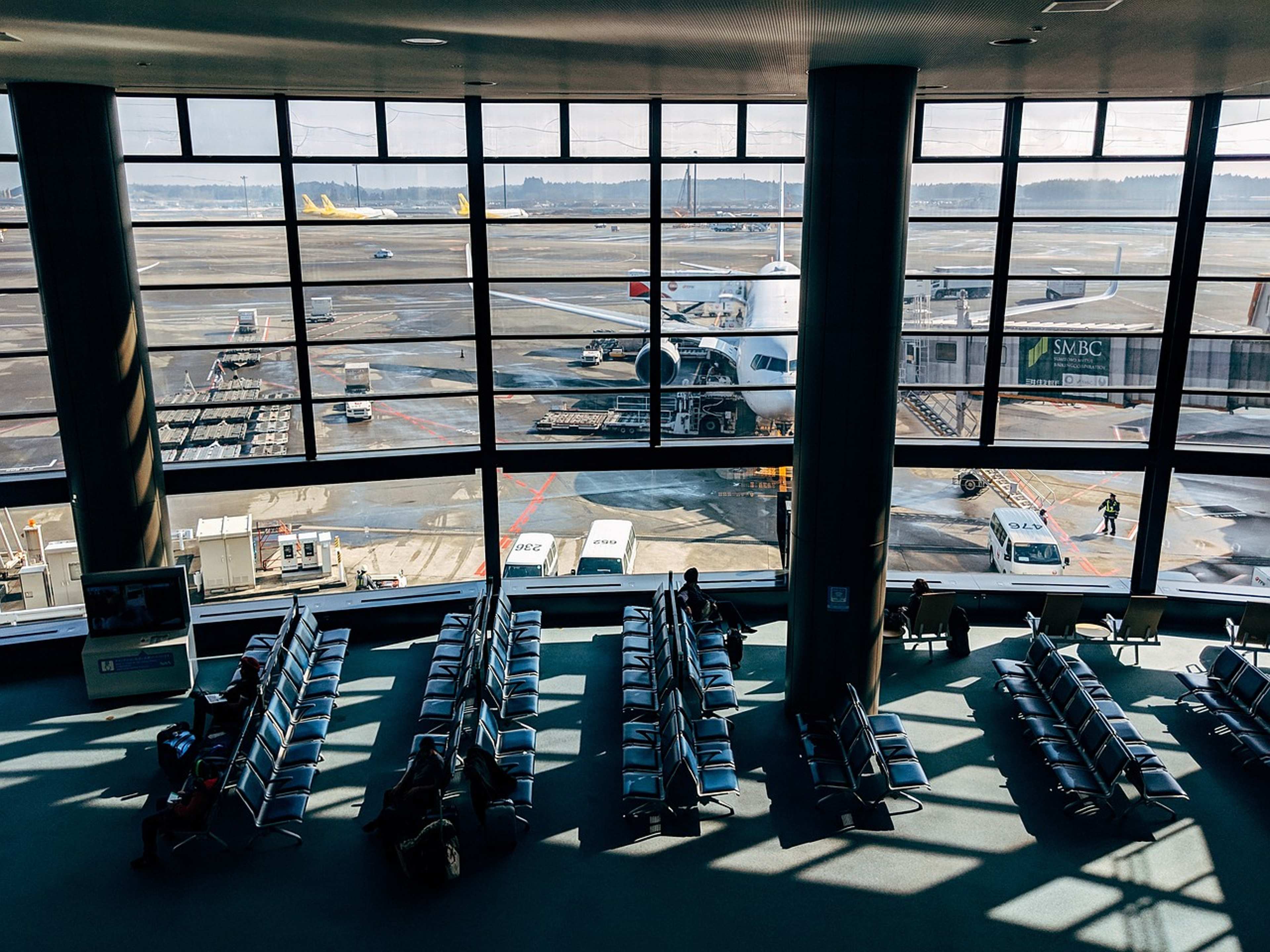
All the other reasons Scandinavia is my favourite region of Europe aside, the reason I visit so often is simply for ease. Britain and Scandinavia are so close together and extremely well linked; there are few British airports which don’t have several direct links with Scandinavian countries. In fact, the only international flight from my local airport is to Bergen, Norway. With a ferry link between Newcastle and Bergen expected to relaunch in 2026, it’s about to get even easier.

Once you’ve made the initial journey, travelling around Scandinavia is so easy too. Public transport is reliable, frequent and, above all, safe. Timetables and booking sites are almost always available in English, and the vast majority of staff speak English. This applies to shops, hotels and restaurants too.
Even the currencies are easy to understand. Although, Finland is the exception, Scandinavian countries don’t use the Euro and all have their own currencies, they’re all very closely linked in both exchange rates and names. Denmark uses the Danish krone (with a variation, the Faroese krone used in the Faroe Islands), Iceland the Icelandic krona, Norway the Norwegian krone and Sweden the Swedish krona. As a rough guide, you can divide the amount in krone/krona by 10 to work out the cost in British pounds.
Scandinavia Is Extremely Safe
It’s often said that Denmark is the happiest country in the world. Why? In part, Danish happiness is the result of a high quality of living with free education and healthcare, good wages and excellent social security. But it’s not only economic security which helps Danes lead the happiest lives of any of us, but physical security too, although the two go hand in hand. In reality, there’s little need to lead a life of crime, so very few people do, leading to low crime rates and the ability to trust the people you meet.

That’s not to say that there’s no crime at all, but when crimes do occur, they’re generally stopped quickly thanks to a strong police force. Interestingly, Denmark has a very low rate of repeat offenders as the prison system focuses heavily on rehabilitation.
And it’s not just Denmark. These trends run right through Scandinavia. Of all Scandi countries, Sweden has the highest crime rate, but to put it into context, even Sweden’s “high” crime rate is 28% lower per capita than in the United States.
It’s Home to the World’s Northernmost Settlement
Over 500 miles off the north coast of Norway, you’ll find Svalbard. One ofthe most remote archipelagos in the world, Svalbard is midway between the Norwegian coast and the North Pole. Home to just 2,881 people, plus some 3,000 polar bears, only the most adventurous travellers make it to Svalbard.
The islands’ capital, Longyearbyen, is often said to be the most northerly settlement in the world. Technically speaking, nearby Ny-Alesund actually takes that title, but so few people live there that it’s often left out.
Given how remote Svalbard is, you’d be forgiven for assuming it’s a challenge to reach. But that couldn’t be further from the truth. There are at least two daily flights from Oslo (3 hours) and one, sometimes two, from Tromso (2 hours) operated by SAS and low-cost carrier Norwegian.
Once you’ve landed, a shuttle coach meets every flight, providing transport to all the main hotels and B&Bs in Longyearbyen. On the note of accommodation, there’s a surprising amount of choice, including the world’s most northerly Radisson. Prices are high, as you’d expect this far north, but budget hotels and hostels are available.
Fascinating Cities Brimming With History
Covering a whopping 750,000km², and that’s without including Iceland or the Faroe Islands, the Scandinavian peninsula has something for everyone. Its capital cities are city break heaven.

Copenhagen, the home of the Little Mermaid, is suave and trendy. With quirky museums, fairy-tale harbours and an ever-evolving food scene, finding your hygge here isn’t difficult.
Over in Norway, Oslo lives and breathes Viking history. Founded by Harald Hardrada in 1049, Oslo is all about regal palaces, relaxed coffee shops and cruises on Oslofjord.

Sweden’s waterfront capital is a place of pilgrimage for ABBA lovers. The birthplace of Alfred Nobel, the man behind the prizes, Stockholm – or Summer Night City – makes the old meets new paradox ring true.
Then, there’s Helsinki. Like Finland as a whole, Helsinki is a different kettle of fish entirely. Capital of the only country in Scandinavia to use the Euro, Helsinki feels more like Riga and Tallinn, its counterparts on the other side of the Baltic. Savvy and modern at first glance, a peek beneath the surface reveals centuries of influence from its neighbour to the east, Russia.
Staggering Natural Beauty
As is true of so many places, to fully experience the wonders of Scandinavia, you need to leave the cities behind. It was the Vikings who made Scandinavia a major player on a world scale; their success was the result of their seafaring prowess. One of the best ways to appreciate the majesty of this region is to view it from the sea.
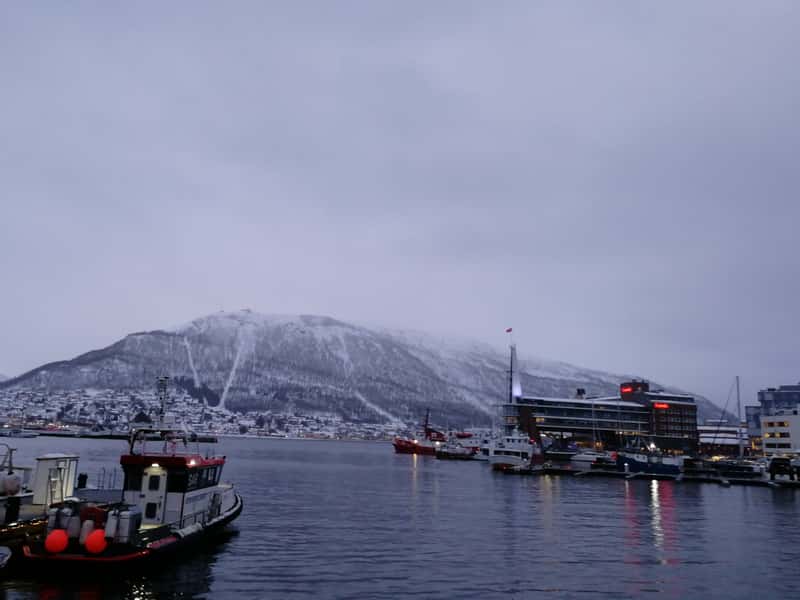
Be it taking a ferry from Copenhagen to Stockholm, crossing the Baltic from Tallinn to Helsinki, Scandinavia looks better from the water. If you have time to enjoy the wonder of slow travel, I thoroughly recommend hopping aboard Hurtigruten’s Coastal Express from Bergen to Kirkenes, just 16km from the Russian border. Alternatively, take a cruise on the Norwegian fjords, something which should be on every traveller’s bucket list.
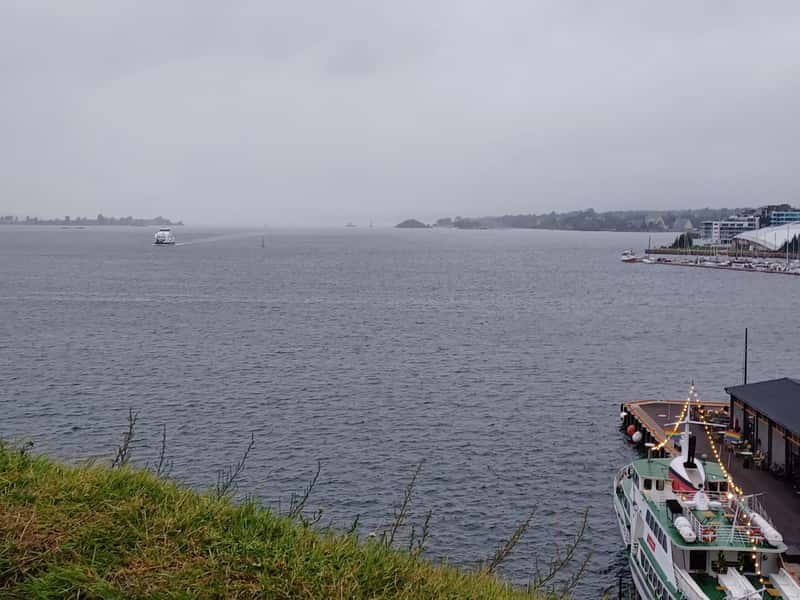
If you prefer keeping your feet on dry land, a cross-country trip from Bergen to Copenhagen is a great way to see Scandinavia. Kick off with a ride on the Bergensbanen to Oslo, frequently voted one of Europe’s most scenic rail journeys. Cross the Swedish border, skirting Lake Vanern on your way to Stockholm. Follow the coast to Malmo before crossing the Oresund Bridge to Copenhagen.