Alaska cruises often center on the chance to witness massive rivers of ice up close, a highlight that draws many travelers to the region each year. The two most frequently discussed options for scenic glacier viewing are Hubbard Glacier and Glacier Bay National Park and Preserve, and itineraries sometimes require choosing between them. Weather, ice conditions and ship schedules can affect access, so understanding the differences helps set realistic expectations for the experience.
Why Glacier Time Matters on an Alaska Itinerary
Glacier viewing ranks high on most wish lists for Alaska cruises because the scale and movement of these ice formations create a memorable contrast to typical port visits. Cruise lines schedule dedicated time near the ice to meet that demand, yet not every sailing reaches a glacier. Early or late season departures face higher risks of ice-blocked passages or rough weather, while midseason sailings tend to offer more reliable access. Adding a second glacier day or a dedicated shore excursion increases the odds of success. Some itineraries include only one opportunity, so passengers who prioritize ice views often look for routes with built-in backups.
Hubbard Glacier: Scale and Steady Advance
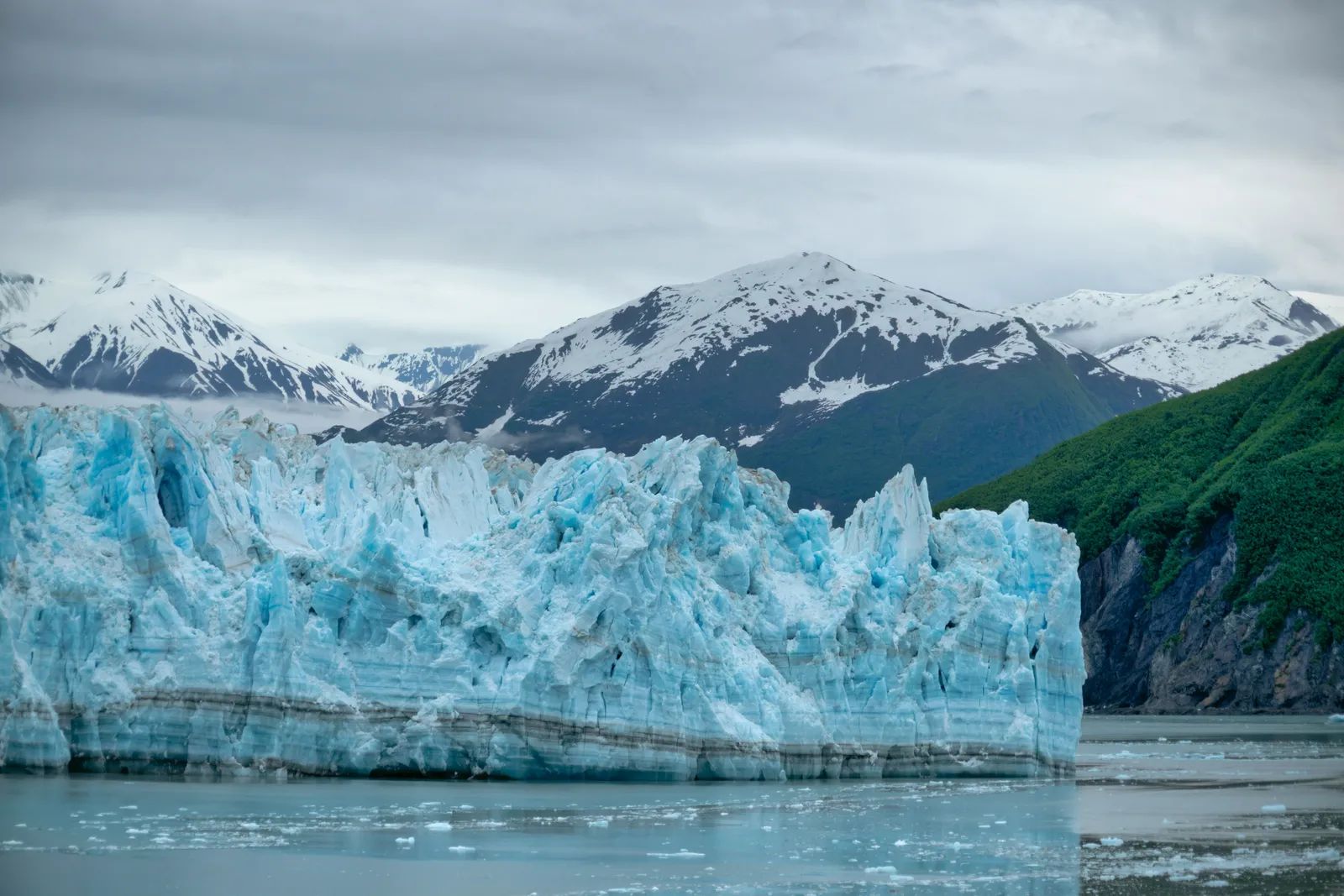
Hubbard Glacier stands out for its sheer size, stretching more than six miles across with a face rising over 400 feet above the water. Ships usually approach within a quarter to half mile, though floating ice can keep them farther back on some days. The glacier has been advancing for more than a century, earning it the nickname “Galloping Glacier” for occasional surges that temporarily close off nearby fjords. Its location within Wrangell-St. Elias National Park and Preserve places it in one of the largest protected glacial systems in the United States. Wildlife sightings along the approach often include humpback whales, orcas, bald eagles and marine mammals. Naturalists on board typically point out these animals and explain the calving process that sends large ice chunks into the sea with audible cracks and waves.
Glacier Bay: Extended Time and Park Access
Glacier Bay offers a longer, more immersive day on the water, with ships spending nine to ten hours inside the park and covering more than 120 miles. Up to seven tidewater glaciers can come into view during a single visit, and park rangers board the ship to provide maps, answer questions and stamp national park passports. Only two large cruise ships are permitted per day, which helps preserve a quieter atmosphere. Wildlife viewing benefits from the extended schedule, with frequent sightings of harbor seals, sea otters, Steller sea lions and various bear species along the shores. The slower pace allows passengers to observe several glaciers in sequence rather than focusing on one dramatic face. Smaller expedition vessels sometimes gain additional flexibility under park rules that treat them differently from large cruise ships.
Key Factors in the Decision
Time spent near the ice favors Glacier Bay, where the full-day schedule gives multiple viewing opportunities. Hubbard Glacier delivers a more concentrated spectacle, with its massive face and frequent calving events creating a dramatic show in a shorter window. Wildlife chances improve with longer exposure, again tilting toward Glacier Bay, while the shorter Hubbard visit suits travelers who prefer a quicker stop. Cruise line options are broader for Hubbard, appearing on many one-way and longer itineraries, whereas Glacier Bay shows up on a solid selection of both large-ship and small-ship routes, including some seven-night round-trip sailings. Cost considerations include the frequent need for one-way airfare on either route, though Glacier Bay occasionally pairs with round-trip itineraries that can reduce overall expense. Both locations remain subject to weather and ice, yet the presence of multiple glaciers in Glacier Bay provides a built-in advantage if one area proves inaccessible.
Additional Glacier Options and Practical Advice
Travelers whose itineraries include Tracy Arm or Endicott Arm can expect close views of the Sawyer glaciers or Dawes Glacier in narrower fjords that sometimes allow even nearer approaches. College Fjord near Whittier adds another option with five tidewater glaciers on many longer itineraries. Passengers who want the strongest chance of seeing glaciers should book midseason departures with at least two scheduled glacier days and consider a backup excursion. Either Hubbard Glacier or Glacier Bay can deliver a striking encounter with Alaska’s ice, and the choice often comes down to whether a traveler prefers concentrated drama or an extended day inside a national park.