Mexico has long been one of the most beloved travel destinations in the world. The beaches are undeniably gorgeous, the food is spectacular, and the culture runs deep. Yet heading into summer 2026, a growing number of travelers are pausing before hitting “book” on that Cancún resort. Rising prices, persistent safety concerns, cartel-fueled instability, severe overtourism, and a destination identity crisis in places like Tulum are all reshaping how tourists think about Mexico. These aren’t just media-fueled scare stories. The data, the government advisories, and the on-the-ground reality all point in the same direction. Here are five serious reasons to reconsider Mexico this summer – and where to point your passport instead.
1. Safety Advisories Are More Serious Than Ever
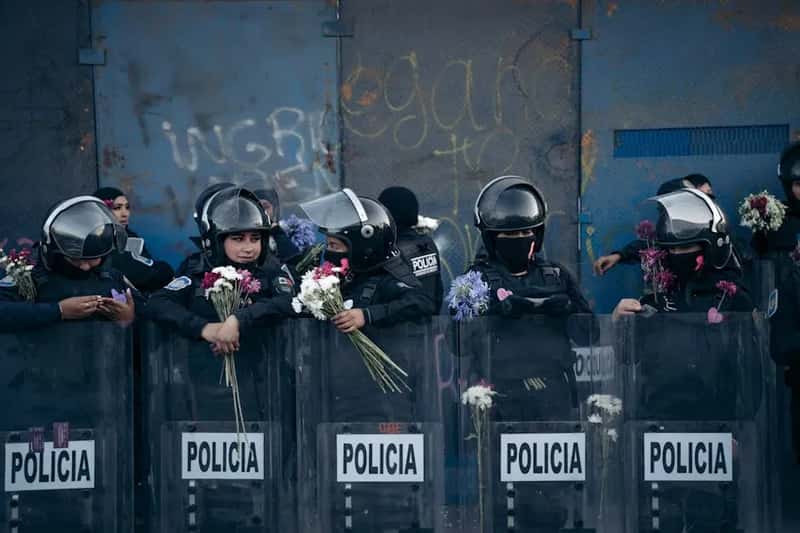
On August 12, 2025, the U.S. State Department issued an updated travel advisory for Mexico, rating the country Level 2 – indicating that travelers should “exercise increased caution.” The primary threats, according to the U.S. government, are terrorism, crime, and kidnapping. That terrorism designation is notably new. Though the Level 2 classification remained unchanged from previous assessments, the terrorism component is a fresh addition, with speculation that it was included because six Mexican cartels are now classified as foreign terrorist organizations by the United States government.
Mexican states where the U.S. government currently recommends tourists “reconsider travel” (Level 3) due to the threat of violence include Baja California, Chiapas, Chihuahua, Guanajuato, Jalisco, Morelos, and Sonora. Six states – Colima, Guerrero, Michoacán, Sinaloa, Tamaulipas, and Zacatecas – have been given a flat “do not travel” warning (Level 4) due to crime and terrorism. Then came a dramatic early 2026 event that put the threat in sharp relief. An outbreak of deadly violence affecting tourist destinations in Mexico prompted urgent warnings from the U.S. and other governments, as the State Department told people in the areas of Jalisco and Nayarit – including in popular vacation spots – to seek shelter amid unrest following the death of cartel leader “El Mencho” Oseguera Cervantes. In some parts of the country, buses were ignited, roads were blocked, and clashes with authorities escalated quickly as organized crime groups carried out attacks in areas also popular with U.S., Canadian, and British tourists.
2. Tourist Hotspots Are No Longer Immune to Violence
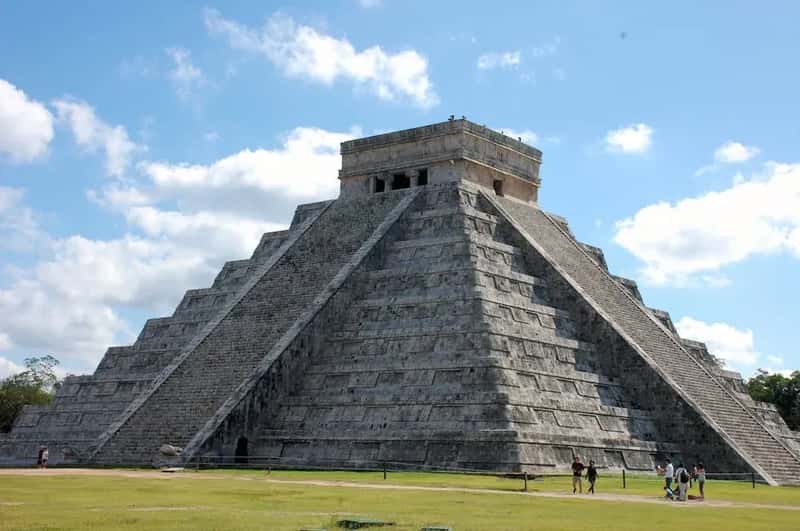
Several of Mexico’s most beloved tourist destinations – including Tulum, Acapulco, Zihuatanejo, and San Miguel de Allende – have found themselves listed among the nation’s 50 most violent municipalities, according to official homicide data compiled between September 2024 and August 2025. This development comes amid heightened concerns about organized crime and a recent wave of threatening messages reportedly left by the Sinaloa cartel, targeting Americans living or vacationing in areas under cartel influence. The notion that violence simply stays away from tourist zones has been thoroughly challenged. Tulum, famed for its turquoise waters and ancient ruins, ranked 20th on the most violent list with a homicide rate of 83.9 per 100,000 residents. The municipality recorded 46 homicides in the period, including two individuals killed during an armed attack at a bar in August 2025, as well as a previous attack involving foreigners at a beach club in February 2024.
Acapulco recorded 560 homicides between September 2024 and August 2025, more than 12 times the number in Tulum. Guanajuato, home to the beloved colonial city of San Miguel de Allende, tells a similarly grim story. Guanajuato recorded 2,084 homicides between January and September 2025, accounting for a staggering 11.3% of all murders nationwide. In early 2024, a California woman was shot and killed while enjoying the pool at Mia Beach Club in Tulum. Investigations found she was an unintended victim of drug dealers’ crossfire. These incidents are a stark reminder that being a tourist offers no guaranteed shield.
3. Overtourism Has Ruined the Experience in Key Destinations
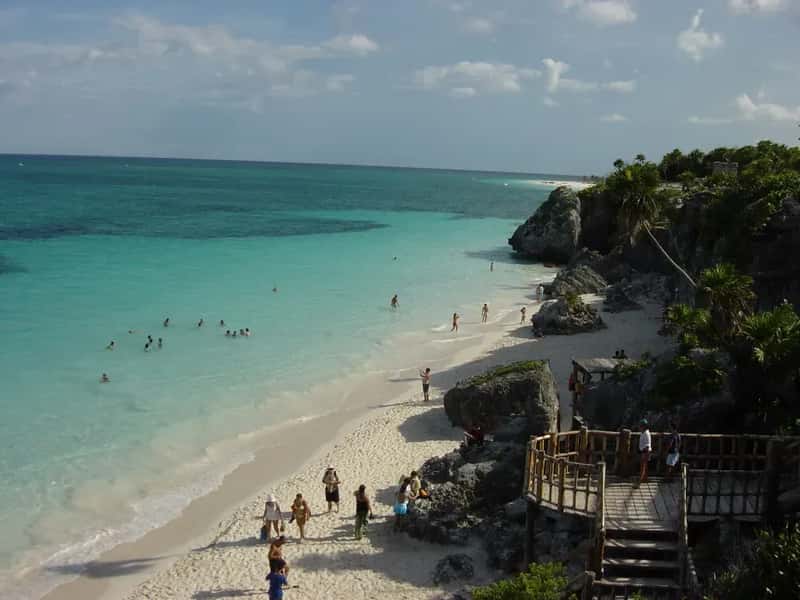
Summer 2025 marked one of the worst travel seasons in Tulum in the last decade. The city averaged just 40% hotel occupancy, and in some cases, the downtown area reportedly reached a 15% occupancy rate. But this collapse didn’t happen in a vacuum – it came after years of explosive, unsustainable growth. The once-undiscovered gem became a victim of overtourism, and problems inevitably arose. The town, with an average population of about 46,000, became chaotic and overcrowded as locals were pushed out by rapid growth and rising prices. Tulum experienced unprecedented growth without adequate infrastructure, which ultimately led to a paradox of “luxury tourism” and the lack of basic services.
Rapid expansion stretched the region’s infrastructure to its limits. Water, waste, and power systems have been overwhelmed, leading to pollution in local cenotes, mangroves, and offshore areas. This environmental degradation has further tarnished Tulum’s reputation as a sustainable destination. The situation in Cancún and Playa del Carmen is no better. In Mexico, overtourism is particularly visible in destinations like Cancún, Playa del Carmen, and Mexico City. Popular coastal regions like Tulum have become overcrowded, resulting in gentrification that displaces local residents. Between 2018 and 2023, rent prices in neighborhoods such as Roma and Condesa increased by 30%, making it increasingly difficult for locals to afford housing. The magic that drew millions of travelers in the first place has quietly been paved over by all-inclusive resorts and overpriced cocktail menus.
4. Mexico Is No Longer the Budget Deal It Once Was
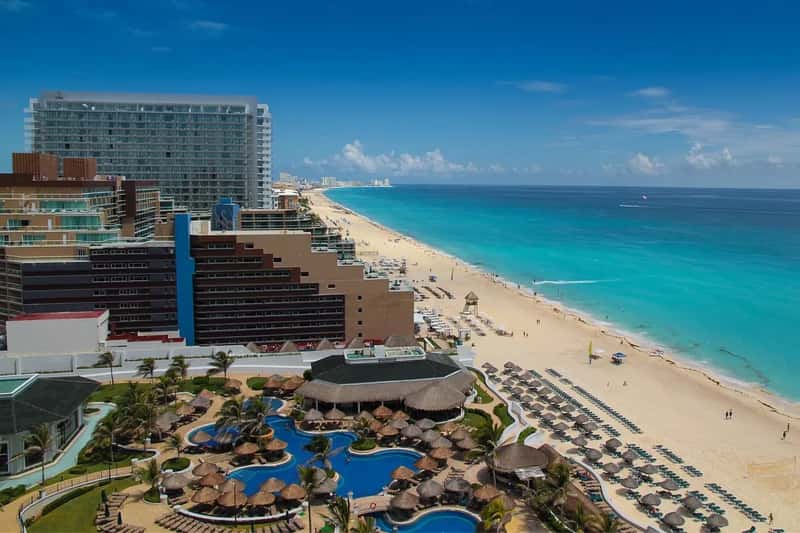
Mexico’s reputation as a budget-friendly destination is diminishing. Inflation and demand have driven up hotel rates, especially in Cancún, Tulum, and Riviera Maya. Flights have increased in price due to reduced capacity on key routes, and dining costs in tourist-focused areas now rival prices in major U.S. cities. This isn’t a minor adjustment – it represents a fundamental shift in the value proposition that made Mexico so appealing to American travelers for decades. As overall expenses rise, alternatives such as Caribbean islands or European destinations become financially competitive for travelers seeking value.
Skyrocketing prices have played a pivotal role in driving away potential visitors. The once-affordable retreats are now viewed as overpriced, forcing many domestic tourists to look elsewhere for their vacations. The issue is also visible in previously off-the-radar spots. Previously hidden gems like Tulum and Playa del Carmen have experienced rapid development and overcrowding. Overdevelopment has led to congested streets, higher prices, and a loss of the destinations’ original charm. Travelers seeking authentic cultural or natural experiences may perceive these areas as overly commercialized, prompting interest in lesser-known Mexican destinations or other countries. Put simply: you are now paying European prices for a destination with significantly higher safety risks and a fraction of the reliable infrastructure.
5. Smarter, Safer, and More Rewarding Destinations Are Waiting

The good news is that the world has never offered more compelling alternatives. Costa Rica, awarded as the best eco-tourism destination, goes all out for its nature. Diverse tropical jungles where jaguars live, active volcanoes, and serene beaches adorn the country. With all it has to offer, Costa Rica is one of the best alternatives to Mexico for nature lovers. Whether you want to zip-line through the jungle or relax on pristine beaches, Costa Rica offers a “pura vida” vibe at every turn. For those who want European charm without a crowded itinerary, Portugal is a strong call. With airfare so low these days, Portugal is a great vacation option, and you can reach the country in a relatively short flight from the East Coast. The Algarve region is famous for its dramatic cliffs, hidden coves, and sun-kissed beaches. You can surf, kayak, or explore charming fishing villages – all with a laid-back European vibe. The Algarve’s beautiful beaches, laid-back vibes, and a choice of luxurious resorts make it one of the best alternatives to Mexico in Europe.
Japan continues to trend strongly, and Tokyo remains a must-visit – especially with more airlines adding routes and travelers craving destinations that mix tradition and technology. Many 2026 travel lists also highlight classic experiences like staying in a ryokan and exploring lesser-known regions beyond the capital. For something closer to home with a similar tropical energy, Ecuador is a dollarized country where you can have three epic adventures in one short trip: hike the “Avenue of the Volcanoes” in the Andes, explore the Amazon basin, and get lost in the beautiful colonial city of Cuenca. Uruguay is often described as the “Switzerland of the South.” It is famously safe, stable, and progressive – a compelling choice for Americans nervous about South American travel. Each of these destinations offers meaningful experiences without the persistent cloud of cartel violence, overtourism, and inflated pricing that now defines so much of Mexico’s most popular tourist corridor.