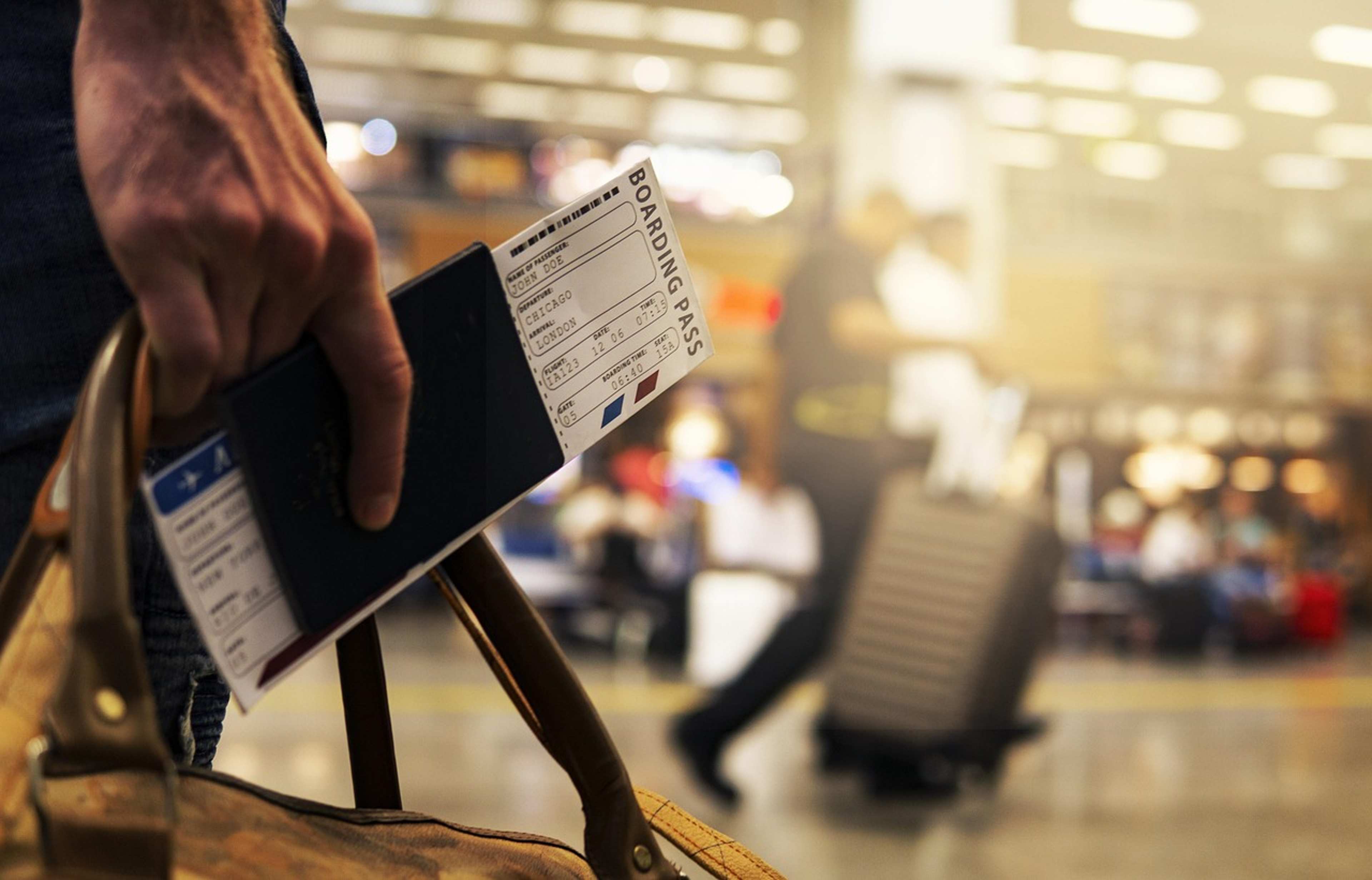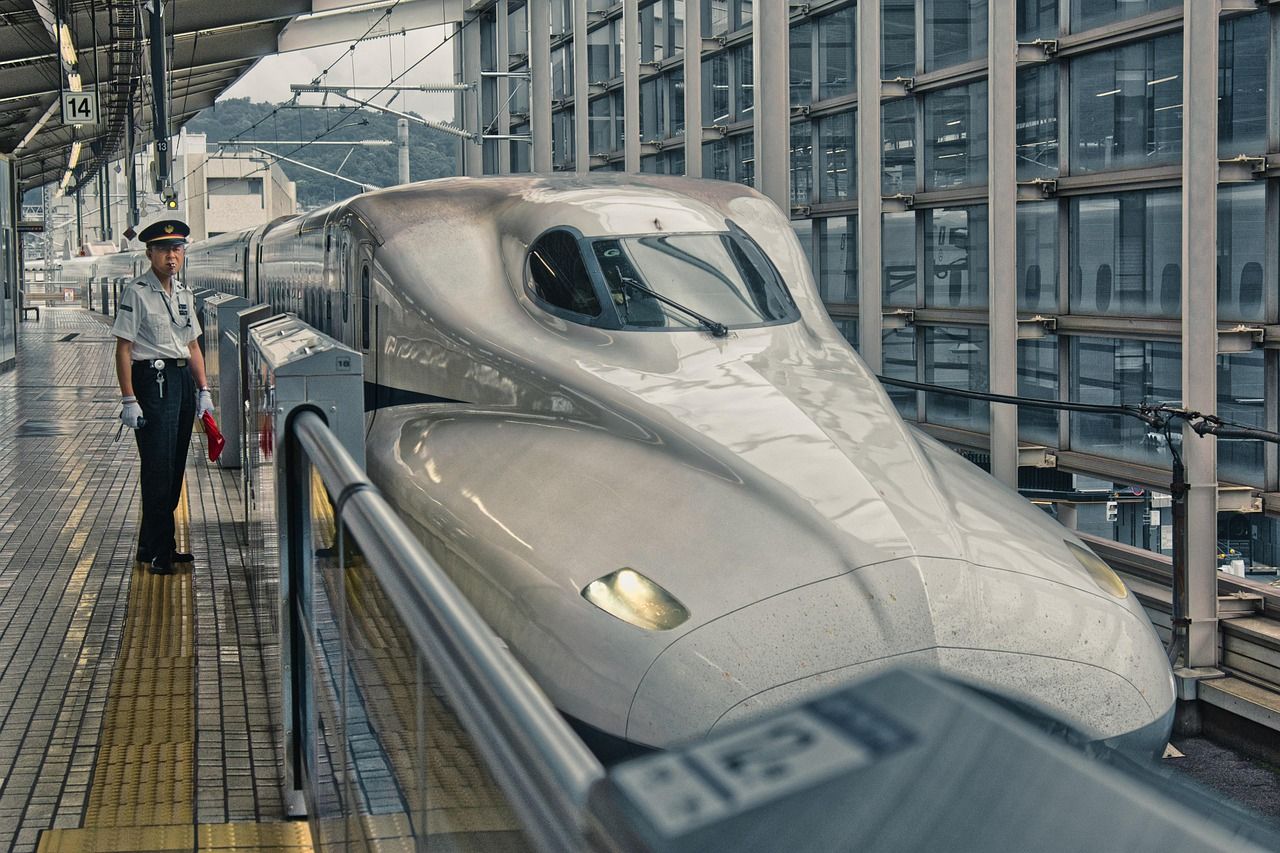
For years the assumption was simple: if a trip was longer than a couple of hours, you flew. Rail was for commuters, enthusiasts and people with time to spare. The numbers coming out of 2025 and 2026 suggest that assumption is wearing thin.
Record ridership has been reported on both sides of the Atlantic, and sleeper routes are being added in places that had abandoned them. The shift isn’t uniform, and it isn’t free of complications. Still, a handful of practical reasons keep showing up when travelers explain why they’re booking a seat on a train.
A Much Smaller Carbon Footprint Per Journey

Emissions are the reason most often given, and the data backs it up. The European Environment Agency has put average air travel at about 160 grams of CO2 per passenger kilometer, against about 33 grams for rail. That gap is wide enough that it holds up even when you allow for differences between routes and operators.
On real itineraries the difference is easy to picture. One 2026 comparison using UK government figures put London to Edinburgh at about 12.5 kilograms of CO2e per passenger by train and about 165 kilograms by plane. London to Paris came out at around 2 kilograms by rail and roughly 61.5 kilograms by air, and across seven British routes the train cut CO2 by more than four fifths on average. Figures vary with load factors and train type, so treat any single number as a guide rather than a guarantee.
City Center to City Center Without the Airport Shuffle

A flight’s headline time rarely matches the real journey. Add the trip out to the airport, security queues, boarding and the ride back into town, and a short hop starts to feel long. A train usually leaves from a station in the middle of the city and arrives in another one.
Eurostar’s recent growth shows how much that matters. The operator opened a new cross channel terminal in Amsterdam in February 2025, which tripled capacity on the London to Amsterdam route. Passenger numbers on that route rose by roughly 18 percent over 2025, the fastest growth anywhere on the network, which suggests travelers respond quickly when the station experience improves.
Night Trains That Double as a Hotel Room

Overnight rail solves a problem flights can’t: it turns dead travel time into sleep. You board in the evening, wake up in another capital, and skip a night’s accommodation. For solo travelers and families alike, that trade can make a long journey feel efficient rather than tiring.
Europe’s sleeper map is moving again, though not in a straight line. Back on Track counts around 205 regular sleeper connections on its 2026 map, with five new ones and about ten dropped. European Sleeper began running Paris to Berlin on 26 March 2026, three times a week via Brussels, while Euronews notes that demand can still be uneven outside peak seasons and that routes depend heavily on government funding.
Operators Are Investing in a Better Ride

Demand only sticks if the experience improves, and several operators have put money behind that. Amtrak closed its 2025 fiscal year with a record 34.5 million customer trips, a rise of just over five percent on the year before and its second straight record. The company also reported its best results to date for onboard Wi-Fi and food and beverage, and its Northeast Regional trains reached their strongest on-time performance in recent years in September 2025.
Eurostar tells a similar story, carrying a record 20 million passengers in 2025, roughly half a million more than in 2024. It has committed about two billion euros to as many as 50 new Celestia trains, due to enter service in 2031. Growth isn’t painless, though. Amtrak still reported an adjusted operating loss of about 598 million dollars for the year, and Eurostar has said capacity limits could keep it short of its 2030 passenger goal.
Policy and New Routes Are Tilting the Field

Governments have started to nudge travelers toward rail. France has restricted domestic flights where a train alternative of under two and a half hours exists, and the EU’s 2019 Green Deal and 2020 mobility strategy placed rail passenger transport at the center of its decarbonization plans. Those moves don’t force anyone onto a train for long trips, but they shape which routes airlines keep and which ones rail operators can build.
Price remains the obstacle. A Eurobarometer survey cited by ING found that cost and time still matter most when people plan a trip, and Greenpeace found in a Christmas price comparison that flying was cheaper than the train in around four in five cases. Where trains win on both convenience and fare, such as on busy high speed corridors, travelers have shown they’ll take them.