There’s a particular kind of nostalgia that shows up the moment someone mentions a family road trip from the 1970s or 80s. Maybe it’s the smell of a vinyl seat baking in the sun, or the sound of a paper map being refolded wrong for the tenth time. Those trips had rituals baked into them, ones that felt like second nature to the parents behind the wheel but seem almost quaint to their kids now raising families of their own.
Millennials didn’t necessarily abandon these habits out of disinterest. Technology, changing family dynamics, and a different relationship with travel itself quietly phased them out. Looking back at what’s disappeared says a lot about how road trips, and parenting in general, have shifted over the decades.
1. Pulling Over to Ask for Directions

Before GPS became a permanent fixture on every dashboard, boomer parents had a reliable backup plan: stop at a gas station, diner, or random stranger on the sidewalk and just ask. It wasn’t unusual for a family trip to include a ten-minute detour where dad rolled down the window and struck up a conversation with a local just to confirm they hadn’t missed a turn three exits back. Getting lost was practically part of the itinerary, and asking for help was treated as a normal, low-stakes part of travel.
Millennials largely skipped this ritual entirely, thanks to smartphone navigation apps that became mainstream in the late 2000s and early 2010s. Real-time traffic rerouting and turn-by-turn voice directions removed the need for human interaction almost completely. There’s a generational irony here: boomers often had richer, more spontaneous conversations with strangers on the road, while millennials trade that unpredictability for efficiency and certainty.
2. The Physical Paper Map Ritual
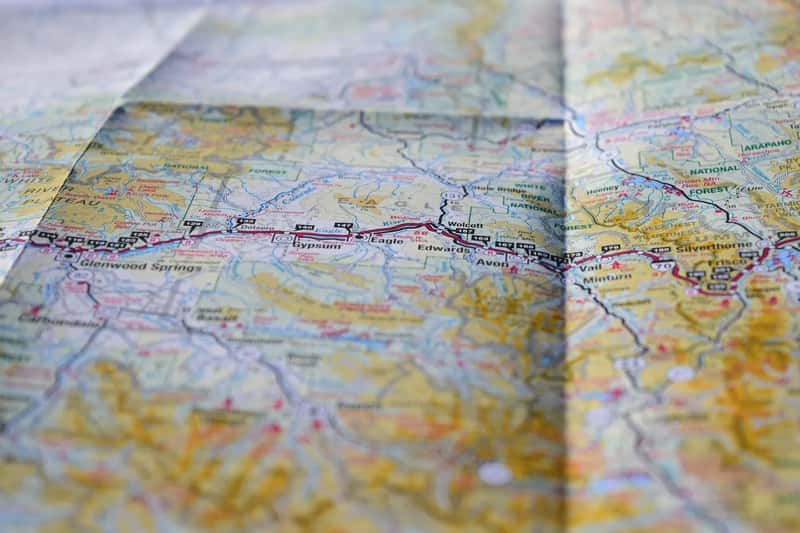
Unfolding a giant AAA road map across the dashboard or a kid’s lap was practically a rite of passage in boomer-era family trips. Someone, usually the oldest child or the more map-literate parent, was assigned “navigator” duty, tracing routes with a finger and calling out upcoming exits. These maps got creased, torn, and coffee-stained over years of use, sometimes becoming keepsakes in their own right.
That tactile, communal way of navigating has all but vanished. Millennials grew up watching MapQuest replace paper maps in the late 1990s, then watched MapQuest itself get replaced by Google Maps and Waze. The shift wasn’t just about convenience; it removed an entire shared activity from the car, one where multiple family members had to cooperate to figure out where they were going.
3. Mandatory Roadside Attraction Stops
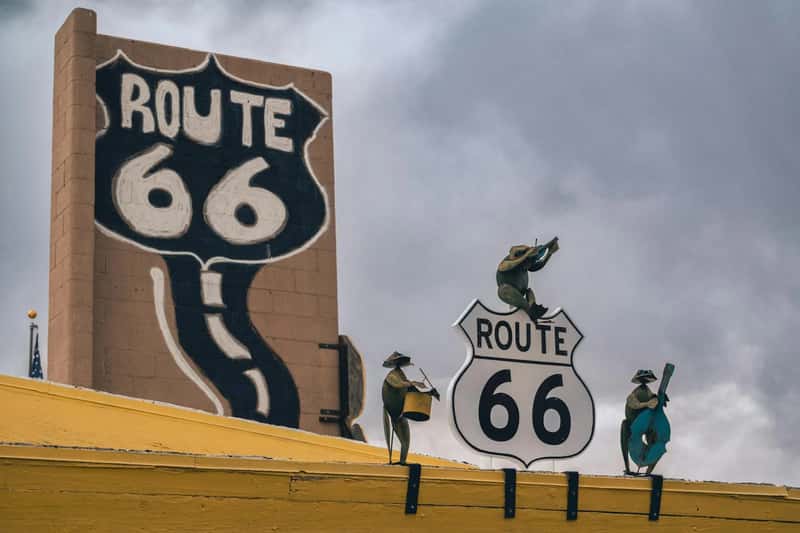
Boomer parents treated roadside attractions as non-negotiable parts of the journey. The world’s largest ball of twine, a two-headed cow at a roadside museum, or some oddly specific “world’s biggest” claim was often worth a 20-minute detour, no matter how tight the schedule. These stops weren’t really about the attraction itself; they were about breaking up the monotony of the drive and building a story kids would tell for years.
Millennial parents tend to plan trips more efficiently, often mapping out only the stops that align with a specific interest or Instagram-worthy photo opportunity. Time has become a more precious commodity, and with tighter schedules shaped by dual-income households and structured kid activities, the whimsical, unplanned detour has largely fallen out of favor. When millennials do stop at quirky roadside spots, it’s frequently because they saw it trending online first, rather than stumbling upon it organically.
4. The Physical Punishment Games and Threats

“Don’t make me pull this car over” was less a joke and more an actual threat in many boomer households, often followed by the classic arm reaching into the backseat. Road trip discipline in that era leaned heavily on verbal warnings, the occasional swat, and games designed to keep kids quiet through sheer boredom management, like counting cows or spotting out-of-state license plates. Backseat squabbles were handled in the moment, loudly, and usually without much patience for negotiation.
Millennial parenting has moved toward more conversational discipline strategies, influenced by decades of child psychology research emphasizing emotional regulation over punishment. Many millennial parents also rely on tablets, headphones, and curated playlists to prevent backseat conflict before it starts, rather than managing it after the fact. The road trip car has essentially become quieter and more individually entertained, which cuts down on both the chaos and the classic disciplinary showdowns that defined earlier decades.
5. Skipping Hotel Reservations Entirely

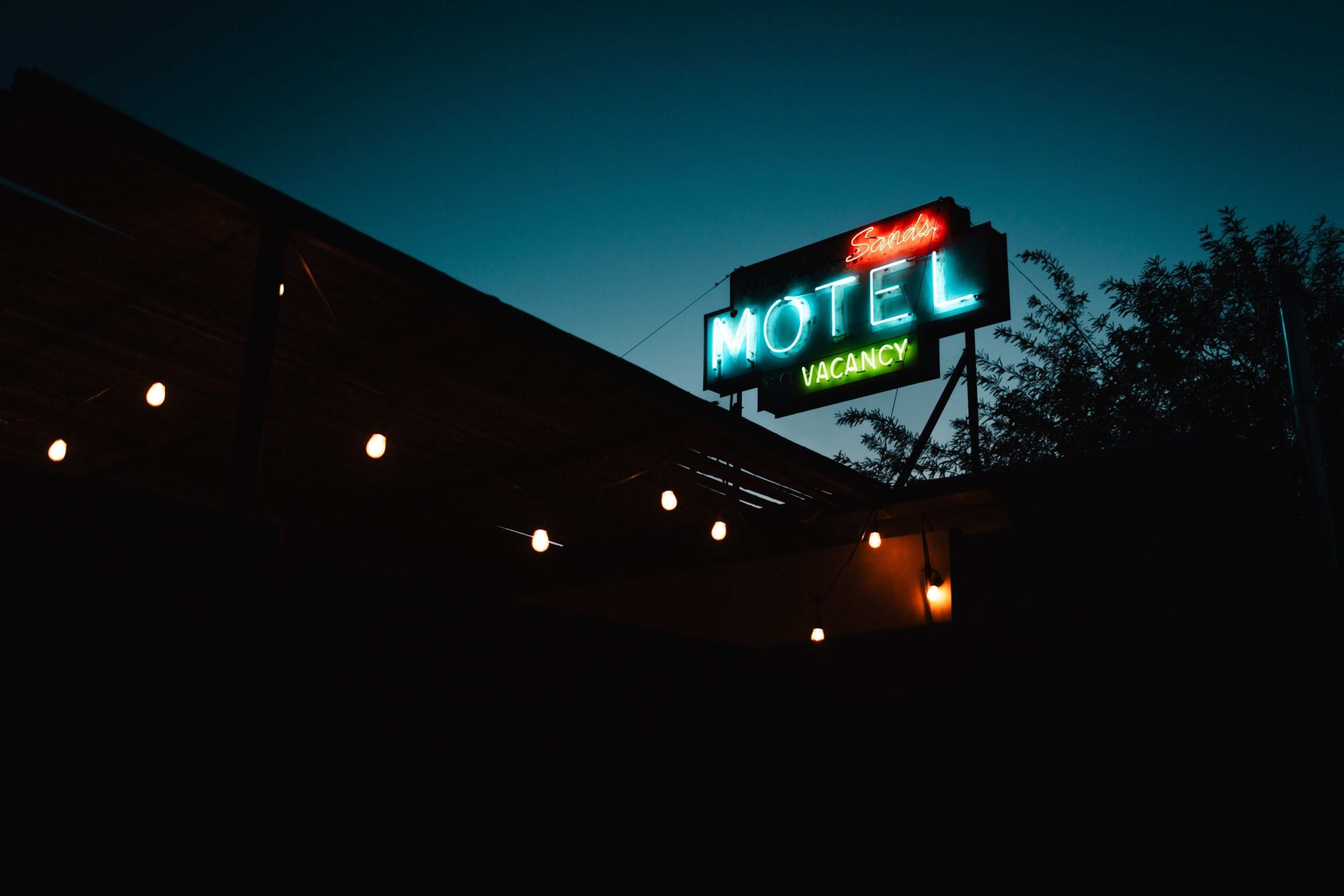
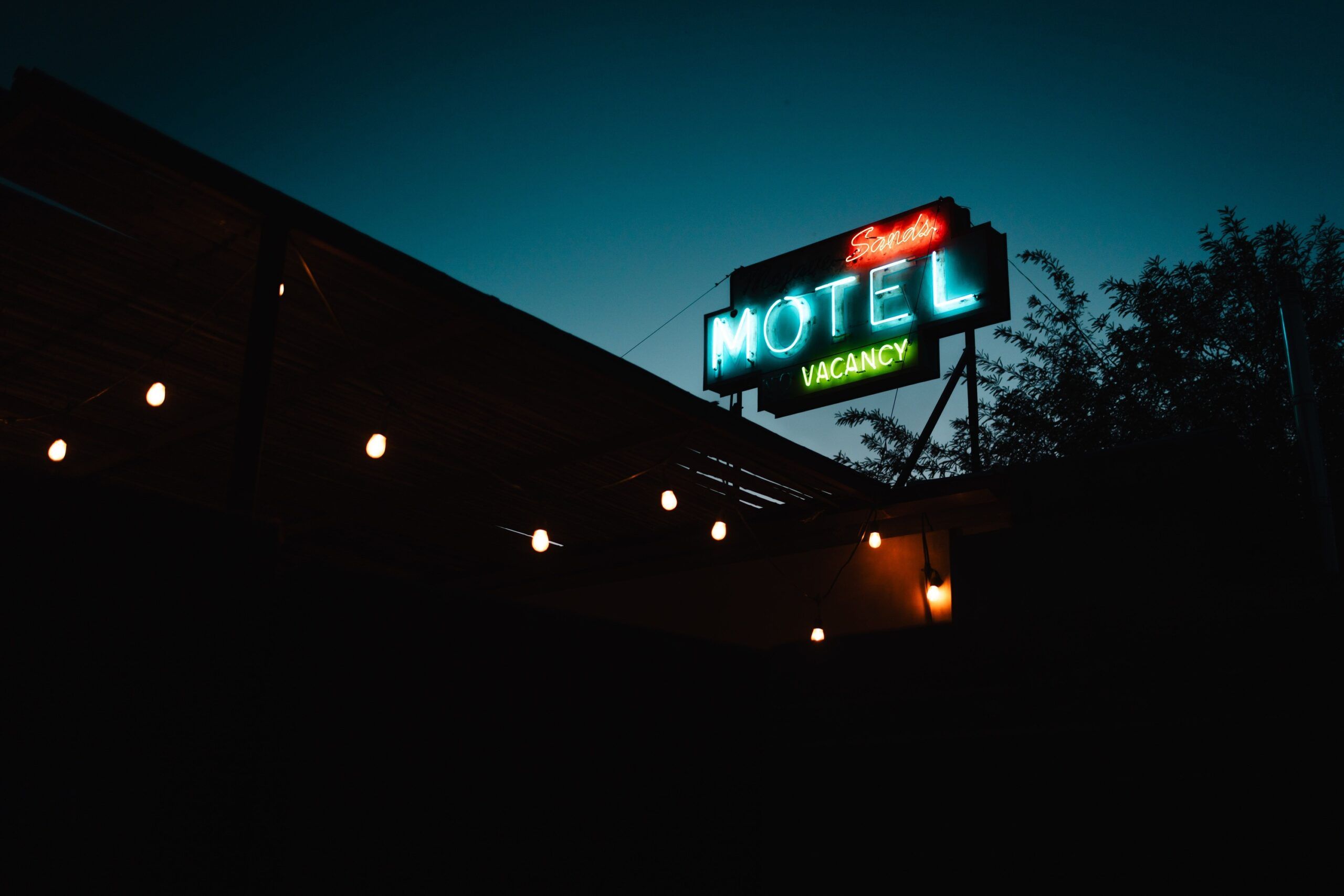
Many boomer families hit the road without a single hotel booked in advance, trusting that a vacancy sign would appear right when they needed one. This spontaneous approach was common through the 1970s and into the 80s, when motel chains were plentiful along most major highways and same-day availability wasn’t a major concern. It gave trips a loose, unscripted feeling, where the destination for the night was sometimes decided by whichever motel had a pool the kids liked best.
Millennials, shaped by a booking culture built around apps like Airbnb, Booking.com, and Hotels.com, tend to reserve accommodations well before leaving the driveway. Part of this comes from limited lodging availability in popular travel corridors, especially during peak summer months when demand has intensified in recent years. Part of it is simply a different relationship with uncertainty, since planning ahead has become the default rather than the exception for a generation raised on instant confirmation and locked-in pricing.
These traditions didn’t disappear because one generation did road trips “better” than the other. They shifted because the tools, family structures, and pace of everyday life changed underneath them. What’s left is a road trip experience that looks and feels different behind the wheel, even if the destination, and the reason for going, hasn’t changed much at all.