Spend enough time in hostel common rooms or airport transit lounges and you start noticing patterns. The traveler who’s been at this for years doesn’t pack like someone on their first big trip. There’s a certain economy to how they move, a handful of items that keep showing up no matter the destination or the season.
None of these things are flashy or expensive. They’re just quietly practical, the kind of gear that only makes sense once you’ve dealt with a broken zipper in a rainstorm or spent a night on a train platform waiting for a delayed connection. Here’s what tends to give a well-traveled backpacker away.
1. A packable daypack that folds into nothing

New travelers often bring one big bag and call it done. Veterans almost always have a second, foldable daypack tucked inside the main pack, something that compresses down to the size of a fist but unfolds into a full 15 to 20 liter bag. It’s there for day trips, markets, or those moments when the main backpack needs to stay locked in a hostel locker.
Brands like Matador and Sea to Summit have built entire product lines around this idea, and for good reason. A seasoned traveler knows that carrying the full pack everywhere is exhausting and impractical, so having a lightweight backup solves a problem before it even starts.
2. A dedicated cable and electronics pouch
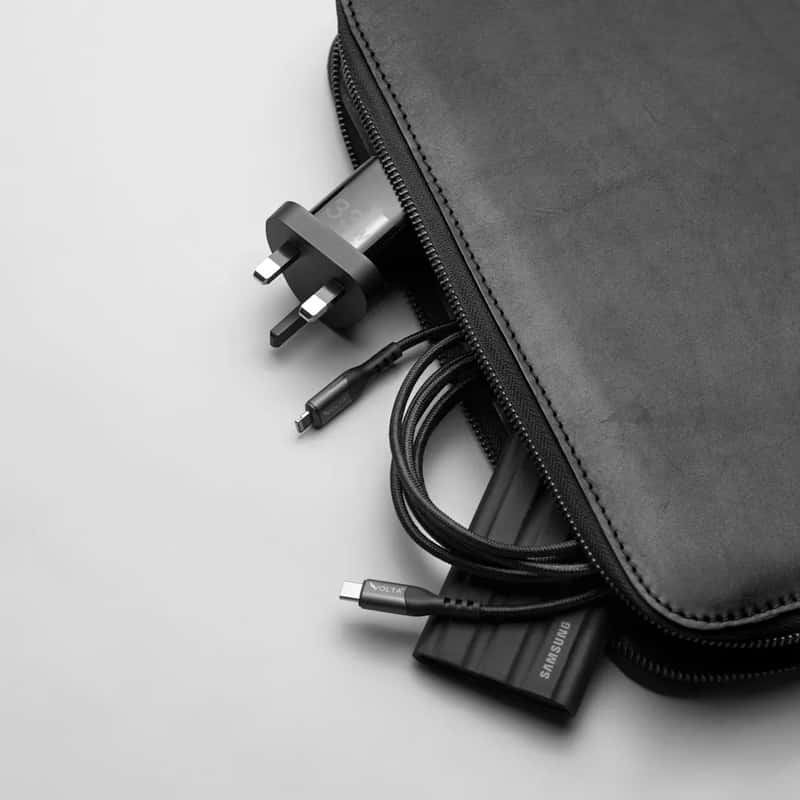
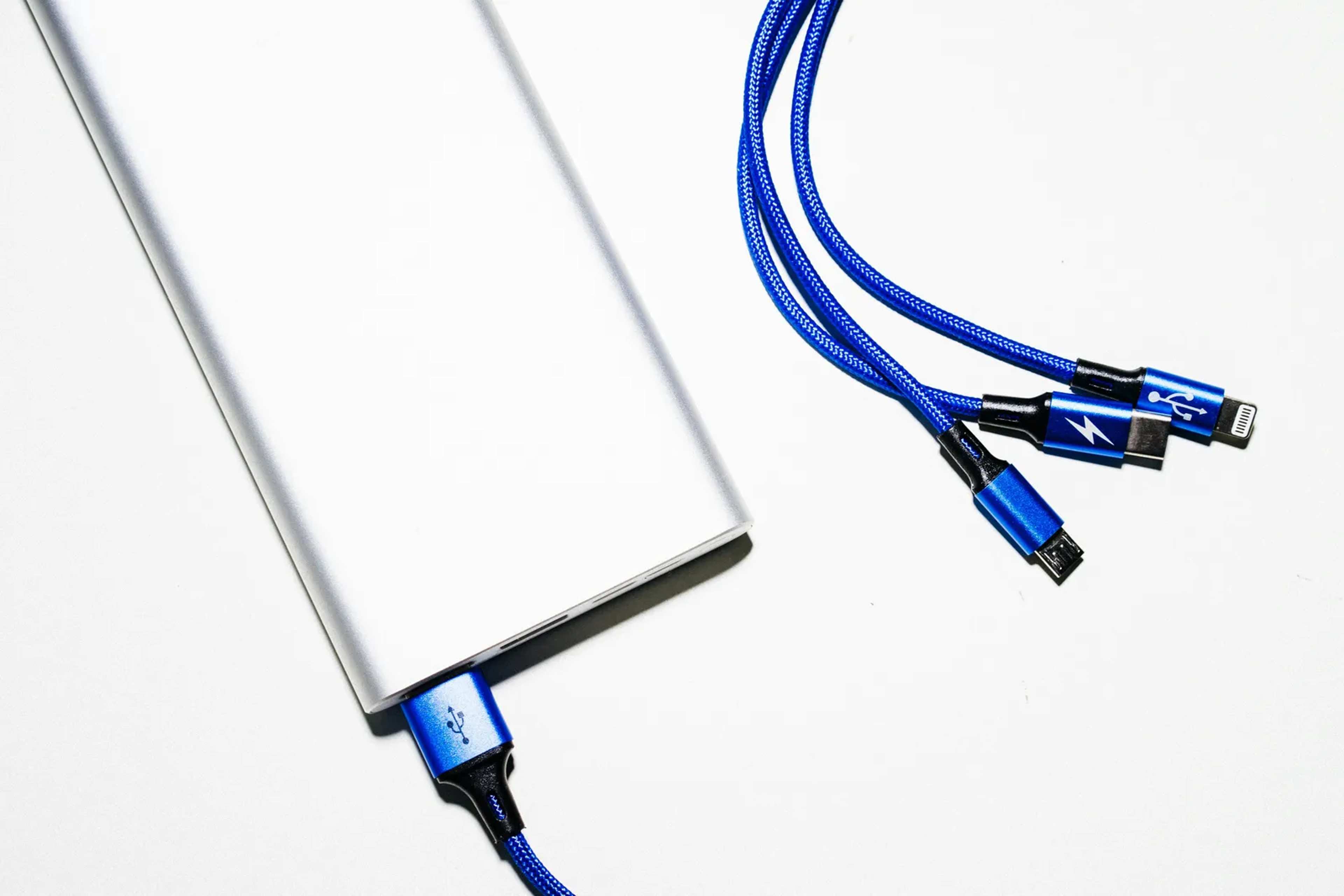
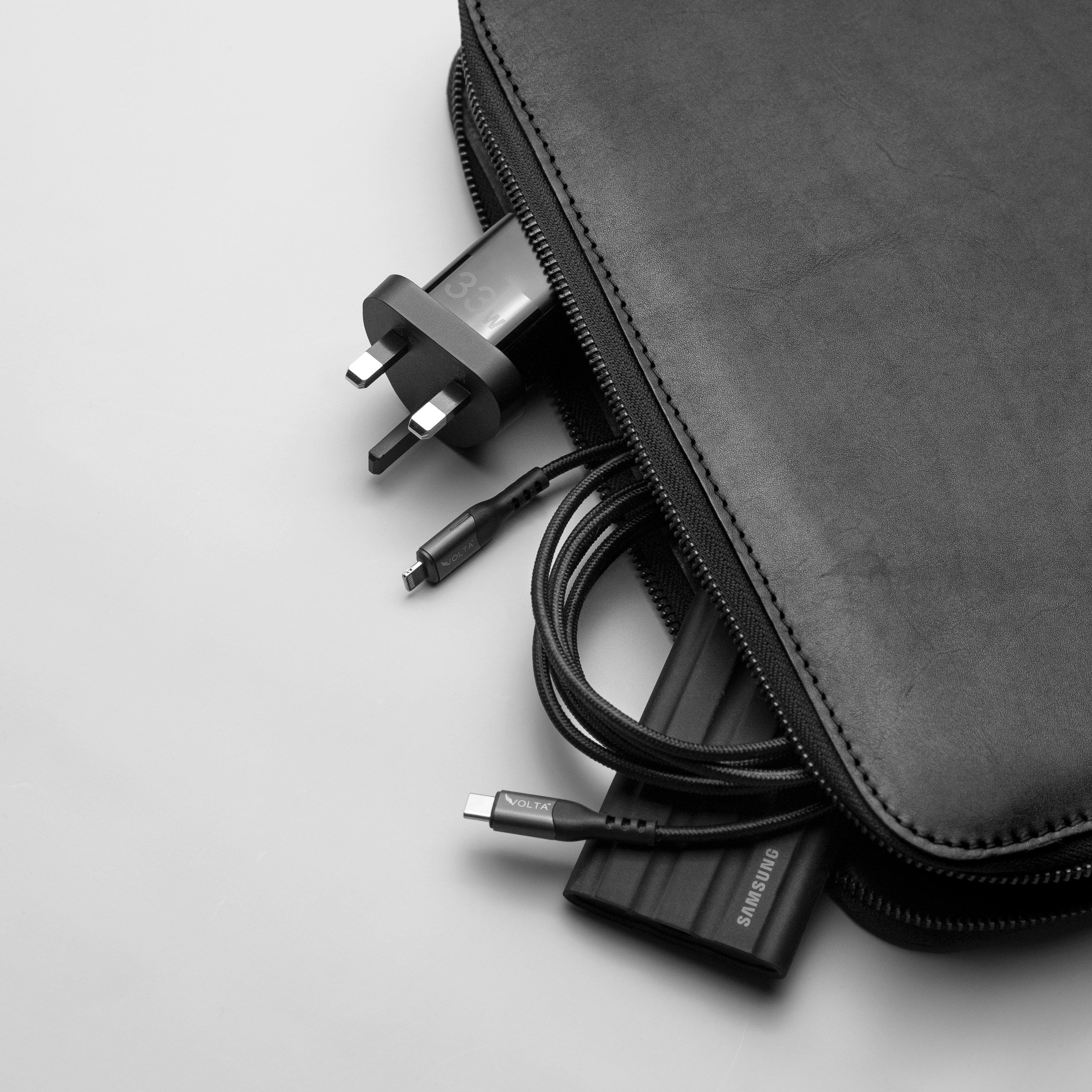
Tangled charging cables are one of the most universal travel headaches, and long term travelers solve it early. A small zippered pouch, often mesh or semi transparent, holds every cable, adapter, and portable battery in one place so nothing gets lost in the bottom of a bag. It also makes airport security checks faster, since the whole bundle can be pulled out and set on the tray without digging through everything else.
This habit tends to form after losing a charger once too often in a hostel bed or on a bus seat. Once someone adopts the pouch system, they rarely go back to loose cables floating around their luggage.
3. A universal travel adapter with USB ports built in
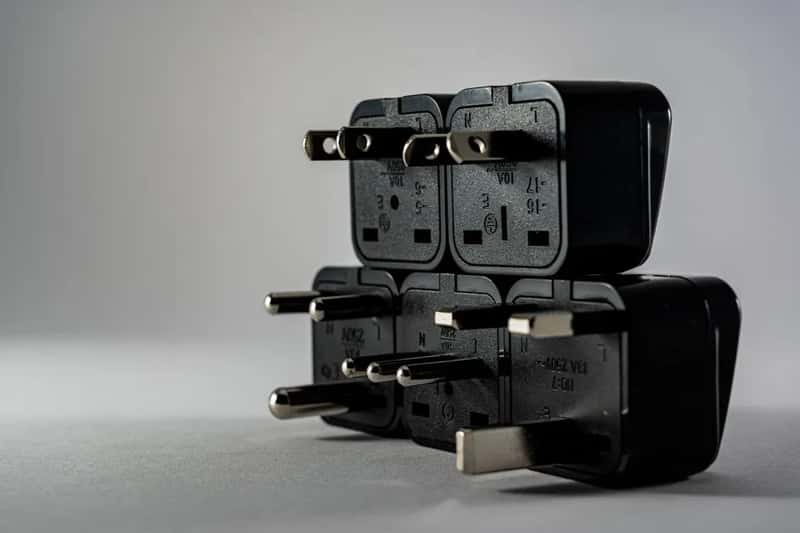
First time travelers often bring a single adapter for one country and end up buying replacements along the way. Experienced backpackers carry one universal adapter that works across multiple plug types and includes several USB ports, sometimes even USB-C for faster charging of newer devices. This is especially useful for anyone island hopping through Southeast Asia or moving between countries in Europe in a single trip, where plug standards can change from one border crossing to the next.
The convenience isn’t just about the plug shape either. Charging a phone, a camera, and a power bank all from one compact adapter overnight means less time wasted the next morning and fewer forgotten devices left behind on a nightstand.
4. A quick dry microfiber towel, not a bath towel

Bulky cotton towels take up serious space and can take more than a day to dry in humid climates, something most new travelers learn the hard way. Long term backpackers switch to microfiber towels that pack down to the size of a small book and dry within a couple of hours even in damp conditions. These towels have become standard gear for hostel stays, since many budget accommodations don’t include towels or charge extra for one.
The tradeoff is a slightly less plush feel against the skin, but the practical benefits win out quickly once someone has dealt with a mildew smelling towel stuffed into a backpack for a week. It’s a small swap that says a lot about how someone has learned to pack.
5. A slim, well-worn document organizer
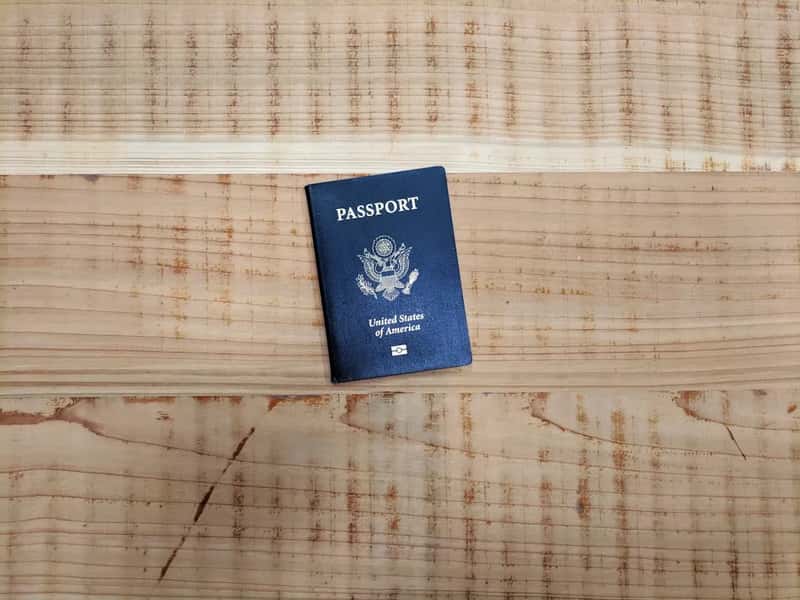
Passports, vaccination cards, printed visa confirmations, and spare passport photos all need a home, and seasoned travelers keep them in one slim organizer rather than scattered across different pockets. This document holder is usually one of the most worn looking items in the entire bag, with soft corners and faded edges from repeated handling at border crossings and check-in counters. It often includes a spot for a pen too, since immigration forms still need to be filled out by hand in plenty of countries even in 2026.
This habit comes from experience with confusion at a border or a scramble to find a printed hotel booking during a visa check. Once a traveler has been asked for the same three documents in the same five minutes at an immigration desk, keeping everything together stops being optional and starts being second nature.
Taken together, these six items don’t scream expensive gear or high tech innovation. They reflect something quieter: years of small inconveniences solved one at a time, until the solutions become second nature and the packing list barely changes from trip to trip.