Europe rewards curious travelers, yet a handful of avoidable mistakes can leave you stuck in a border queue, paying for the same service twice, or quietly annoying the people hosting you. Many of the slip-ups aren’t about manners at all. They come from rules and systems that changed between 2024 and 2026, and from habits carried over from home.
Here are eight missteps worth dodging, each checked against official or recent sources. Where the facts are still moving, I’ve said so rather than guess.
Arriving without time for the new border checks
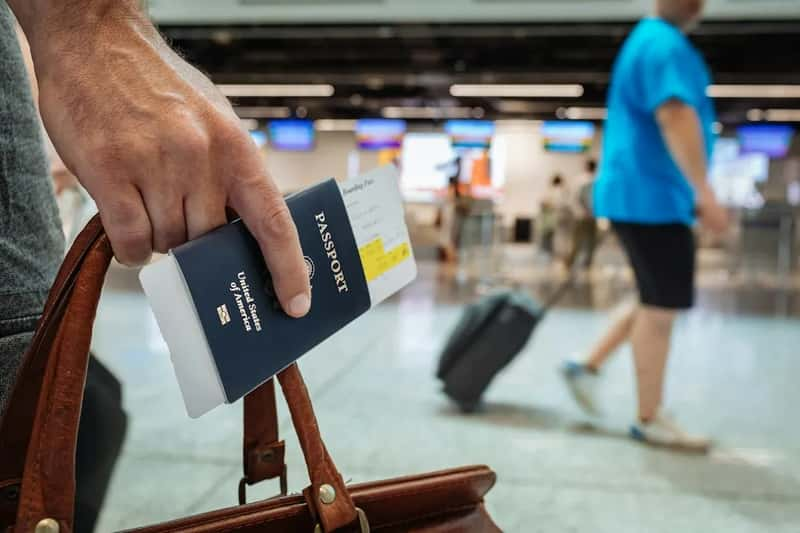
Europe’s digital Entry/Exit System has changed what happens at passport control. It began operating on 12 October 2025 with a progressive rollout in 29 European countries, and it became fully operational on 10 April 2026.[1] It replaces passport stamping for non-EU short-stay visitors with digital records, and it also captures facial images and fingerprints.[1]
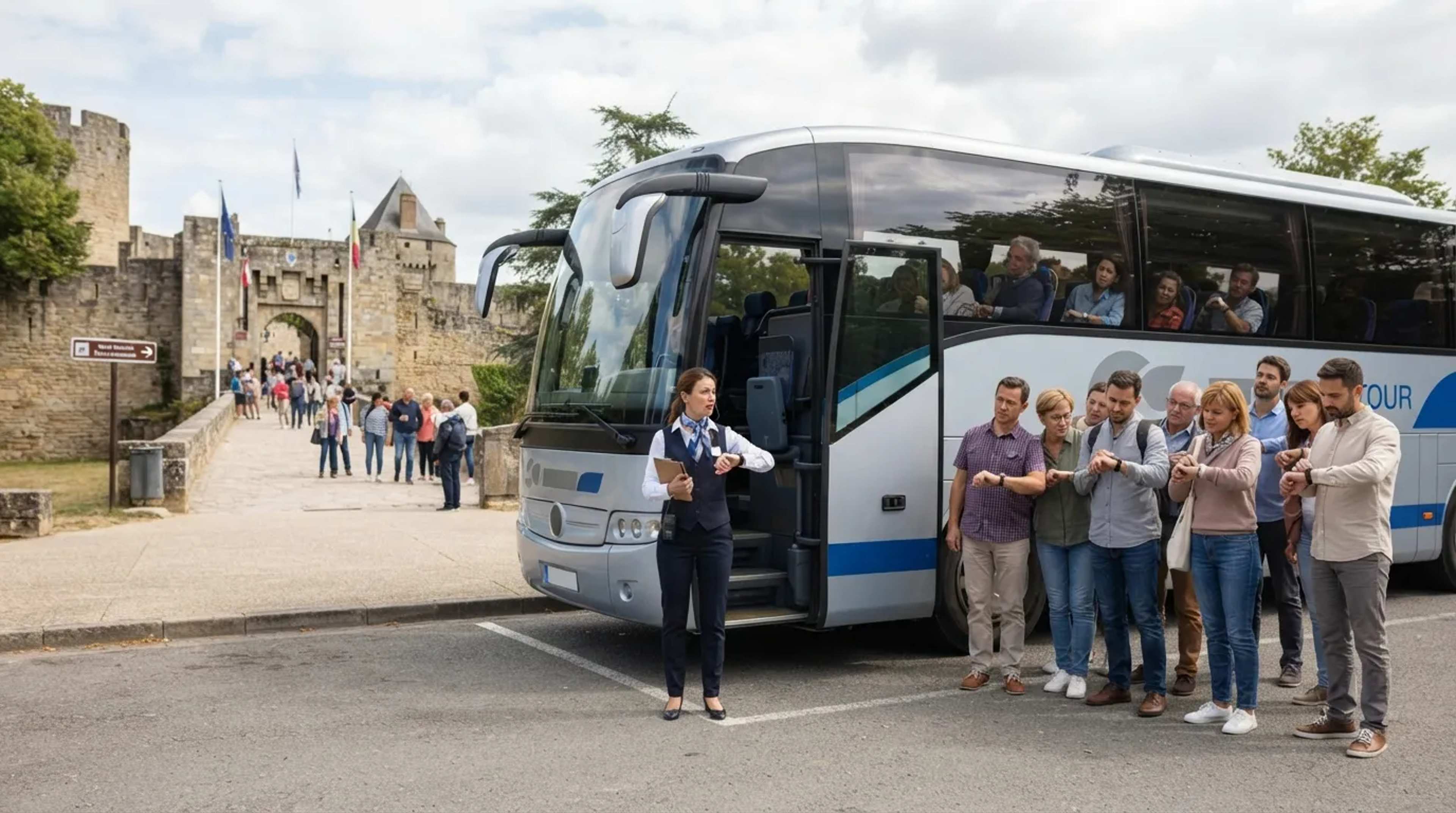
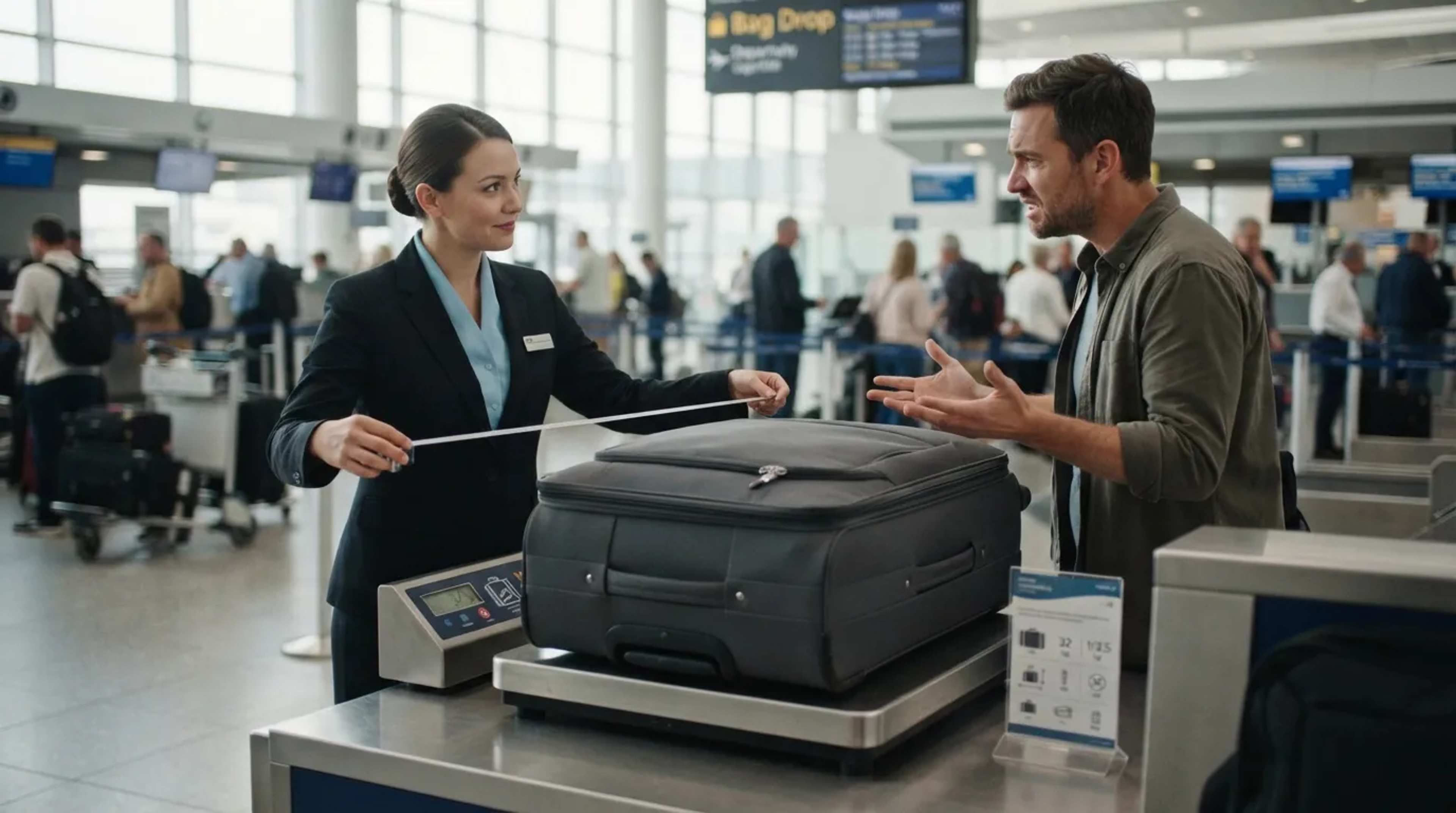
The practical mistake is booking a tight connection or a rushed transfer after landing. ABTA notes that implementation still varies between countries and crossing points, and that passport control may take longer, so you should allow extra time.[2] Some travel outlets described long queues at certain airports in the first weeks after full launch. Treat that as a reason to pad your schedule, not as a prediction for every airport.
Losing count of your 90 days

The digital system doesn’t change the basic short-stay limit. The rule remains 90 days in any 180-day period.[3] The tricky part is how the days are counted, especially if you’re hopping between Schengen countries or taking a long trip with a break in the middle.
Since stamps have been replaced by digital records, overstays are easier for authorities to spot. The Commission says the system allows automatic detection of travelers who have exceeded their authorised stay.[4] Both the day you arrive and the day you leave count, so if you make repeated trips, use the European Commission’s short-stay calculator before you book.[3]
Assuming ETIAS is live, or paying the wrong website
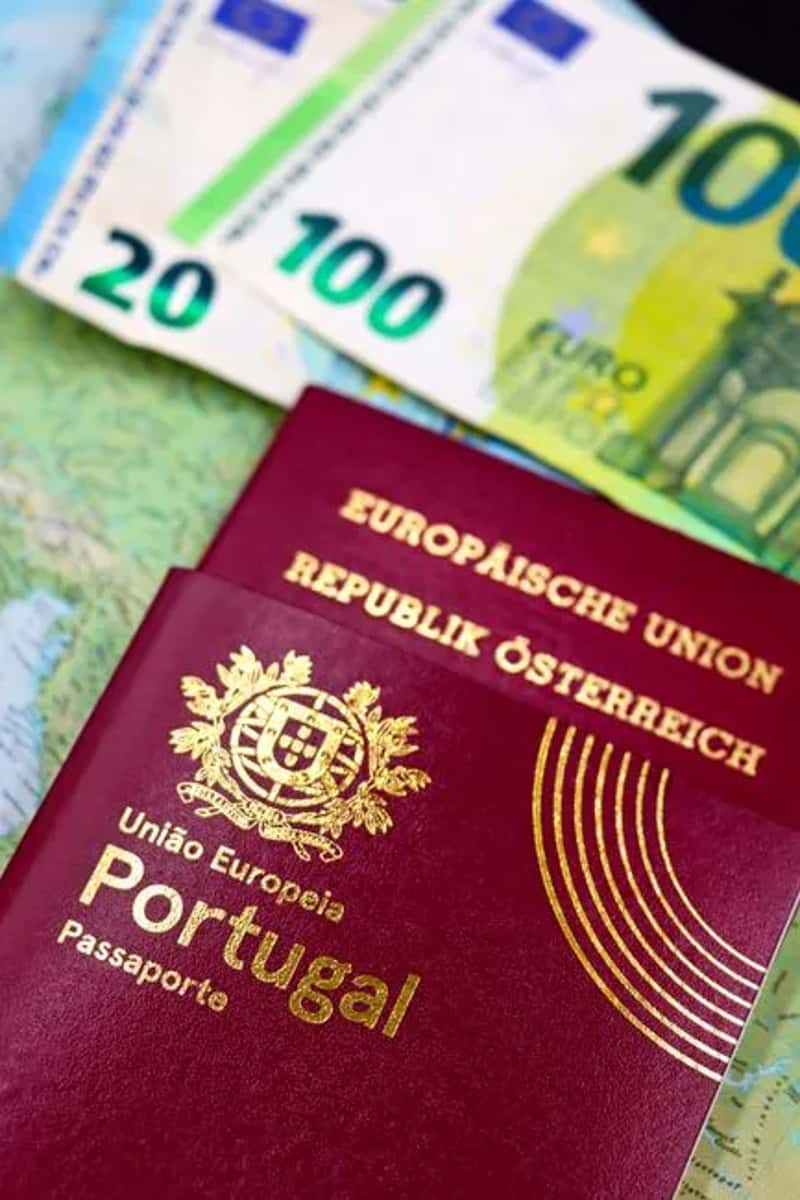
ETIAS is the pre-travel authorisation that visa-exempt visitors such as Americans, Canadians and Britons will eventually need. It has a history of slipping. The Commission’s published position is that it will start operations in the last quarter of 2026, with the exact date announced several months in advance.[5] Meanwhile, reporting cited in July 2026 suggested that a 2026 launch may not be feasible and that a slip into 2027 looks likely.[6] Check the official portal for the current status before you plan around it.
Whenever it opens, apply only through official channels. Official EU websites can be recognised by the europa.eu domain.[7] The fee is set at €20, up from the €7 originally legislated. It’s waived for under-18s and over-70s, and the authorisation lasts three years or until your passport expires.[5] Third-party sites that add their own service charges are an avoidable expense.
Tipping the American way

A flat 20 percent tip can look odd, or simply unnecessary, in much of Europe. In most of Europe servers are paid a proper wage, so tipping is optional and much smaller than in the United States.[8] Guides differ on exact figures. One says 5 percent is sufficient and 10 percent is generous in most of Europe[9], while others suggest that sit-down restaurants in parts of Central and Eastern Europe lean closer to 10 percent.
France is the clearest example. Service compris is legally included in restaurant bills there, so nothing extra is required.[10] Tipping at bars is generally not expected, or left to your discretion.[11] If you want to say thanks, rounding up or leaving a few euros for good service is a warm, low-key gesture.
Missing the coperto and service charge on the bill

The opposite mistake is tipping on top of charges that are already there. In Italy, servizio (a service charge) and coperto (a cover charge) are often included on bills.[11] Remember that the coperto is a cover charge, not a tip.[8] It covers things like bread and table service, so it doesn’t mean you’ve been tipped for the evening.
The UK has its own twist. Restaurants often add a discretionary service charge of around 12.5 percent, so check before adding anything, and you can ask for it to be removed if service was poor.[8] Check the menu before you sit down, too. Many European restaurants display their menu outside, and a mandatory service charge should be posted there.[12]
Showing up in Venice without checking the day-tripper fee
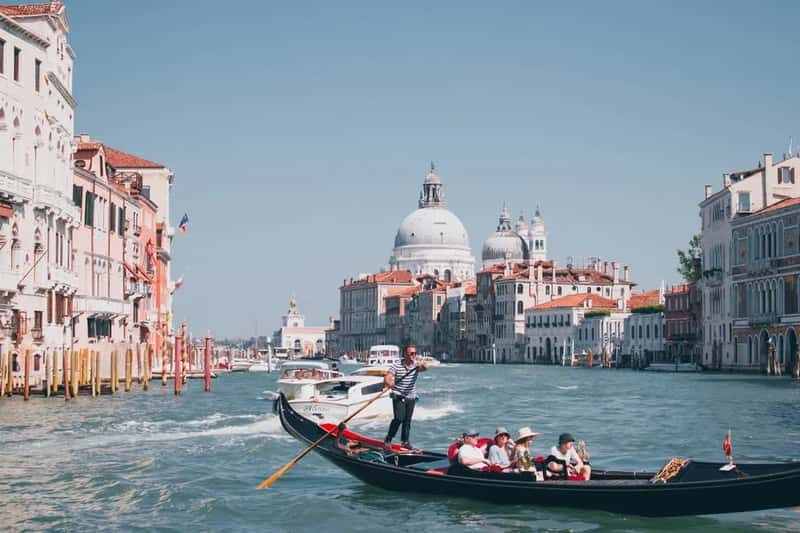
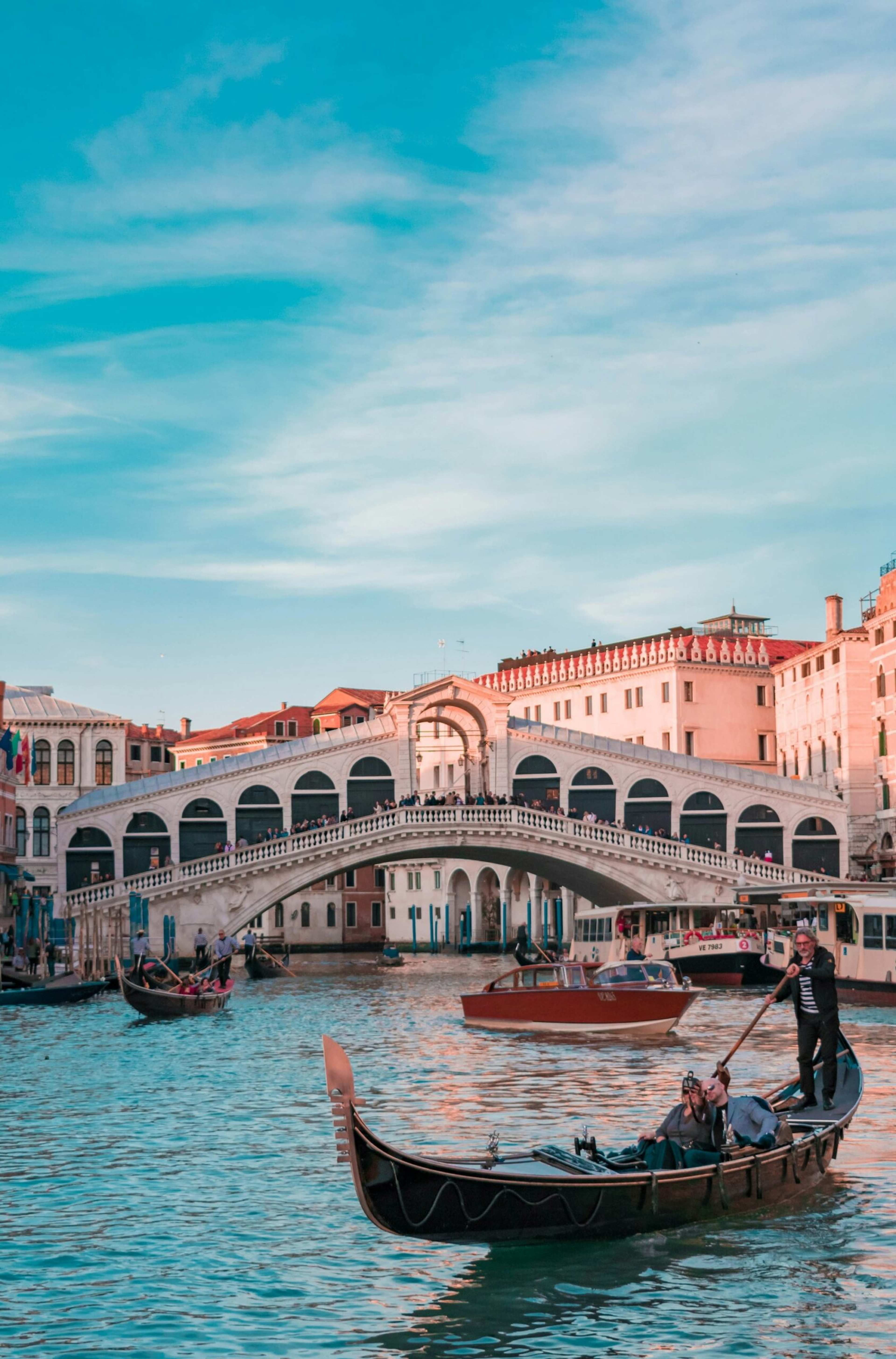
Venice is the first city to charge day visitors a fee, and the rules have changed from year to year. The pilot ran in April 2024 on 29 dates. The fee applied on 54 days in 2025, and the number rose to 60 for 2026.[13] In 2026 it cost €5 for visitors over 14 if booked more than four days ahead, and €10 if booked later.[14]
Overnight guests don’t pay, but there’s a catch. You still need to register and get a free QR code.[15] The 2026 trial period has also ended. The official portal says the fee no longer applied after 27 July, and the dates, prices and rules for the next season are unconfirmed.[13] Check the city’s official portal before any future visit, because those who skip it risk a fine. Reports on the 2025 scheme put the penalty at up to €300.[16]
Treating a famous city like a quick checklist stop
Venice’s fee exists because of a visiting pattern, and it’s worth thinking about whether you’re part of it. The day-tripper fee is meant to discourage hit-and-run tourism. Roughly 30 million people visit Venice each year, and many don’t stay overnight.[17] A few hours between train and departure can mean crowded bridges and little connection with the place.
Early results suggest the fee is having some effect. One report says more than 650,000 paid vouchers were issued over the 60 days of 2026, and that officials described a preliminary finding of less crowding on the busiest days.[13] Those figures are early and a final report was still to follow. The lesson travels well beyond Venice: sleep one night if you can, visit outside peak dates, and give a place more than a photo stop.
Dressing for the beach in a place of worship
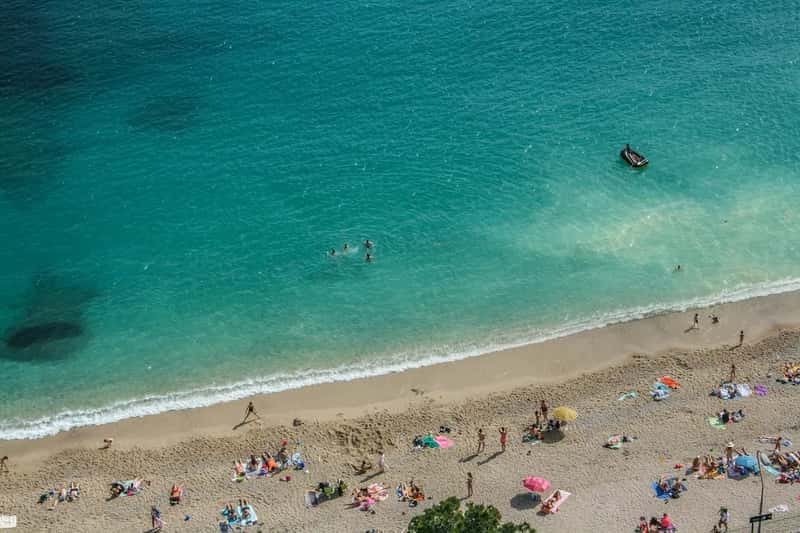
Many of Europe’s most visited churches and cathedrals are active places of worship, and several enforce dress expectations. Covered shoulders and knees are a common requirement, with the Vatican among the best-known examples. Rules vary by site, so check the official visitor page of the places on your list.
A light scarf or a packable layer solves most problems and costs almost nothing. Quiet voices and a pause before photographing worshippers also go a long way. It’s a small adjustment, yet it’s often what separates a welcome guest from an awkward turnaround at the door.