A trip to Venice used to be a fairly loose affair. You picked a day, took the train across the lagoon, and walked out of Santa Lucia station with nothing to sort out beforehand.
That has changed on a growing number of dates. Since 2024, some visitors have needed a QR code before they arrive, and the calendar, the clock and even the day of the week now matter in ways they once didn’t.
From a Trial Run to a Fixture
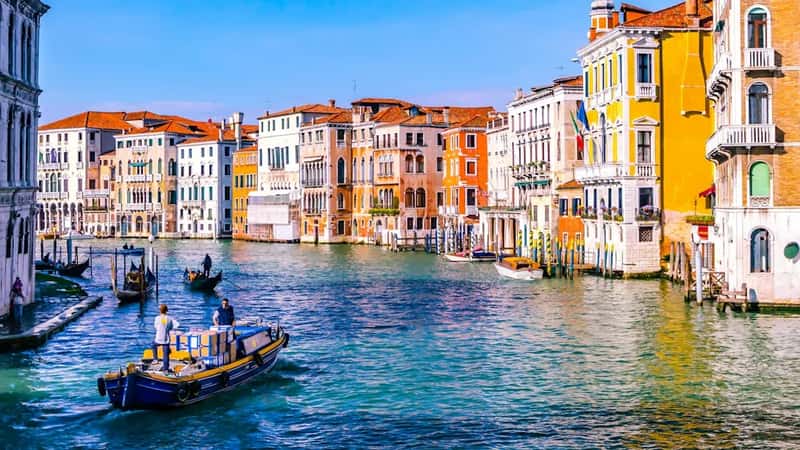
Venice launched its pilot in April 2024, charging day trippers five euros on 29 dates through July.[1] That made it the first city in the world to charge entry fees to short term visitors, much like a museum.[2]
In 2025 the fee was required on 54 days during high season.[3] For 2026 the number of days rose again to 60.[4] Each year the scheme has touched a bigger share of the spring and summer calendar.
The 2026 Calendar Rewards Advance Planning
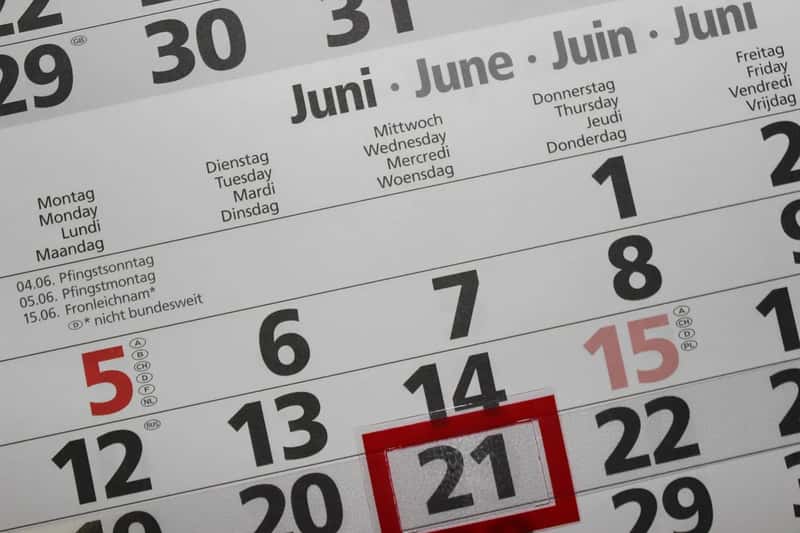
The 2026 schedule runs from early April to late July, so it’s worth checking before you book flights or trains. The fee applies every Friday, Saturday and Sunday from April 3 through July 26, plus April 6, the entire week of April 27 and the entire week of June 1.[7]
Weekends are the most affected, which nudges some travelers toward midweek visits. In July the fee applies only on weekends, starting on Friday.[8] On the days outside the calendar, there’s no charge and no registration.
Timing Your Arrival Within the Day
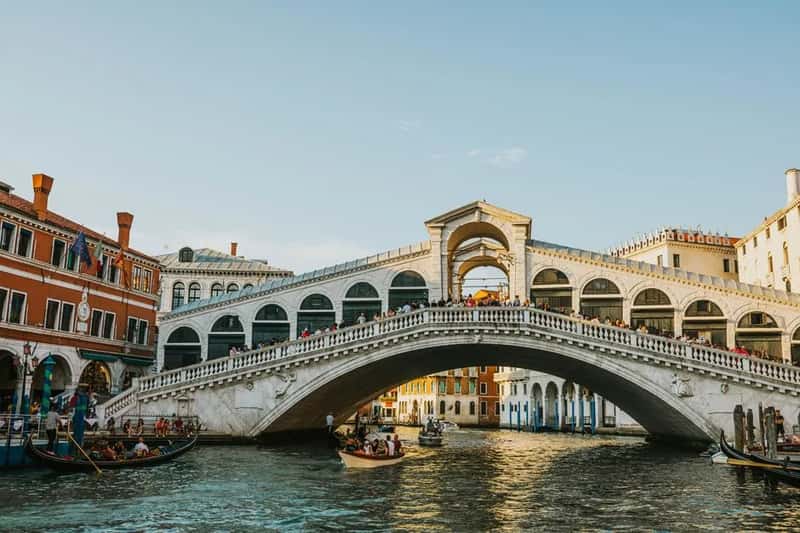
The fee doesn’t cover the whole day. The ticket is required only between 8:30 AM and 4:00 PM.[9] Travelers who arrive outside those hours don’t have to pay.[10]
That window gives visitors something to plan around, though it isn’t a loophole for anyone planning a full day in the city. Anyone who’s already in the historic center during the charged hours falls under the rule. The window is best read as a way to spread visitors across the day, not as a discount.
Sleeping Over Changes the Equation
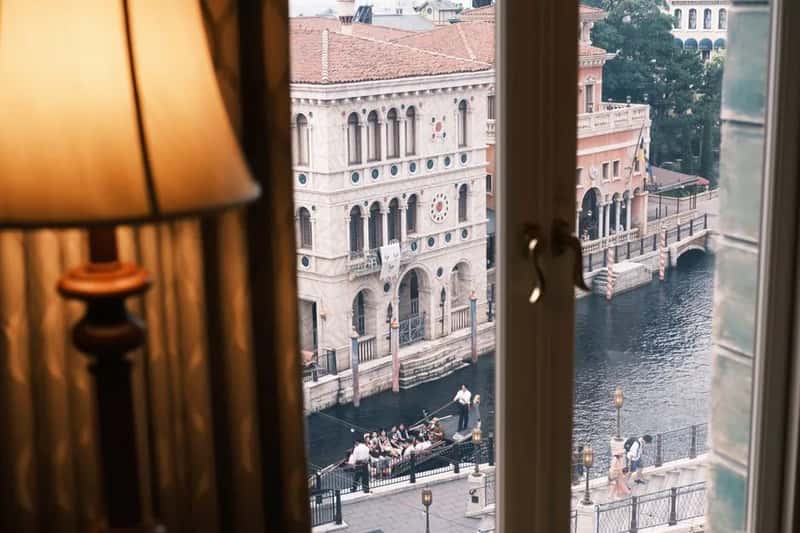
The scheme is aimed at people who don’t stay the night. A single night in accommodation within the Venetian municipal territory, including Mestre and Marghera, is enough to avoid the fee.[11] Overnight guests still have to register, even though they don’t pay.[7]
For some travelers, that makes an overnight stay the cheaper and more relaxed choice. It’s also what the city says it wants. Its stated goals include encouraging travelers to stay overnight or visit in off peak times.[12]
Where the Fee Doesn’t Apply
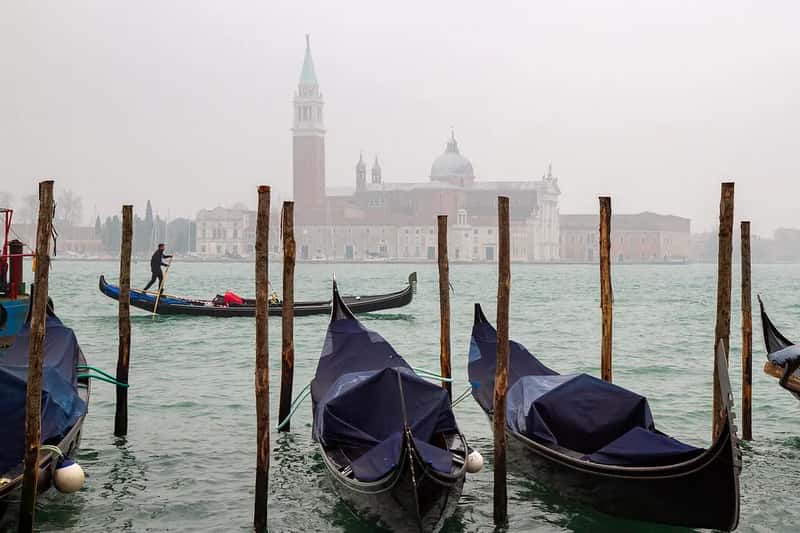
The rules have some geographic limits, and they matter for planning. In 2026 the fee isn’t applied to the minor islands of the Venice Lagoon.[6] It also isn’t applied in the area facing the landing stages for large cruise ships at Riva degli Schiavoni.[6]
Travelers passing through certain transport hubs are treated differently, too. People moving exclusively through areas such as Piazzale Roma, Santa Lucia Station and the Stazione Marittima are in transit and not charged.[13] Registration is still expected so they can show they’re only passing through.
Exemptions, QR Codes and Enforcement

The fee applies to visitors aged 14 and up.[14] Children under 14 and holders of the European Disability Card, along with their companions, don’t need to pay or register.[13] Residents of the Veneto region and people visiting relatives or friends in Venice are also exempt.[10]
Compliance is checked on the ground. Visitors receive a QR code when they pay online, and checkpoint staff have been deployed to verify visitor status.[15] Those without a ticket risk a fine of up to 300 euros.[2]
What the Numbers Show So Far
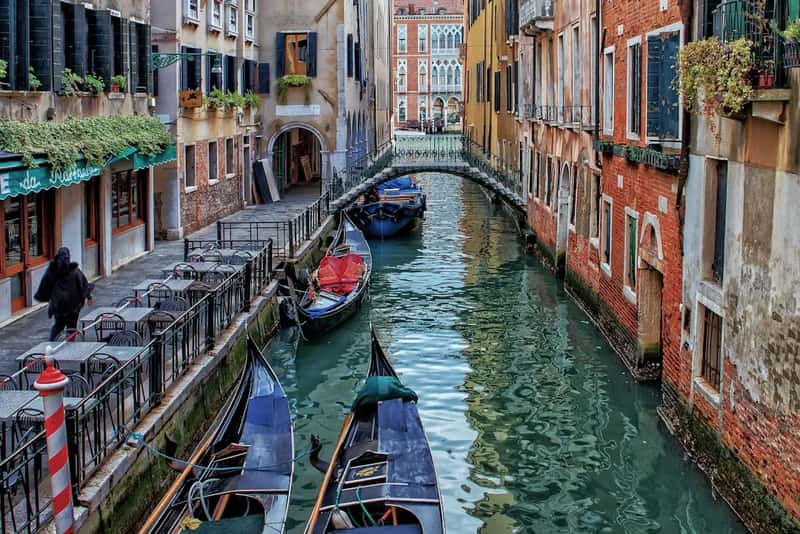
In 2024, 485,062 visitors paid the fee, raising 2.4 million euros.[16] The picture for 2025 was more mixed. Day visitor numbers dropped only slightly, and peak dates drew nearly 25,000 tourists, the equivalent of half the resident population.[4]
In 2026, more than 650,000 paid vouchers were issued over the 60 days the fee was in effect.[17] Officials said the fee raised more than five million euros, and a first review suggested crowding on the busiest days had declined compared with earlier years.[17] They stressed that the findings are preliminary and that a final report would follow.[17]
Critics and the Case for Charging More
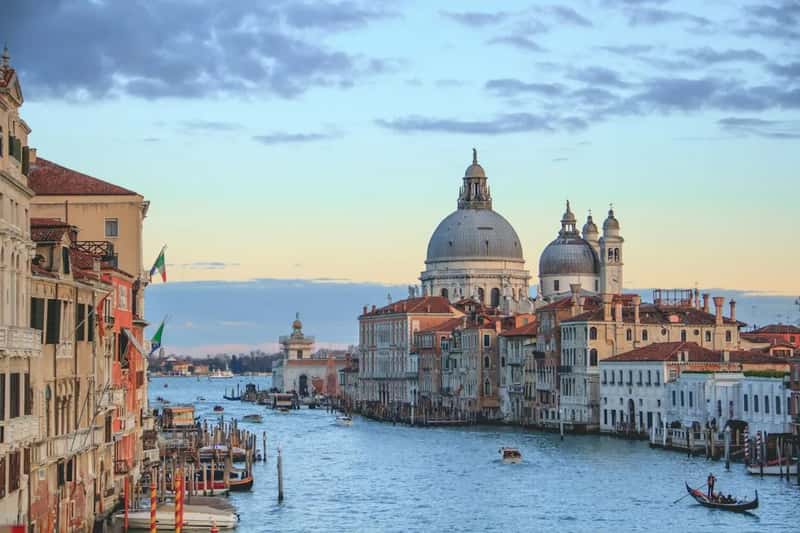
Activists, housing advocates and opposition politicians have criticized the fee for doing too little to ease crowding. They also say the focus is on managing tourist flows and not enough on bringing residents back.[18] The city’s own officials acknowledge that the fee alone doesn’t solve the problem.
Venice’s new mayor, Simone Venturini, wants to go further. He has proposed dynamic pricing that would let the charge rise to as much as 50 euros on the busiest days.[18] City officials say many tourists still skip advance reservations and simply pay the higher same day rate.[19]
What Happens After 2026
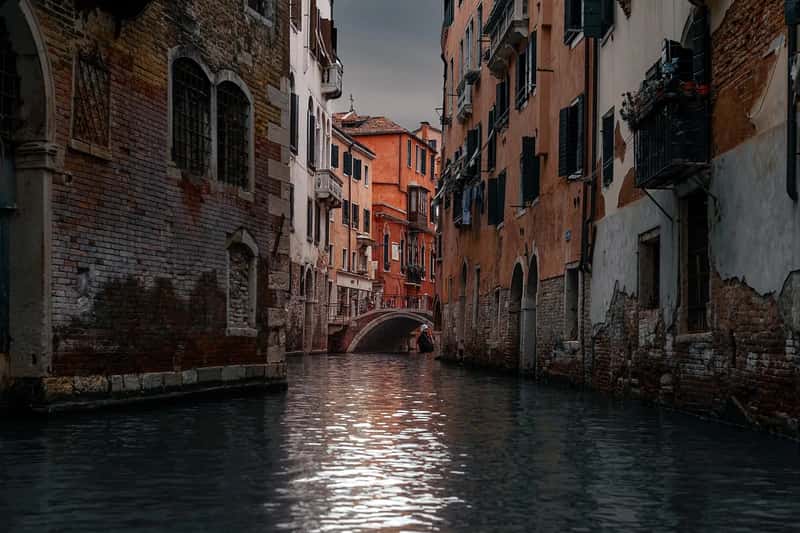
The official portal states that the 2026 trial period has ended, and since July 27 the fee no longer applies.[20] Any measures for the years after 2026 are for the municipality’s governing bodies to approve.[20]
The surge pricing idea isn’t a done deal. It would require an amendment to Italy’s special law governing Venice, and the mayor has already discussed it with the tourism minister.[18] Until a decision is made, the dates, prices and rules for the next season remain unconfirmed.