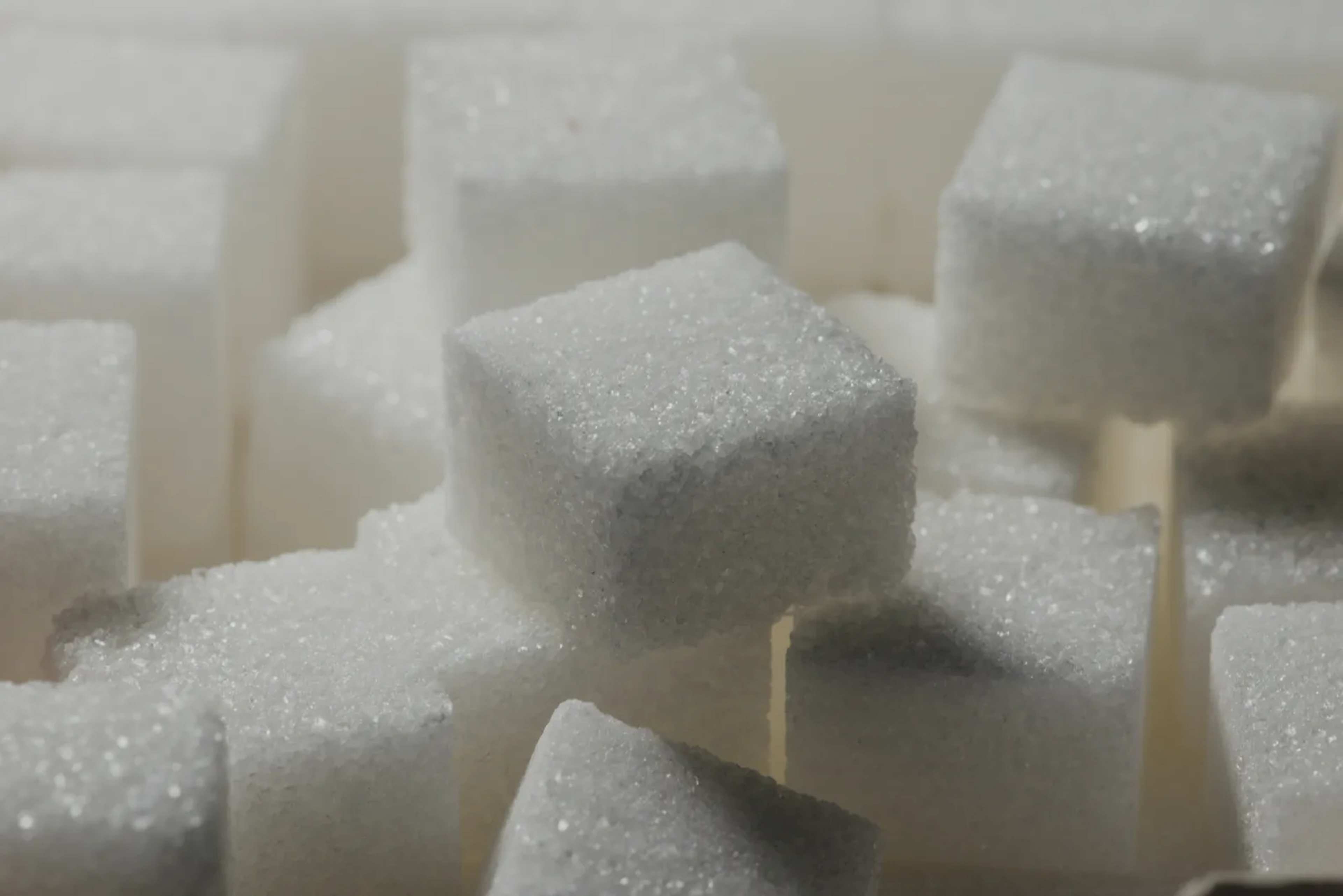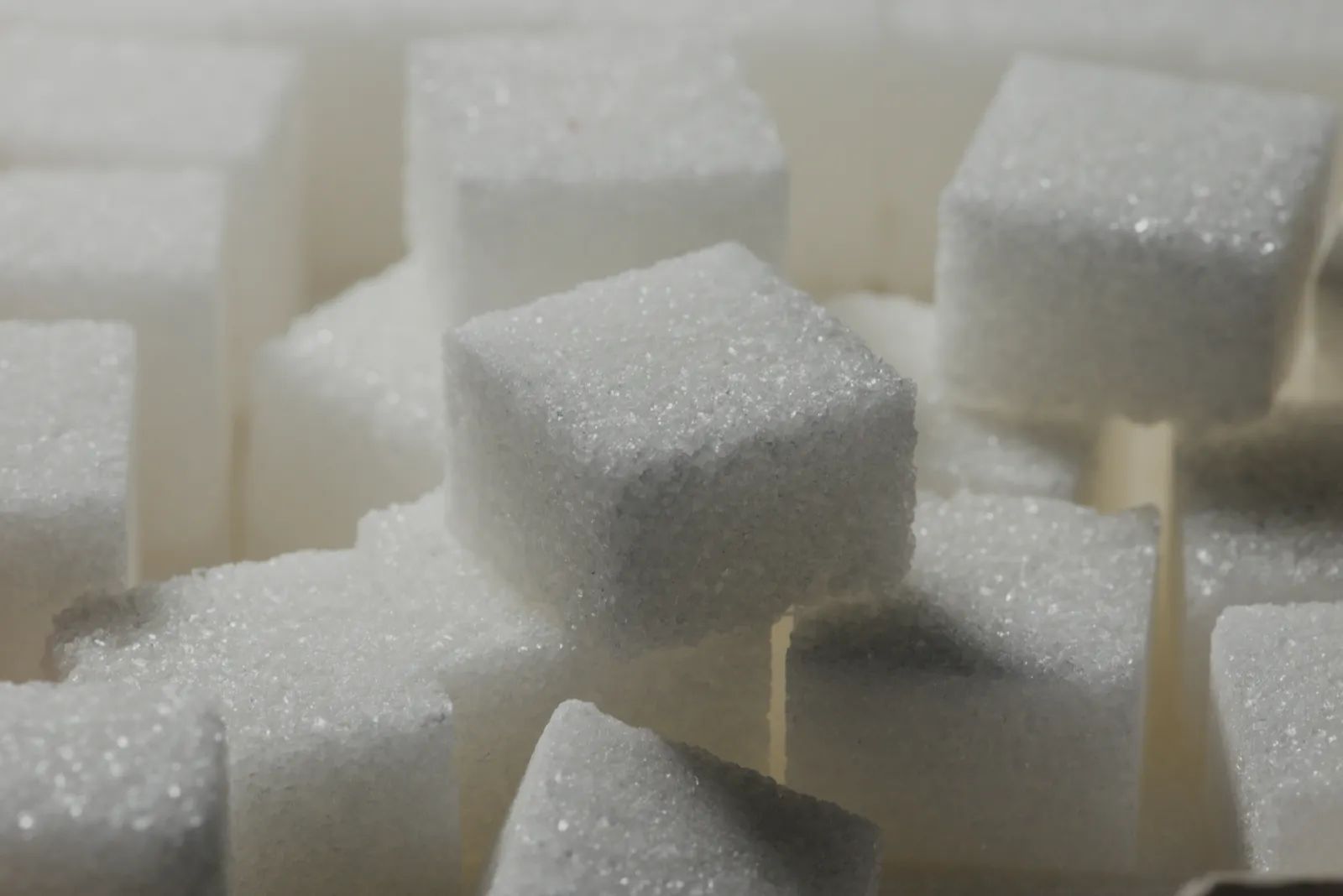
A forgotten box of bouillon cubes often surfaces when planning soup or stew, prompting questions about safety and quality. The product does go bad over time, yet the timeline varies by form and storage conditions. Extension service guidance and manufacturer details provide clear benchmarks for cubes, granules, and pastes alike. ([1])
Cubes and Granules Hold Up Well
Dry bouillon in cube or granule form resists spoilage longer than many pantry items. Kansas State Extension places the shelf life at roughly two years when stored at 70°F in a dry, covered location. Maggi aligns closely, listing 24 months for its cubes and 21 months for tablets and granulated products before use.
These periods focus on quality rather than strict safety cutoffs. Once opened, the same dates generally apply provided the product stays sealed and free of moisture. Heat and humidity remain the primary threats, so relocation away from the stove helps preserve flavor and texture.
Pastes Demand Extra Attention
Concentrated pastes follow a different path once the jar is opened. Better Than Bouillon assigns a two-year window from the manufacturing date for unopened product. After opening, refrigeration becomes essential, and any jar left unrefrigerated should be discarded.
Other brands may list up to a year of refrigerated life for opened paste. The key distinction lies in moisture content, which makes these products more perishable than their dry counterparts. Always check the specific label for the jar in hand.
Recognizing When to Discard
Visible mold, a sour or off odor, or damp, sticky texture signals that bouillon should be thrown out. Insects or webbing inside packaging also warrant disposal. Normal appearance alone does not confirm safety, as harmful bacteria often leave no obvious trace.
Once dissolved into broth, the rules shift to standard perishable guidelines. Refrigerated broth lasts three to four days at 40°F or below, while room-temperature exposure should not exceed two hours. These limits draw from broader USDA recommendations for soups and leftovers.
Practical Storage Habits
Keep dry forms in a cool, dark pantry away from appliances and sunlight. Reseal containers tightly after each use, and consider transferring opened cubes to an airtight bag for added protection. Pastes belong in the refrigerator immediately after opening.
Manufacturer dates serve as quality markers, not absolute safety deadlines. When in doubt about any form, the conservative choice remains to replace it rather than risk diminished flavor or potential issues.
Check the package date and storage history before each use. Proper handling keeps bouillon reliable for months or years.