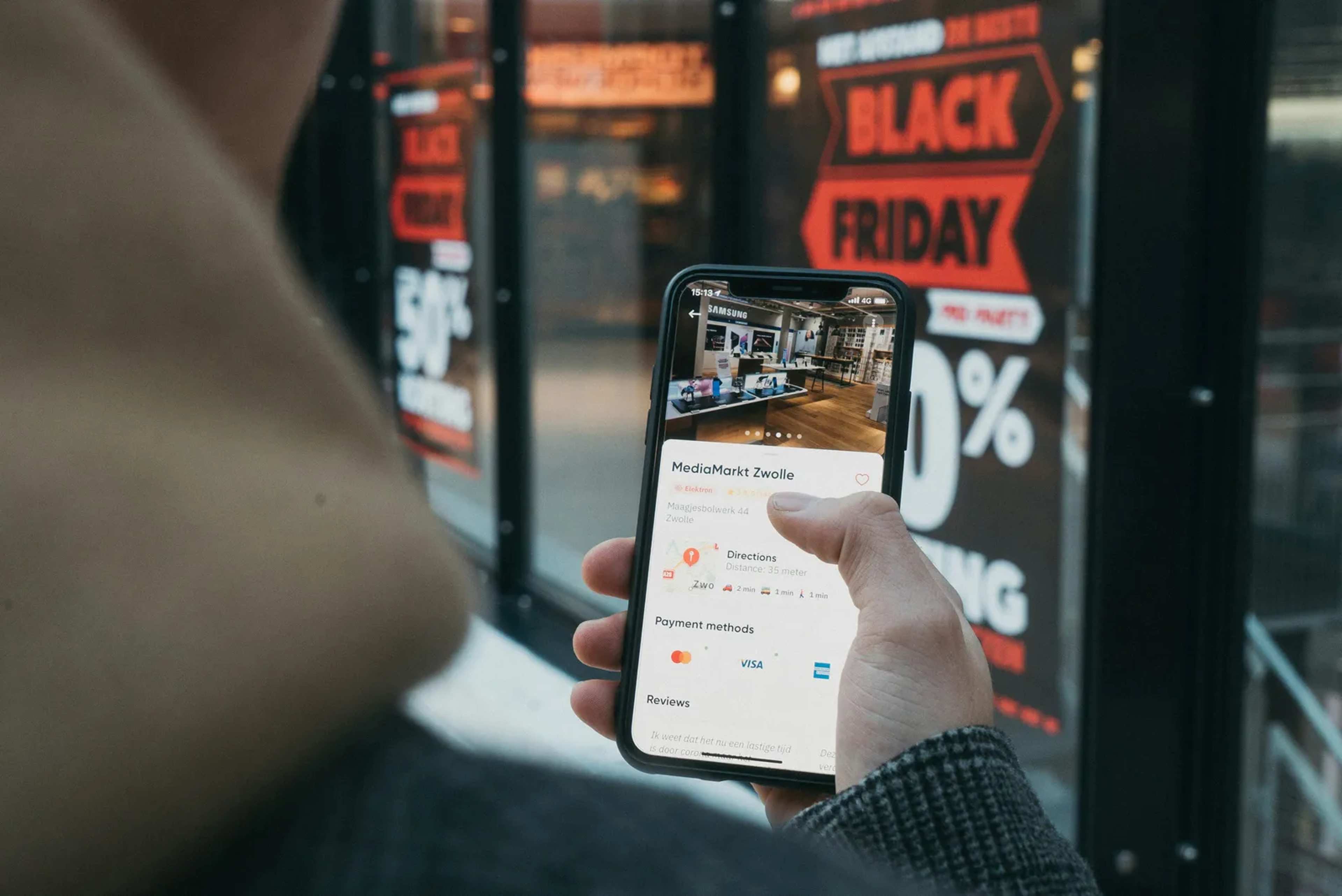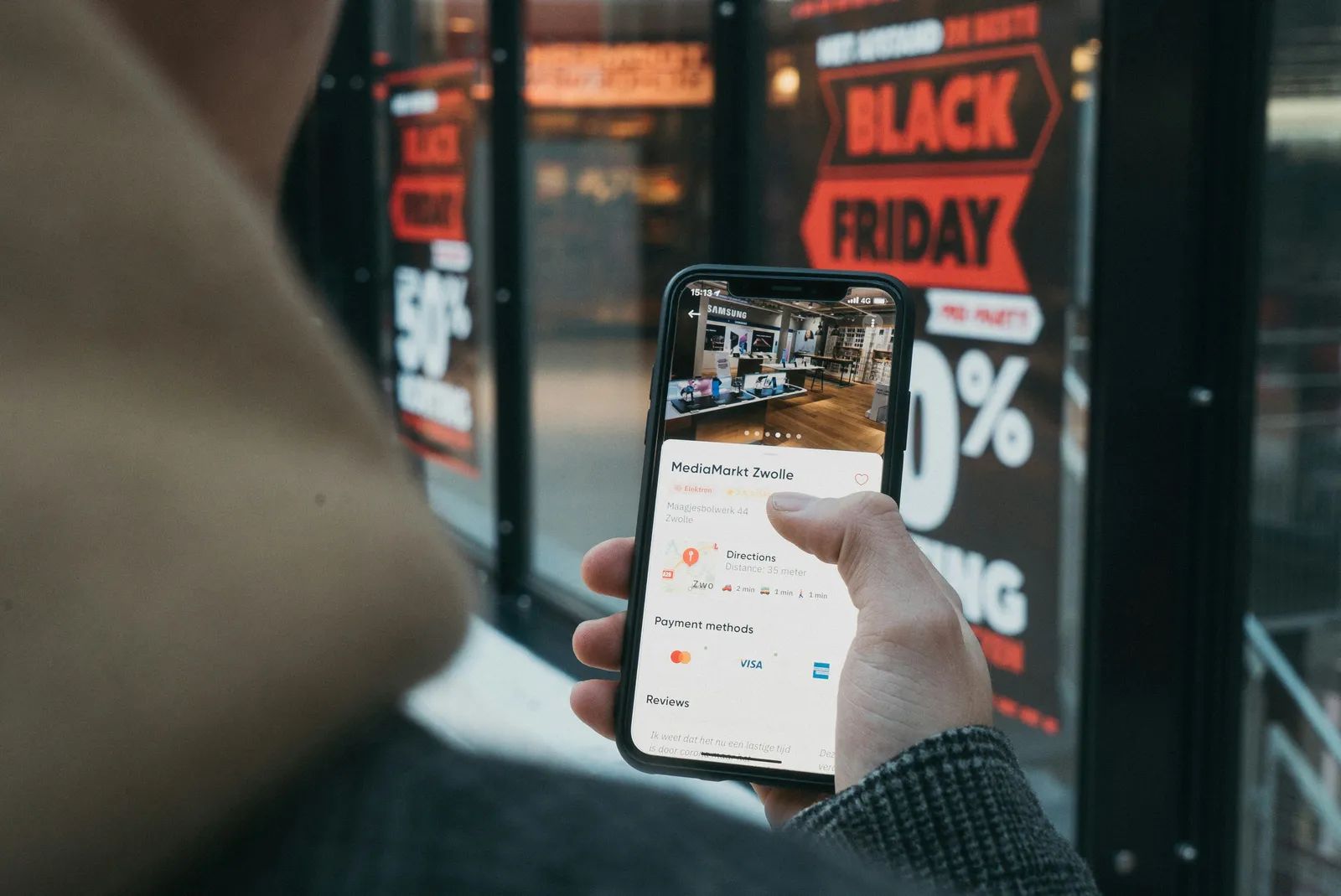
As November arrives each year, retailers across the United States prepare for one of the busiest shopping periods, with Black Friday and the surrounding Cyber Week offering deep discounts on everything from electronics to household staples. Shoppers who plan ahead often find the timing advantageous for securing gifts and essentials without overspending, though the event also carries risks of impulse buys that lose value quickly. The key lies in distinguishing between strategic opportunities and items better left on the shelf.
Strategic Timing for Holiday Needs
Black Friday has long served as a reliable window for purchasing gifts ahead of December celebrations. Retailers typically roll out their steepest reductions during this stretch, allowing buyers to secure popular items before shipping delays intensify closer to the holidays. This approach also helps avoid last-minute price spikes that can occur in the final weeks of the year. Beyond gifts, the period provides a chance to stock up on everyday household items. Bulk purchases of personal care products, pet supplies, and basic clothing often see meaningful price cuts that can stretch a household budget further over the following months. Planning these acquisitions in advance turns the sales into a practical tool rather than a source of unnecessary spending.
Clearance Opportunities on Seasonal Goods
Retailers use the high traffic of Black Friday to move out older inventory, creating openings for discounted out-of-season merchandise. Patio furniture, summer apparel, camping equipment, and previous-generation electronics frequently appear at reduced prices as stores prepare space for new arrivals. Shoppers who focus on these categories rather than the most heavily promoted winter items can uncover stronger value. This clearance dynamic rewards those willing to look beyond the main holiday displays. Items that do not align with immediate seasonal demand often carry deeper markdowns because stores prioritize clearing space over maximizing margins on every product.
Perks That Extend Beyond the Sticker Price
Limited-time bundles and loyalty incentives appear more frequently during this window than at other points in the year. Gift sets in categories such as beauty and cookware, combined with extra reward points or cashback offers, can increase the overall return on each dollar spent. Many retailers also extend return windows well into January and offer price-matching guarantees, giving buyers added flexibility when making decisions. These layered benefits make the period attractive for planned purchases, provided shoppers compare total value rather than focusing solely on the advertised discount. Stacking available promotions often yields results that exceed what individual sales provide outside peak season.
Items Better Avoided During the Rush
Certain categories consistently deliver weaker results on Black Friday. Ultra-cheap electronics marketed specifically for the weekend sometimes feature lower-grade components and reduced specifications compared with standard models. Winter apparel tends to see only modest reductions in November, with larger clearances typically arriving in January. Toys often reach their lowest prices in the final weeks before Christmas rather than during the earlier sales push. Trend-driven accessories and clothing present another area of caution. These items can quickly feel dated, leading to regret once the initial excitement fades. In contrast, core wardrobe pieces that fit an established list of needs tend to hold value longer when quality remains a priority.
Putting Savings to Broader Use
The advantages of Black Friday extend past individual purchases when shoppers consider how to apply the savings. Redirecting a portion of the money saved toward charitable organizations or community support can amplify the impact of the season. International and local groups focused on animal welfare, conservation, and direct aid frequently benefit from such contributions during the holidays. Approaching the sales with clear priorities helps maintain control over spending while still capturing meaningful discounts. The result is a more measured experience that aligns purchases with actual needs rather than promotional pressure.