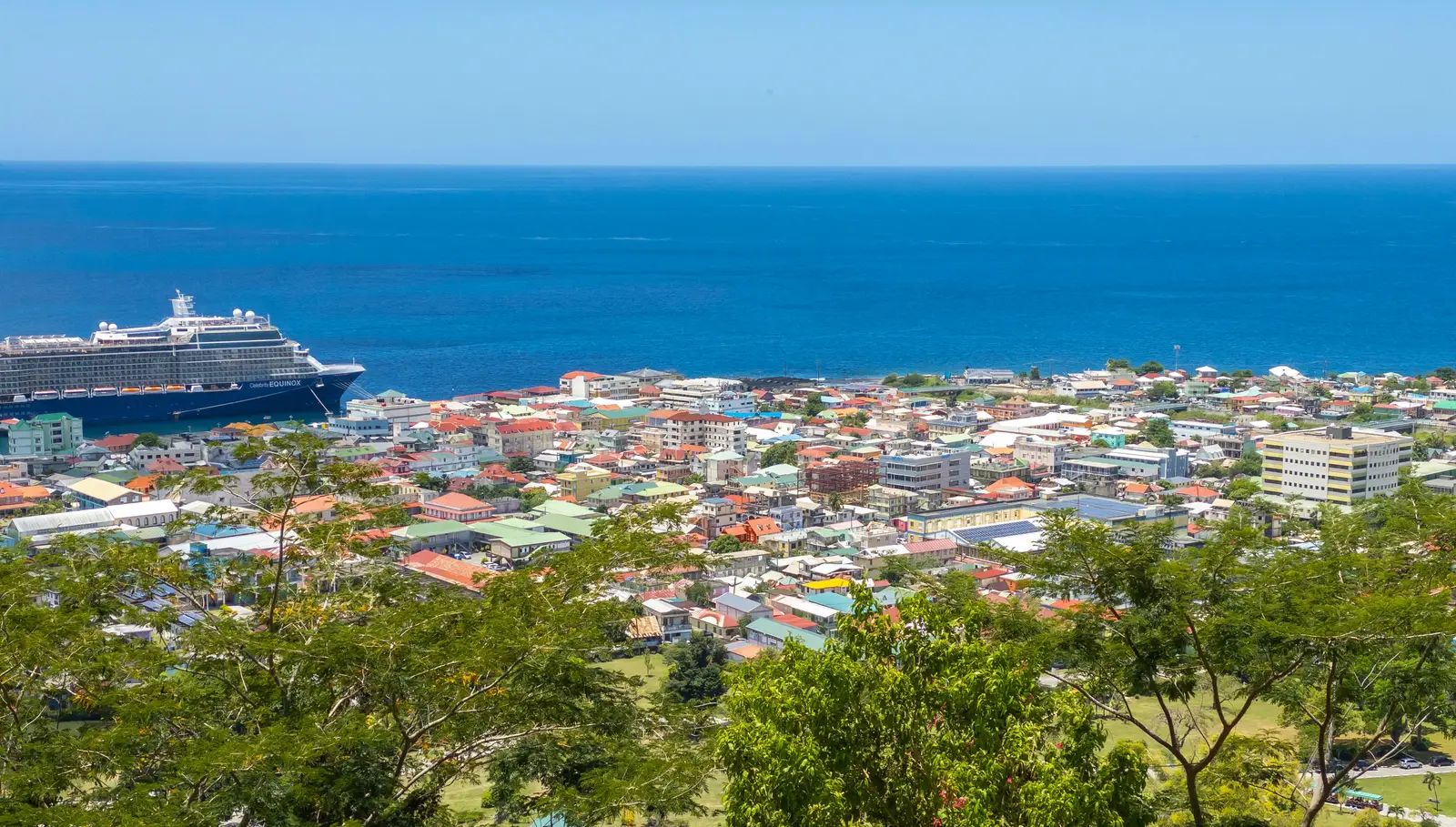
Dominica stands out among Caribbean destinations for its rugged terrain and limited infrastructure, qualities that shaped a six-day visit in December 2025. A traveler who arrived expecting an unspoiled paradise instead encountered narrow, potholed roads, persistent rain, and the practical difficulties of moving between sites on an island still recovering from major storms. The experience highlighted both the island’s natural appeal and the effort required to reach it.
Rebuilding After Major Storms
Dominica has faced repeated setbacks that continue to affect daily life and tourism. Tropical Storm Erika in 2015 brought deadly flooding and landslides, followed two years later by Hurricane Maria, which caused damage estimated at 1.37 billion USD – more than twice the country’s GDP at the time. Thirty people died and a similar number went missing. Reconstruction remains ongoing, with visible effects on roads and services. Many visitors arrive by cruise ship for short excursions or connect through other islands because the main airport cannot accommodate large jets. The island’s small population of roughly 70,000 people and its focus on nature rather than beach resorts keep mass tourism at bay.
Getting Around Proved Demanding
Road conditions stood out as the most immediate obstacle. The drive from Douglas-Charles Airport in the northeast to accommodations in the northwest took nearly two hours instead of the estimated one, with narrow lanes, deep side trenches, and frequent switchbacks. Darkness fell during one such trip, adding to the tension as oncoming trucks passed without lights. Travelers who rented a car quickly learned that local driving habits and road quality demanded constant attention. Some sections near the capital offered smoother pavement, yet interior routes remained rough enough to slow progress to a crawl. These conditions traced directly to storm damage and ongoing repairs.
Nature and Weather Shaped Daily Plans
Rain fell in prolonged sheets throughout the stay, turning planned hikes into wet slogs and leaving clothes damp for days. Activities such as a boat trip on the Indian River offered peaceful moments amid tall palms, while visits to geothermal pools in Wotten Waven provided warm relief after hours outdoors. Short trails in Cabrits National Park and stops at coastal spots near Portsmouth revealed calmer waters and sunset views, though the island offers few wide sandy beaches. The Emerald Pool inside Morne Trois Pitons National Park delivered lush forest scenery, yet reaching many sites required backtracking on poor roads. Persistent showers meant flexibility became essential.
Who Finds Value in the Experience
Dominica suits visitors who accept physical effort and variable conditions in exchange for dense rainforest and geothermal features. Those seeking reliable infrastructure, easy beach access, or extensive dining options may find the island frustrating. Practical adjustments can improve a trip. Hiring local drivers reduces stress on the roads. Staying closer to Roseau for part of the visit places travelers nearer restaurants, tours, and better-maintained routes. February through April typically bring the driest weather. Booking accommodations and activities ahead helps during peak periods when small properties fill quickly. Dominica rewards preparation and realistic expectations more than most Caribbean stops. Its combination of natural beauty and logistical hurdles makes it a destination best approached with patience rather than assumptions of effortless paradise.