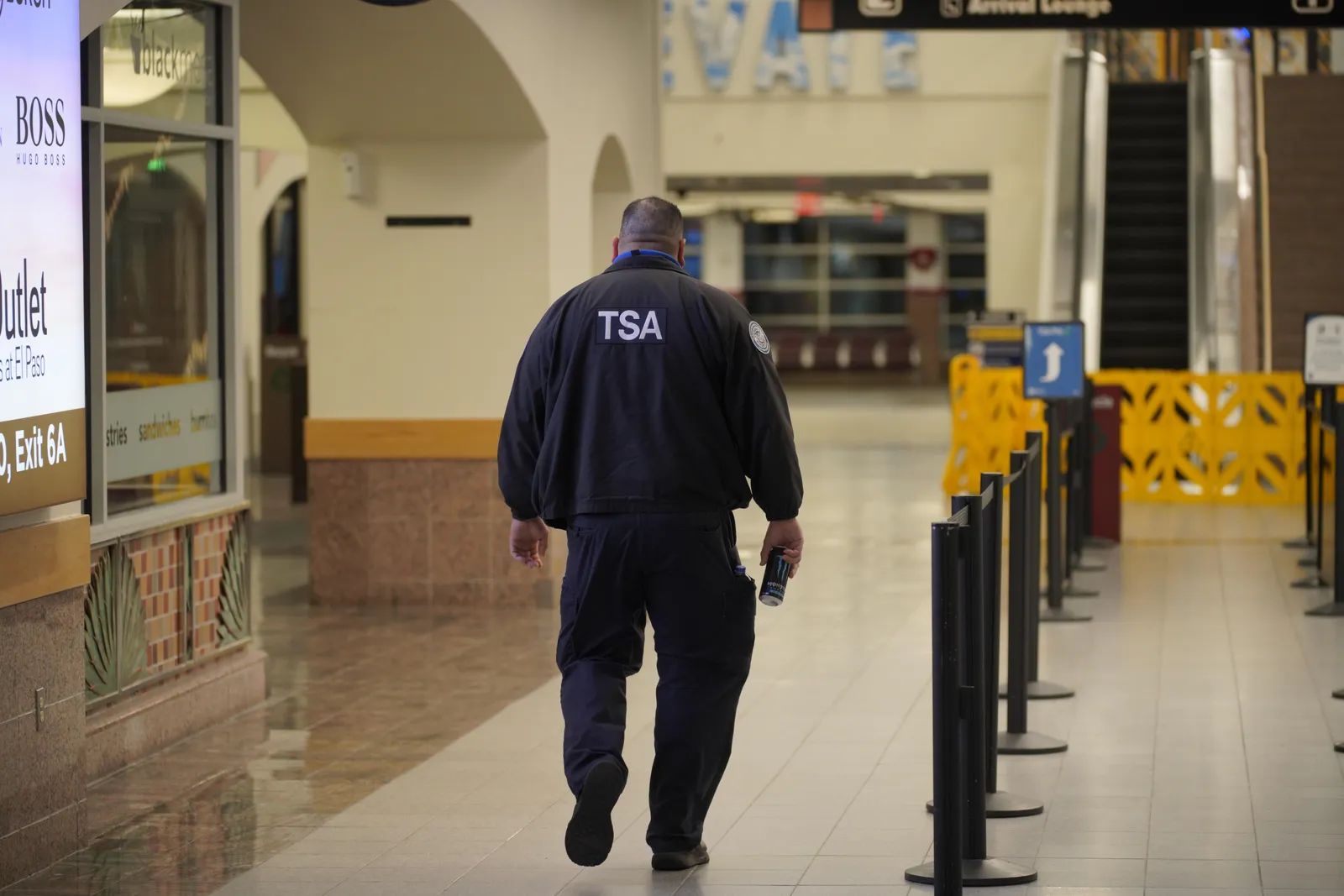
Most people know the checkpoint isn’t the place for stand-up comedy. The warnings are on signs, in announcements and all over travel advice. Still, officers keep hearing the same handful of phrases, and the results are rarely good for the person who said them.
The five below come up again and again in TSA guidance, news coverage and legal commentary. Some are jokes and some are excuses. All of them give a security officer a reason to slow down, call someone over, or bring in the police.
1. “I’ve Got a Bomb in My Bag”
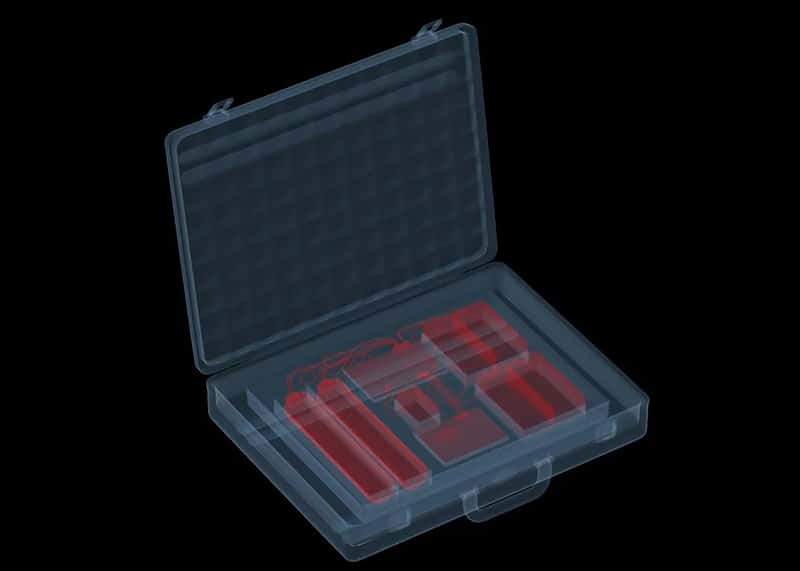
This is the classic, and it hasn’t gone away. TSA has broadcast a warning in airports saying that jokes or statements about bombs or threats during screening may lead to civil and criminal penalties and could make you miss your flight.[1] An academic paper on checkpoint culture also noted that people continue to be arrested for jokes about bombs, anthrax, and security policy despite that warning.[1]
TSA’s own list of don’ts, as relayed by Yahoo, is blunt: if you joke about bombs or explosives, expect a visit from local police officers.[2] The same list also points out that sarcasm has its places, and the security checkpoint isn’t one of them.[2] One older case shows how far a single remark can spread. A traveler casually mentioned carrying C4 before an Avianca flight from Miami to Bogota, and the resulting evacuation and bomb squad sweeps delayed hundreds of flights.[3]
2. “What If I Had a Gun?”
Hypothetical phrasing doesn’t make a weapons joke safer. Aviation lawyer Anton Radchenko warned that even pretending to have a weapon, or asking “What if I had a bomb?”, is enough to trigger serious alarms.[4] His advice was simple: you could be detained or even arrested, so it’s best not to joke about these things at the airport at all.[4]
The prop version of the joke can cause trouble too. Radchenko said that toy guns, water pistols, and even realistic-looking keychains resembling weapons can delay or cancel flights.[4] Reader’s Digest’s rundown of what TSA notices makes the same point about “bad things” talk. It says that means bombs and firearms, and discussing them will get you pulled aside.[5]
3. “I Forgot That Was in There”
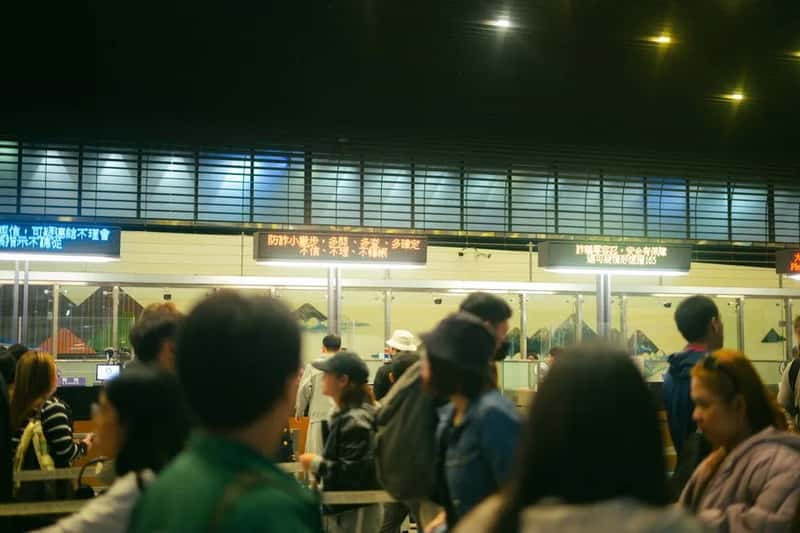
This line usually shows up after something real has appeared on the X-ray screen. It’s not a rare problem, either. According to a recent roundup, TSA reported that officers intercepted 6,678 firearms at checkpoints in 2024, and roughly 94 percent of them were loaded.[6] That’s a lot of people explaining themselves at the belt.
TSA’s guidance is clear about what to do instead. The proper way is to pack an unloaded firearm in a locked, hard-sided case and declare it at the airline check-in counter for transport as checked luggage.[2] Whatever the item is, “I forgot” doesn’t change what the screen shows. A quick check of your bag before you leave home avoids the conversation entirely.
4. “I Don’t Have My ID, But I’m Sure It’s Fine”
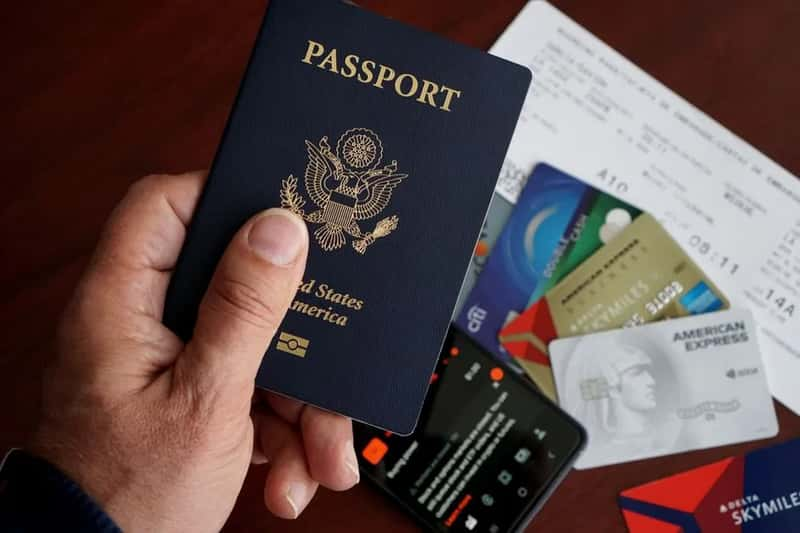
This one has gotten more expensive. The federal government began requiring a Real ID, or another document such as a U.S. passport or passport card, to board a domestic flight as of May 7, 2025.[7] Then February 1, 2026 marked the first time TSA imposed a fee to enforce the rule.[7]
Adults without an acceptable document can pay $45 to use an optional alternative identity verification system called TSA ConfirmID.[7] Paying doesn’t guarantee anything. The process can take 10 to 30 minutes, and TSA warns that identity verification isn’t guaranteed.[8] Once verified, checkpoint access is available for up to 10 days.[8] Saying “it’ll be fine” at the podium won’t help, so check the star on your license well before travel day.
5. “It’s Almost Empty, So It Should Be Okay”
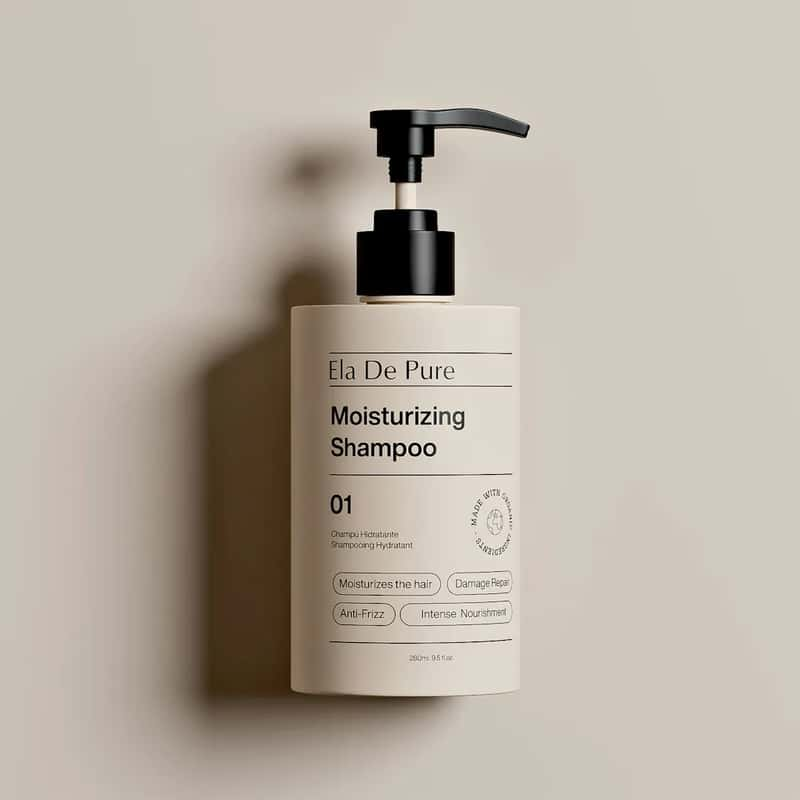
The liquids rule has been around for about two decades, and travelers still argue with it. Headlines about relaxed rules fuel the confusion, but the 3-1-1 rule hasn’t changed in 2026: containers of 3.4 ounces or less, all inside one quart-size bag, one bag per passenger.[9] Some airports with newer CT scanners do let passengers leave liquids in their bags. Even so, at all other U.S. checkpoints the 3.4 ounce limit applies.[10]
The “almost empty” defense doesn’t work, because the rule looks at the container. A half-empty 6-ounce shampoo bottle fails screening even though it holds less than 3.4 ounces of liquid.[11] There are real exceptions, though. Medically necessary liquids, gels and aerosols above 3.4 ounces are allowed in carry-ons if you declare them to officers for inspection.[12] Declaring them up front works far better than arguing at the bin.
None of these phrases is complicated to avoid. Each one either treats a serious subject as a joke or asks an officer to bend a rule that isn’t theirs to bend. Officers are trained to take statements and behavior at face value, and they can’t tell a joker from a real threat in the moment.
The better approach is dull but effective. Pack with care, carry the right ID, know the liquids rule, and keep your remarks about the weather and your gate number. You’ll save time, and you’ll skip a conversation with airport police that nobody wants to have.