Anyone who flies a handful of times a year eventually develops a personal rulebook for getting through an airport without losing their mind. Those rules rarely come from an airline pamphlet. They come from missed flights, awkward moments in security lines, and watching other travelers make the same mistakes over and over.
Frequent flyers tend to agree on a short list of habits that separate a smooth trip from a stressful one. Some of it comes down to timing, some of it comes down to plain courtesy, and a surprising amount of it has nothing to do with the airline at all. Here are the five behaviors seasoned travelers say you should avoid every single time.
1. Cutting your arrival time too close
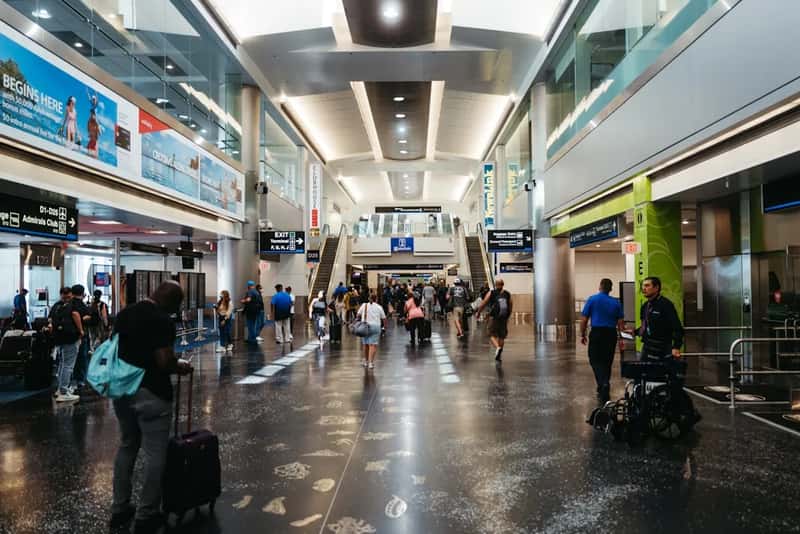
The classic advice still holds up in 2026, even if it feels outdated to some travelers. Official TSA guidance recommends that travelers arrive at least two hours before scheduled domestic flights and three hours before international departures, giving passengers enough time to check bags, pass through security screening, and reach their gate before boarding begins.[1] That buffer matters more than ever right now, since travelers have been facing canceled and missed flights, increased TSA wait times, and greater uncertainty, prompting multiple airports to change the guidance they give travelers on how early to show up.[2]
Some airports have gone the opposite direction lately, actually asking passengers not to arrive too early because it creates its own bottleneck. One major Texas airport noted there is no need to line up more than four hours before a flight, as this causes congestion for those flying out sooner, while recommending 2.5 hours for domestic flights and three hours for international ones.[3] The real lesson experienced flyers share is less about a fixed number and more about checking your specific airport’s current advisory, since the “right” arrival window has become a moving target depending on staffing and season.
2. Blocking the flow of foot traffic
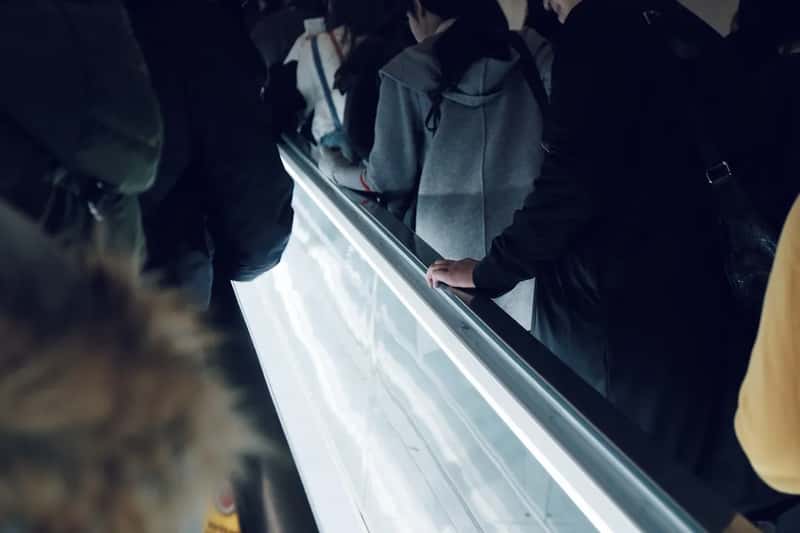
Airports are built around constant, fast-moving pedestrian traffic, and frequent flyers treat the terminal accordingly. One travel expert compares the escalator, and the airport terminal at large, to a major highway, advising travelers to stand on the right and walk on the left, since whether it’s a moving walkway, an escalator, or a wide concourse, the left lane is always the passing lane.[4] Standing two-wide on an escalator or drifting sideways while checking a phone might seem harmless, but it adds up fast in a crowded terminal.
There’s even a name for one of the more irritating versions of this habit. According to a podcast host who covers travel, stopping abruptly in any high-traffic area can seriously impede the flow of movement, and in some cases can mean the difference between another traveler making their flight or missing it, with standing still in the middle of the escalator steps being one of the biggest giveaways of an inexperienced traveler.[4] Experts have taken to calling sudden stops in the middle of a concourse the “Concourse Halt,” a small habit that creates outsized frustration for everyone walking behind you.
3. Waiting until the last second to get ready for security
Nothing frustrates a security line faster than the person who waits until they’re standing at the checkpoint to start searching their bag for liquids or fumbling for an ID. Frequent flyers know to have their digital boarding pass saved to their phone wallet, their ID at the ready and their reusable water bottles emptied before even approaching the initial TSA podium.[4] This isn’t just a personal convenience move, it genuinely changes how quickly the whole line moves.
As one etiquette expert bluntly put it, waiting until you reach the front of the TSA line to start digging for your ID, taking liquids out or removing shoes slows everything down for hundreds of people behind you.[4] The fix is almost embarrassingly simple: prep everything while you’re still walking through the line, not once you’re standing in front of the agent.
4. Arguing with TSA agents
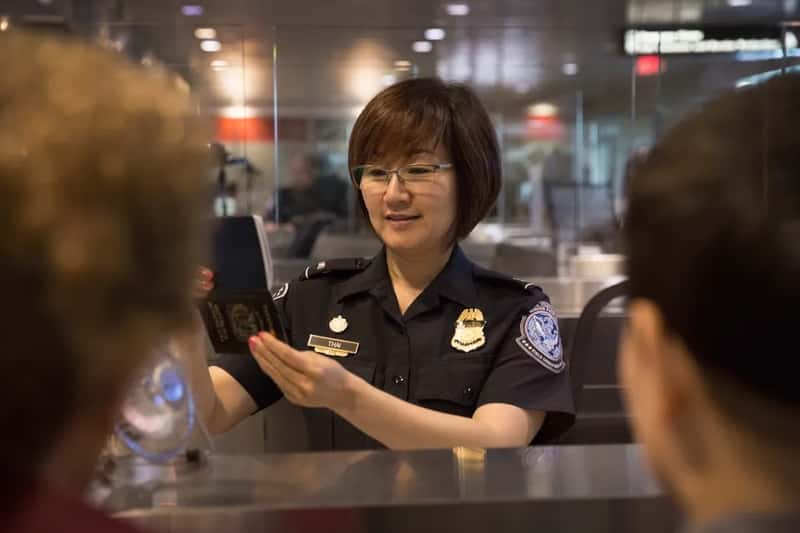
It’s tempting to push back when a screener confiscates something that seems harmless, but flight crews who go through security constantly say arguing never helps. One flight attendant explains that keeping your cool is essential, advising travelers to do exactly what TSA says, with no sass and no shortcuts, because arguing will only make the process more stressful.[5] She’s also seen firsthand how unpredictable enforcement can feel in the moment, noting she’s seen the craziest things get confiscated, from peanut butter to hummus to an apple corer, but not knitting needles, skateboards, or ice skates.[5]
Rushing through the line doesn’t help either, and can actually backfire. Hurrying only slows travelers down, since trying to rush or showing frustration tends to invite extra scrutiny instead of saving time, while calm, steady progress keeps everything moving.[5] The best move, according to people who fly weekly for work, is to treat the checkpoint like a routine task rather than an obstacle worth debating.
5. Treating the gate area like your personal living room
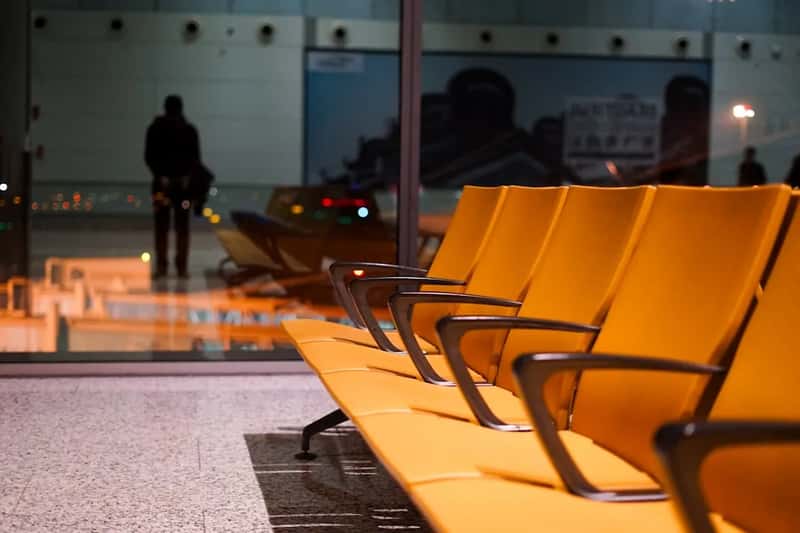
Gate seating is limited, especially during peak travel hours, and spreading bags, coats, and laptops across three seats is a habit frequent flyers notice immediately. The airport is not your home, and travelers don’t have free rein to spread out and take up a whole row of seats.[4] It sounds like a small thing, but during a full boarding rush it can mean the difference between someone finding a seat near the gate or standing for an hour.
The same courtesy extends to phone calls on speaker, video watching without headphones, and camping out in front of the boarding door before your group is even called. None of these habits will get flagged by an airline, but they’re the small frictions that experienced travelers say quietly define whether a terminal feels calm or chaotic. Good airport etiquette, more than any hack or loyalty status, tends to come down to simply being aware that dozens of strangers are trying to get somewhere too.
None of these five habits require special status, a premium credit card, or years of travel experience to fix. They’re really just small adjustments in timing and awareness, the kind of thing that becomes second nature after enough trips through a crowded terminal. Skip them, and the difference in how smoothly a trip unfolds tends to show up fast.