
Anyone can buy a plane ticket. What separates a seasoned traveler from someone booking their first big trip usually shows up in the small decisions, the ones made before a bag is even packed. These habits are not about luxury or having unlimited time off. They are about paying attention to details that make travel smoother, cheaper, and less stressful.
Watch a group of travelers at any airport gate and you can often guess who has done this before. It is rarely about designer luggage or a perfectly curated outfit. It is in how they move, what they carry, and how little they seem to worry about things going wrong.
1. They pack light and pack smart

Experienced travelers tend to treat checked luggage as a last resort rather than a default choice. Carry-on only travel avoids baggage fees that have crept up across major airlines, with many U.S. carriers now charging between 35 and 40 dollars for a first checked bag on domestic flights as of 2025. It also removes the risk of lost luggage, a problem that still affects millions of bags globally each year according to aviation data trackers like SITA’s Baggage IT Insights reports.
Beyond avoiding fees, packing light is a mindset shift. Frequent flyers often rely on versatile clothing that can be layered or mixed across several days, cutting the total volume of what they bring. They also tend to know airline size restrictions by heart, since gate agents have gotten stricter about enforcing carry-on dimensions as flights run fuller than they did before the pandemic recovery.
2. They build in buffer time instead of cutting it close
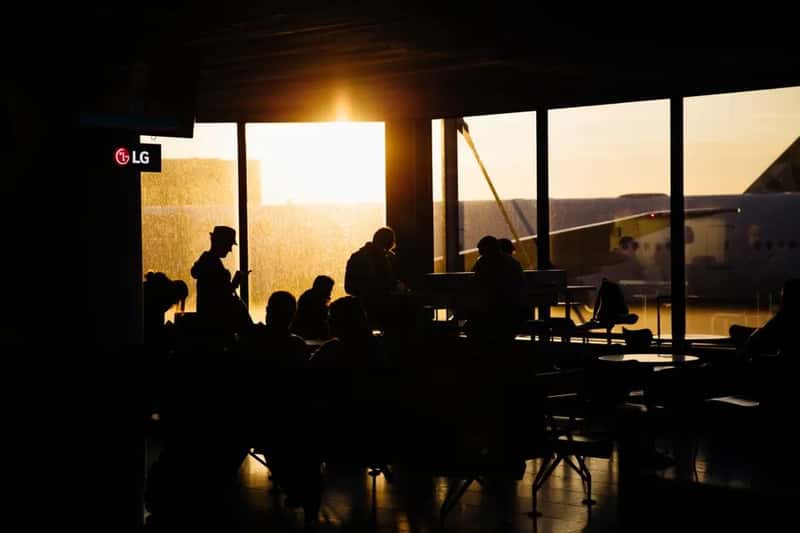
New travelers often schedule connections with barely enough time to make it between gates. Experienced ones do the opposite, deliberately leaving room for delays, security lines, or a gate change on the other side of a sprawling terminal. This matters more now than it used to, since flight delays have remained a persistent issue, with the U.S. Bureau of Transportation Statistics reporting that roughly one in five domestic flights arrived late in recent years.
This buffer thinking extends past flights themselves. Seasoned travelers rarely book anything tight right after landing, whether that is a tour, a train, or a dinner reservation, because they have learned that airports rarely run exactly on schedule. That extra hour or two is not wasted time. It is insurance against the ordinary chaos of modern air travel.
3. They research entry requirements well before departure
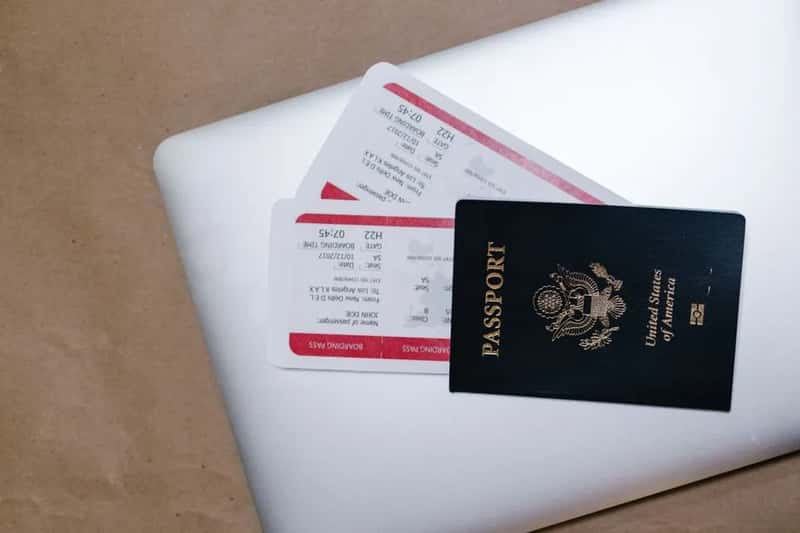
Visa rules, transit permissions, and passport validity requirements shift more often than most travelers realize, and frequent flyers know to check rather than assume. Many countries require passports to be valid for at least six months beyond the travel dates, a rule that has caught out plenty of first time travelers at check in counters. Digital entry systems have also expanded quickly, with the European Union’s ETIAS system, delayed multiple times, now expected to require pre travel authorization for visa exempt visitors once it becomes mandatory.
Experienced travelers also double check requirements closer to the trip rather than relying on information from months earlier, since policies can change with little public notice. They tend to keep digital and physical copies of key documents, understanding that a single overlooked requirement can derail an otherwise well planned itinerary. This habit reflects less about paranoia and more about having been caught off guard once before.
4. They diversify how they pay and carry money abroad

Relying on a single card or a stack of cash is a rookie move that experienced travelers tend to avoid. Many carry at least two payment cards from different networks, since not every country or vendor accepts Visa and Mastercard equally, and having a backup avoids being stranded if one card is blocked for suspected fraud. Foreign transaction fees have also pushed frequent travelers toward cards specifically designed for international use, since standard fees can run around 3 percent per purchase, which adds up quickly on longer trips.
Cash still matters, particularly in regions where card acceptance remains inconsistent, but seasoned travelers withdraw smaller amounts more frequently rather than carrying large sums at once. They also tend to notify their banks before departure or use apps that flag international activity automatically, reducing the odds of a frozen account mid trip. This layered approach to money is less about being overly cautious and more about avoiding a single point of failure.
5. They travel with fewer fixed plans and more flexibility

Overplanning is often a beginner’s instinct, while experienced travelers tend to loosen their grip on rigid itineraries. Booking every hour of every day sounds efficient, but it leaves no room for weather changes, closures, or simply discovering something better once on the ground. This flexible approach has become easier to justify as remote work and extended stays have grown, with the number of countries offering digital nomad visas expanding significantly since 2020.
Seasoned travelers usually commit early only to things that require it, like major transportation or highly sought after reservations, and leave the rest loose. That flexibility lets them adjust to local conditions, whether that means a transit strike in Europe or an unexpected festival worth staying an extra day for. It is not about having no plan at all, but about knowing which parts of a trip are worth locking down and which are better left open.
Frequent travelers do not necessarily have more time or money than anyone else. They have simply run into enough friction over the years to know where it usually comes from, and they build habits around avoiding it before it happens.