Somewhere between booking the flight and boarding it, a lot of good intentions quietly turn into bad habits. We tell ourselves this trip will be different, slower, more present, less frantic. Then the itinerary fills up, the notifications keep pinging, and by day three we’re exhausted in a beautiful place, wondering why relaxation feels so much like work.
The strange part is that these patterns aren’t random. Travel researchers and industry surveys have spent the last couple of years mapping exactly why so many trips end up feeling more draining than restorative. A few habits keep showing up again and again, and they’re worth naming plainly.
1. Packing the itinerary like it’s a competitive sport
There’s a particular kind of exhaustion that comes from trying to see everything a destination has to offer in a single trip. Five cities in seven days sounds efficient on paper, but in practice it often means spending more time in transit and checking boxes than actually experiencing anywhere. One of the most meaningful travel trends is the movement from seeing everything to experiencing fewer places more deeply, shifting away from five cities in seven days toward one region for seven days, which can create a stronger connection with the destination.[1]
This isn’t a minor stylistic preference. In 2026, more travelers are slowing down, not out of laziness, but for sanity, with roughly two thirds saying relaxation and mental reset are their top priorities and more than half saying traveling at a slower pace helps clear their head, as the jam-packed itinerary loses its appeal.[2] If the goal of a vacation is to feel restored rather than depleted, cramming in one more landmark rarely helps.
2. Letting social media pick the destination for you

It’s easy to end up somewhere because it looked good on a screen rather than because it actually fits what you needed from a trip. Academic research on this pattern has a name for it: fear of missing out, or FOMO, and it’s now formally studied as a driver of travel decisions rather than just an internet buzzword. Fear of missing out refers to the anxious feelings about not engaging in an experience or something valuable, which triggers anxiety and compulsive behaviors.[3]
The consequences go beyond a slightly mismatched trip. Research indicates that anticipated elation, anticipated envy, and social influence are associated with personal FOMO, which in turn predicts intentions to visit and recommend a destination.[4] When a location is chosen for how it will look to other people rather than how it will feel to actually be there, the mismatch tends to surface once you arrive and the crowds, the queues, or the price tag don’t match the fifteen-second clip that sold you on it.
3. Chasing the same hotspots everyone else is chasing
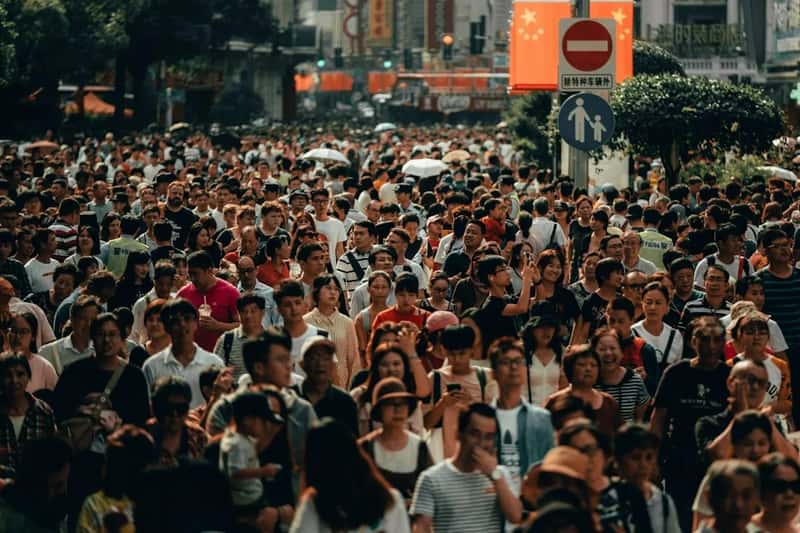
Popular destinations earn their popularity for a reason, but piling into them at the same time as everyone else has a real cost. Overtourism is now a serious concern, with local communities pushing back against unchecked visitor numbers, and since 2024 there has been a seven-percentage-point increase in travelers who say they would avoid a destination specifically due to overcrowding.[2] That shift isn’t happening in the abstract; it’s showing up in booking data.
Over a third of travelers now actively seek out quieter destinations, and nearly a third plan to visit popular places only in shoulder seasons, while roughly a third report that overcrowding has already negatively impacted their travel experience.[5] Sticking rigidly to whatever destination is trending, without checking the season or the crowd levels, is one of the more reliable ways to turn a dream trip into a logistical headache.
4. Refusing to build in unstructured downtime

There’s a persistent belief that a good vacation means constant motion, that stillness equals wasted time. But that mindset is exactly what leaves people needing a vacation from their vacation. Choosing calmer places isn’t really about chasing authenticity so much as a nervous-system response, a preference for places where you don’t have to constantly navigate friction, whether social, physical, or ethical.[6]
The pull toward stillness is showing up in booking behavior too, not just sentiment. Booking data suggests silence is becoming a defining travel preference, with online searches for quiet vacations climbing sharply as wellness tourism itself is now valued at over a trillion dollars.[7] Skipping the unstructured hours, the ones with nothing scheduled, tends to be the exact thing that keeps a trip from ever feeling like a break.
5. Trying to make every single decision yourself
Modern travel planning involves an overwhelming number of choices: which flight, which neighborhood, which of forty restaurants, which of a dozen tours. Making all of it manually, without any outsourcing or curation, quietly adds up to a kind of pre-trip burnout before the suitcase is even packed. This pattern reveals cognitive collapse rather than a taste for luxury; people are already maxed out before they leave home, because travel used to promise freedom through choice, and now choice itself feels like labor.[6]
Industry data backs up how widespread this fatigue has become. As cognitive overload becomes a defining feature of modern life, decision-light travel is no longer a niche wellness add-on but a core expectation, particularly among time-poor, high-stress travelers, reshaping high-end trips by replacing endless options with curated choices.[8] Handing off some of the planning, whether to a curated package, a travel advisor, or simply a shorter shortlist of options, isn’t a failure of independence. It’s often the difference between a trip that restores you and one that just relocates your stress somewhere with better weather.
None of these habits are dramatic on their own. A packed itinerary, a destination chosen from a feed, a popular hotspot in peak season, a schedule with no gaps, a refusal to let anyone else make a decision for you: each one seems reasonable in isolation. Stacked together, though, they add up to the kind of vacation that leaves people needing a few days just to recover from their days off.