Everyone loves the idea of a tropical escape, but sticker shock from Caribbean resorts or Maldives overwater bungalows can kill the dream fast. The good news is that plenty of genuinely stunning, palm-lined destinations still let you eat well, sleep comfortably, and explore freely without draining your savings. Below are five places where, dollar for dollar, you’ll typically get roughly three times the value you’d get in pricier beach destinations, backed by real 2026 cost data rather than guesswork.
Each of these spots pairs warm water and lush scenery with a cost of living that simply hasn’t caught up to Western price tags yet. Some are seeing prices creep up as word spreads, so there’s a real argument for visiting sooner rather than later.
1. Vietnam
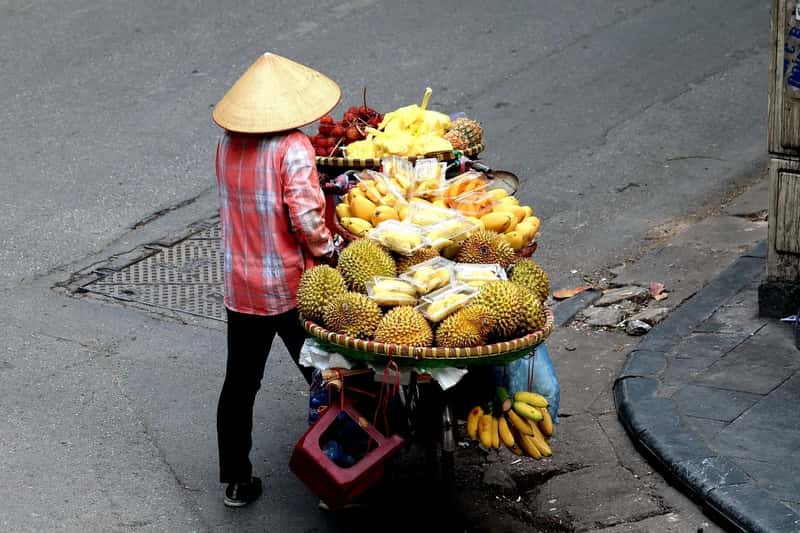
Vietnam remains one of the best value destinations in Southeast Asia, even as prices have risen somewhat in recent years. A comfortable one-month backpacking trip in 2026 runs between $900 and $1,400, plus $150 to $250 for inter-city transport. Street food keeps daily costs remarkably low, with dorms in Hanoi’s Old Quarter running $8 to $12 a night and a bowl of pho in a tourist area costing between $2.50 and $4. For travelers who want more comfort than a hostel dorm but aren’t chasing luxury, the comfortable independent tier lands around $60 to $100 a day.
It’s worth noting that inflation has nudged prices upward. Vietnam’s inflation reached 5.6% in May 2026, the highest since early 2020, and tourist-facing accommodation and services now run 10 to 20% above 2024 levels. Even so, the country remains a bargain compared to Western beach destinations, and route planning matters a lot. Phu Quoc and central Hoi An run 1.5 to 2 times the national midpoint, while Hue and Mekong towns sit 30 to 40% below average for comparable accommodation. With beaches, jungle, mountains, and coastline all in one country, Vietnam offers tropical variety that few other budget destinations can match.
2. The Philippines
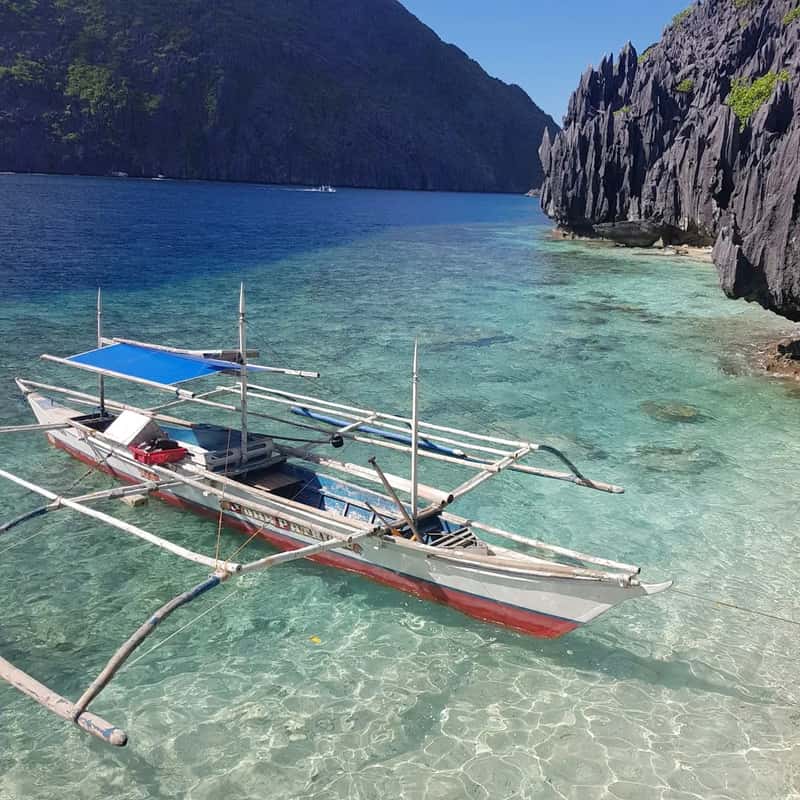
With more than seven thousand islands to choose from, the Philippines rewards travelers who slow down and stick to one region rather than island-hopping constantly. The Philippines is one of the cheapest countries in Southeast Asia to travel, a backpacker’s paradise where $30 to $50 per day buys comfortable accommodation, three meals, local transport and activities. Street food and local eateries keep meal costs tiny, since consuming street food and local Filipino cuisine costs as little as $1 to $3 per meal, whereas international dining is much pricier.
3. Sri Lanka

Sri Lanka has long been a favorite among backpackers, and while its economy has stabilized since the 2022 crisis, it remains a standout value destination in Asia. Budget travelers can often manage on roughly 25 to 50 US dollars per day, covering dorms or simple guesthouses, local meals and public transport, while mid-range travelers commonly spend 60 to 120 dollars per day. Local dining is where the real savings show up, since sticking to local staples like kottu roti and hoppers is the most affordable way to dine, with these popular items typically ranging from $1.50 to $5.00 per serving.
The exchange rate has also worked strongly in visitors’ favor lately. The USD is strong against the Sri Lankan rupee, approximately 300 to 310 per dollar as of 2026, meaning daily costs that would buy very little in the US go a long way in Sri Lanka, covering accommodation, food, transport, and activities with money to spare. A trip here means tea plantations, ancient temples, leopard safaris, and surf beaches all within a few hours of each other. As one detailed cost breakdown put it, for $1,000 USD, a couple can easily spend 10 to 14 days traveling comfortably, staying in nice guesthouses, and seeing all the major sights.
4. The Dominican Republic
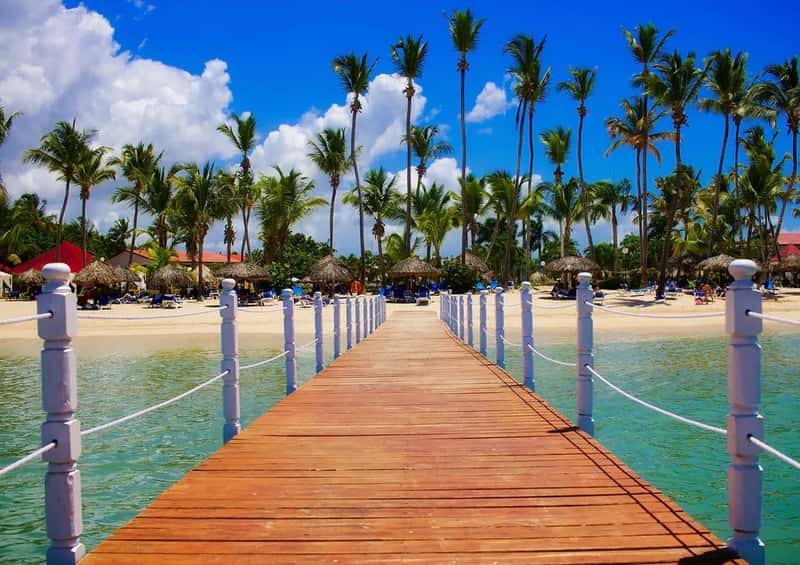
Unlike the other entries on this list, the Dominican Republic proves that Caribbean beaches don’t have to come with Caribbean prices, especially if you avoid the big all-inclusive brand names during peak weeks. Monthly costs for a couple are between $1,200 and $2,000 including rent, with utility costs also reasonable at an average monthly cost of basic utilities of $60. Even short vacation stays can be surprisingly cheap outside the main resort corridors, since you can snag beachfront rooms in Puerto Plata for $72 per night, breakfast included, while an all-inclusive in the Maldives can run $600 or more a night.
Timing your trip makes an enormous difference here. Hurricane season, running June through November, is where the true bargains hide, with September being the cheapest month as rates at most 3 and 4 star all-inclusives fall 30 to 50%. For travelers willing to accept a bit of rain risk, that’s a huge opportunity to snag a beach vacation at a fraction of peak-season pricing while still getting plenty of sunshine.
5. Nicaragua
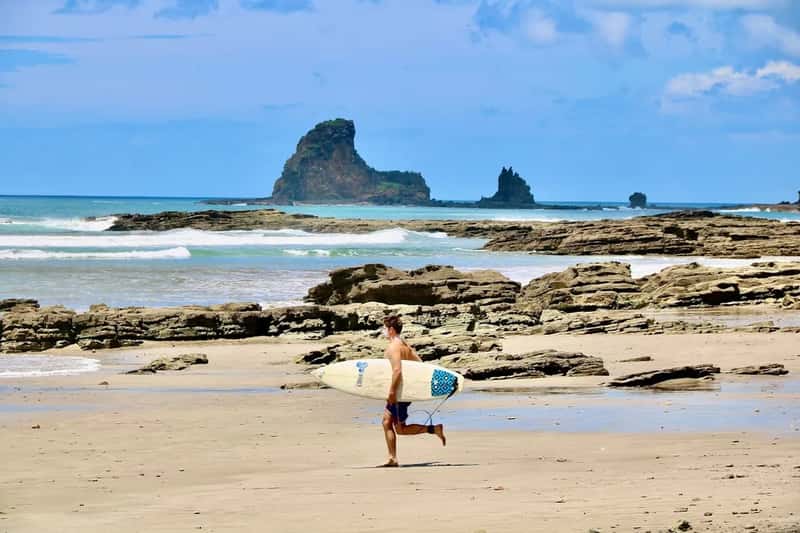
Nicaragua is often overshadowed by neighboring Costa Rica, but that’s exactly what keeps it affordable. It offers volcanic lakes, colonial towns, world-class surf breaks, and the laid-back Corn Islands, all at a fraction of Costa Rican prices. A typical traveler spends around $66 per day on a trip to Nicaragua, based on the expenses of other visitors. Budget-focused travelers can do even better, since a budget traveler spending two weeks in Nicaragua can expect to spend $300 to $670 USD, not including international flights, assuming hostel accommodation, local food, chicken buses, and selective activities.
Food costs are especially forgiving for anyone willing to eat where locals eat. Daily food and drink prices range from $5.40 for travelers sticking to local street food to $24 for those dining at tourist restaurants. The catch is that popularity is rising fast, and as one long-time guide to the country notes, as its popularity continues to grow, you can only expect the costs to continue to rise, so now is really the time to visit Nicaragua, while it remains somewhat undiscovered. For travelers chasing uncrowded beaches and a genuine bargain, that window won’t stay open forever.
What ties these five destinations together isn’t just cheap beer or budget hostels. It’s the combination of favorable exchange rates, low-cost local food scenes, and infrastructure that’s improved enough to make travel easy without the prices that come with that convenience elsewhere. None of this means cutting corners on safety or comfort. It simply means your travel budget covers more days, more meals out, and more excursions than it would in destinations where tourism has already driven prices sky-high.
Currency swings and inflation do shift these numbers year to year, so it pays to check current exchange rates before you book. Still, the underlying appeal holds steady. Warm water, good food, and a slower pace of life don’t have to come with a luxury price tag, and for now, these five spots prove it better than almost anywhere else on the map.