Ask Americans to name a mountain getaway and you’ll hear the same few places over and over. Meanwhile, plenty of smaller gateway towns get treated as a gas stop on the way to somewhere famous. Yet these towns hold more than a parking spot and a coffee shop.
One caveat first. Nobody tracks “underestimated” as a statistic, so this list is a judgment call. It rests on visitation figures, tourism data and the way these places are usually described. The five towns below pair a big natural or cultural draw with a character of their own, and each one rewards a longer look.
Estes Park, Colorado
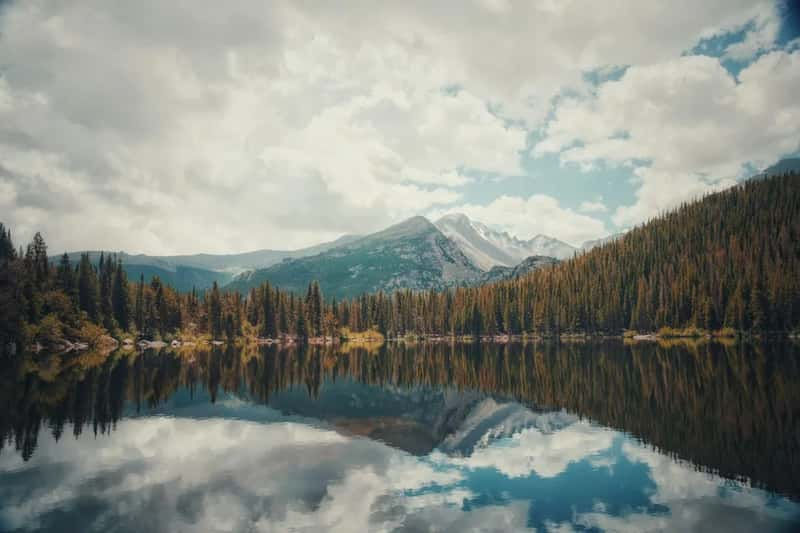
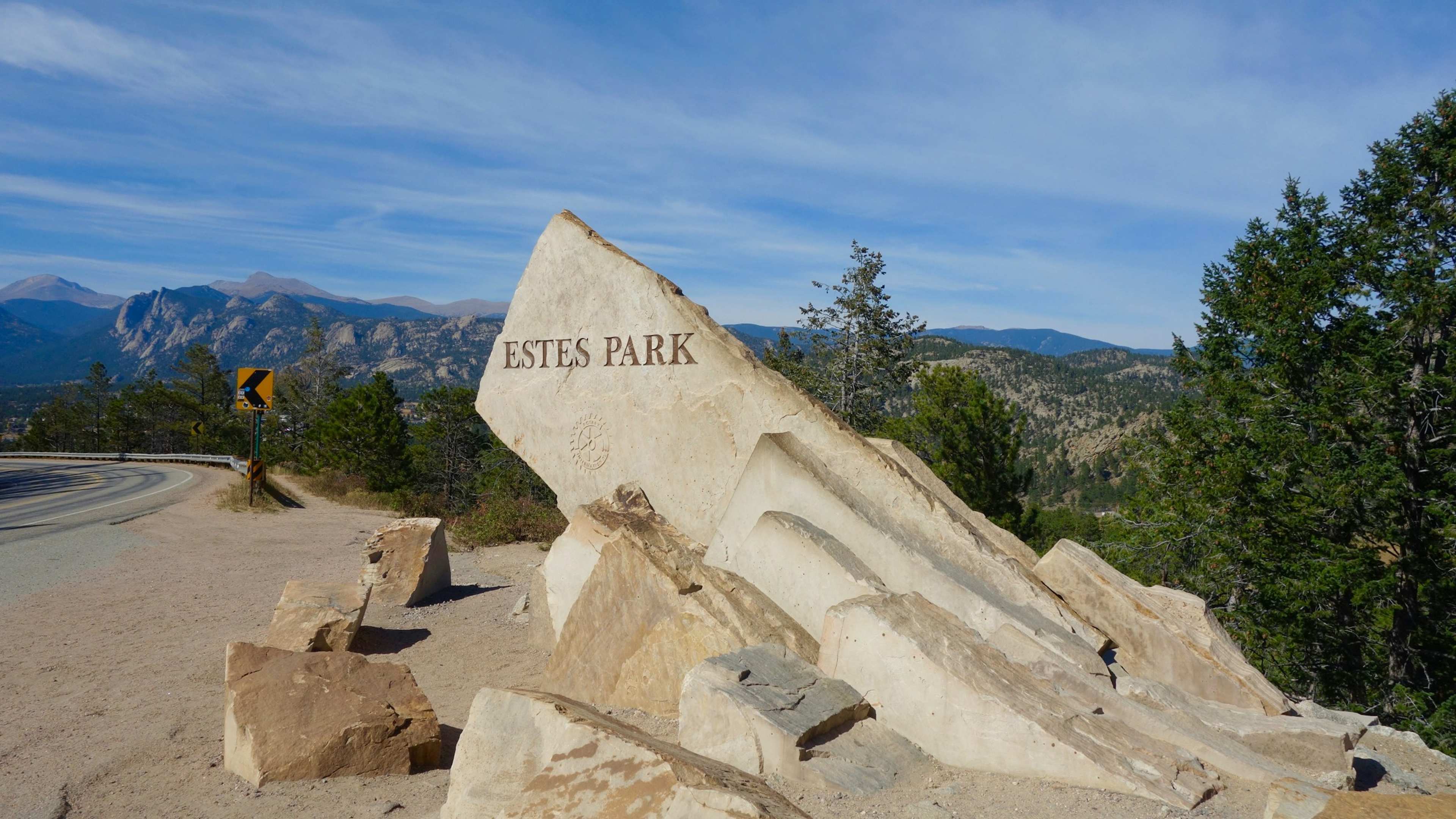
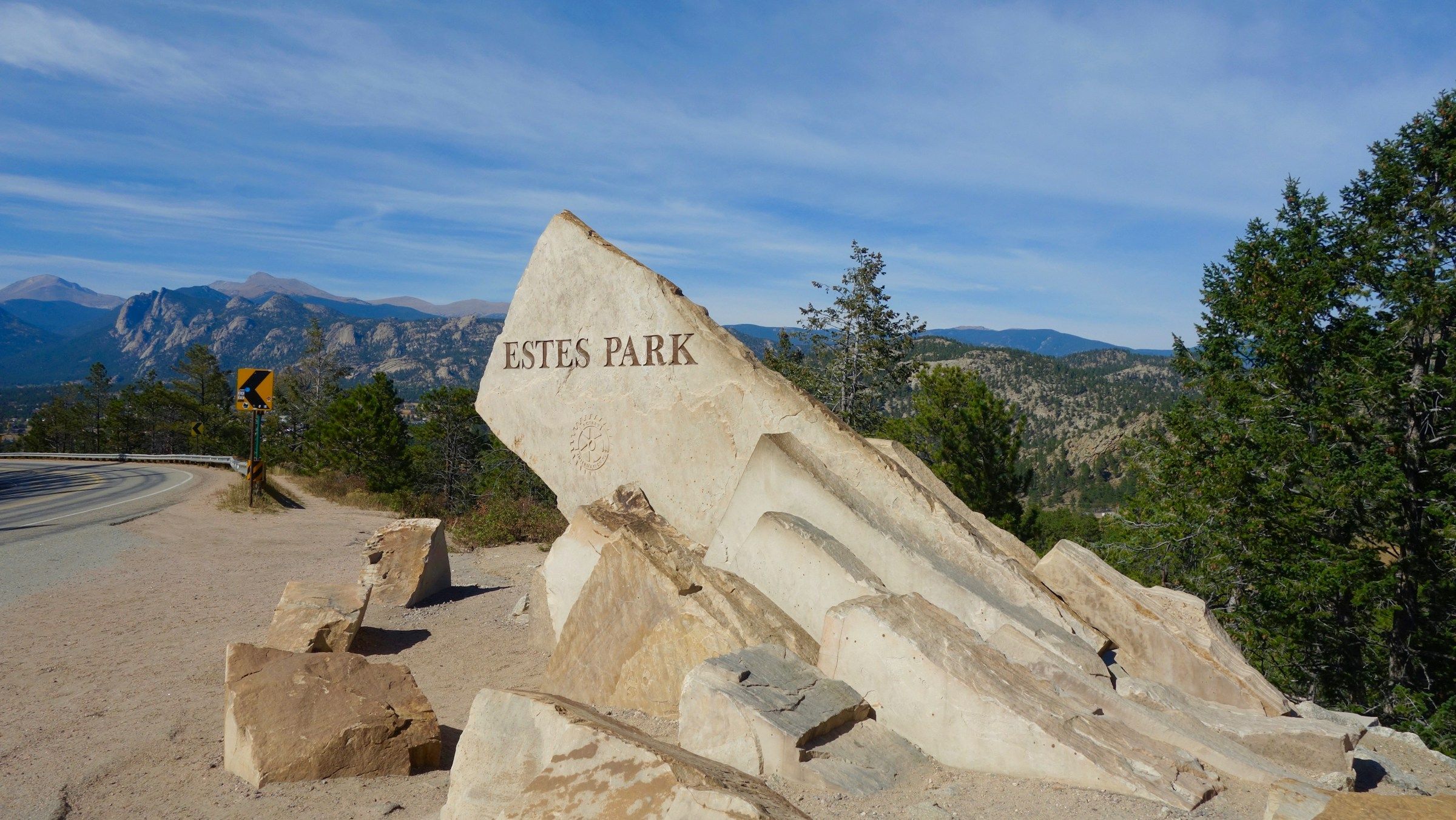
Estes Park sits at the main entrance to Rocky Mountain National Park, and the numbers show how popular that park is. The park recorded 4.17 million recreation visits in 2025, making it the sixth most visited of 63 national parks that year.[1] Many drivers treat the town as a checkpoint on the way in. It has its own downtown, a riverside walk and a long mountain-resort history.
Planning matters here. Rocky Mountain National Park required timed entry reservations during peak season in 2025, from May 23 to October 19.[2] International travelers also face a new cost. Starting January 1, 2026, they pay a nonresident fee of $100 per person on top of the standard entry fee.[3] Estes Park’s mayor said in November 2025 that he believes the increases will drive down tourism.[3] That makes Americans the town’s most important audience, so it’s worth staying a night or two instead of rushing through.
Whitefish, Montana
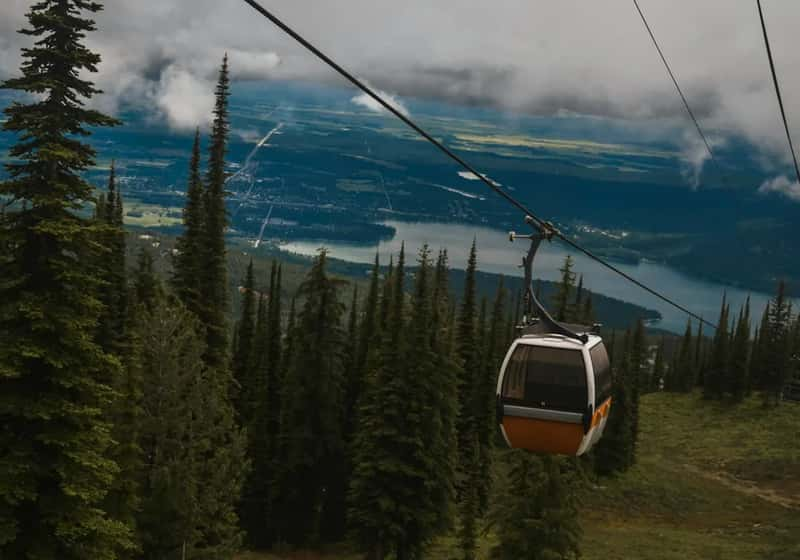
Whitefish is a former railroad town in northwest Montana, and it has become a year-round destination. The town grew up around rail service, and its historic depot is still served daily by Amtrak’s Empire Builder.[4] It’s best known for skiing at Whitefish Mountain Resort and for its access to Glacier National Park, roughly a 30-minute drive away.[4] You can paddle the lake in the morning and ride a gondola in the afternoon.
The visitor data shows the town’s appeal. July 2025 visitor spending reached about $15.65 million, up 23% from the previous July.[5] The top international origins that month were Canada, Australia, the United Kingdom, Germany and New Zealand.[5] Domestic travelers still make up most of the spending, so this isn’t only a foreign favorite. Still, Canadian visitation to Montana fell about 41% between 2024 and 2025, according to University of Montana tourism researchers.[6] Explore Whitefish’s director said a rise in visitors from other states more than made up for the drop.[6] American travelers are clearly filling the gap, and Whitefish rewards them for it.
Taos, New Mexico
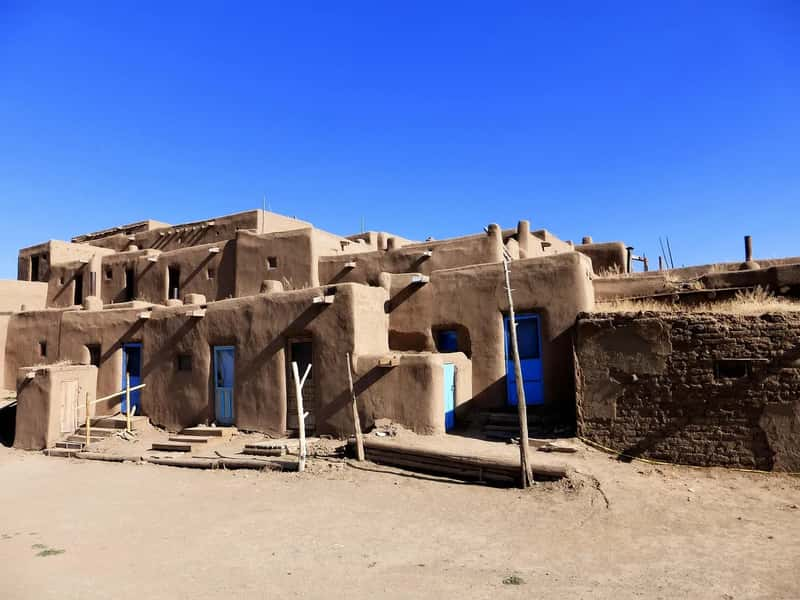
Many Americans picture Taos as an art colony and nothing more. Its mountain credentials are just as strong. The town sits at about 7,000 feet in New Mexico’s high desert, roughly 45 miles from the Colorado border.[7] Nearby Taos Ski Valley starts around 9,207 feet at its base and climbs to 12,481 feet at Kachina Peak.[8] The resort is also an Ikon Pass destination, which gives it a global audience of mountain travelers.[8]
The cultural draw is the Taos Pueblo. It is one of the longest continuously inhabited communities in North America, with more than 1,000 years of history, and the only living Native American community that is both a UNESCO World Heritage Site and a National Historic Landmark.[9] Its multi-storied adobe homes are still occupied today.[10] Few mountain towns offer a day that combines a 12,000-foot ski mountain with a living World Heritage site. Visitors should check opening hours in advance, since the pueblo closes at times for ceremonies.
Bryson City, North Carolina
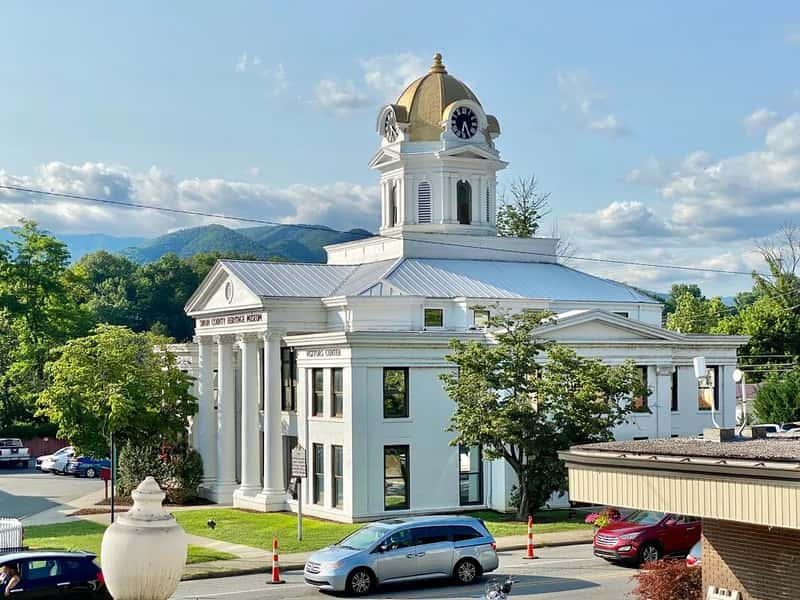
The Great Smoky Mountains draw crowds, but not all of them reach Bryson City. The national park counted about 11.5 million visitors in 2025.[11] Most of them head for Gatlinburg and Pigeon Forge, the busy gateway towns on the Tennessee side. Bryson City has about 1,500 residents and is described as tiny but big on views and outdoor adventure.[12] Roughly forty percent of the park lies in Swain County, which makes the town a quieter base than the Tennessee side.[13]
The activities here lean toward the slow and scenic. Visitors can rent a tube and float Deep Creek, or watch elk at dawn and dusk in Cataloochee Valley.[14] The Great Smoky Mountains Railroad also runs from town past rivers and gorges.[14] The Smokies aren’t among the 11 parks, including Glacier, Yellowstone and Zion, that now charge foreign visitors the extra surcharge.[15] That keeps costs lower for visitors from abroad, though the town still tends to be bypassed.
Leavenworth, Washington
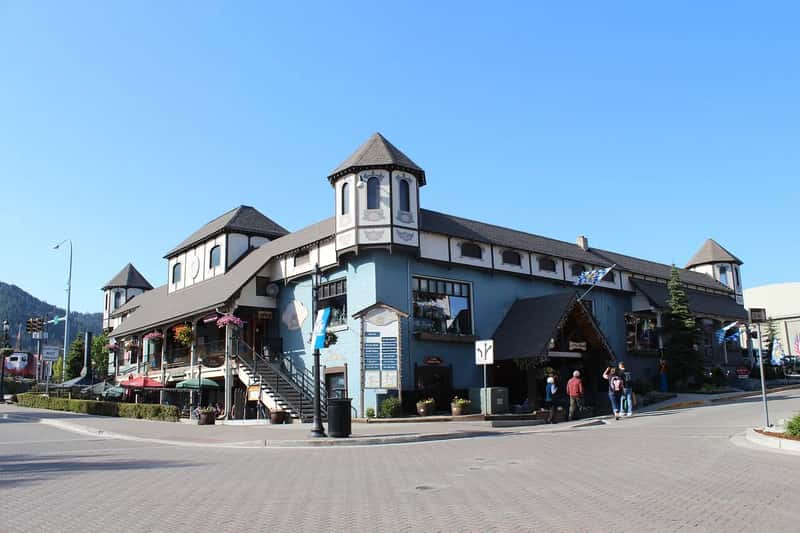
Leavenworth is a small town in the Cascade Mountains of central Washington, and it has built its identity around a Bavarian theme. The look is deliberate. Locals adopted it in the 1960s as a way to revive a town that had lost its older industries. Some visitors dismiss it as a theme park, yet the setting is real, with forested peaks and rivers nearby and hiking, rafting and skiing within easy reach.
Its seasonal events are the biggest draw. The town is best known for its Oktoberfest and its December Christmas lighting festival, and both bring large crowds from across the Pacific Northwest. Weekends can be packed, so a midweek trip or a shoulder season visit gives a calmer look at the town. I couldn’t verify recent visitor counts or a breakdown of international travelers, so treat Leavenworth’s inclusion here as a recommendation, not a measured ranking.
These five towns share one thing. Each sits beside something famous, whether a national park, a ski mountain or a World Heritage site, and each has more going on than the label suggests. Americans often treat them as stops on the way to the main event. If you plan a trip to any of them, give the town itself a night or two.
Mountain towns are rarely at their best when you rush through them. Slow down, and a small place can become the best part of the trip.