
For decades, the classic retirement dream centered on a big house, a two-car garage, and miles of open road. That picture is shifting fast. More retirees now say they want to ditch the daily drive altogether, trading it for a short stroll to coffee shops, pharmacies, and doctor’s offices. Walkability has quietly become one of the most searched-for qualities in retirement research, and it’s reshaping which towns end up on best-places-to-retire lists in 2026.
The appeal isn’t just about convenience. Health researchers and retirement planners alike point out that daily walking supports both body and mind, while pedestrian-friendly downtowns naturally encourage more social contact than car-dependent suburbs. Below are six American towns that keep showing up in recent research and rankings as places where retirees can genuinely live without needing a car for every errand.
1. Media, Pennsylvania
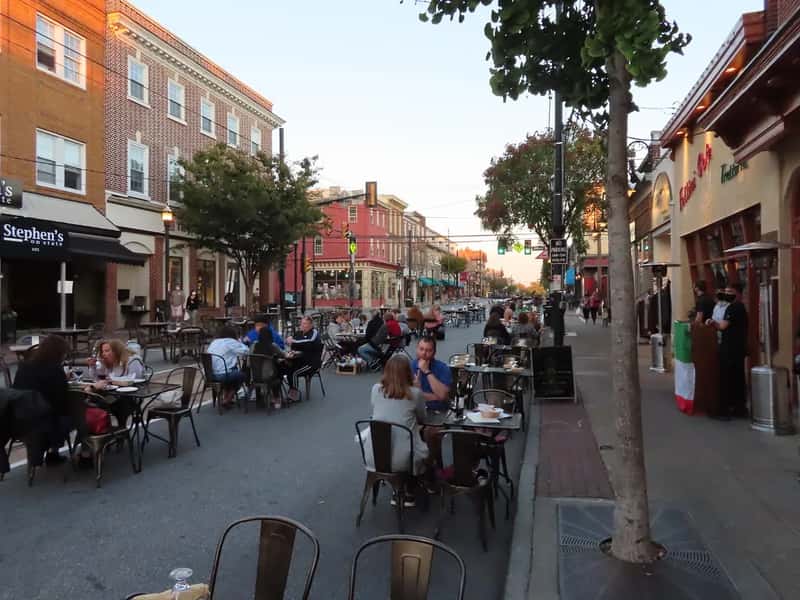
Just outside Philadelphia, Media has built a reputation as one of the most desirable walkable towns in the Northeast. Media is frequently cited as one of the most desirable walkable towns in the Northeast, featuring a classic, vibrant downtown area filled with local boutiques, diverse dining options, and cultural venues like the Media Theatre. That kind of density means residents can handle groceries, entertainment, and errands all within a few blocks.
What makes Media particularly appealing for retirees is how the town blends small-town charm with genuine urban accessibility. Media, Pennsylvania offers the perfect balance of small-town charm and urban accessibility. Retirement communities in the area have taken notice, positioning themselves close to this walkable core so residents can step outside and reach daily necessities without ever starting the car.
2. Dunedin, Florida
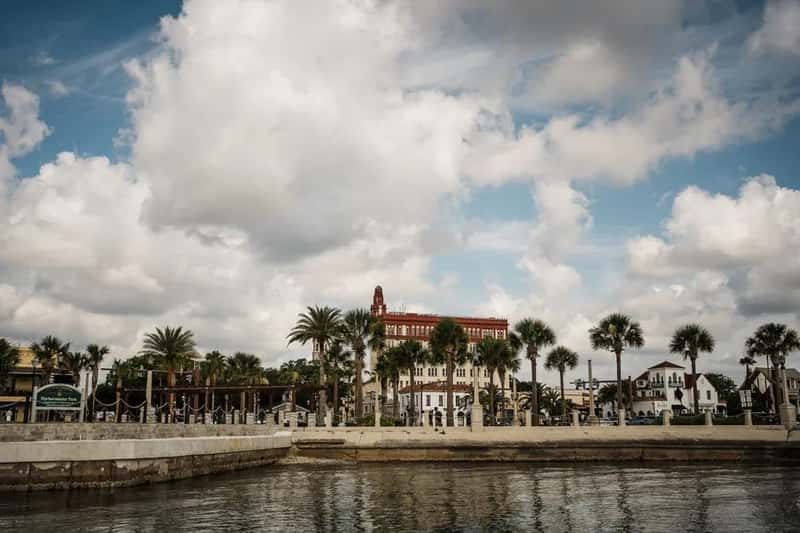
On Florida’s Gulf Coast, Dunedin has carved out a niche as a walkable alternative to the sprawling retirement communities that dominate much of the state. Dunedin, Florida provides the perfect balance of small-town charm and urban accessibility, according to retirement community research that has studied the region extensively. The town’s compact layout means shops, restaurants, and the waterfront are often within easy reach on foot.
Community life plays a big role in Dunedin’s draw for retirees who want coastal living without giving up walkability. Community Connection allows residents to fully leverage this coastal lifestyle without the burdens of home maintenance, with a quick walk to the equally walkable downtown. That combination of beach access and a pedestrian-friendly core is rare in Florida, where car dependency is often the norm even in retiree-heavy areas.
3. Maplewood, Missouri
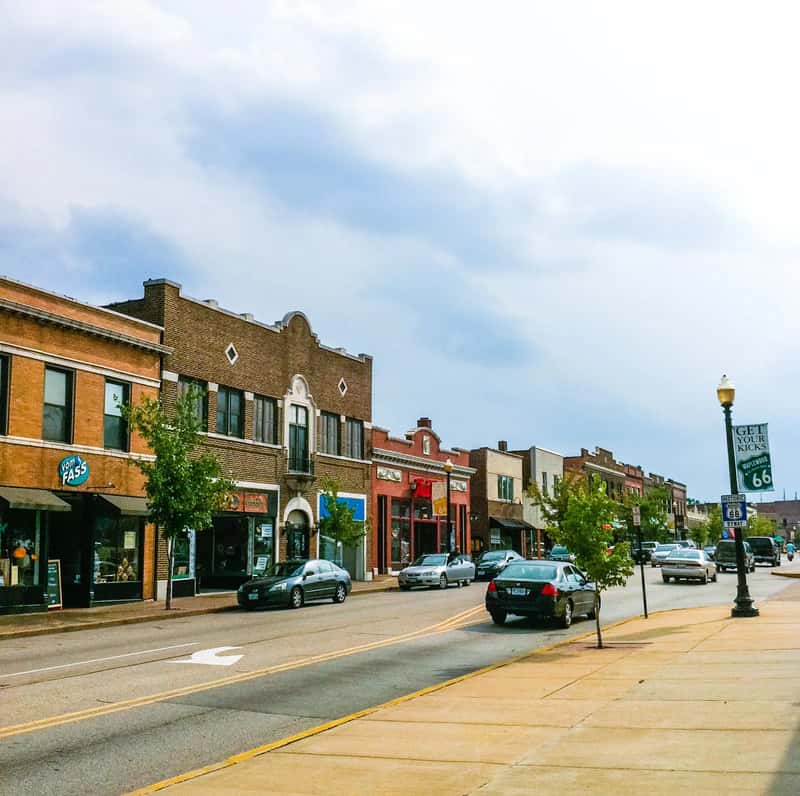
Just ten miles from downtown St. Louis, Maplewood has become something of a retirement success story. Maplewood topped GOBankingRates’ 2025 study as America’s best small retirement town, and with homes ranging from 300,000 to 500,000 dollars, retirees enjoy tree-lined streets with gingerbread houses and an 87 livability score while spending around 2,810 dollars monthly. That affordability, paired with a genuinely walkable core, is a big part of why it keeps climbing rankings.
The town’s main street culture is a major draw for retirees who want to walk rather than drive to handle daily life. For retirees who love a walkable downtown, Maplewood is the spot, with a small-town main street featuring a local butcher, a bowling alley, and plenty of great restaurants. There’s also a practical transit bonus: Downtown Maplewood has a MetroLink stop that costs 3 dollars for a trip from downtown, and residents can also connect to take MetroLink to the airport. That mix of walkability and light rail access gives retirees real freedom from car ownership.
4. Hendersonville, North Carolina
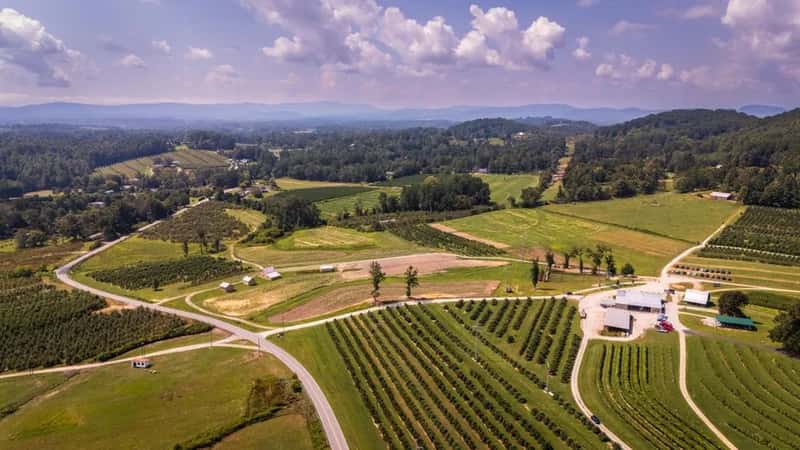
Tucked in the Blue Ridge Mountains not far from Asheville, Hendersonville has become a favorite for retirees who want mountain scenery without Asheville’s crowds and prices. If Asheville feels like it is bursting at the seams, Hendersonville is the calmer, more affordable cousin, delivering Blue Ridge Mountain scenery, four seasons, and a walkable downtown without Asheville’s traffic jams and inflated housing market. That balance of natural beauty and everyday practicality has made it a rising name in retirement research.
The town’s appeal goes beyond scenery too, since it checks the boxes that matter most for people planning retirement moves. Recent research on rising retirement destinations describes the smart approach as prioritizing towns that are not about chasing crowded beaches or overpriced metros, but quietly combine affordability, healthcare access, lifestyle, and community. Hendersonville fits that description closely, offering a walkable core alongside easy access to outdoor recreation.
5. Pella, Iowa

Iowa rarely tops anyone’s retirement wish list at first glance, yet it’s quietly earning attention for exactly the kind of walkable, community-oriented towns retirees say they want. Three of the top 10 small towns for retirement in 2026 are in Iowa, landing three spots on AARP’s list of best retirement places with a population between 5,000 and 24,999. Pella is one of them, and its historic downtown has become a defining feature of its appeal.
What sets Pella apart is how deliberately it was built around walkable community life rather than car dependency. Pella, which ranked high on AARP’s list of small towns for retirees, is home to 10,965 residents, according to data from the U.S. Census Bureau as of July 2024. To land on AARP’s list at all, towns like Pella had to score well on specific criteria that matter deeply to retirees. To make AARP’s list, these towns had to score well for factors that include community engagement, walkable neighborhoods, and access to quality healthcare. That combination of small-town intimacy and genuine walkability is exactly why places like Pella are gaining ground on retirement radars that used to skip the Midwest entirely.
What ties these six towns together isn’t luxury or scale, it’s practicality. Each one lets retirees swap a garage full of cars for a front porch and a short walk to whatever they need that day. As more research confirms the health and social benefits of pedestrian-friendly living, it’s likely that towns built this way, rather than sprawling retirement complexes designed around driving, will keep climbing the rankings that matter most to people planning their next chapter.