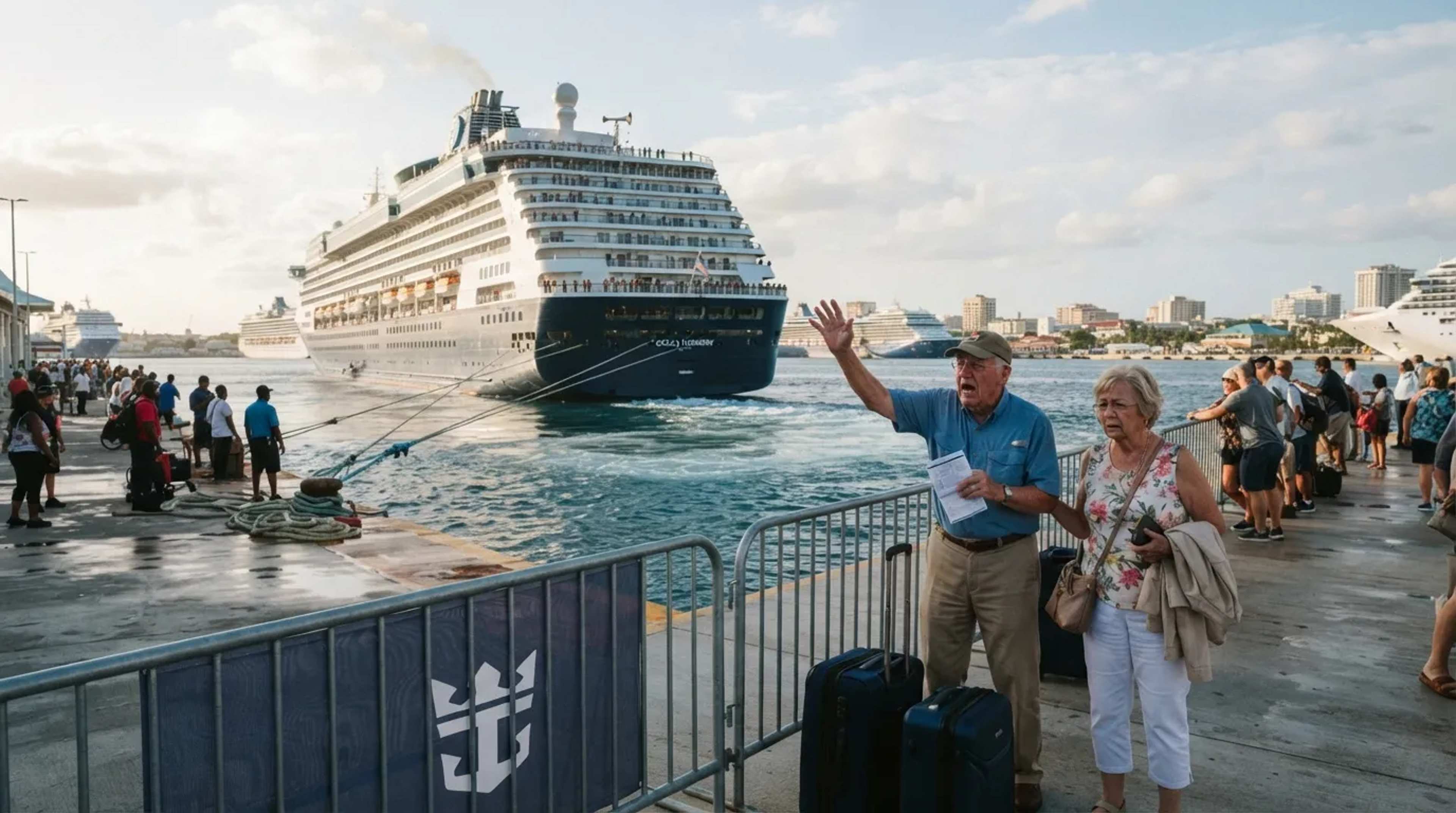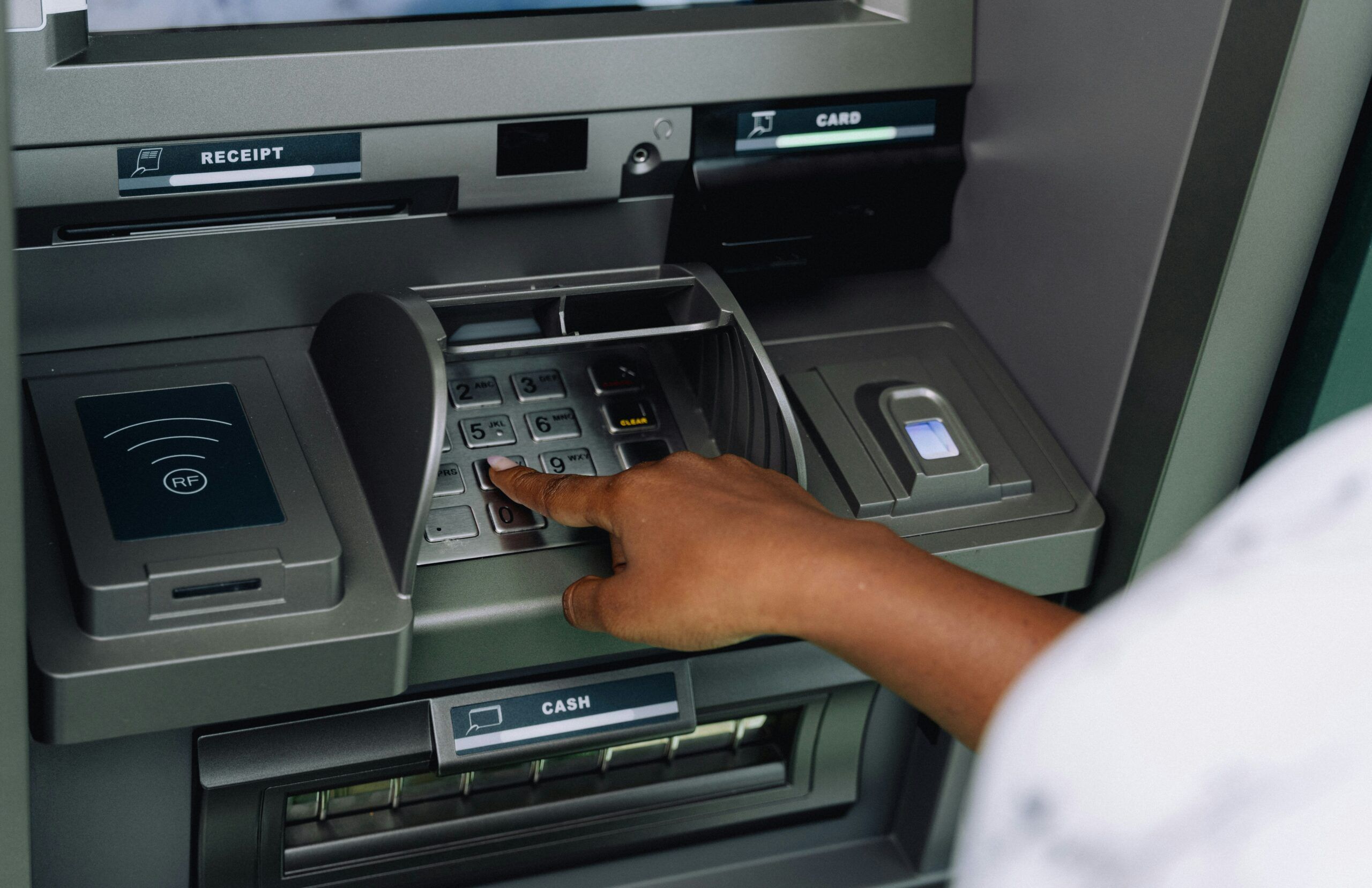
You land in a new country, find a cash machine near the arrivals hall, and pull out a few hundred in local money. The screen looks harmless. Weeks later your statement shows a handful of small charges you barely noticed at the time.
Those charges come from different places. Your bank can take a cut, the machine’s owner can take another, and the exchange rate can hide a third. Most of it is avoidable with a little preparation before you leave home.
Open an Account That Refunds ATM Fees Worldwide
Standard checking accounts tend to be the costliest option abroad. Bank of America, for example, charges $5 per non-network withdrawal abroad plus a 3 percent international transaction fee on the amount.[1] Two charges on one withdrawal add up fast, especially on a long trip.
A few accounts are built to avoid this. With Charles Schwab’s High Yield Investor Checking, any ATM fee you incur anywhere in the world gets refunded at the end of the month.[1] Fidelity Cash Management works similarly, with global ATM fee reimbursement and no foreign transaction fee.[1] One catch on the Schwab side is that you must open a Schwab One brokerage account alongside the checking account, though it can sit empty.[2]
Pick a Debit Card With No Foreign Transaction Fee
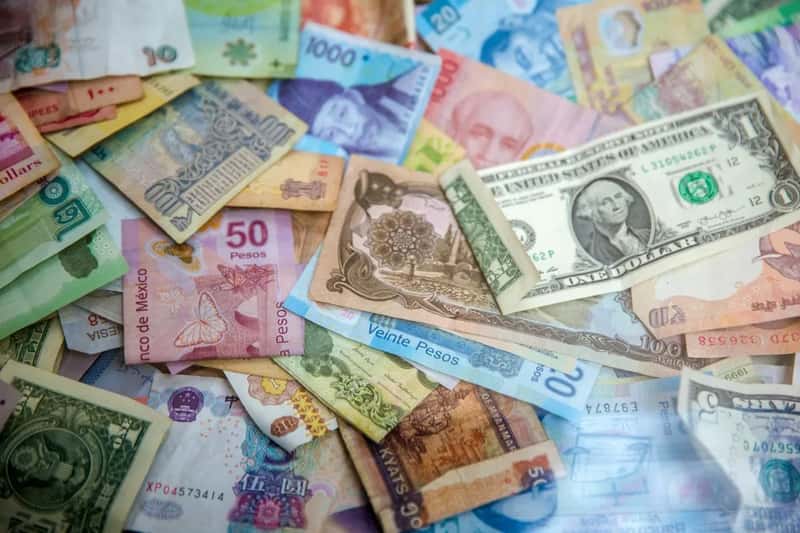
Your bank’s own international charge is separate from whatever the ATM owner adds. Many debit cards charge a foreign transaction fee of 1% to 3% on purchases and ATM transactions, applied as a percentage of the transaction amount.[3] On a large withdrawal, that percentage often costs more than a flat machine fee.
Capital One 360 Checking is a common choice here. It doesn’t charge its own foreign transaction fee and doesn’t add a fee for using out of network ATMs abroad, though it won’t reimburse what the foreign bank charges.[1] So this card removes one layer of cost but not all of them, which is why some travelers pair it with a second card that refunds machine fees.
Always Decline Dynamic Currency Conversion
Some foreign machines ask whether you’d like to be charged in your home currency instead of the local one. It sounds helpful because you see the exact amount up front. In practice the machine’s operator, not your bank, sets the rate. That operator’s exchange rate includes a markup.[4]
Estimates of the markup vary by source, but they can be steep. One 2026 guide puts it at 1 to 5 percent on card transactions and up to 12.95 percent at ATMs.[4] Visa’s own guidance says that merchants and ATMs should give you a choice to accept or decline currency conversion and must not choose on your behalf.[5] Pick the local currency every time, and let your card network handle the conversion.
Stick to Partner Bank and Major Local Bank ATMs

Where you withdraw matters as much as which card you use. Independent machines in tourist areas and airports are the ones most likely to stack on extra charges and push currency conversion. One 2026 guide suggests sticking to ATMs run by major local banks, such as BNP Paribas in France, ING in Spain, and Deutsche Bank in Germany.[6]
Some banks also have partner networks that cut costs. The Global ATM Alliance connects Bank of America customers with partner banks in dozens of countries, and using a partner ATM waives the $5 out of network fee, though the international transaction fee still applies.[1] Citibank has an international ATM network spanning 20 countries where its customers can withdraw cash without foreign transaction or withdrawal fees, as long as the ATM is Citibank branded.[7] Check your own bank’s list before you fly.
Use a Travel Card and Make Fewer, Larger Withdrawals

Multi currency cards like Wise give you a free monthly allowance. In the US, ATM withdrawals up to a total of 250 USD per calendar month carry no Wise ATM fee, and a fixed fee plus a percentage applies after that.[8] The allowance depends on where your card was issued, so it’s tied to the registered address on your Wise account.[9] Limits in other countries differ, so check the app before you go.
Keep in mind that ATM operators may charge their own fees[8] on top of what your card provider takes. Taking out a bigger sum a few times, rather than small amounts often, keeps per withdrawal charges down. The other option is to need less cash in the first place, since a travel credit card with no foreign transaction fees lets you pay for purchases directly, which means no ATM charges.[10]