Airports have a strange way of turning even the calmest people into slightly different versions of themselves. Some of that comes down to noise, crowds, and the general chaos of travel days, but psychologists say certain repeated behaviors point to something more specific: anxiety quietly working its way through a person’s routine.
Most of these habits look ordinary on the surface. A person checking their phone one more time, or standing a little too close to the departure board, rarely draws a second glance. Yet according to travel psychology research, these small patterns often reveal more about someone’s internal state than their words ever do.
1. Arriving Hours Before It’s Necessary
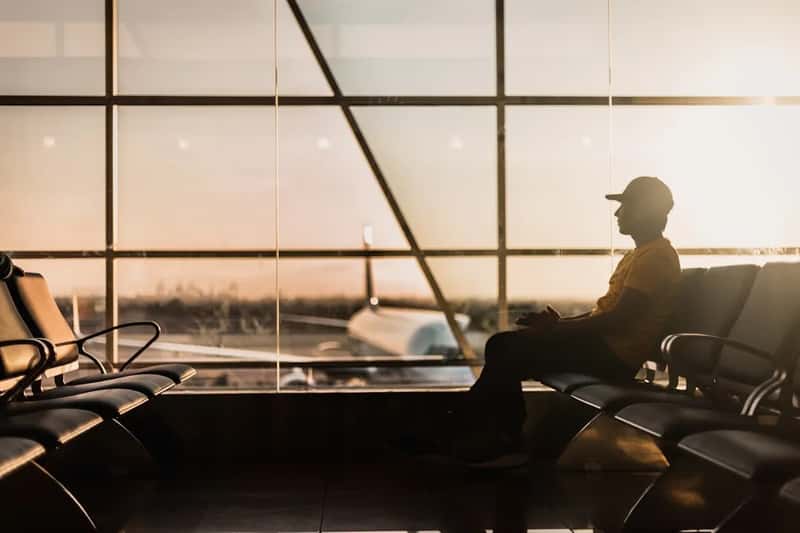
Some travelers show up at the airport well before boarding even opens, often with no real logistical reason for it. Arriving at the airport three hours early is a classic sign of travel anxiety, the mind’s way of trying to control chaos.[1] It’s less about missing a flight and more about needing a buffer against uncertainty.
This extra time often gets filled with pacing, repeated visits to the gate display, or sitting near the boarding area long before it’s needed. Airports force people to move through processes they cannot influence, like security, boarding, and timing, while still making repeated small decisions at every step, which increases cognitive load and is one of the main causes of airport anxiety even for experienced travelers.[2] Showing up early is one way people try to claw back a sense of control over that unpredictability.
2. Checking Documents Over and Over
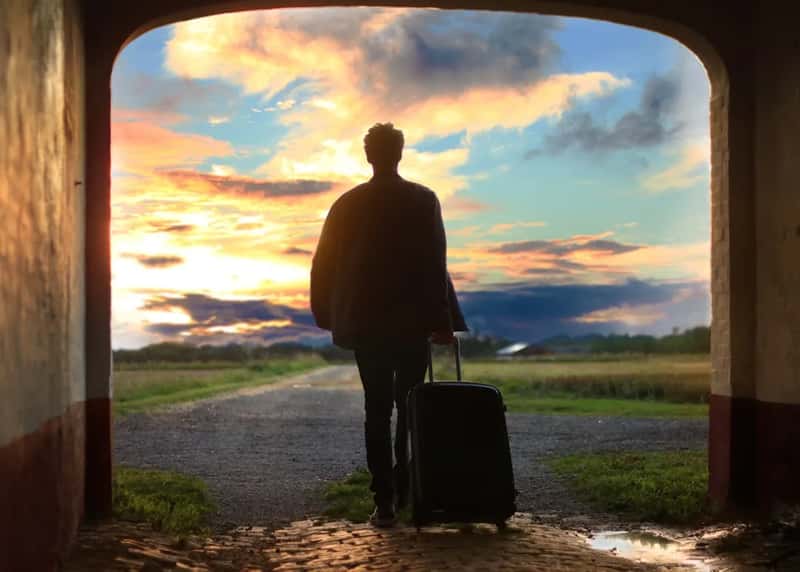
Pulling out a passport or boarding pass once is normal. Doing it every few minutes, even after confirming everything is fine, tends to be something else. Triple-checking a passport is one of those classic signs of travel anxiety that many people recognize in themselves.[1]
This kind of repetitive checking isn’t really about the documents. It’s a coping mechanism, a small ritual that briefly quiets a racing mind before the next wave of worry returns. Cognitive behavioral specialists often note that this pattern can escalate when anxiety is layered with other fears, since airport anxiety can be aggravated when it co-occurs with a fear of flying or related issues such as claustrophobia.[3]
3. Rehearsing Conversations With Staff
Some travelers quietly practice what they’ll say at check-in, security, or the gate, almost like running lines before a performance. Rehearsing what to say to the gate agent is another behavior psychologists commonly associate with anxious travelers.[1] It reflects a desire to avoid confusion or confrontation in a setting that already feels unpredictable.
This habit often shows up in people who feel like they have little control once they hand over their ticket or passport. The airport environment strips away autonomy in small but constant ways, and mentally scripting interactions is one way of trying to reclaim a bit of that control before it’s needed.
4. Scanning Crowds and Staff for Reassurance
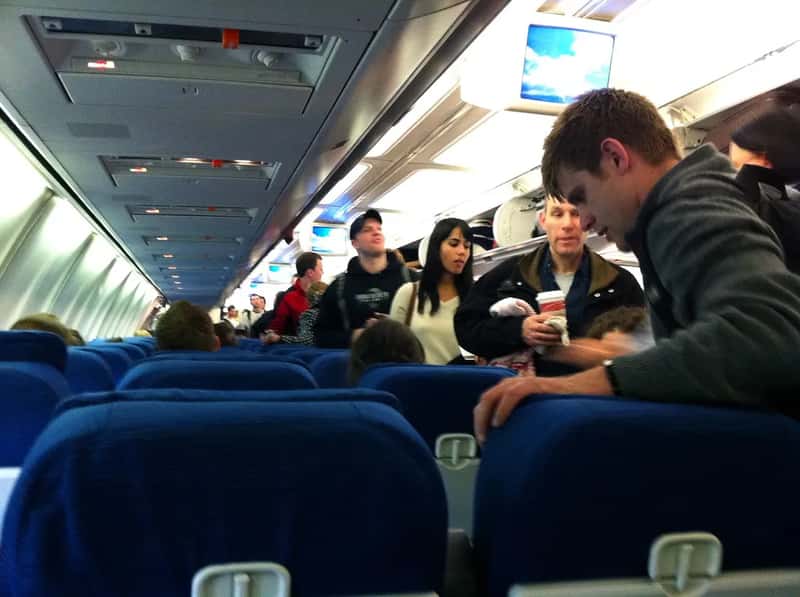
Watching other passengers’ faces, or glancing repeatedly at flight attendants and gate agents, is a subtle but telling behavior. Scanning flight attendants for reassurance is one of the behaviors anxious travelers tend to do without fully realizing it.[1] The logic, even if unconscious, is that calm faces around them signal safety.
This kind of hypervigilance tends to intensify in crowded terminals, since the noise and crowds of airports don’t help, and human beings are very sensitive to their immediate surroundings, easily becoming overloaded by stressors such as crowds and noise.[4] For someone already anxious, that sensory overload can push them toward constantly checking the environment for cues that everything is under control.
5. Turning to Alcohol or Distraction to Cope
Not every anxious habit is quiet or subtle. For some travelers, anxiety shows up as reaching for a drink at the airport bar earlier than they normally would, or well beyond a single one. People anxious about flying may act out of character or take refuge in alcohol,[4] a pattern that researchers have flagged as increasingly visible in terminals.
This isn’t a universal reaction, but it’s common enough that it’s shaped policy conversations. Concerns about drunken incidents have even led to calls to reduce or limit alcohol sales at airports and on planes, with Ryanair pushing for a two drink limit at airport bars.[5] For anxious flyers, alcohol often functions less as celebration and more as a way to dull the discomfort of waiting.
6. Avoidance, Irritability, or Sudden Mood Swings
Anxiety doesn’t always look like nervous energy. Sometimes it looks like short tempers, snapping at a travel companion, or unusual irritability that seems disproportionate to the situation. Stress and anxiety can produce irritability, and people who are generally anxious may be more prone to anger, with a temporary anxious mood able to trigger angry outbursts.[4]
This can also show up as avoidance, someone delaying moving toward security, lingering near the entrance, or finding excuses to sit rather than walk toward the gate. Persistent and excessive fears that lead to avoidance behaviors are actually part of the diagnostic picture for aviophobia,[6] which suggests that avoidance at the airport is rarely random. It’s often the clearest outward sign that something deeper is being managed internally.
Recognizing these habits, in yourself or in someone traveling with you, doesn’t require a diagnosis or a dramatic intervention. Often it just means noticing the pattern, naming it quietly, and giving the moment a little more patience than usual. Airports have a way of amplifying whatever a person is already carrying, and small signs like these are usually just that: signs, not something to fix on the spot.