The Caribbean has built its entire brand around a simple promise: turquoise water, easy sunshine, and a slower pace of life. That reputation still holds up on plenty of islands, but not all of them. A growing number of travelers who’ve actually spent their money there are starting to talk about which destinations feel like they’re charging premium prices for a fairly ordinary experience.
None of these places are bad, exactly. They’re just increasingly hard to justify once you compare the bill to what you actually get for it.
1. St. Barthélemy (St. Barts)
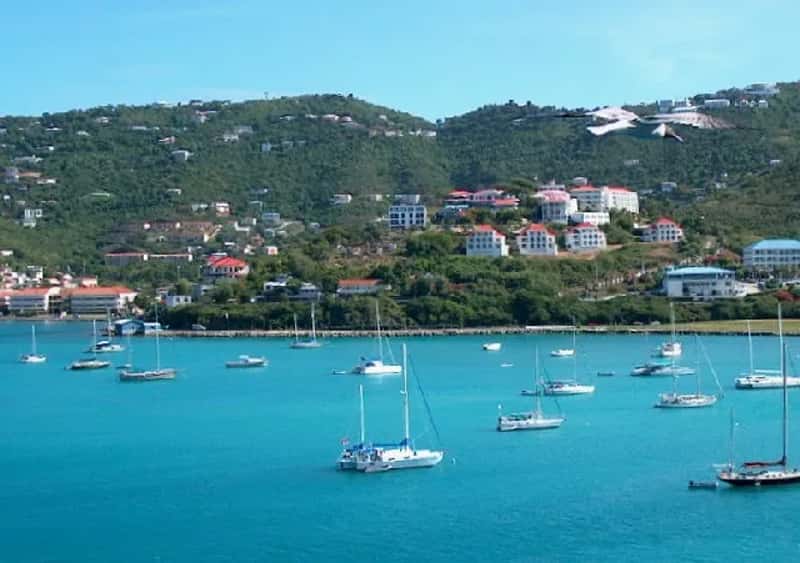
St. Barts built its reputation on luxury yachts, celebrity sightings, and a version of Caribbean glamour that few other islands even attempt. St. Barts has a reputation as a playground for the ultra-rich, and that reputation comes with a price tag that would make most of us wince.[1] According to travel data cited by industry sources, Gustavia in St. Barts stood out as the Caribbean’s most expensive destination, with an average daily expenditure for travelers reaching $1,852.[1] That’s not a weekly figure. It’s a single day, before a single cocktail gets ordered.
Part of the problem is structural. St. Barthélemy is one of the most expensive Caribbean islands and has only a handful of small hotels, because most guests rent villas and condos instead.[1] Getting there adds insult to injury too, since there are no direct flights to St. Barts, and the plane ride from Guadeloupe, Puerto Rico, or the nearby St. Martin can feel like a near-death experience[2] for anyone nervous about small aircraft. For travelers without a private budget to match the private jets parked at the airport, the math rarely works out.
2. Barbados
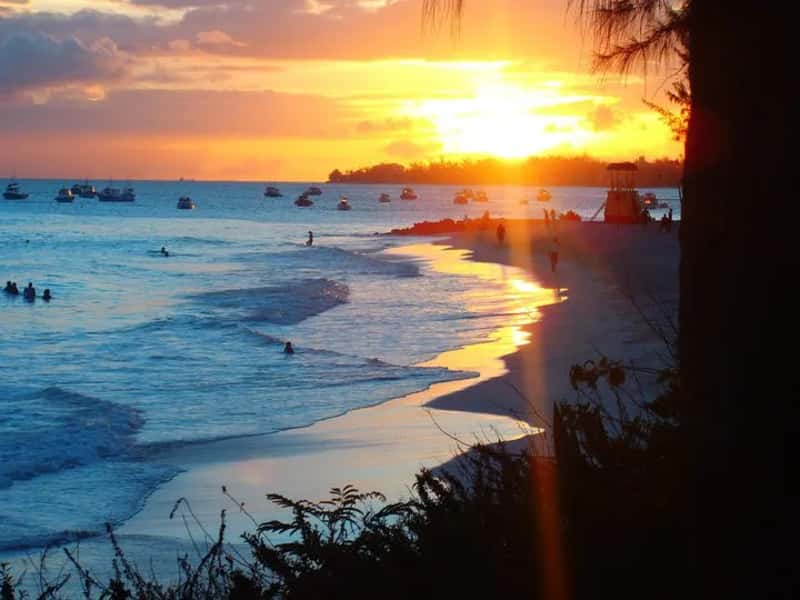
Barbados has long been considered one of the Caribbean’s crown jewels, known for its rum heritage, its beaches, and a food scene that punches well above its size. That reputation, though, now comes with a cost that has pushed it to the very top of regional price rankings. Budget Your Trip’s 2026 rankings place Barbados as the single most expensive Caribbean nation for travelers, with an average daily cost of $442.03.[3] Stretched over a week, that adds up fast, with a solo tourist spending around $2,632 for a seven-day trip to Barbados[3] on average.
Dining out is where a lot of travelers feel the pinch most directly. Travelers from the U.S. report that what would cost roughly $70 for two people at home can easily run $120 to $140 in Barbados at typical tourist restaurants.[3] Part of the reason comes down to logistics rather than greed. Many food supplies are imported to the island, so dining out is pricey, and due to limited public transit options, travelers often need to rent a car or use taxis to get around.[4] The beaches are still beautiful, but the overall bill has started to change how people talk about the island.
3. Cayman Islands

The Cayman Islands market themselves on clear water, polished infrastructure, and a financial sector that has made the territory synonymous with offshore banking. That last detail creates an odd contradiction once you’re actually there. The Cayman Islands are some of the most expensive in the world, so travelers need to prepare to dig deep when planning a visit, and the irony is palpable: a tax haven that paradoxically charges tourists through the roof for a plate of fish or a taxi ride.[1] It’s a strange feeling to pay premium prices in a place famous for helping other people avoid paying much at all.
Everyday costs tend to catch first-time visitors off guard the most. Everyday prices often surprise first-time visitors, with food, transport, and activities tending to be significantly more expensive than expected, driven by tourism demand and a wealthy local economy.[5] On top of that, cruise traffic doesn’t help the atmosphere. Cruise traffic can also make popular areas feel crowded, and the combination of cost and congestion affects how relaxed the visit feels, with many travelers enjoying the scenery but finding the value harder to justify.[5]
4. Anguilla

Anguilla routinely shows up on best-beaches lists, and for good reason, its coastline is genuinely stunning. The problem is that the price of admission has climbed to a point where even fans of the island admit it’s a stretch. According to Budget Your Trip’s 2026 travel cost rankings, Anguilla ranks as the second most expensive Caribbean destination, with an average daily travel cost of $421.89 per person, and for a small island with limited public infrastructure and a fairly short list of activities, that figure is staggering.[3] Flights and accommodation both contribute to the total. Flights are expensive, though you can get there by ferry from St. Martin, but hotels are also very expensive, and a few of the resorts here and in St. Martin are among the priciest in all of the Caribbean.[3]
None of this means Anguilla is a disappointment as a destination. Anguilla is genuinely lovely, nobody is disputing that, and the beaches are photogenic, the food scene has its moments, and the vibe is calm.[3] The complaint isn’t about quality. It’s about whether a short list of activities and a handful of gorgeous beaches justify prices that rival far larger, more varied destinations.
5. Sint Maarten / St. Martin
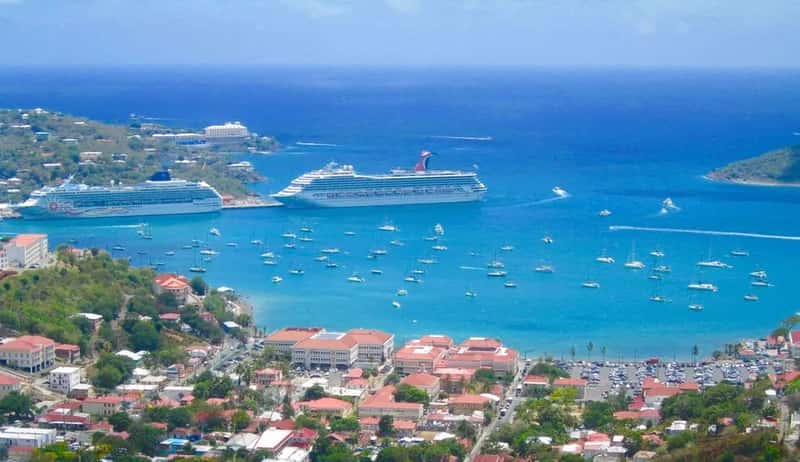
This single island splits into two territories, Dutch Sint Maarten and French St. Martin, and both sides have developed a reputation for being pricey without necessarily feeling like a bargain in return. Based on 2025 data, Saint Martin and Sint Maarten rank among the most expensive Caribbean destinations, with daily averages of $392.19 and $390.52 respectively.[2] Part of that comes from a tourism model built heavily around ships docking daily. The notorious congestion from cruise ships docking regularly adds to the frustration.[2]
The crowding problem is more than just an inconvenience, it actively shapes how the island feels day to day. It’s hard to enjoy paradise when you’re stuck in traffic on a small island, surrounded by thousands of other tourists all chasing the same experience.[2] On the commercial side, prices in tourist zones reflect exactly who’s shopping there. The island is hyper-commercialized, heavily oriented toward global brands, and widely reported as overpriced, with a five-minute taxi ride costing $25 USD, and restaurant food is pricey as well.[3] For travelers hoping for a quieter, more affordable Caribbean escape, the reality on the ground often falls short of the marketing.
6. Antigua and Barbuda
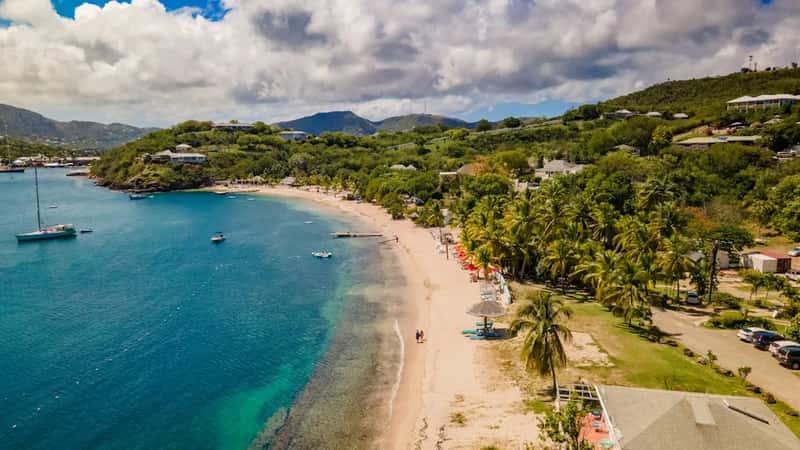
Antigua and Barbuda markets itself around its famous count of 365 beaches, one for every day of the year, and a laid-back reputation that draws sailors and honeymooners alike. Costs, though, have climbed steadily, and the country now sits firmly among the region’s pricier options. Antigua and Barbuda is a well-liked but fairly expensive destination to visit, and when compared to the rest of the Caribbean Islands, which is known to be an expensive region, it is a very expensive country, ranking in the top 10% of countries in the Caribbean Islands for its travel prices.[6] A typical traveler spends close to $406 a day there according to recent cost tracking.
Much of the expense comes down to limited alternatives once you’re on the ground. With its focus on upscale tourism, eating out in Antigua can be expensive, though snackettes, as they’re known in Antigua, serve cheaper meals and are popular among locals.[7] Accommodation follows a similar pattern, since basic hotel rooms rarely dip below a certain floor. Accommodation is relatively expensive, and you should budget at least $150 per night for a basic hotel.[7] For travelers used to finding budget options even in expensive destinations, Antigua’s narrower range of affordable choices is often the real sticking point.
None of these six islands are without merit. Each one offers something genuinely beautiful, whether it’s Anguilla’s coastline, Barbados’s food culture, or the polished calm of the Cayman Islands. The recurring theme among travelers isn’t that these places are unpleasant, it’s that the price of getting there and staying there has climbed faster than the experience itself has improved, leaving a widening gap between what’s promised and what actually shows up on the credit card statement.