Retirement budgets and warm weather don’t always seem to belong in the same sentence. Most people assume that sunshine comes with a premium price tag, whether that’s coastal Florida, the Arizona desert, or anywhere south of the snow line.
Yet a handful of American cities manage to combine mild climates with genuinely modest living costs. Real estate professionals who work directly with retirees point to a specific group of places where a monthly budget near $1,750 still covers rent, utilities, and a decent quality of life, without giving up blue skies.
Tucson, Arizona
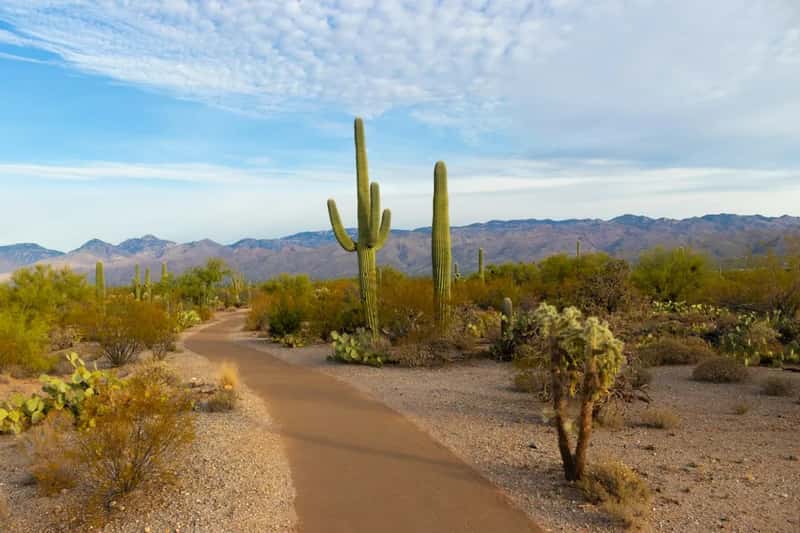
The median rent in Tucson is $1,550, with studio apartments averaging $797, one-bedrooms $924 and two-bedrooms $1,266, according to Zillow.[1] Joseph Keshi, CEO of Keshman Property Management, recommends Tucson for its affordable cost of living and said, “Housing, property taxes and utilities alone account for about $1,750 a month.”[1] That leaves the desert scenery and roughly 350 days of sunshine as essentially a bonus rather than something retirees have to pay extra for.
The retired crowd benefits from health care options, baby-boomer-friendly insurance rates, ties to nature through walkable neighborhoods, and inexpensive recreational options, with year-round outdoor living as another advantage.[1] Tucson is already a premier desert destination market, and increased availability of 55+ active adult communities results in a strong, competitive market with low HOA fees and housing prices.[2] Retirees have been drawn to Tucson’s affordable health care costs, which rank below the national average, while its mild climate keeps costly winter heating bills in check.[2]
El Paso, Texas

With more than 300 days of sunshine a year and low crime rates, El Paso offers peace of mind and cost savings.[1] The city is a top financial pick, given that housing prices are still roughly 50% cheaper than the national median and there’s no state tax on retirement income or Social Security.[1] That combination of tax relief and cheap housing is rare for a metro area this size.
The monthly median rent in El Paso is $1,500, with studio apartments averaging $781, one-bedrooms $838, two-bedrooms $1,100, and three-bedrooms $1,610, per Zillow.[1] That represents a significant reduction in expenses, which leaves a $1,750 budget to spread over quality health care, dining, and entertainment.[1] For a border city surrounded by desert mountains, that kind of financial breathing room is a genuine draw.
Daytona Beach, Florida
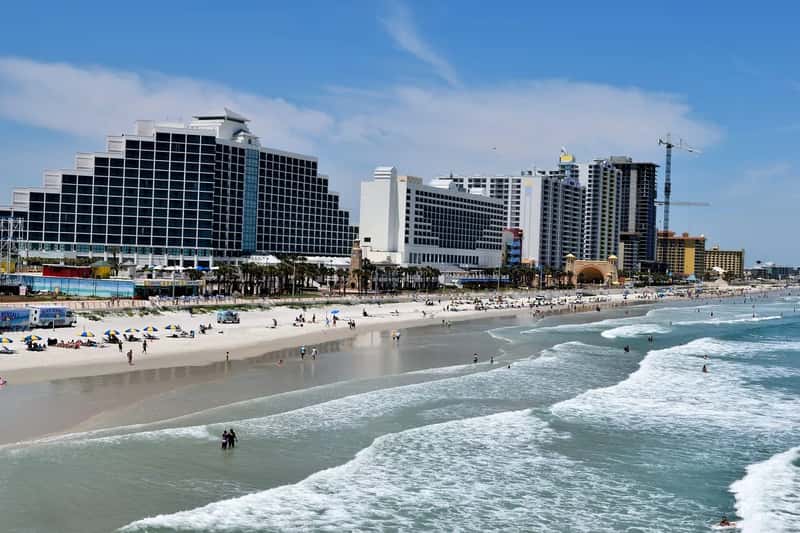
The affordability and appeal of living close to the coast make Daytona Beach an attractive option for those on a limited pension.[3] Daytona is described as one of the last beachfront bastions of affordable living.[4] That’s a fairly unusual claim for a Florida coastal city, most of which have long since priced out anyone on a fixed income.
It’s part of the financial appeal, helped by Florida’s not having a state income tax, so more money remains in a retiree’s pocket to be used for food, shopping, local entertainment, or trips.[4] The beach itself remains free and open, and the subtropical climate keeps winter mild enough that heating costs rarely become a concern. It’s the kind of place where a modest rent check still buys ocean air.
McAllen, Texas

With a cost of living more than 20% lower than the national average, low income taxes, no state income tax, and housing costs about 32% less than the U.S. average, McAllen is among the most affordable cities in the nation.[3] That’s a striking figure for a city that still offers a genuinely warm, humid, near-tropical climate for most of the year.
The city’s year-round tropical feel is enhanced by its location on the Rio Grande, and it’s perfect for people who crave an active yet affordable lifestyle.[3] In McAllen, the median monthly rent is $1,350, with one bedrooms averaging $750, two-bedrooms $1,100, and $1,600 for three bedrooms, according to Zillow.[3] For a retiree renting a modest one-bedroom, that leaves several hundred dollars a month for everything else.
Gulfport, Mississippi

Retirees who aspire to live on the Gulf of Mexico can find a coastal oasis in Gulfport, Mississippi, without paying the high prices found in major Gulf cities.[1] That’s a meaningful distinction, since nearby Gulf Coast markets in Florida and Alabama have climbed well beyond what a $1,750 budget could support.
Mississippi is extremely tax-friendly for retirees, as it taxes neither Social Security benefits nor income from qualified retirement plans like IRAs and 401(k)s.[1] Combined with warm, humid summers and short, mild winters, Gulfport gives retirees beach access and boating without the premium attached to more famous Gulf destinations. It’s a quieter option, but for many that’s part of the appeal.
Yuma, Arizona

Yuma has built its reputation almost entirely on sunshine, and the numbers back it up. It’s frequently cited as one of the sunniest cities on Earth, with clear skies dominating most of the calendar year, which makes it a natural fit for retirees chasing warm, dry weather without extreme heat bills in winter.
The cost of living sits comfortably below the national average, and housing in particular tends to run cheaper than in nearby Phoenix or Tucson. Yuma also draws a large seasonal population of retirees and snowbirds each winter, which has shaped the city around active-adult communities, golf courses, and RV resorts geared toward people living on a fixed income. For retirees who don’t mind a smaller, quieter city, it offers a lot of climate for relatively little money.
What ties these six cities together isn’t luxury or scenery alone, but the simple math of low housing costs meeting favorable tax treatment. Arizona and Texas offer desert warmth without state taxes on retirement income, Florida and Mississippi trade humidity for zero state income tax, and each city on this list keeps rent low enough that a modest fixed income can still stretch to cover daily life. None of them promise an extravagant retirement, but all six make a fairly convincing case that sunshine and affordability aren’t mutually exclusive.