Most people plan a trip with a mental highlight reel already running: the view from the plane window, the first bite of unfamiliar food, the photo that’ll make everyone back home jealous. What rarely gets mentioned out loud is the quieter list running alongside it, the one full of worries that feel too small or too silly to say aloud. Yet surveys keep showing that these private anxieties are far more common than anyone admits at the dinner table before a trip.
1. The fear of flying itself
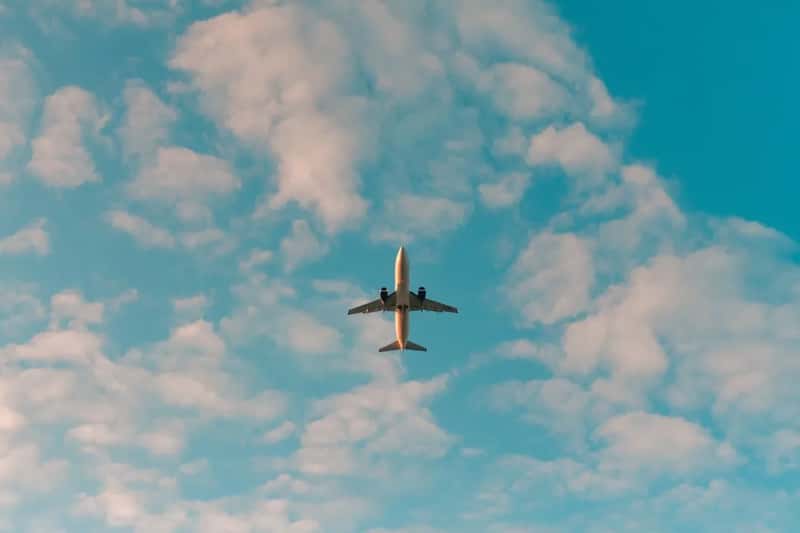
Turbulence jokes aside, a genuine unease about being in the air affects a surprisingly large share of the population. Studies indicate that as many as 40% of people say they fear flying, though a lower percentage likely fits the formal diagnostic criteria for aviophobia.[1] Recent incidents haven’t helped matters either.
A 2026 survey found that a whopping 74% admit to being not very, somewhat or very nervous when flying, even though a majority think airline travel is generally safe[2]. That gap between “I know it’s statistically safe” and “I still white-knuckle the armrest” is exactly why so many people quietly keep this fear to themselves rather than mention it at check-in.
2. The fear of embarrassing language mistakes
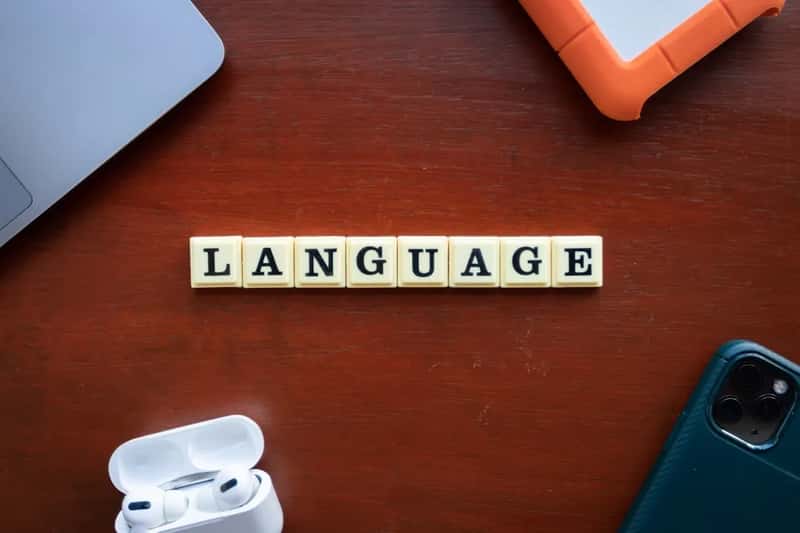
Nobody wants to be the tourist who orders the wrong thing or mangles a simple greeting in front of a patient waiter. This fear runs deeper than most people let on, and it shapes behavior in oddly specific ways. According to one 2025 survey, the most common thing Americans do is point at menus to avoid pronouncing foreign words, something over a third of them admit to doing.[3]
It doesn’t stop at menus. Some travelers stick to American or fast food entirely to avoid the risk of a language slip-up, even though trying local cuisine is often one of the most authentic ways to experience a new culture.[3] A separate study found that not knowing the language of the destination is one of the most common sources of pre-trip anxiety, cited by roughly a third of respondents[4], right alongside money worries.
3. The fear of getting lost or missing a connection
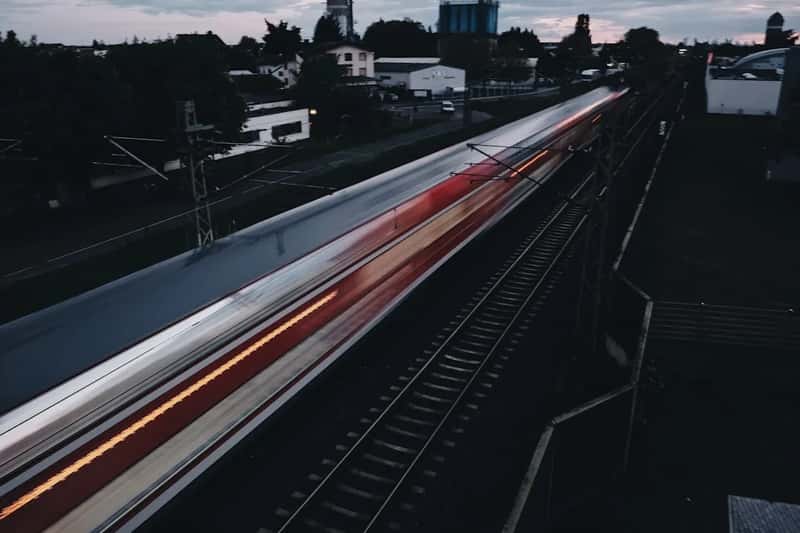
Somewhere between the excitement of booking a trip and the reality of navigating an unfamiliar transit system sits a very specific dread: standing on a platform with no idea where to go next. Younger travelers in particular seem prone to this one. Among Gen Z travelers, nearly half have gotten lost, one quarter have missed a flight, and almost a quarter have lost reservations.[4]
The consequences can go beyond mild embarrassment. Some travelers have even faced serious consequences such as getting arrested or deported after logistical mishaps.[4] It’s also worth noting that the anxiety isn’t entirely irrational. Cancellation anxiety is actually fairly rational, since the likelihood of missing a flight due to delays is far higher than the odds of an aircraft accident, with delay rates as high as 37% according to some industry data.[5]
4. The fear of eating alone in public

This one has an actual name, and once you hear it, you probably recognize the feeling instantly. It’s no wonder the fear of dining alone is so real that there is a name for it: solomangarephobia.[6] The core of the discomfort isn’t the food itself, it’s the imagined audience.
Research into solo dining backs this up. Dining solo, especially during international travel, often evokes negative sentiments including feelings of loneliness, embarrassment, alienation, heightened self-consciousness, and apprehension regarding judgment from fellow patrons.[7] Some travelers avoid the situation entirely rather than confront it, opting for room service or a quick snack instead of sitting down at a restaurant table by themselves.
5. The fear of getting sick or hurt far from home
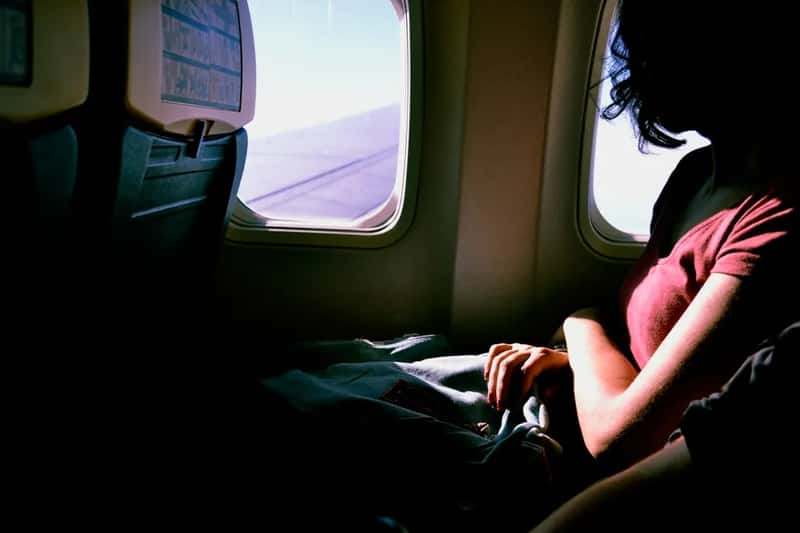
Nobody wants to spend a vacation day in an unfamiliar pharmacy trying to explain symptoms through a translation app, or worse, in a hospital where the paperwork alone feels like a second language. This fear tends to sit quietly in the background until a trip actually starts, at which point it can dominate the whole experience. Recent survey data backs up just how widespread it is.
Getting sick or injured while traveling topped one recent list of traveler concerns at 64 percent, well above worries about having to cancel a trip or dealing with delays and missed connections.[8] Part of what makes this fear so persistent is the sense of losing control over your own care in an unfamiliar system, even when the actual risk of anything going wrong is fairly low.
6. The fear of how you’ll be perceived as an outsider
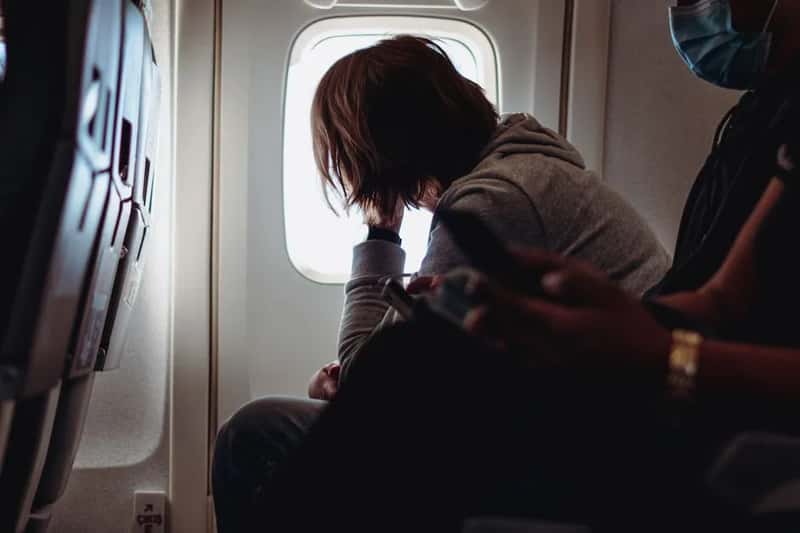
There’s a particular kind of self-consciousness that kicks in the moment you realize you look, sound, or act differently from everyone around you. This has become more pronounced in recent years, particularly for American travelers navigating shifting global attitudes. Nearly three-fourths of travel advisors report that clients are voicing concerns about how they will be perceived or treated as Americans abroad, and a notable share have had people change their travel plans because of this concern.[9]
The worry isn’t limited to politics or safety headlines either. It shows up in smaller moments too, like wondering if you’re dressed appropriately, speaking too loudly, or unknowingly breaking a local custom. Many travelers quietly rehearse how they’ll act before ever leaving the airport, hoping to blend in rather than stand out as the obvious visitor.
None of these fears are unusual, and none of them make someone a bad or unprepared traveler. They tend to surface precisely because travel pushes people slightly outside their comfort zone, which is often the whole point of going somewhere new in the first place. Recognizing that these worries are shared by a huge number of other travelers, even the ones who look completely at ease, tends to take away much of their weight.