The global electricity map looks less like a smooth transition and more like a patchwork these days. Some nations get the vast majority of their power from wind, water, and geothermal heat, while others still schedule blackouts around coal shipments. The gap between the two groups has less to do with wealth than with geography, policy choices made decades ago, and, frankly, political will.
What follows is a look at six countries that have quietly built some of the cleanest power grids on the planet, alongside five that remain deeply, sometimes reluctantly, tied to coal. The contrast says a lot about where the energy transition is actually working, and where it keeps stalling.
Uruguay: the small country that rewired itself around wind
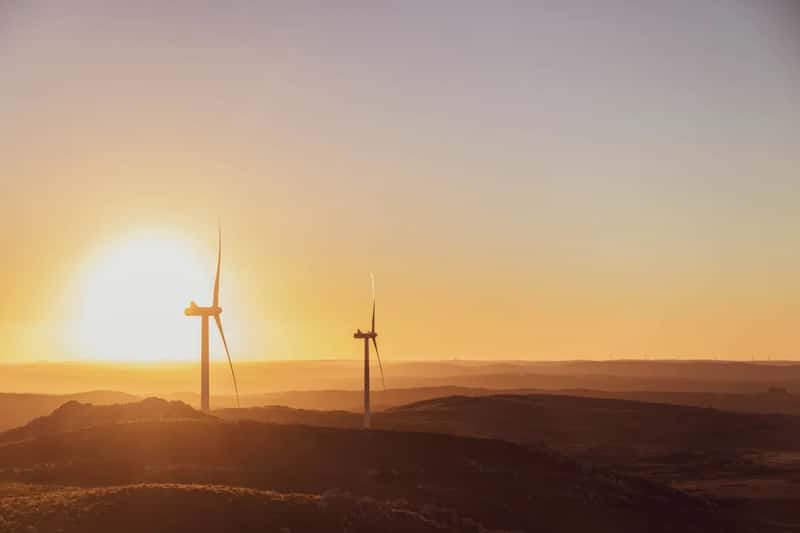
Uruguay’s transformation started with a practical problem rather than an environmental crusade. The country had almost no domestic fossil fuels and was bleeding money on imported oil, so in the mid 2000s it began building out wind, solar, and biomass alongside its existing hydropower base. In 2005, Uruguay initiated a dramatic shift in its energy strategy, moving from petroleum-based electricity generation to renewable sources, and in 2024 generated 99 percent of its electricity from renewable sources using hydropower, wind, and biomass.
The economic case turned out to be as strong as the environmental one. Once the country adjusted the playing field that had long favored oil and gas, renewables outperformed on every front, halving costs, creating 50,000 jobs, and protecting the economy from price shocks. Uruguay’s former energy minister has argued the approach could work elsewhere too, insisting the key is simply “If you get the incentives right, the market will do the rest. You don’t need miracles, you need rules that make economic sense.” Whether every country can replicate a small, politically stable nation’s playbook is debatable, but the results speak for themselves.
Costa Rica: rivers, volcanoes, and a near total clean grid
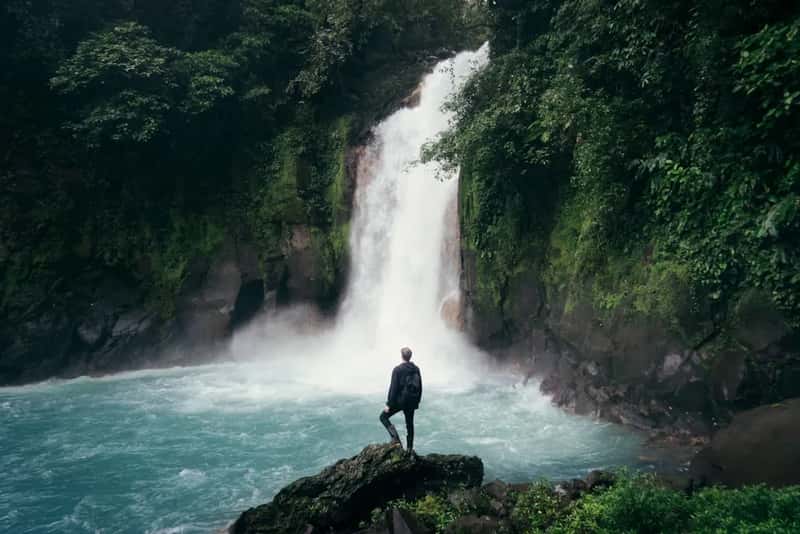
Costa Rica has leaned on its landscape for decades, and the payoff shows up in the numbers year after year. Costa Rica generated 98.6 percent of its electricity from renewable sources in 2025, with the electricity coming from five main renewables: water, geothermal, wind, biomass, and solar. Hydropower does most of the heavy lifting, but geothermal fields tucked into the country’s volcanic terrain add a steady, always on backbone that wind and solar can’t match on their own.
The system isn’t immune to weather, though. In 2024, a severe drought associated with the El Niño phenomenon reduced the level of hydroelectric reservoirs, causing the renewable energy share to fluctuate between 86% and 91%, forcing the country to temporarily resort to thermal power plants fueled by fossil fuels. Even so, Costa Rica bounced back quickly, and it’s now planning further expansion. By 2030, new projects will add about 600 megawatts from geothermal, solar, and wind plants.
Denmark: proof that wind can carry a modern economy
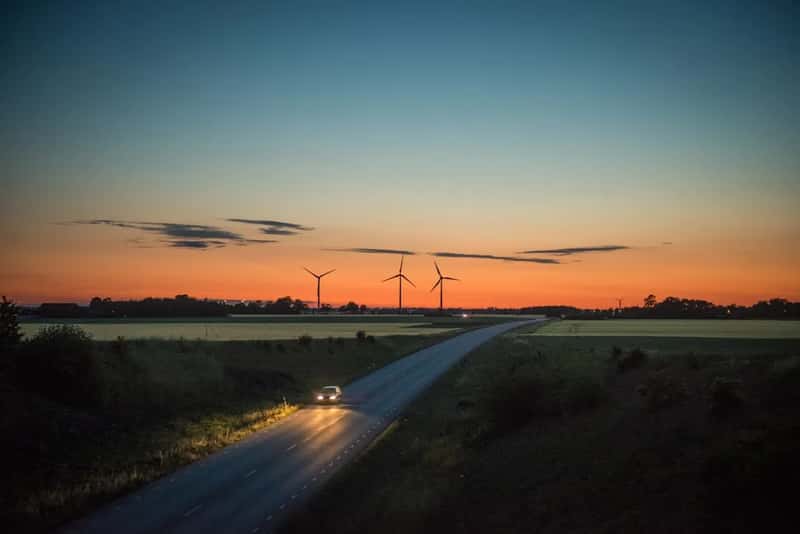
Denmark has no major rivers or mountains for hydropower, so it built its clean energy identity almost entirely around wind turbines, and it worked. Denmark sourced 88% of its power from renewable sources in 2024, and wind alone provides 58% of the country’s power, thanks to more than 50 years of community leadership in wind projects. That’s a remarkable share for a country with a real industrial base and cold winters that push electricity demand higher.
What sets Denmark apart from many wind heavy grids is how the ownership is structured. For nearly 15 years the Danish government has required all new wind projects to be at least 20% community owned, and now more than half of Denmark’s wind generation capacity is owned by the community, helping to ensure its citizens benefit from the shift to renewables. That local buy-in has helped keep public support for the transition remarkably steady, even as turbines multiply across the countryside.
Norway: a country of fjords turned into a giant battery
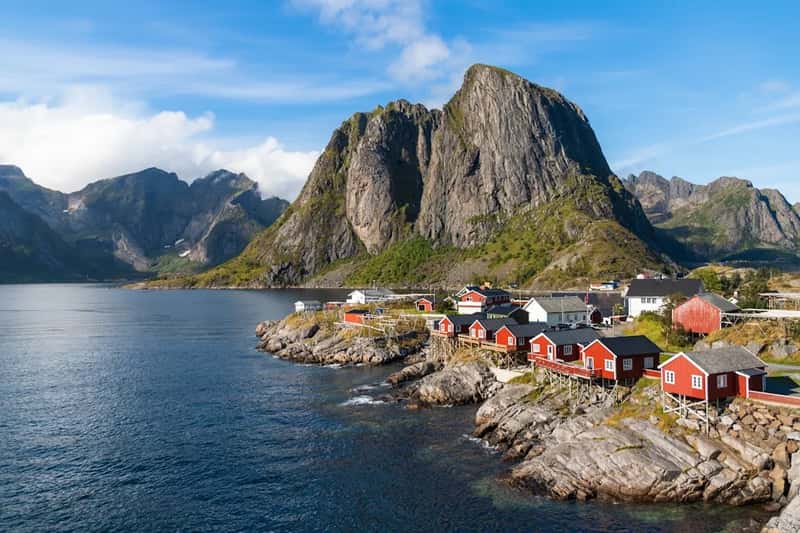
Norway’s clean grid isn’t really a policy triumph so much as a gift of geography, though the country has managed it well. A remarkable 89.1% of all Norwegian electricity is generated by hydroelectric dams, a figure that no other nation in the world comes close to matching, and Norway’s fjords and mountains are essentially a huge natural battery, capable of storing and releasing energy with a reliability that solar and wind farms are still working to replicate. That storage capacity means Norway can absorb surplus power from neighboring countries and release it when needed, acting almost like Europe’s shock absorber.
The irony, of course, is that Norway built this clean domestic grid while exporting oil and gas to the rest of the world. The paradox at the heart of Norway’s energy story, of course, is that it is also one of the world’s great oil exporters. Domestically, though, the numbers keep climbing. In 2026, more than 61% of all energy consumed in Norway is renewable, and the country’s grid produces just 31 gCO₂ for every kilowatt-hour generated.
Kenya: geothermal power fueling an energy leap
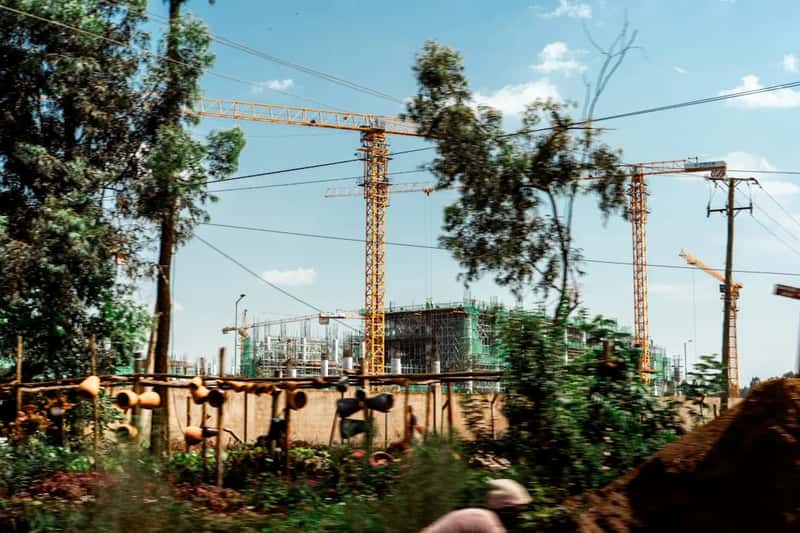
Kenya offers a different model from the wealthy European and hydro rich Latin American examples. Sitting along the East African Rift, the country has tapped underground heat to build one of the cleanest large scale grids in Africa. Kenya shows a very high renewable share, around 91.9%, supported by a large “other renewables” component, primarily geothermal, illustrating how rare resources can anchor a clean grid even without massive hydro reservoirs.
This matters beyond Kenya’s own borders because it demonstrates that a developing economy can leapfrog straight into renewables rather than following the old coal first, clean up later pattern. Geothermal in particular gives Kenya something wind and solar dependent grids often lack: dispatchable, round the clock power that doesn’t dip when the sun sets or the wind stalls. It’s a template that other Rift Valley nations, including Ethiopia, have started to study closely.
Iceland: geothermal and hydro doing nearly all the work
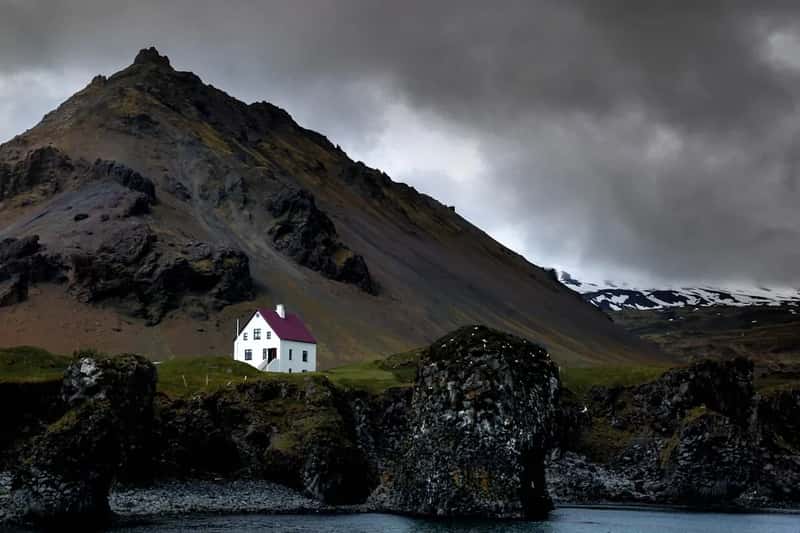
Iceland sits at the very top of nearly every global renewable ranking, and it earns the position through sheer natural advantage. Iceland leads at nearly 90% renewable energy consumption, drawing on geothermal and hydroelectric resources. Volcanic activity that would be a hazard almost anywhere else becomes, in Iceland’s case, a near limitless source of heat and steam for electricity and district heating.
What’s notable is how little debate this requires domestically. There’s no meaningful coal lobby to push back, no legacy fossil fuel infrastructure to phase out slowly, because the country simply never built its economy around imported fuels the way many of its European neighbors did. The main challenge now is less about generation and more about how to use that abundant clean power, with data centers and green hydrogen projects increasingly eyeing Iceland’s surplus capacity.
South Africa: a grid still built on coal from top to bottom
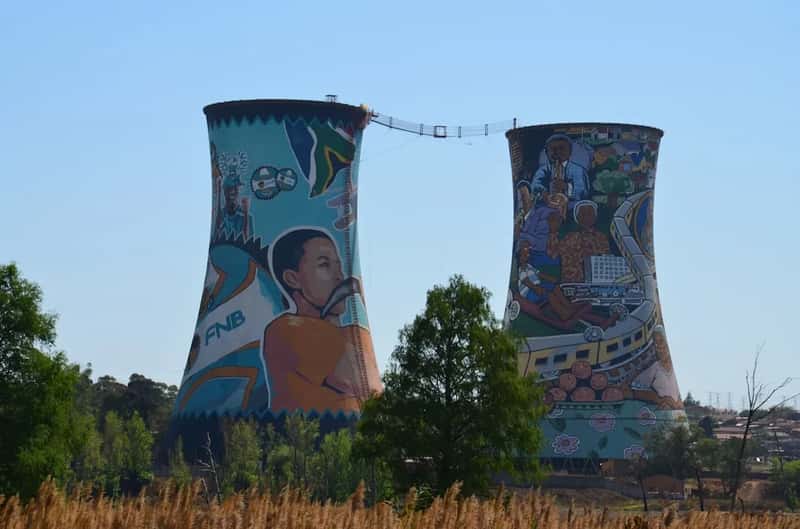
South Africa sits at the opposite end of the spectrum, and the numbers are stark. The nation’s heavy dependence on coal stems from its state-run utility, Eskom, which generates roughly 80% of its electricity from coal-fired plants. That single fact shapes almost everything about the country’s energy politics, from rolling blackouts to the slow pace of any transition plan.
There have been signs of change at the margins. South Africa completed the final 0.8 GW unit of the Kusile power station, more than a decade after its originally planned 2011 start date, leaving the country with no remaining coal power capacity under construction. That’s a meaningful milestone in the sense that no new coal plants are being built, but it says nothing about when the existing, aging fleet might actually retire.
Poland: the EU’s last major coal holdout
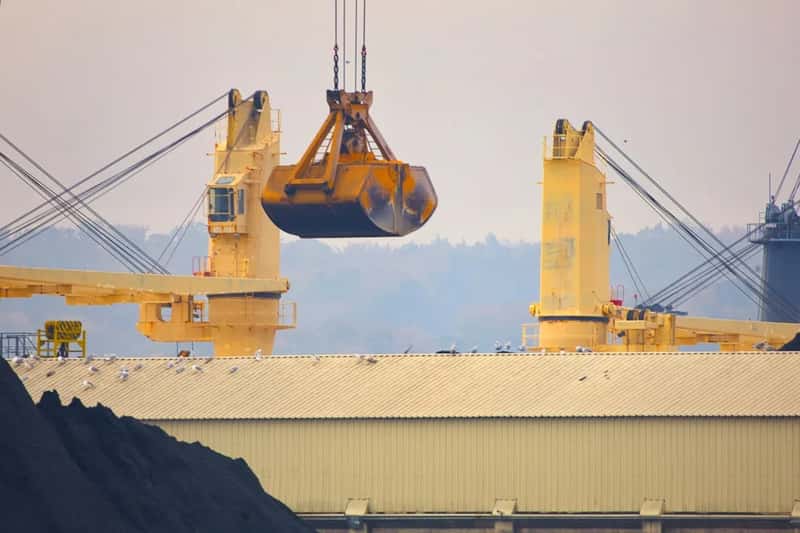
Poland occupies an odd position: a European Union member surrounded by countries racing toward renewables, yet still deeply reliant on domestic coal. Poland is one of the EU’s largest economies and the only country in the bloc that still produces over half of its electricity from coal. The reasons are partly economic and partly political, tied to coal mining regions where entire local economies depend on the industry.
Progress has been real but slow and uneven. The share of coal in Poland’s power mix fell from 56.6% in 2024 to 52.2% in 2025, yet renewables barely moved, with Poland generating just over 29% of its electricity from renewables in 2025, almost exactly the same proportion as in 2024. A planned nuclear plant meant to eventually replace coal capacity has already been delayed, with construction pushed from 2026 to 2028.
Indonesia: coal exports collide with domestic power needs
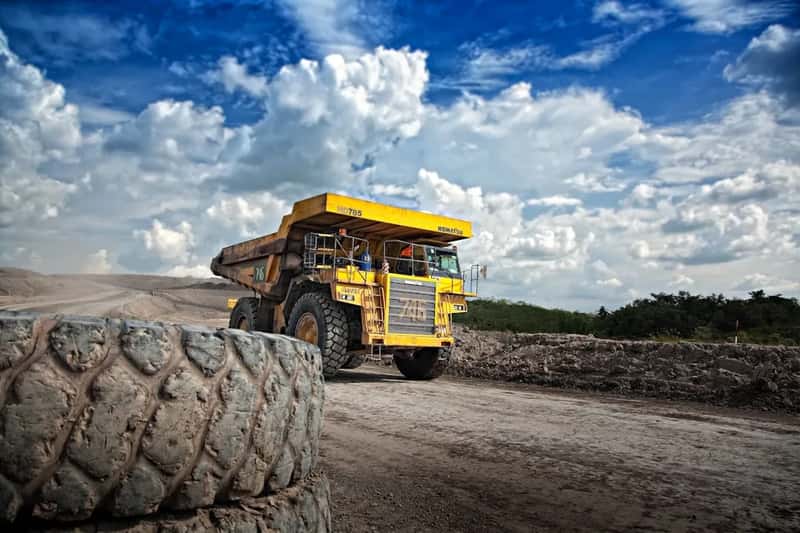
Indonesia’s relationship with coal is complicated by the fact that it’s not just a consumer but one of the world’s largest exporters, which creates a genuine tension between selling coal abroad and burning it at home. As one of the world’s biggest coal exporters, Indonesia faces a delicate balancing act between meeting internal power needs and fulfilling export commitments. That dual role gives the country less incentive than most to wind the industry down.
Recent capacity additions reflect that reality. Indonesia alone accounted for over 40% of new coal capacity outside China and India in 2025, bringing online 4 GW of new coal capacity, even as the archipelago continues to expand its solar and geothermal potential on paper. The gap between stated climate ambitions and what actually gets built on the ground remains wide.
Vietnam: rapid industrial growth outpacing the clean transition
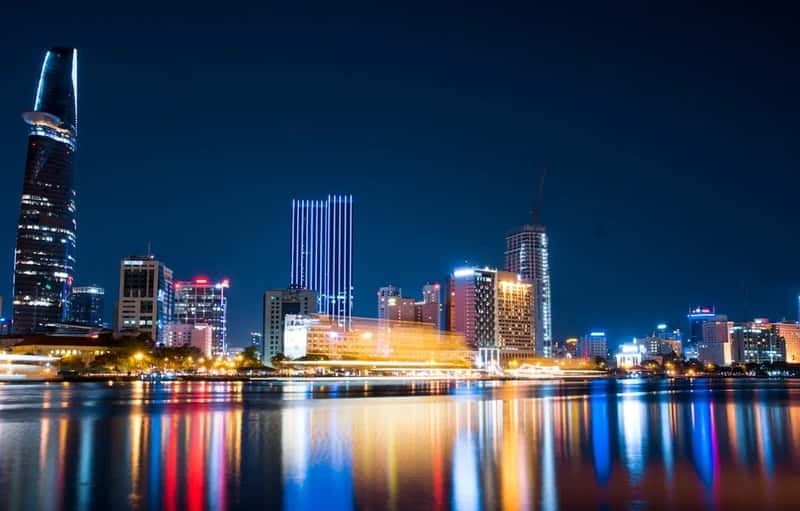
Vietnam’s coal story is really a story about speed. Factories, cities, and manufacturing exports have expanded so quickly that power demand has simply outrun the country’s ability to build clean alternatives fast enough. Vietnam consumed 2.5 exajoules of coal in 2024, placing it ninth among the world’s top coal users, with rapid industrialization and surging power demand driving a sharp rise in coal imports, even as it expands renewables like solar and wind.
That’s the core dilemma facing Vietnam and several of its Southeast Asian neighbors. Solar installations have genuinely boomed in recent years, particularly rooftop systems, yet the sheer scale of new industrial demand keeps pulling coal imports upward rather than down. Without major new transmission and storage investment, that pattern looks unlikely to reverse quickly.
India: massive coal expansion running alongside a renewable boom
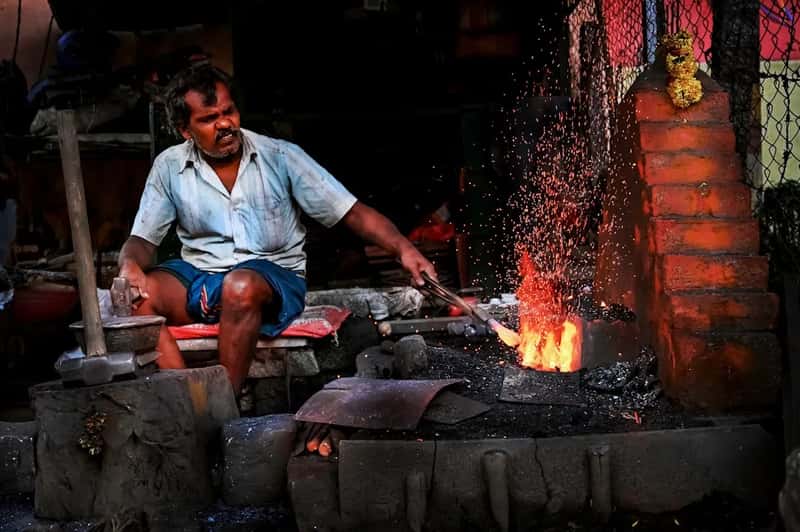
India presents perhaps the most contradictory case on this list, because it’s simultaneously one of the fastest growing renewable markets and one of the biggest coal builders in the world. India recorded 27.9 GW of new and reactivated coal plant proposals in 2025, with 107.3 GW of capacity in pre-construction planning and another 23.5 GW under construction. That’s not a country quietly winding coal down; it’s actively expanding it.
At the same time, renewables are genuinely surging in absolute terms. The Indian government has set a target to add 100 GW of new coal capacity over the next seven years, even as record additions of solar and wind pushed non-fossil capacity to more than half of total installed power capacity in 2025. India illustrates a pattern seen elsewhere in fast growing economies: clean energy and coal aren’t necessarily replacing each other yet, they’re both growing to meet demand that’s rising faster than either can cover alone.
These eleven countries make clear that the shift away from fossil fuels isn’t following one single script. Some nations got there through geography they didn’t have to fight for, others through decades of deliberate policy, and still others remain stuck because coal is cheap, familiar, or tied to jobs that no government wants to lose overnight. The direction of travel globally still points toward renewables, but the pace, as these examples show, depends entirely on where you happen to be standing.