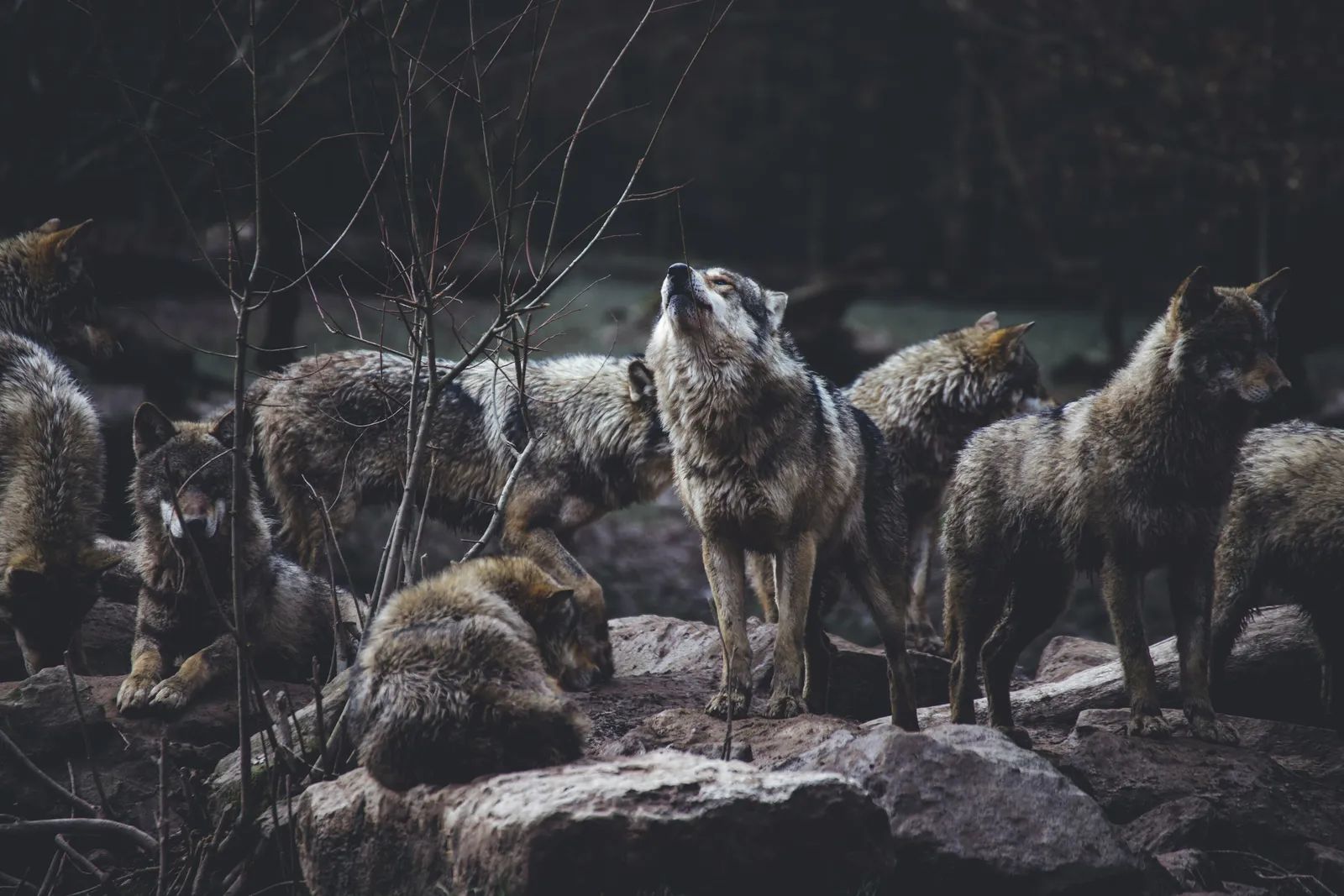
Isle Royale National Park in Michigan once faced the near loss of its wolf population, with just two highly inbred animals remaining by 2016. Officials responded by bringing in 19 new wolves from the mainland between 2018 and 2019 to restore genetic diversity. A recent study now indicates the population stands a strong chance of persisting for at least two decades, though isolation and inbreeding continue to pose real risks. ([1])
A Remote Island on the Brink
The wolves of Isle Royale have long lived in isolation, cut off from the mainland by the waters of Lake Superior. This separation created a small, closed population that suffered repeated bottlenecks over the decades. By the mid-2010s the situation had become critical, leaving only a pair of closely related animals that produced few surviving pups. Without intervention the pack faced almost certain disappearance from the island.
The Decision to Intervene
Park managers and wildlife biologists chose to act rather than let the population fade. They captured and transported 19 wolves from healthy mainland groups, releasing them across several seasons. The goal was straightforward genetic rescue: introduce fresh bloodlines to reduce the effects of inbreeding and give the pack a viable future. The effort marked one of the most direct attempts to save an island predator population in a U.S. national park.
What the New Study Reveals
Researchers modeled the long-term outlook using data collected after the releases. Their analysis, published in Conservation Science and Practice, found more than an 80 percent probability that wolves will remain on the island for the next 20 years. The newcomers have already boosted numbers and produced offspring that carry greater genetic variety. Still, the models show that inbreeding depression and the island’s limited size keep the risk of future decline elevated. The findings also highlight what remains uncertain. Continued monitoring will be needed to track whether new wolves continue to breed successfully and whether the population stabilizes at a sustainable level. Managers cannot yet predict how quickly any remaining genetic problems might reappear.
Moose Numbers Add Pressure
Wolves depend heavily on moose as their primary prey on the island. Recent surveys show moose numbers have dropped sharply, tightening the food supply for the recovering pack. This shift creates an additional layer of uncertainty for both species and the broader forest ecosystem they shape. Park staff now watch both populations closely to understand how the changes interact. – Wolf population has grown since the study period ended.
– Inbreeding levels remain higher than in mainland packs.
– Moose decline raises questions about long-term prey availability.
– Isolation limits natural gene flow from outside the island. The rescue has improved the wolves’ immediate prospects, yet the island’s small size and single prey base mean the story is far from settled. Future decisions about further translocations or other management steps will depend on how these trends develop in the years ahead.