Safety is hard to reduce to one number. Some rankings look at crime, conflict and military spending, while others focus on how women actually fare in daily life. Read side by side, they give a fuller picture than either does alone.
Two sources do most of the work here. The Global Peace Index ranks 163 independent states and territories according to their level of peacefulness[1]. The Women, Peace and Security Index scores and ranks 181 countries on women’s wellbeing, using 13 indicators that span inclusion, justice and security[2]. The six countries below do well on one or both.
Iceland

Iceland is the easy first pick. The 2026 Global Peace Index ranks it number one for the 19th straight year.[3] The country also improved its peacefulness by two percent over the past year, with its Safety and Security domain rising by four percent[1].
The reasons are structural. Iceland is the only NATO member with no standing military.[4] Its police rarely carry firearms[5]. On the women focused side, it ranks second in the 2025 to 2026 Women, Peace and Security Index, right behind Denmark[6].
New Zealand
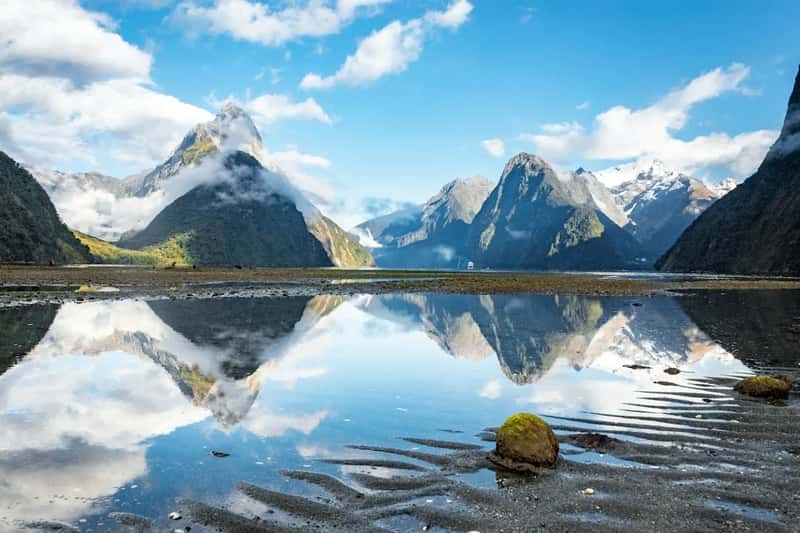
New Zealand placed second in the 2026 Global Peace Index, behind only Iceland. Its raw score did slip a little from the year before, so it isn’t drifting upward. It has still held a place in the top five of this ranking recently, and it was the only Pacific nation in the 2025 top ten[7].
The women focused data agrees. In the 2025 to 2026 Women, Peace and Security Index, New Zealand and Australia are the highest ranked countries outside Europe, both scoring 0.90[8]. New Zealand also appears in the global top ten[9]. Travelers who like hiking and road trips will find that these numbers back up the country’s reputation.
Ireland
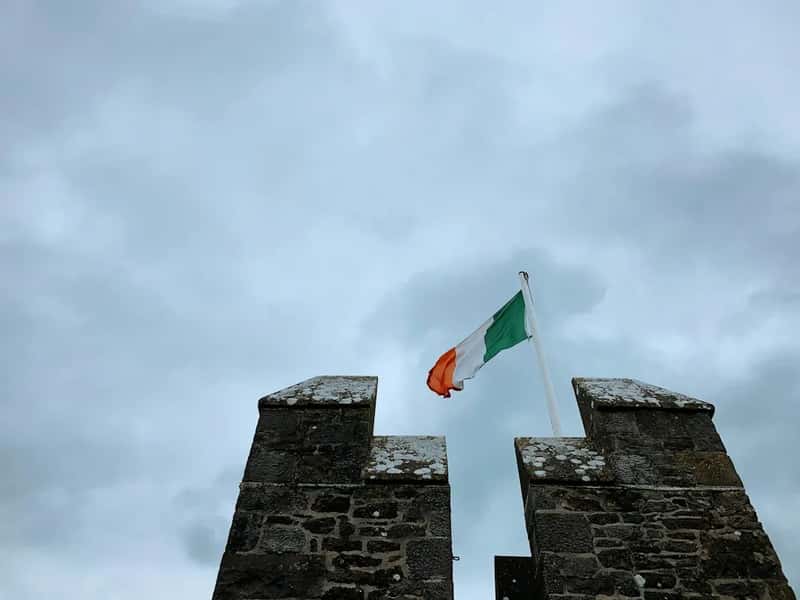
Ireland ranks fifth in the 2026 Global Peace Index. It recorded a marginal deterioration over the past year[3], but it remains near the top. In 2025 it had placed second, just below Iceland, as it did the year before[7].
Ireland has also earned a reputation as a gentle place to start. One travel site that ranked safe destinations for 2026 suggests Iceland, Portugal or Ireland for a first solo trip[10]. That’s a writer’s recommendation rather than a statistic, though it fits the index results.
Portugal
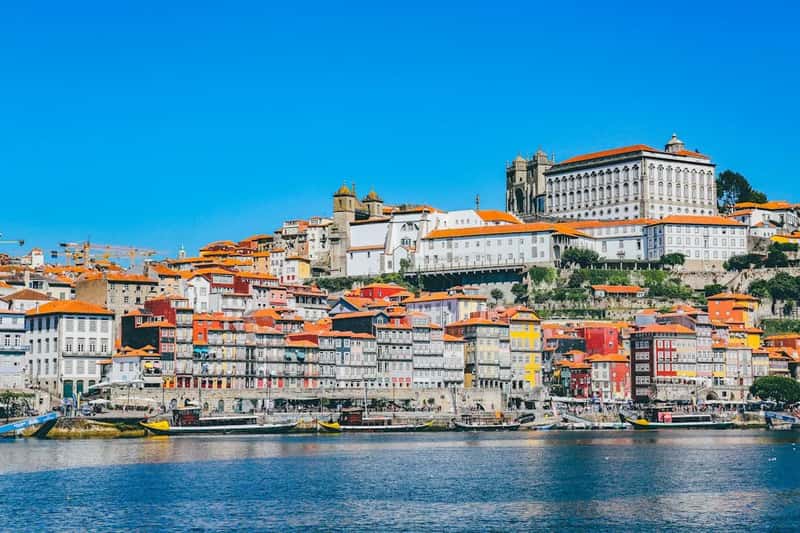
Portugal rose one place to seventh in the 2026 Global Peace Index and remains one of the most stable performers in Western and Central Europe[3]. That makes it the most affordable pick on this list by reputation, at least according to travel writers who say Portugal and Slovenia prove safe travel doesn’t have to be expensive[10].
The day to day experience matters as much as the index. One 2026 guide points to late dinners, walkable historic centers and a friendly local culture[11] as reasons solo movement feels relaxed. Porto is described as charming without crowds, while the Algarve offers calm coastal living.[11]
Japan
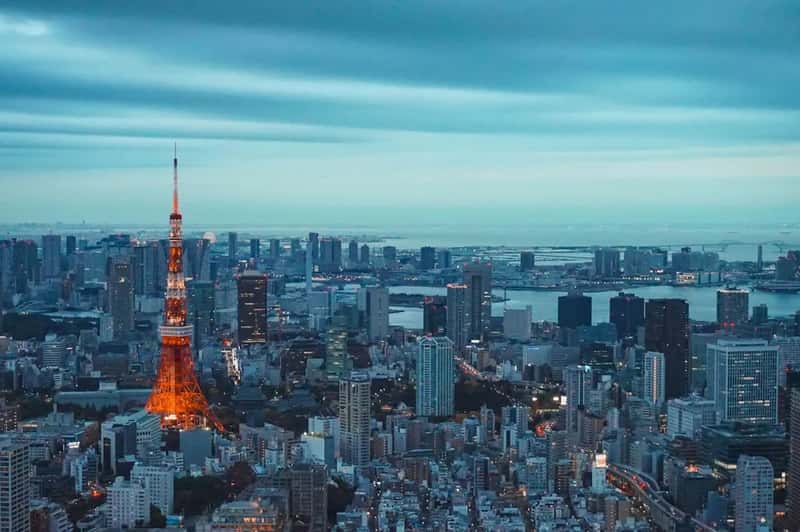
Japan rose three places to take the tenth and final spot in the 2026 Global Peace Index, helped by an improvement in the Ongoing Conflict domain[3]. Within Asia, it is one of the leaders alongside Singapore. Its rating rests on low crime, strong public order and tight firearm controls.
Travelers notice the practical details. Many Tokyo and Osaka lines reserve women only train cars during weekday rush hours, and major tourist areas are easy to explore alone.[12] One caveat from a travel blogger is that Japan isn’t known for its hostel scene, so you may spend a fair amount of time alone[13].
Denmark
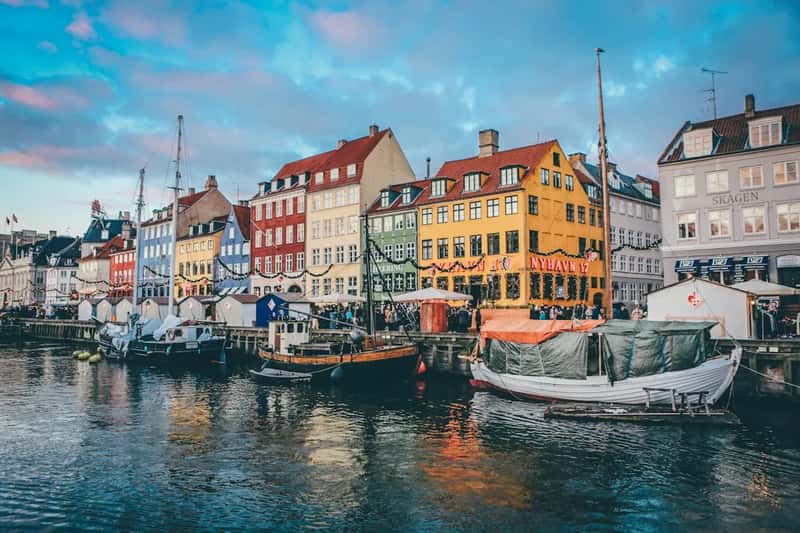
Denmark leads a different ranking. It tops the Women, Peace and Security Index with a score of 0.939, reflecting world leading female inclusion in work and politics, strong welfare support, near universal education and very low levels of gender based violence[14]. The index comes from Georgetown’s institute and the Peace Research Institute Oslo.
Its Global Peace Index story is more mixed. Denmark ranked eighth in 2025, a drop attributed more to other countries’ improvements than to its own decline[15], and it isn’t in the 2026 top ten. The Nordic region as a whole occupies all five of the top positions[8] in the women focused index, though researchers have also examined a Nordic paradox[8] in these results.