There’s a particular kind of relief that comes when you check your bank balance after a week abroad and realize you’ve barely made a dent. Not because you held back, but because the destination simply works in your favor. With the US Dollar Index climbing back above 101 in late June 2026, reaching a 13-month high near 101.6, its strongest level since May 2025, the timing for dollar-earning travelers is better than the headlines suggest.
For the destinations below, the dollar’s swing barely matters. The countries that deliver the most trip for the money do it on absolute prices, not exchange-rate luck: a bowl of pho, a guesthouse bed, a long-distance bus. These are the six places where that reality is clearest right now.
1. Vietnam: The Benchmark for Budget Value in 2026

If one country defines budget travel in 2026, it is Vietnam. Vietnam offers one of the most affordable cost-of-living profiles in Southeast Asia, with most estimates placing total expenses roughly sixty to seventy-five percent below the US average for a comparable lifestyle. That gap is staggering when you think about it in practical terms. A meal, a bed, a motorbike ride across the city, none of it costs what you’d expect.
In 2026, Vietnam travel costs average around twenty to thirty-five dollars per day for budget travelers and forty-five to ninety-five dollars per day for mid-range travelers, depending on cities, travel pace, and accommodation style. Favorable USD-to-VND exchange rates, typically around 24,000 to 25,500 Vietnamese dong per dollar as of 2026, significantly amplify the purchasing power of dollar-earning travelers. Street food like pho or banh mi runs between one and three dollars per meal, and the country’s hostels start at around five dollars per night. Vietnam still earns every bit of its reputation.
2. Turkey: A Lira in Freefall, a Dollar in Full Force
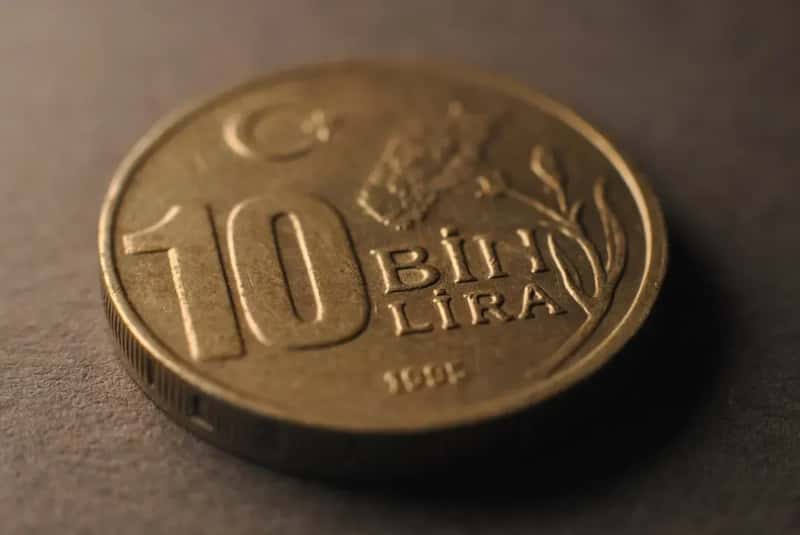
Turkey stretches a dollar a long way, especially after years of lira depreciation that pushed the currency past 46 to the dollar by mid-2026. Over the past twelve months, the Turkish lira has weakened by nearly seventeen percent against the dollar. For travelers spending in US dollars, that consistent depreciation translates directly into cheaper hotels, meals, tours, and transport across one of the world’s most culturally rich countries.
Istanbul, Cappadocia, and the Aegean coast offer rich food, history, and landscapes at budget-friendly prices, with simple meals and street eats running just a few dollars. Beyond Istanbul’s Grand Bazaar and Blue Mosque, travelers can discover the ancient ruins of Ephesus, the thermal terraces of Pamukkale, and the fairy chimneys of Cappadocia, famous for its hot air balloon rides. Just note that Turkey sits at Level 2, Exercise Increased Caution, for most tourist areas, while the southeast, specifically within ten kilometers of the borders with Syria and Iraq, is designated Do Not Travel due to terrorism and armed-conflict risk.
3. Georgia: Europe’s Best-Kept Affordable Secret
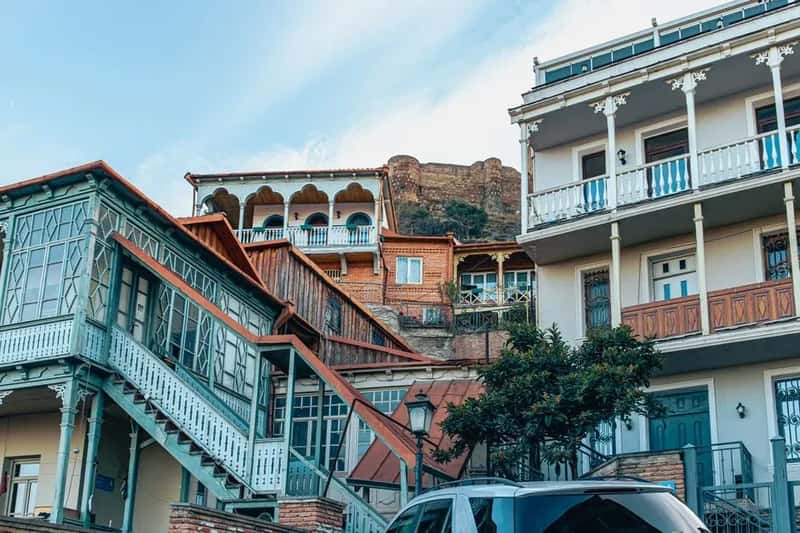
Georgia is a fascinating destination right on the edge of Asia and Europe, and it’s sometimes even rivalling the low costs of countries in South or Southeast Asia. Georgia and Armenia deliver mountain hikes and monastery towns at dinner-for-two prices that feel pre-euro-boom. The Georgian lari has remained relatively stable, but the country’s underlying cost structure is simply low, driven by a local economy where food, accommodation, and transport were never priced for wealthy tourists.
In its eccentric capital, crumbling facades of traditional wooden Georgian houses stand next to Soviet-era architecture and daring contemporary designs, and Tbilisi has a wonderful soul and character that surprises most visitors. From Tbilisi, you can explore the stunning Caucasian Mountain range, take a dip in the Black Sea, or visit ancient hilltop monasteries, including a few built inside caves. For those considering a longer stay, Georgia also offers one-year visas for remote workers, making it a practical base as much as a destination.
4. Serbia and the Western Balkans: Rational Prices in a Walkable Europe
Countries like Albania, Bulgaria, Serbia, and Bosnia and Herzegovina remain the last bastions of Old World affordability, and in a city like Belgrade, you’re doing more than discovering cheaper prices; you’re buying into a dense, walkable urban infrastructure that works in your favor. Belgrade is a walkable, high-energy hub where you can enjoy Old World soul and modern amenities at roughly sixty percent less than the cost of Berlin. That’s not a travel-blog exaggeration. It’s a structural reality tied to how wages, rents, and service costs are set in an economy that isn’t pegged to Western European norms.
With Bulgaria and Romania officially integrated into the Schengen Area as of 2025, the convenience has gone up without the prices immediately following suit. Serbia in particular has low day-to-day spending outside peak festivals, making it one of the better European options for a genuinely affordable trip. Albania is a compelling choice as well, with its time in the spotlight prompting concerns about overtourism, but in practice, apart from a few popular spots, Albania remains largely underexplored and crowd-free.
5. South Africa: Safari Country on a Dollar Budget

South Africa combines natural beauty with a favorable dollar exchange rate, making safari tours, vineyards, and luxury accommodations in Cape Town more accessible, while inflation and a weak rand mean travelers can now afford more activities and exclusive experiences. The South African rand has been on a persistent slide against the dollar for years, and that structural weakness is the traveler’s advantage. Wildlife experiences that would cost several thousand dollars in East Africa can be approached at far more accessible price points here.
With an exchange rate of roughly 17 to 18 rand per dollar, lodging, dining, and tours are all competitively priced in USD terms. The exchange rate makes it possible to enjoy high-end wildlife safaris, guided wine tours, and premium cultural experiences without overspending, and beyond the financial advantages, South Africa offers spectacular landscapes from mountain ranges to vast savannahs. Cape Town and the Garden Route are especially well-served for travelers who want beauty and comfort without the European price tag.
6. Mexico: Close, Accessible, and Still Genuinely Affordable

With an exchange rate of roughly nineteen to twenty Mexican pesos per dollar, Mexico remains a top pick for Americans looking for beaches, history, and rich culture, with easy access and favorable exchange. Mexico remains an inherently affordable destination, though the experience varies enormously depending on where exactly you go. The trick, as most informed travelers now know, is to step away from the resort corridors.
Many popular places in the Yucatan Peninsula, including Cancun and Tulum, are priced essentially at Western levels as they are geared entirely toward tourists, and Tulum even saw tourism collapse in 2025 with some of the lowest-ever occupancy rates. For greater affordability, look beyond the beach tourism hotspots. Head inland from Cancun to Merida or Bacalar, or go on a cultural trip to Mexico City, Puebla, or Oaxaca, areas that are overall safe and far better value. In those cities, a full sit-down dinner rarely costs more than ten dollars, and the cultural return per dollar spent is hard to match anywhere in the hemisphere.
What ties all six of these destinations together isn’t just a favorable exchange rate. It’s that their day-to-day costs, the street food, the local transport, the guesthouses, are priced for local economies rather than tourist expectations. The dollar’s bounce to a 13-month high changes the math at a Paris bistro far more than it changes the price of a guesthouse in Hoi An. The cheapest places stay cheap because their absolute costs are low, and that is the value worth chasing. Choose your destination wisely, lean into local habits, and the dollar doesn’t just go further. It goes surprisingly, almost embarrassingly, far.