Cruising feels like one of the simpler ways to travel. You unpack once, the ship carries you between destinations, and most of the logistics happen behind the scenes. Still, a handful of onboard policies trip up even seasoned travelers, not because the rules are hidden, but because they’re often explained quickly during boarding or buried in fine print nobody reads until it’s too late.
Some of these misunderstandings are harmless, leading to a confused moment at the front desk. Others can affect your wallet, your travel documents, or even whether you’re allowed to board at all. Here’s a closer look at six rules that generate the most confusion, and the reasoning behind why cruise lines enforce them the way they do.
1. The muster drill is mandatory, no matter how many cruises you’ve taken
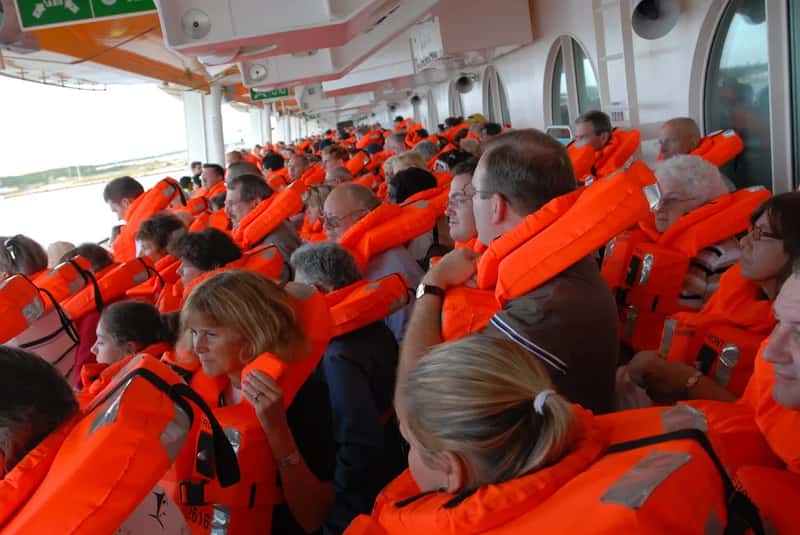
New cruisers sometimes assume the safety briefing is a formality they can skip if they’ve heard it before, or that loyalty status somehow exempts them. It doesn’t. According to the SOLAS Convention, all passengers that are the legally required age must participate in a muster drill within 24 hours of boarding a cruise ship.[1] That requirement applies to everyone, including guests on their fiftieth sailing.
The format has shifted in recent years. Many cruise lines have converted to a virtual muster process that allows guests to watch safety briefings from their smartphones or stateroom TV prior to visiting their muster station on their own within a specified window of time.[2] Even so, skipping it entirely isn’t an option. Every traveler, including children and repeat guests, must attend and follow instructions, and skipping the drill is not allowed.[3] The rule traces back to maritime history rather than modern bureaucracy; it exists because of lessons learned the hard way at sea.
2. Automatic gratuities can be adjusted, but they’re rarely eliminated for free

Many first-time cruisers are surprised to see a daily service charge appear on their onboard account, often assuming tipping is optional in the way it might be at a restaurant back home. On most mainstream lines, it isn’t quite that simple. Most of the large ship cruise lines, such as Celebrity Cruises, Holland America, Princess, Royal Caribbean and others, have a policy of automatically adding a set gratuity amount to your onboard account.[4] These charges typically run in the range of twenty to twenty five dollars per person, per day, depending on the cabin category and cruise line.
The money doesn’t just disappear into a general fund. Gratuities collected are pooled and applied toward the compensation of onboard crew members, including dining, bar and culinary services staff, stateroom attendants, hotel services teams, and others who work to enhance the overall cruise experience.[5] Passengers can request adjustments at guest services, though cruise lines increasingly ask for a valid reason. A smaller but growing group of luxury and premium lines, including Oceania, Virgin Voyages, and Seabourn, have folded gratuities directly into the fare instead, which is why policies can look completely different from one brand to the next.
3. Skipping a passport only works under very specific conditions
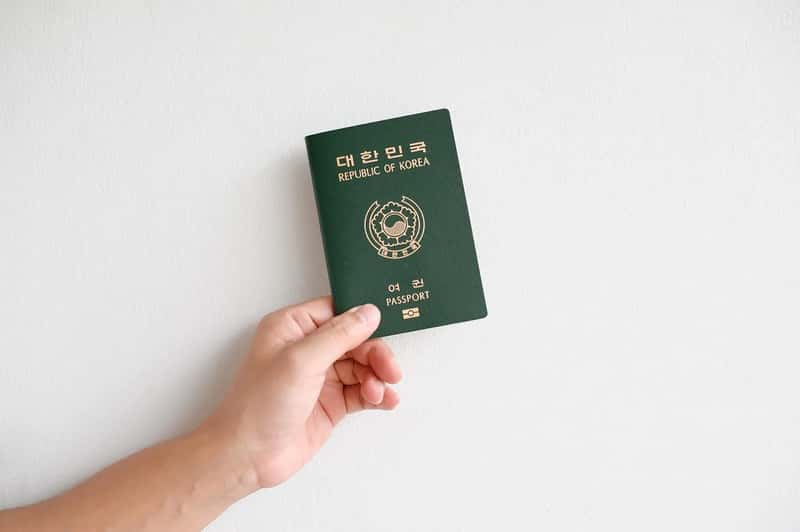
The idea that you can cruise internationally without a passport is technically true, but it comes with far more restrictions than most travelers realize. First, you must be a U.S. citizen, and second, the sailing must be a closed-loop cruise that departs from the United States.[6] A closed-loop cruise departs from and returns to the same port of call and visits at least one foreign port in between.[6]
Even within that narrow exception, the paperwork matters. U.S. citizens can cruise without a passport on a closed-loop cruise with just a birth certificate and government-issued photo ID, depending on the age of the traveler.[6] That said, plenty of experienced travelers still bring a passport anyway. In 2026, travel experts and cruise lines like Royal Caribbean and Carnival strongly recommend a valid U.S. Passport Book or Card instead.[7] The reasoning is practical: a medical emergency or missed departure in a foreign port can leave a passenger with no legal way to fly home without one.
4. Cabin door decorations face stricter limits than they used to
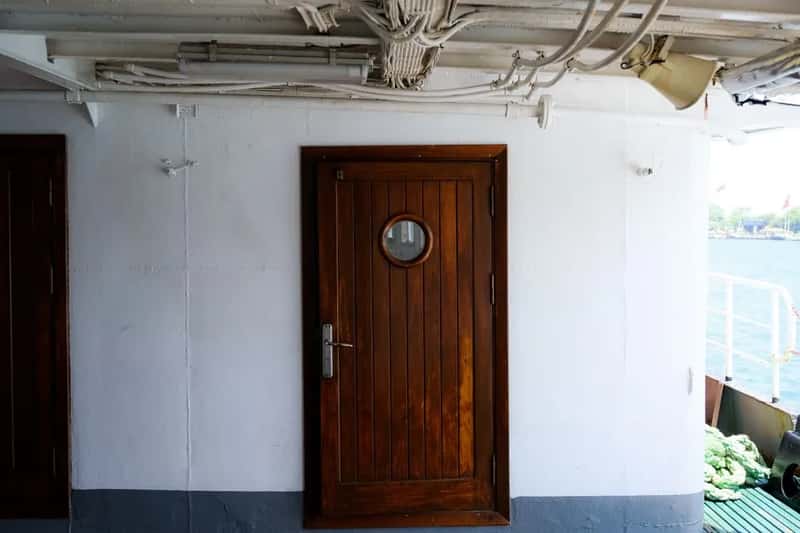
Decorating a stateroom door has been a cruise tradition for years, helping families spot their cabin in a long hallway of identical doors. What many passengers don’t expect is how specific the material rules have become. Door decor usually must be made from fire-retardant materials, and decorations cannot be attached with tape, nails, or adhesives like glue or removable gels.[8]
The reasoning combines fire safety with basic property protection. Cruisers who use superglues, heavy duct tape or command strips frequently ruin the paint or underlying finish of expensive metal doors.[9] Policies vary noticeably by brand. Norwegian Cruise Line does not allow the activity because the decorations used might pose a fire hazard, stating that it does not allow any type of door decorations, including paper or magnetic ones, due to their flammable nature.[8] Royal Caribbean, by contrast, generally welcomes flat magnets as long as they stay clear of hallway walls and door frames.
5. Bringing your own alcohol onboard isn’t the free pass some travelers expect
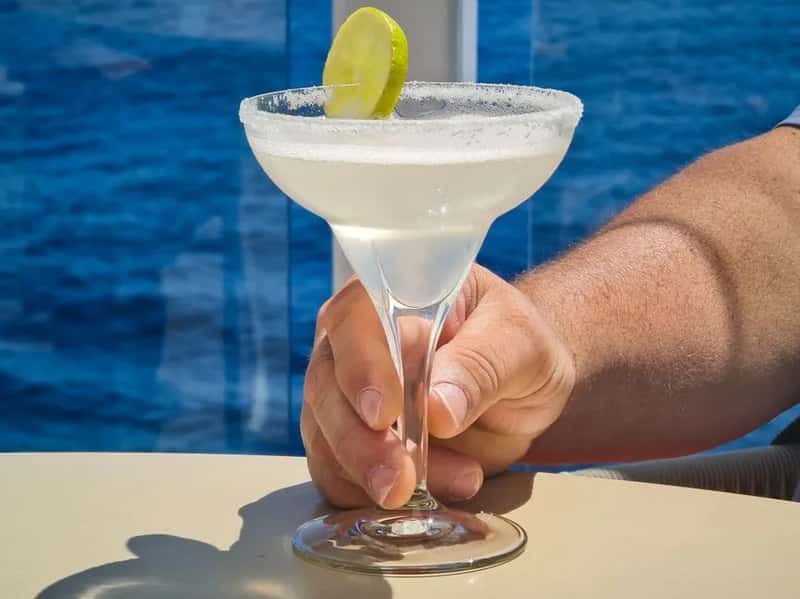
It’s a common assumption that cruise passengers can simply pack a bottle of wine or liquor for the trip the way they might for a hotel stay. In practice, most major cruise lines draw a firm line between wine or champagne and hard liquor. Bringing a bottle or two of wine in carry-on luggage at embarkation is often permitted on many lines, sometimes with a corkage fee if you plan to drink it in a dining venue, while spirits and hard liquor are typically confiscated at security and returned at the end of the voyage.
The distinction exists largely for revenue and safety reasons rather than arbitrary strictness. Bars and beverage packages make up a meaningful share of onboard spending, so cruise lines have little incentive to allow unlimited outside alcohol. Because policies differ from one cruise line to the next and can change between sailings, it’s worth checking the specific line’s current alcohol policy before packing anything beyond what’s clearly allowed.
6. Drones and certain electronics are more restricted than passengers assume

With drones becoming affordable and compact, some travelers pack one expecting to capture dramatic aerial shots of the ship or a port call. Most cruise lines prohibit drone use onboard entirely, and many ports and countries have their own aviation restrictions layered on top of that. The rule isn’t about ruining vacation photos; it’s rooted in passenger safety, privacy concerns in crowded outdoor spaces, and the fact that a ship at sea is a controlled environment where unregulated flying objects pose real risks.
Other electronics face lighter but still meaningful restrictions, including irons, certain power strips without surge protectors, and candles, all generally banned for fire safety reasons similar to the logic behind door decoration rules. The common thread across most of these restrictions is that a cruise ship operates under maritime safety regulations that don’t always match the assumptions passengers bring from hotel stays or air travel. Reading a cruise line’s specific packing guidelines before departure tends to prevent an awkward conversation at the security checkpoint.
Taken together, these six areas share a pattern. The rules usually exist for safety, liability, or straightforward operational reasons rather than to inconvenience travelers, even when they feel unexpected in the moment. Reading a cruise line’s specific policies before departure remains the simplest way to avoid a surprise at check-in or partway through the voyage.