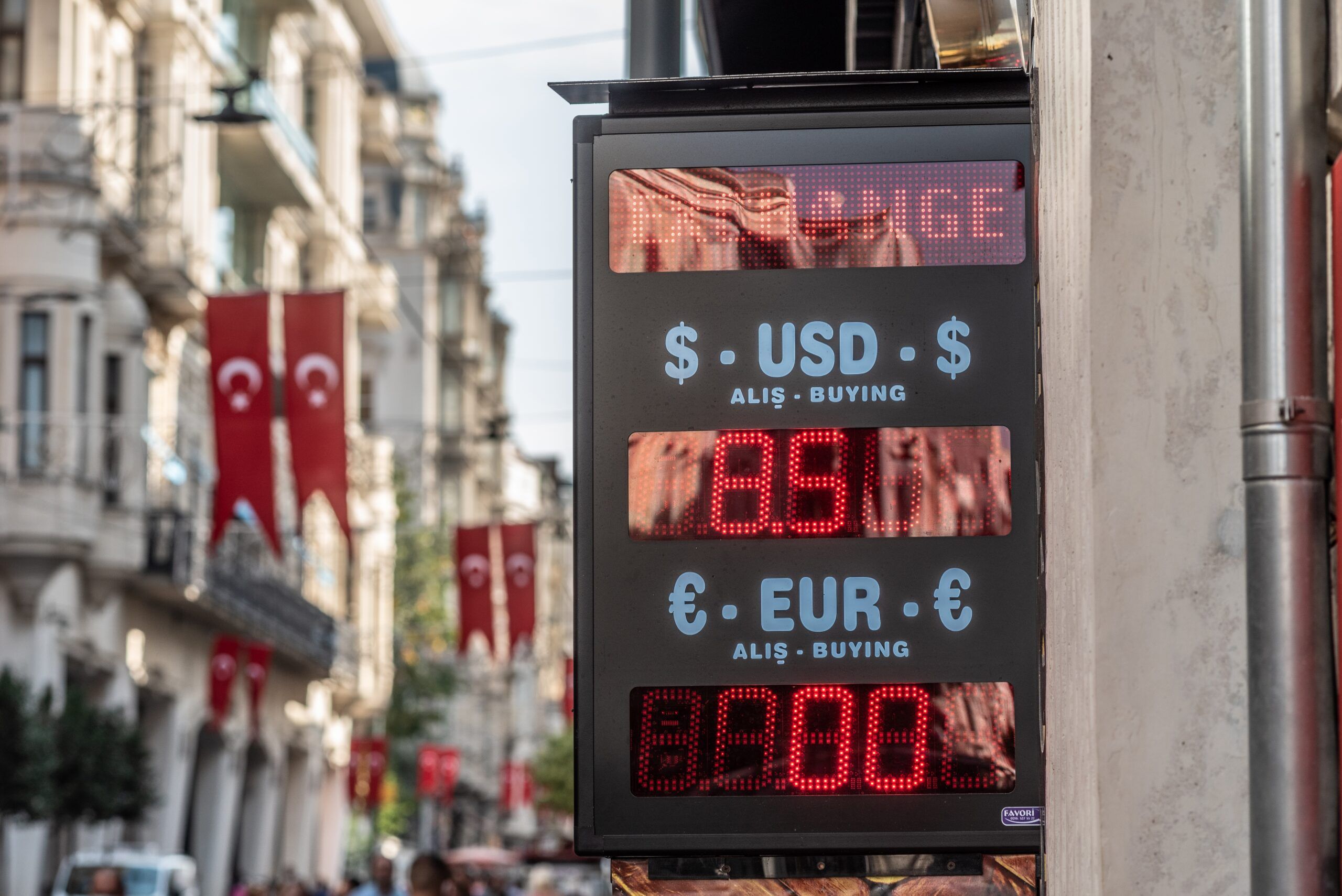
Most travelers plan their flights, hotels, and itineraries down to the hour, yet money habits abroad often run on autopilot. A tap of a card, a quick stop at a kiosk, a few extra bills pulled from an ATM. None of it feels like a decision, but each one quietly chips away at a travel budget.
The strange part is that these habits rarely look like mistakes in the moment. They feel convenient, even responsible. It’s only when the credit card statement or the year-end travel tally shows up that the pattern becomes obvious.
1. Saying yes to “pay in your home currency”
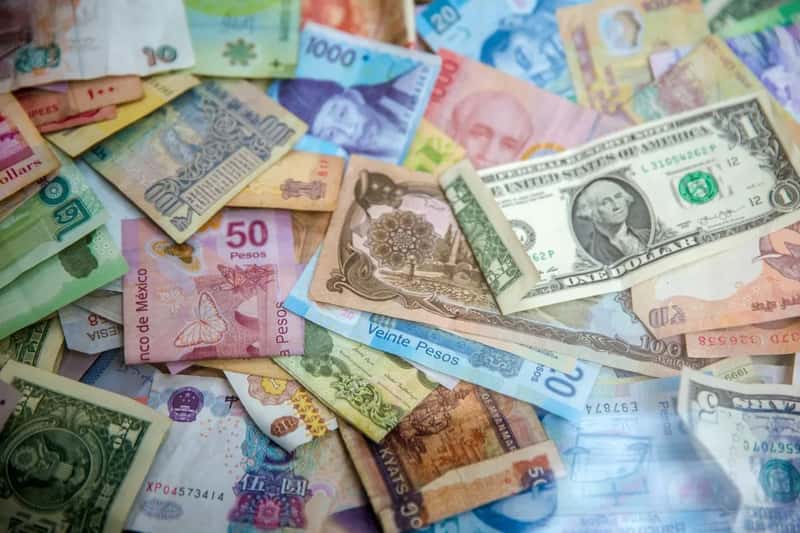
At checkout counters, restaurants, and ATMs across Europe, Asia, and Latin America, a screen often pops up asking whether you’d like to be charged in your own currency instead of the local one. It sounds like a favor. In reality, it’s a practice called dynamic currency conversion, and choosing dollars over local money typically means paying three to more in hidden markups[1].
The exchange rate applied in that moment is set by the merchant’s bank, not by Visa or Mastercard, and it is almost never competitive. The biggest issue with DCC is the exchange rate, which is never in your favor and includes a significant markup, often 4% to 7% higher than the rate your own bank would provide.[2] The fix is simple enough: whenever that prompt appears, choose the local currency, every time, no exceptions.
2. Exchanging cash at the first airport kiosk
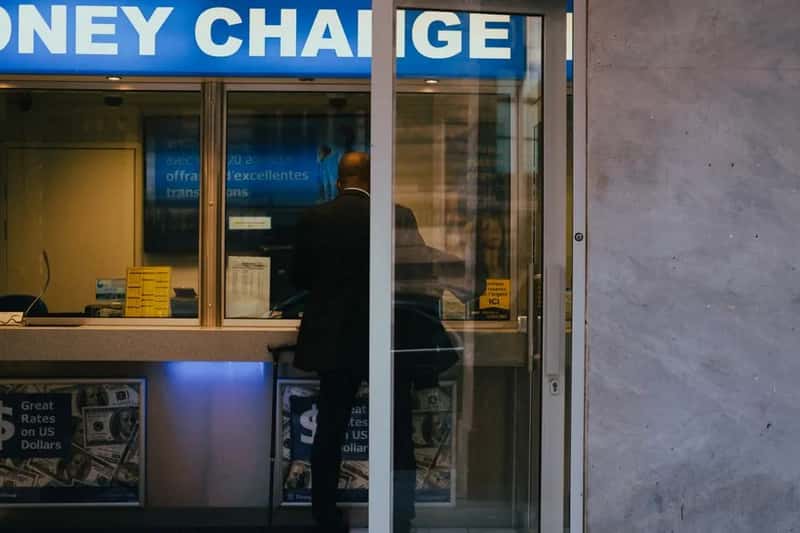
Landing in a new country with an empty wallet feels stressful, so the currency kiosk right past baggage claim looks like a relief. That relief comes at a steep price. Airport kiosks typically charge exchange rates that are 5-10% worse than market rates, plus additional fees that can range from $5-15 per transaction.[3]
Some counters are worse than others. It’s not uncommon for airport booths to charge as much as 17% more than the going exchange rate, and that’s before they add any fees on top of the transaction.[4] A better approach is to withdraw a small amount from an airport ATM tied to an actual bank, just enough to cover a taxi and a coffee, then handle larger exchanges once you’ve had time to compare options in town.
3. Ignoring the card’s foreign transaction fee

Plenty of travelers assume their everyday debit or credit card is fine for a trip abroad without ever checking the fine print. That assumption gets expensive fast. Your bank can charge you foreign transaction fees if you make a purchase or withdrawal from an ATM outside of the United States, and most institutions set foreign transaction fees between 1% to 3% of the purchase.[5]
On a modest trip, that might only mean a few dollars here and there. On a bigger one, it stacks up. If you spent, say, $3,000 at a hotel, you could be looking in the range of an additional $90 charge.[6] The good news is that this mistake is entirely avoidable, since a growing share of cards now waive the fee entirely, so a quick check before departure can save real money without changing anything about how you spend.
4. Making too many small ATM withdrawals
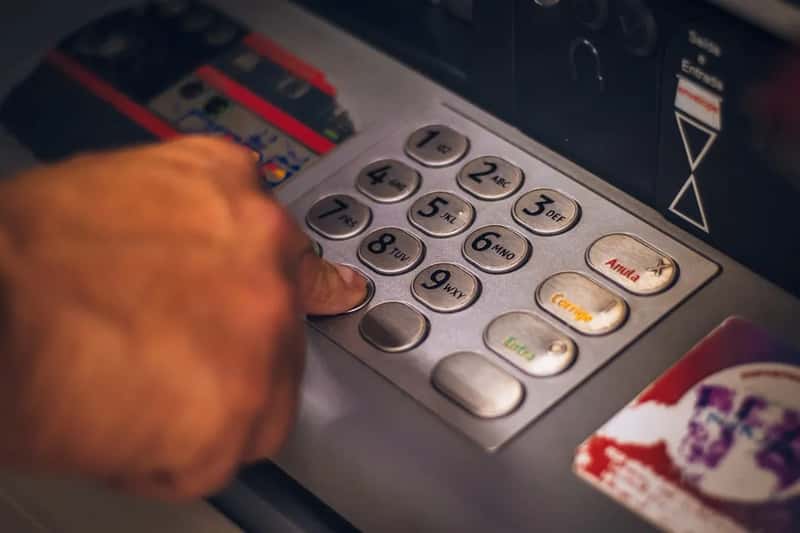
Pulling out a little cash every day feels cautious, almost disciplined. Financially, it tends to backfire. Pulling out local cash abroad can trigger up to three separate charges: the bank’s foreign-transaction percentage, a flat issuer fee of about $2 to $5, and a surcharge set by whoever owns the machine.[7]
Two of those three charges are flat fees, so they hit just as hard on a small withdrawal as a large one. Every withdrawal is a fee event, so pulling larger amounts less often matters. A $40 withdrawal with an $8 fee costs you 20 percent, while a $400 withdrawal with the same $8 fee costs you 2 percent.[8] Planning a rough daily cash budget ahead of time and withdrawing it in one or two larger trips to the ATM, rather than a handful of small ones, keeps more money in your pocket instead of the machine’s.
5. Treating a credit card like an ATM card
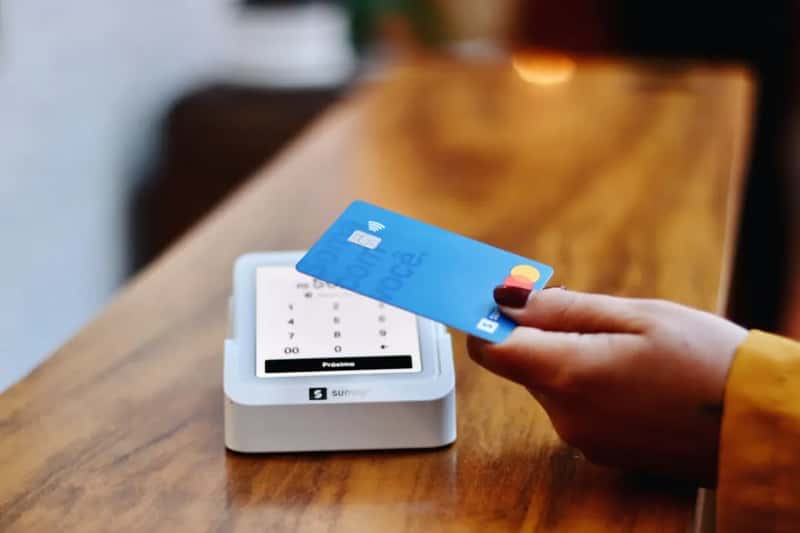
When cash runs low, tapping a credit card at a foreign ATM feels like the easiest fix. It’s actually one of the costliest moves a traveler can make. Cash advances on credit cards come with immediate interest, no grace period, and fees of 3 to 5 percent on top, undoing the whole point of avoiding ATM fees in the first place.[8]
Unlike a regular purchase, a cash advance starts accruing interest the moment the money leaves the machine, with no grace period to pay it off before charges kick in. There’s also no purchase protection or rewards earning to soften the blow. Carrying a separate debit card specifically for cash withdrawals, and reserving the credit card for purchases at hotels and restaurants, avoids this trap entirely.
6. Converting leftover cash back at the airport on the way home
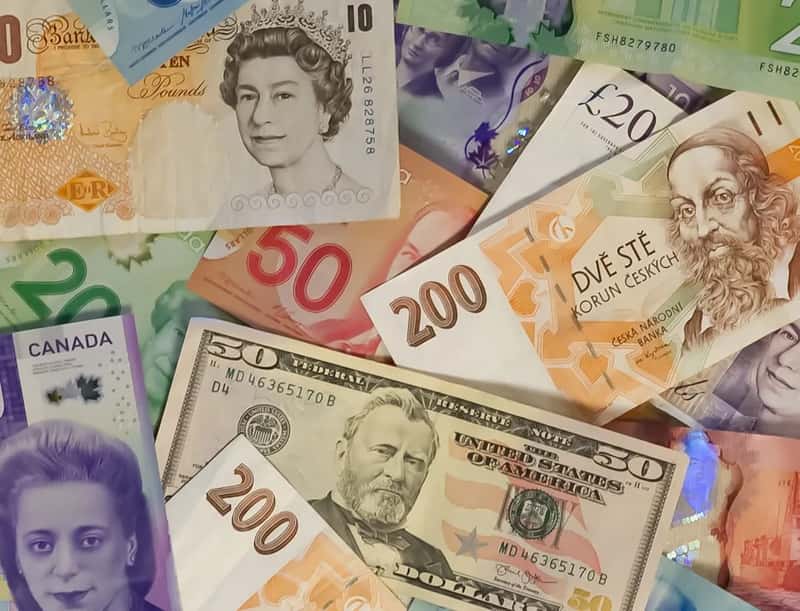
After a trip, a small stack of unfamiliar bills often ends up shoved into a drawer or exchanged back at the departure airport in a rush to catch a flight. Both habits cost money. Airport counters that buy back foreign currency use the same wide, unfavorable spreads they used when selling it, meaning travelers effectively lose twice on the same bills.
Banks and licensed exchange offices in town almost always offer better buy-back rates than anything inside a terminal, and comparing a couple of options before departure day takes only a few minutes. Rates can vary by up to 5 percent between banks, so it’s worth comparing a few before exchanging any meaningful amount.[9] Spending down small bills on souvenirs or snacks before heading to the airport, rather than converting them back at a loss, is usually the simplest fix of all.
None of these habits are dramatic on their own. A few extra percentage points here, a flat fee there, a rushed decision at a kiosk. Added together over the course of a single trip, though, they can quietly account for a noticeable slice of a travel budget, money that could have gone toward one more good meal or a slightly nicer hotel room instead.