There’s something almost rebellious about a culture that decides, collectively, to pause the entire day for rest. While much of the modern world glorifies hustle and nonstop productivity, a handful of places still protect that quiet midday window when shops shutter, streets empty out, and people simply slow down. Some of these traditions trace back to Roman sun cycles, others to farming schedules built around brutal afternoon heat, but all of them offer a glimpse into a different relationship with time.
Travelers often stumble into these customs by accident, frustrated to find a pharmacy locked or a café dark in the middle of the afternoon. Yet once you understand the rhythm, it becomes one of the more charming parts of visiting these destinations. Here are six places where the afternoon rest isn’t just a stereotype, it’s a genuine part of daily life.
1. Spain
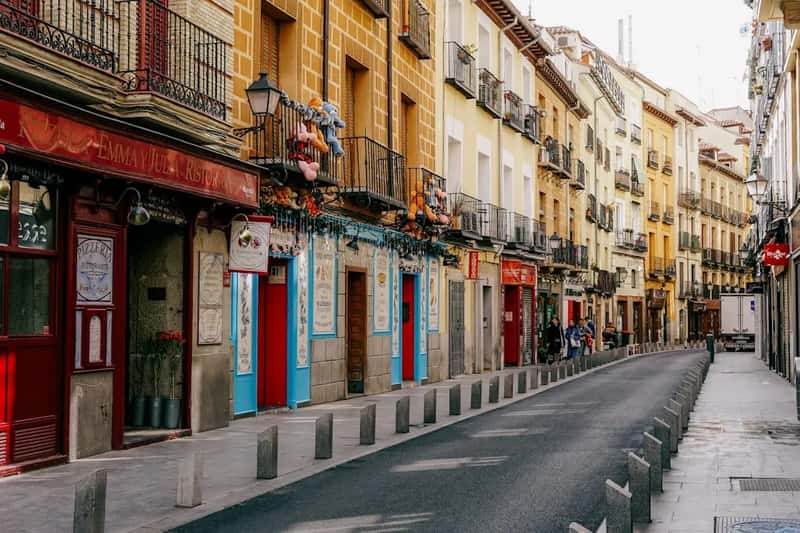
Spain remains the destination most people associate with the word siesta, and for good reason. The siesta is such a large part of Spanish culture that some cities and towns still become ghost towns for a couple of hours in the afternoons, especially in smaller towns where supermarkets, shops and even cafes and restaurants close.[1] The tradition is closely tied to the country’s eating schedule, since locals eat lunch from around two to three in the afternoon, and nobody is out shopping because everyone is having their meal.[2]
What surprises many visitors is that the timing itself is a legacy of history rather than pure climate. Spain uses Central European Time despite sitting roughly in line with the UK’s Greenwich Mean Time, which pushes daily activities later, meaning lunch around two to three in the afternoon and dinner around nine to eleven at night are tied to a time-zone decision made in the 1940s.[3] The practice has faded in big cities like Madrid and Barcelona, but it hasn’t disappeared. The siesta remains deeply embedded in Spanish culture, particularly in southern regions like Andalusia where the heat makes afternoon rest almost essential.[4] In the small Valencian town of Ador, the custom is practically enforced by local decree, with a mayoral decree giving citizens the right to an afternoon nap, and the entire town closing from two to five in the afternoon.[5]
2. Italy
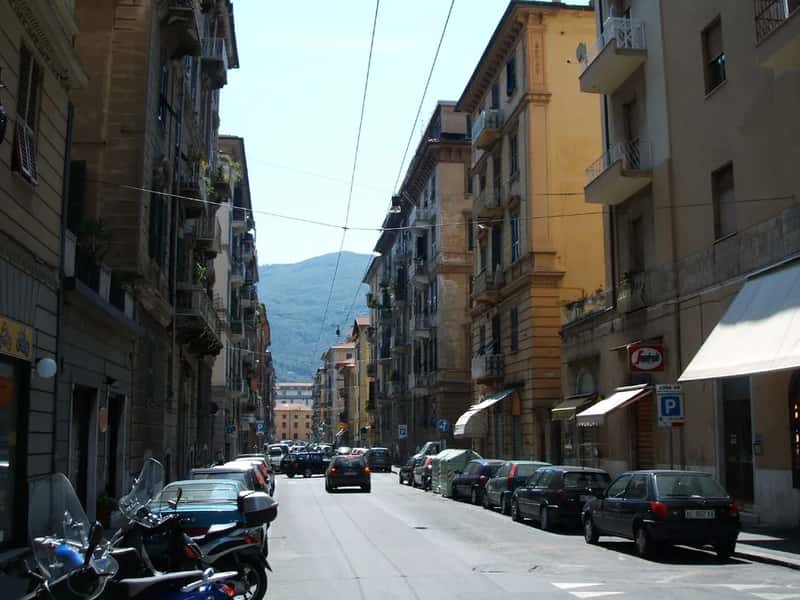
Just across the Mediterranean, Italians observe their own version known as riposo, and it can stretch impressively long. Italians practice a tradition known as riposo, a midday break that occurs every day around noon and can last three to four hours, most often honored in small towns.[6] Since lunch doubles as the day’s main meal, the break gives families time to gather, eat properly, and unwind before the day resumes.
The effect on daily commerce is unmistakable in rural areas. Many rural Italian villages become ghost towns in the afternoon, with restaurants, pharmacies, and even police stations closing for riposo.[6] The custom carries an emotional weight beyond simple rest, too. What makes Italy’s approach unique is its emphasis on family connection during this time, with many shops closing so owners and workers can go home, enjoy a home-cooked lunch, and treat riposo as a cultural institution that prioritizes work-life balance over constant productivity.[4] Visitors touring smaller towns in Tuscany, Sicily, or Puglia should plan museum and shopping visits around this window rather than against it.
3. Greece
Uploaded by Gary Dee, CC BY 2.0)
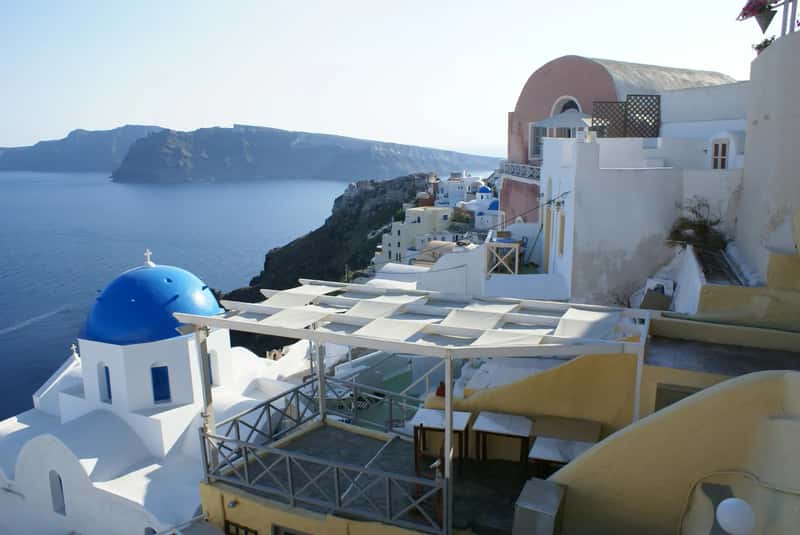
Greece treats its midday rest with a seriousness that borders on legal protection. Siesta is a sacred tradition in Greek culture, so sacred that a law called the “Hours of Common Silence” was written to protect it.[5] The local term for this quiet period varies depending on the source, sometimes called mesimeri or kalo mesimeri, and it typically falls in the mid to late afternoon.
While the custom has softened in heavily touristed areas, it hasn’t vanished from everyday Greek life. Siesta is less common in the touristy parts of Greece, but that doesn’t mean Greeks have forgotten its existence.[5] Beyond individual habit, the country has taken formal steps to preserve quiet hours as a matter of public policy. Greece has passed local noise ordinances to protect the quiet of the early afternoon.[7] Anyone wandering a Greek island village around three in the afternoon will notice the shutters down and the streets nearly silent, a scene that feels worlds away from the buzzing tavernas of the evening.
4. Mexico
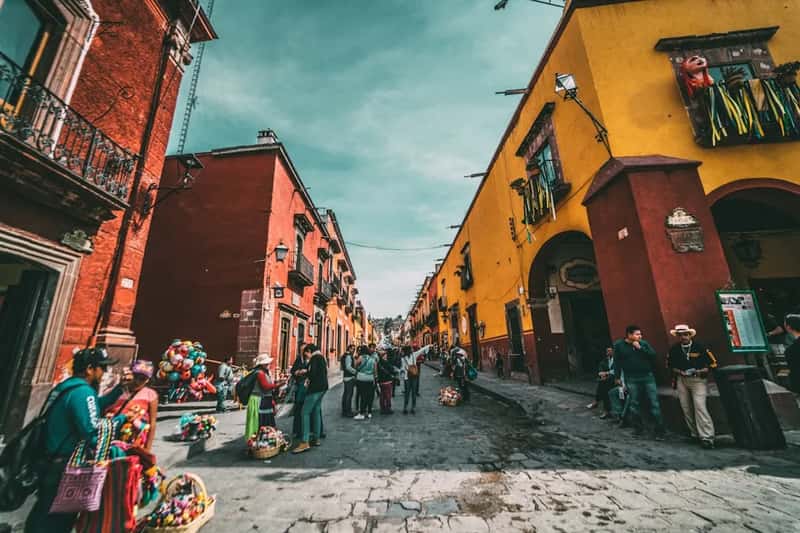
Mexico’s relationship with the siesta has deep historical roots, though it looks different today than it once did. Up until around the 1940s, siesta culture was prevalent in big Mexican cities such as Mexico City, with the hour of rest beginning around one in the afternoon and accounting for shops, businesses, and schools closing for la comida, the largest meal of the day.[6] That structured citywide pause has largely disappeared from major urban centers, replaced by a faster-paced business schedule more aligned with international norms.
Still, the spirit of the tradition survives in smaller communities and warmer regions. Today, traditional siesta culture holds more prominence in hotter or rural regions, and although Mexicans still eat their biggest meal in the afternoon, naptime isn’t always prioritized, with the modern siesta often condensed into a power nap lasting roughly twenty to thirty minutes.[6] Beyond Mexico, the same pattern shows up elsewhere in Latin America. In Mexico, Ecuador, and Costa Rica, midday breaks remain part of traditional daily life, especially in regions where heat and meal culture support stepping away from work, with the practice strongest in smaller towns and agricultural areas.[7]
5. The Philippines
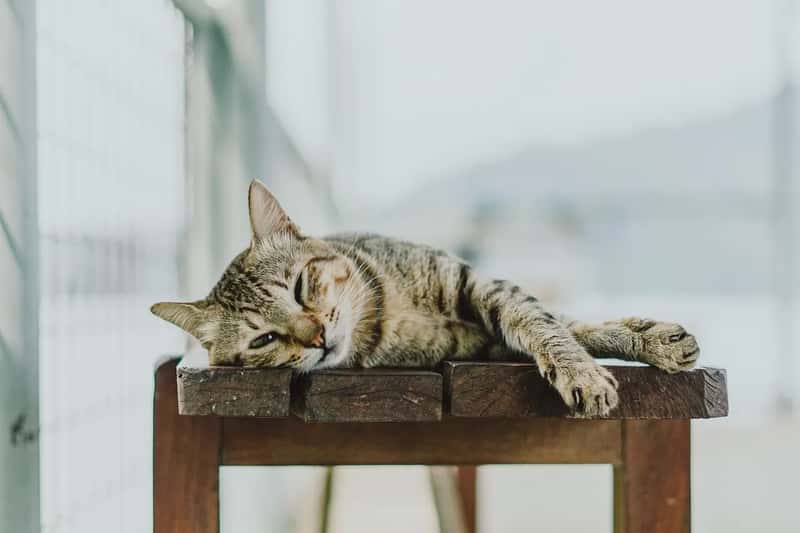
Thanks to more than three centuries of Spanish colonial influence, the Philippines inherited its own version of the midday rest, locally known as idlip. In the Philippines, the midday nap is a long-held custom that has been around since Spanish colonization, and after the Spanish left in 1898, Filipinos continued the tradition under the name idlip, meaning slumber.[6] Unlike some Mediterranean versions built around long lunches, the Filipino take tends to be shorter and more practical, fitting into the rhythm of a tropical climate.
The custom has persisted especially outside the biggest cities. The tradition traveled across the Pacific to the Philippines, which was under Spanish rule for over 300 years, and the Filipino siesta remains a common practice, especially in rural provinces.[8] In many provincial towns, workplaces and even some schools still build a short rest period into the early afternoon schedule, a small nod to comfort in a climate where midday heat can be relentless year round.
6. China
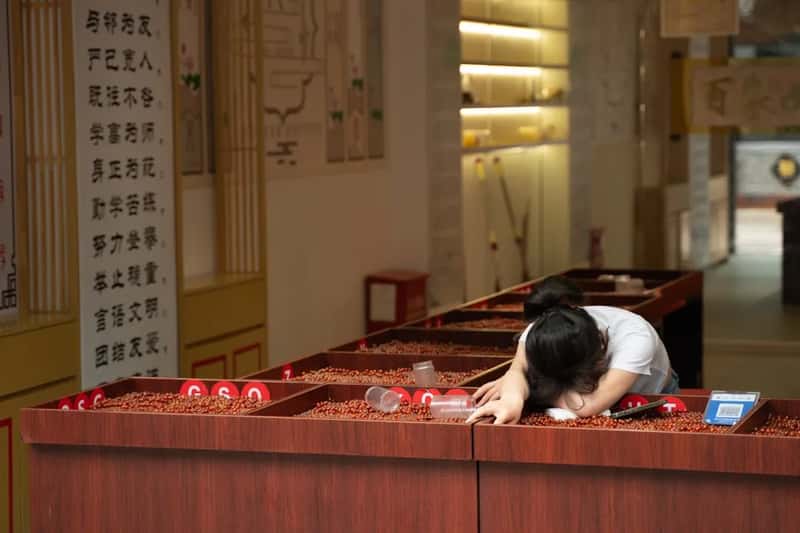
China might not fit the classic siesta image most travelers picture, but its commitment to the afternoon nap is arguably more institutionalized than anywhere else on this list. In China, the afternoon nap is known as “xiuxi” and is common among students and office workers, with the Chinese Constitution even including a clause stating that workers have the right to rest during lunchtime.[9] Offices across the country often pause together, with a common nap window from around one to one thirty in the afternoon, called wu jiao, particularly common in the southern and south-eastern regions of the country.[10]
Nowhere illustrates this dedication better than Shanxi province in the north. According to the Chinese Sleep Research Society, over 60% of people surveyed in Shanxi, Chongqing, Anhui, and Guangdong still take regular afternoon naps.[11] The habit is visible everywhere in daily life there, since students and white-collar workers are allowed to take naps in schools and offices, and people who work in shops can regularly be seen snoozing right next to their wares.[12] It’s a striking reminder that napping culture isn’t confined to sun-drenched Mediterranean towns; it thrives in bustling Chinese cities too, backed by both tradition and, remarkably, constitutional language.
What ties these six places together isn’t laziness, despite what outsiders sometimes assume. It’s a shared understanding that pushing through the hottest, most sluggish hours of the day rarely produces better work or a better life. Whether it’s a Spanish shopkeeper pulling down the shutters, an Italian family gathering for a long lunch, or a Chinese office going quiet for thirty minutes, the underlying instinct is the same: rest first, then get back to it. For travelers, adjusting to that rhythm rather than fighting it often turns into one of the more memorable parts of the trip.