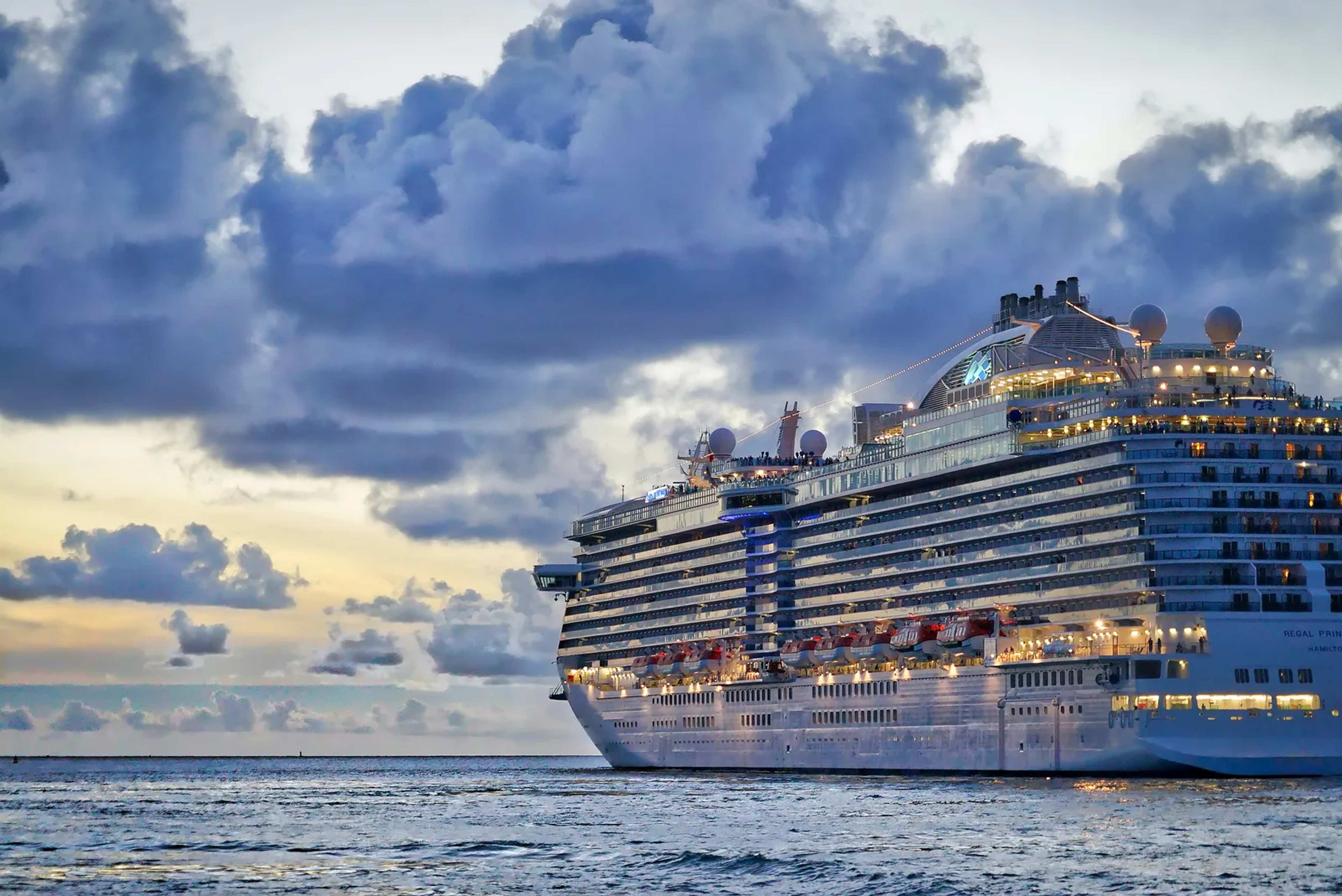
Travel has bounced back stronger than almost anyone predicted, and in a handful of places that comeback has curdled into something closer to resentment. It is not that locals hate visitors outright. It is that the sheer volume of people, combined with housing pressure and strained infrastructure, has pushed some communities past their limit. From water pistols in Spain to daily hiker caps in Japan, the response has moved from grumbling to actual policy, and in some cases to open confrontation on the street.
Barcelona and Mallorca, Spain

Barcelona has become the poster child for tourist fatigue in Europe, and the frustration boiled over into something almost cinematic. In the summer of 2024, after years of enduring the pressures of overtourism, locals in Barcelona ramped up their protest, with thousands gathering to chant “tourists go home.”[1] The moment that went viral involved a small group with toy water pistols spraying diners at outdoor cafes, and the images spread far beyond Spain.
The anger did not fade with the season. Protesters used water pistols against unsuspecting tourists in Barcelona and on the Spanish island of Mallorca in June 2025 as demonstrators marched to demand a rethink of an economic model they believe is fueling a housing crunch and erasing the character of their hometowns, part of the first coordinated effort by activists across southern Europe’s top destinations.[2] Organizers hung stickers reading “One more tourist, one less resident” and stuck notices saying “Citizen Self-Defense” and “Tourist Go Home” on hotel and hostel doors.[3] With Barcelona attracting over 15 million tourists a year[4], and Spain as a whole having welcomed a record 94 million international visitors in 2024[5], the numbers behind the frustration are hard to dismiss.
Canary Islands, Spain
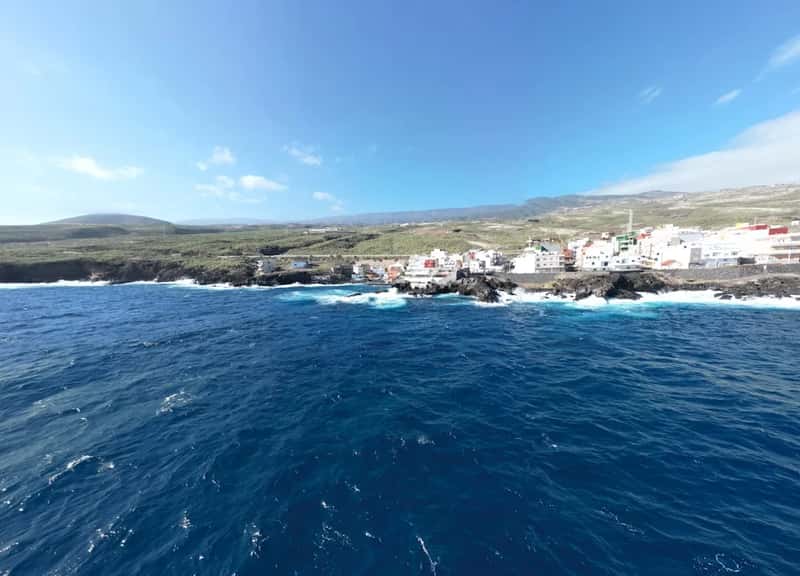
The Canary Islands have arguably seen the most sustained protest movement of any European destination. Around 30,000 people took to the streets of the different cities and towns of the archipelago in October 2024 under the banner “The Canary Islands have a limit.”[6] Residents point to a stark contradiction: tourism dollars flow in, but locals often cannot afford to live where they were born.
Tourism increased in 2025, with a whopping 7.8 million visitors flocking to the islands and over 27 million airport passengers[7] passing through. The economic strain is real too, since a third of residents in the Canary Islands were at risk of poverty in 2023[8], even as visitor spending climbed. Demonstrators have called for a halt to destructive hotel projects across the islands, a moratorium on new tourist developments, guaranteed access for residents to healthcare and housing, and a functional ecological tourist tax[9], and the pressure has been enough that the archipelago landed on Fodor’s Travel “No List” for 2025, appearing on the list once more for 2026[7].
Venice, Italy
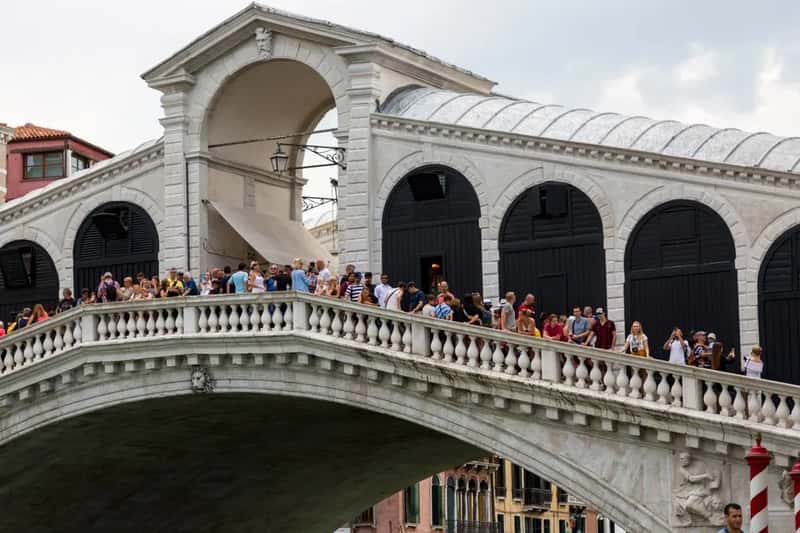
Venice took a different approach than street protest, opting instead to make day-trippers pay for the privilege of a quick visit. On April 25, 2024, Venice implemented what is considered the world’s first tourist entry fee to curb mass tourism and make the city more liveable for its residents, charging €5 for each day that day trippers visit the city.[10] The fee does not touch overnight guests, since it does not apply to overnight guests, as they already pay a separate tourist tax through their accommodation[11].
The policy has only expanded since its trial run. In 2026, daytrippers are required to pay from Friday to Sunday across April, May, June, and July[12], which marks an increase from the 54 days during which the fee was applied in 2025[11]. Whether it is actually thinning the crowds is debatable, since on the busiest day recorded, 24,951 visitors paid the daytripper fee, a number equivalent to over half the resident population[12], and critics argue that without broader measures like limiting cruise passengers or short-term rentals, an entry tax alone is too weak to curb overtourism’s impacts[13].
Kyoto and Mount Fuji, Japan
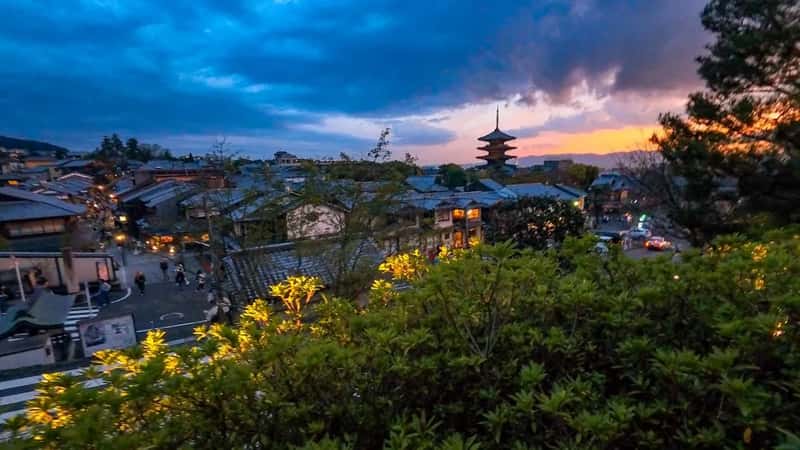
Japan spent years actively courting foreign visitors, and now it is dealing with the consequences of having succeeded almost too well. Japan welcomed a record-breaking 47 million international visitors in 2025, and the country has responded with some of the strictest tourist behaviour laws ever enforced, from Kyoto’s Gion district to the summit of Mt. Fuji.[14] Locals in Kyoto’s historic geisha district had reportedly grown tired of tourists chasing performers for photos, so authorities acted.
The rules now bite in specific, enforceable ways. Kyoto has banned tourists from entering private alleys in the Gion district and from chasing or photographing Geiko without consent[14]. Mount Fuji, meanwhile, has gone from a free-for-all to a strictly managed site, with a mandatory ¥4,000 fee, roughly $25, required for all four main ascent routes starting in the 2026 climbing season, paired with capacity controls to eliminate the dangerous overnight “bullet climbing” practice[15]. The most popular route, the Yoshida Trail, is now capped at 4,000 climbers per day, and visitors without overnight hut reservations may be denied entry during restricted hours[15].
Amsterdam, Netherlands
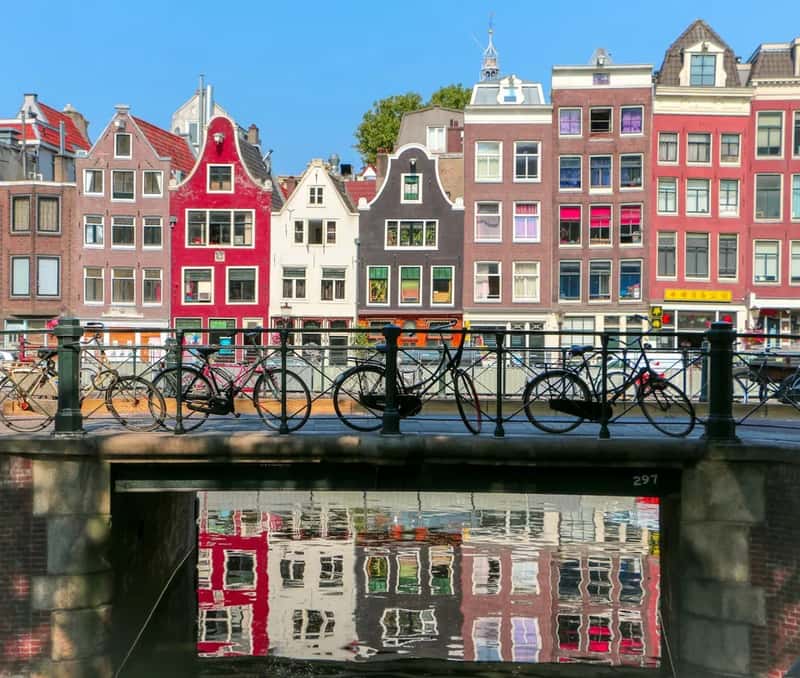
Amsterdam took a quieter but no less deliberate route: it actively tried to talk certain visitors out of coming. The city ran a “stay away” style messaging campaign aimed specifically at young, rowdy travelers looking for a cheap party weekend, tying the tone directly to complaints from residents about noise, public drunkenness, and canal-side chaos in the historic center. City officials also moved to cap the number of overnight tourist beds, restrict new hotel construction, and push cruise ships away from the central docks to ease congestion in the oldest parts of town.
The red light district became a particular flashpoint, with local business owners and residents pushing back against crowds treating the area as a photo-op rather than a functioning neighborhood. Proposals to relocate parts of the district, restrict window displays to certain hours, and limit large tour groups all stemmed from the same underlying complaint heard across Europe: too many visitors concentrated in too small a footprint, with locals absorbing the daily cost.
Bali, Indonesia
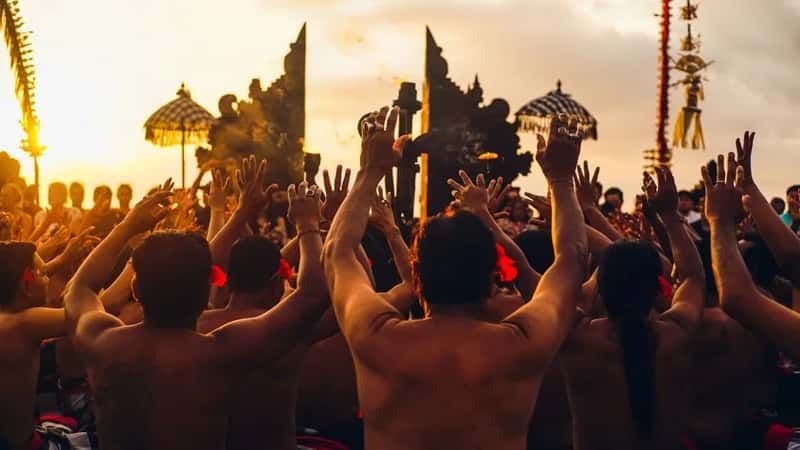
Bali’s tension looks different from Europe’s, but the root cause rhymes. Years of rapid growth in short-term rentals and villa developments, much of it aimed squarely at foreign tourists and digital nomads, pushed land prices and rents up sharply in areas like Canggu and Ubud, leaving many Balinese families priced out of neighborhoods their own families had lived in for generations. Local authorities responded with a tourist levy collected on arrival, along with public campaigns reminding visitors that temples and ceremonies are active religious sites, not backdrops for social media content.
Behavior has been the flashpoint as often as economics. Reports of tourists posing disrespectfully at sacred sites, ignoring traditional dress codes, or riding scooters recklessly without valid licenses have repeatedly drawn public criticism and calls from local officials for tighter enforcement, including talk of restricting foreigners from renting motorbikes altogether in some regencies. The underlying message from many Balinese communities has been consistent: tourism is welcome, but not at the cost of cultural respect or the ability of locals to still afford a home on their own island.
The common thread across all six places is not that tourism itself is unwanted. It is that the current pace and scale have started to outstrip what housing markets, infrastructure, and daily life can comfortably absorb. Fees, caps, and campaigns are the polite version of the message. Water pistols and street marches are the louder one. Either way, the destinations on this list are signaling the same thing: visit, but visit differently.