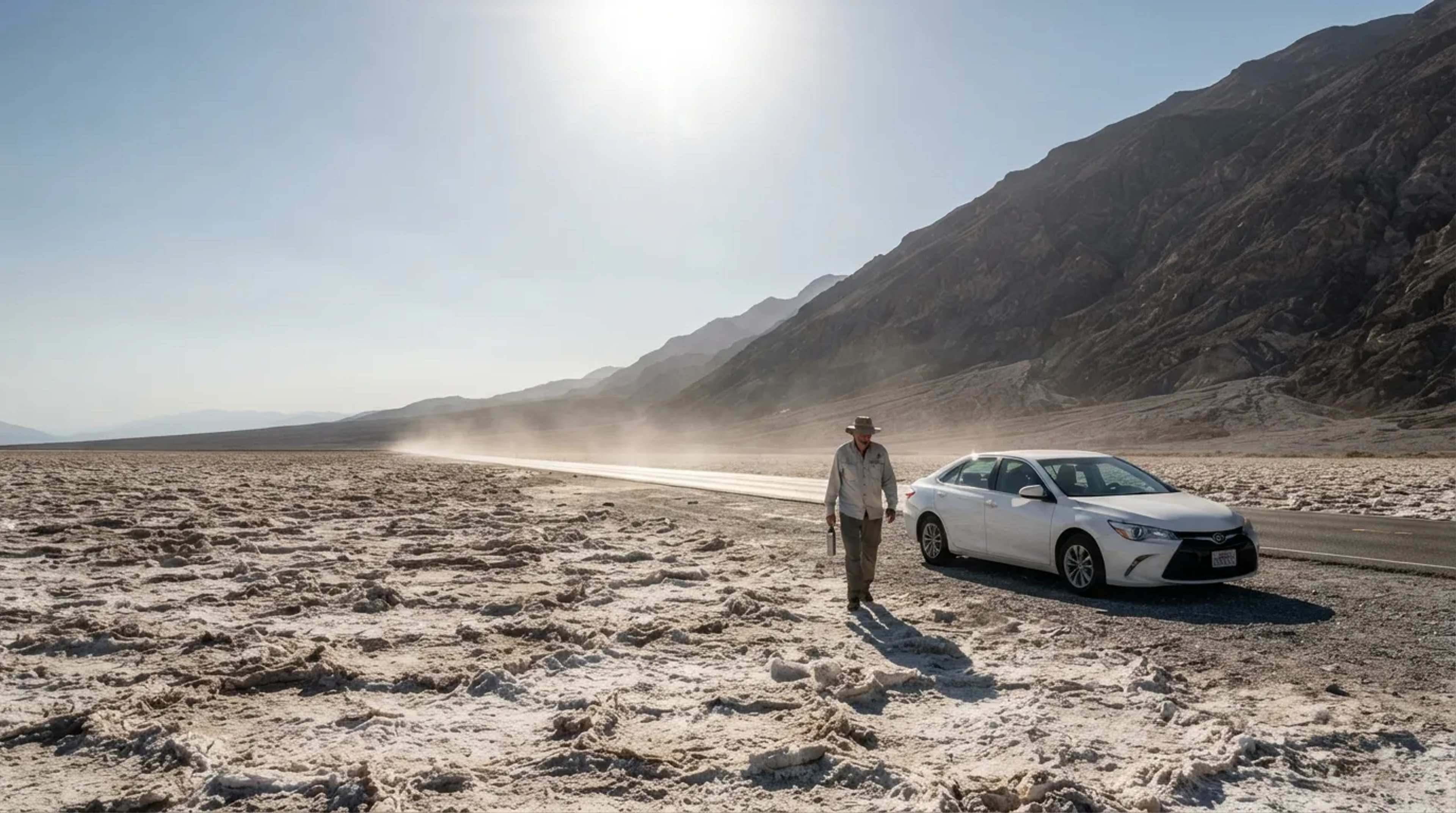
Packing for a trip usually comes down to weather, comfort, and maybe a few souvenirs you hope to bring home. Most travelers never think twice about tossing a pack of gum, a favorite snack, or an old camo jacket into their suitcase. Yet a surprising number of ordinary household items sit on customs blacklists around the world, and getting caught with one can mean anything from a confiscated bag to an actual court date.
Poppy seeds

It sounds almost absurd, but poppy seeds, the kind sprinkled on bagels or baked into cakes, are treated as a controlled substance in the United Arab Emirates. Importing poppy seeds or products containing them is strictly prohibited in the UAE, and even trace amounts on clothing can raise suspicion at customs. The seeds come from the opium poppy and contain minute traces of morphine and codeine, which is enough for UAE law to classify them alongside narcotics.
This is not a theoretical risk. A visitor faced ten years in jail after a Dubai court convicted him of smuggling 123 grammes of poppy seeds from his hometown in Pakistan, along with a fine of fifty thousand dirhams. Other travelers, including home cooks who insisted the seeds were meant for soup or bread, have found themselves in similar legal trouble at Dubai International Airport, which is why UAE travel advisories specifically warn against packing anything containing them.
Chewing gum

Singapore’s relationship with chewing gum is one of the most talked about oddities in travel law, though the reality is more nuanced than most people assume. The sale of chewing gum in Singapore has been illegal since 1992, and it is not illegal to chew gum in Singapore, but it is against the law to import it and sell it, apart from a few exceptions. The ban traces back to a very specific nuisance rather than any moral objection to gum itself.
In 1992, the country decided to ban the sale and importation of chewing gum altogether, after commuters started leaving their chewed gum on subway doors and causing breakdowns in the transport system. Technically, bringing in a pack for personal use is a gray area that authorities rarely pursue, but anyone convicted of importing chewing gum can be fined up to ten thousand Singapore dollars and jailed for up to one year on a first offence, with harsher penalties for repeat violations. Selling it, even casually, carries its own separate fine.
Kinder Surprise eggs

The chocolate egg with a toy hidden inside is a childhood staple across Europe, Latin America, and much of the world, but it remains flatly banned in the United States. Kinder eggs are a prohibited item because they contain a toy surprise hidden inside that poses a choking and aspiration hazard for children younger than three, and they may not be imported into the United States, where they will be confiscated and destroyed. The rule stems from decades old food safety law rather than any recent controversy.
Under the 1938 Federal Food, Drug, and Cosmetic Act, the eggs can be classified as an adulterated food and are forbidden to be sold. Border seizures happen constantly, since travelers often assume a candy this popular elsewhere must be fine to bring home. Since 2010, U.S. Customs and Border Protection has made more than 3,176 seizures of Kinder Chocolate Eggs at mail facilities, commercial shipments, and from individual travelers at airports and border crossings. Ferrero eventually launched Kinder Joy, a reformulated version sold legally in the US, as a workaround.
Camouflage clothing

A camo t-shirt might feel like an unremarkable wardrobe choice, but across much of the Caribbean it is treated as a serious offense. Countries including Antigua, Barbados, Dominica, Grenada, Jamaica, St. Kitts and Nevis, St. Lucia, Saint Vincent and the Grenadines, and Trinidad and Tobago all enforce strict bans on camouflage clothing at their ports, and violations can carry consequences ranging from hefty fines to jail time. The reasoning is rooted in security rather than fashion policing.
Barbados prohibits camouflage clothing under its Defense Act, since officials don’t want citizens or tourists wearing attire that mimics their military forces, as this could help criminals pose as service members. The ban is broader than people expect, covering more than just green jungle prints. The restriction extends beyond the typical green variety, applying to camouflage in hues across the spectrum, including blue, grey, black, and even pink. Cruise lines now routinely warn passengers ahead of Caribbean stops, since customs officers will confiscate the clothing on sight.
Satellite phones
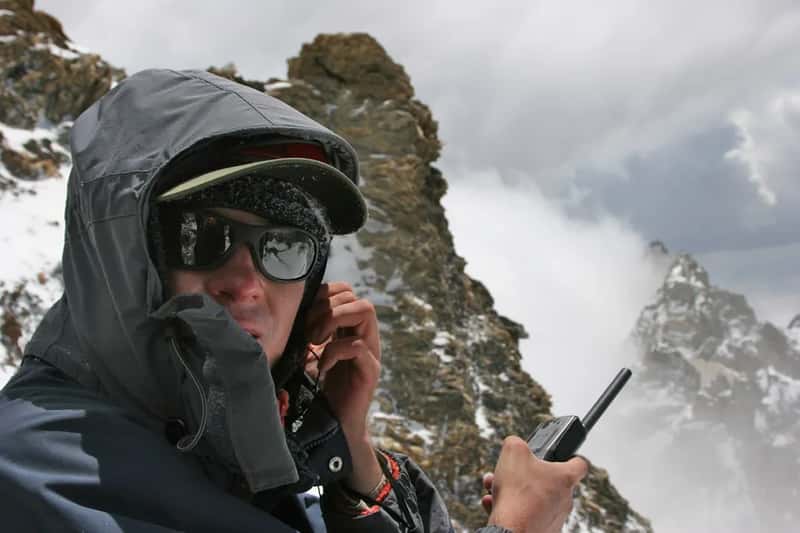
For hikers and remote travelers, a satellite phone can feel like a sensible safety net, but carrying one into India without the right paperwork is a genuine legal risk. Satellite phones are illegal for foreigners to bring into India, but they are legal in India if registered and licensed by the government, according to a former Navy SEAL and senior security operations manager. The restriction is not unique to India either.
Satellite phones and devices are also illegal or strictly regulated in China, Cuba, Bangladesh, Myanmar, Nigeria, North Korea, Chad, Russia, Sri Lanka, Sudan and Pakistan. In India specifically, persons arriving in India and importing satellite telephones through baggage are required to declare these on arrival, and unauthorized use attracts penal provisions under the Indian Telegraph Act and Indian Wireless Act, with unlicensed phones subject to seizure. Devices like Iridium and Thuraya are the most commonly flagged models at Indian customs checkpoints.
Recreational drones
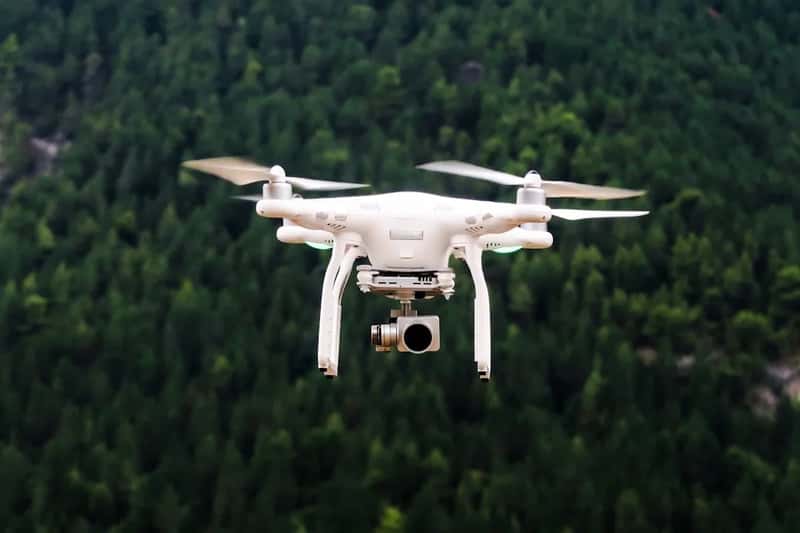
Drones have become standard travel gear for anyone who wants aerial footage of a beach or mountain range, but plenty of countries treat them as a security concern rather than a hobby item. Morocco is one of the more well known examples, where authorities require prior authorization to bring in or fly a drone, and travelers who arrive without the proper paperwork routinely have their equipment confiscated at the airport. Egypt, Cuba, and several other nations follow a similar pattern, requiring permits issued well in advance of arrival rather than allowing drones to simply pass through customs unchecked.
The restrictions generally trace back to concerns over surveillance, unauthorized aerial photography of sensitive sites, and airspace safety near military or government installations. Unlike a piece of clothing or a snack that might just get pulled aside, a drone found without documentation can lead to a lengthy customs dispute, and in some cases the device is never returned to its owner. Travelers heading to countries with tighter airspace rules are generally advised to check with the destination’s civil aviation authority or embassy well before departure, since drone regulations shift more often than most other packing restrictions on this list.
The common thread running through all six of these items is how ordinary they seem at home and how differently they are viewed elsewhere. None of these bans exist for arbitrary reasons. They tend to trace back to a specific historical incident, a public safety concern, or a security calculation that made sense to the country enforcing it, even if it looks strange from the outside. A few extra minutes checking a destination’s customs website before packing can save travelers from turning a minor oversight into a genuine legal headache.