
America is packed with legendary landmarks, places so deeply embedded in the national consciousness that skipping them feels almost unpatriotic. Travel guides celebrate them, movies immortalize them, and social media feeds are full of smiling tourists posing in front of them. The trouble is, for a growing number of visitors, the reality on the ground doesn’t come close to matching the hype. You wait in line, hand over serious cash, and end up wondering why you bothered.
That gap between expectation and experience is widening. Widespread complaints recorded on review sites, Reddit threads, and posts on X cite common frustrations: crushing crowds, pervasive commercialization, and a lack of engaging or enriching programming. This list isn’t about dismissing American history or culture. It’s about being honest, so you can decide whether your time and money are genuinely better spent elsewhere.
1. Times Square, New York City
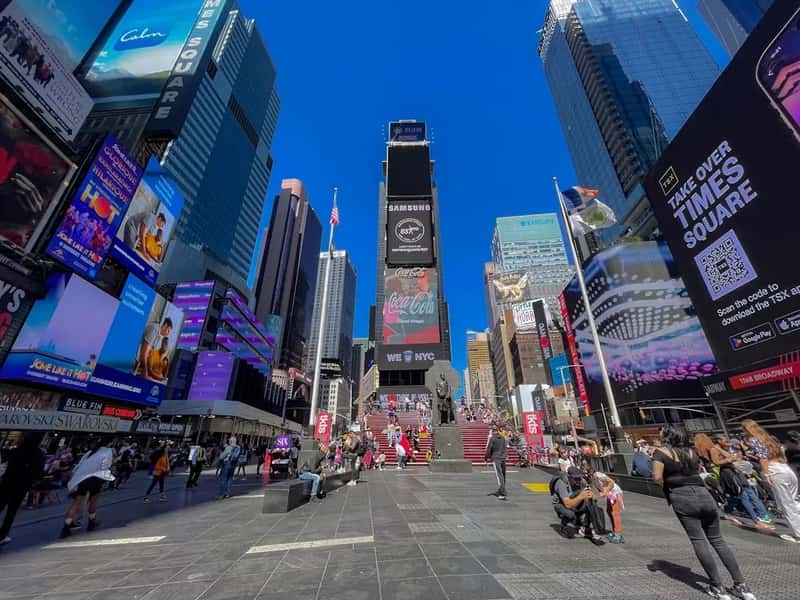
Few places on Earth are as recognizable as Times Square, and fewer still generate as much tourist disappointment. Often called the planet’s most-visited attraction, drawing roughly 50 million visitors per year, reviewers consistently complain about the crowds and call the LED-lit locality dirty and boring. The destination was rated in 2024 the world’s worst and most stressful tourist trap, a title backed by hard data. Times Square received 1,761 reviews calling it “overrated” or “underwhelming” in one major study.
Visitors describe dense crowds at most hours, aggressive costumed characters, and elevated prices at chain restaurants and attractions clustered around the square. Travel industry analyses indicate that much of the spending in Times Square now goes toward standardized experiences that could be found in many major cities, only at higher prices. The area, once celebrated for its cultural significance, is now seen as little more than a spectacle filled with chain stores and aggressive vendors, leaving little room for authentic New York experiences. The free neighborhoods of Brooklyn or the Lower East Side offer far more of the city’s actual character.
2. The Hollywood Walk of Fame, Los Angeles
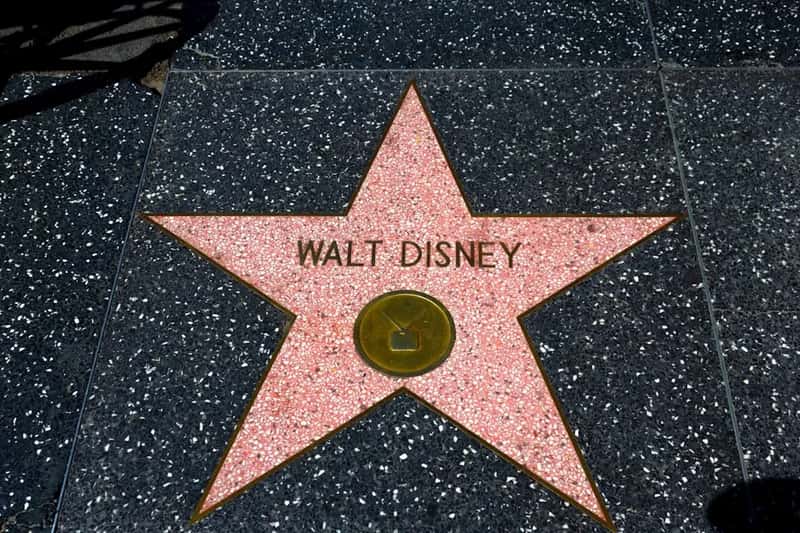
Walking where the stars have walked sounds thrilling in theory. In practice, it plays out very differently. The Hollywood Walk of Fame has long lost its sparkle. Visitors often describe the experience as dirty, crowded, and filled with aggressive street performers. Instead of movie magic, you’re more likely to dodge costumed characters asking for tips and step over cracked stars embedded in grimy sidewalks. There’s no ticket price, but the experience costs you time, patience, and occasionally your wallet if you’re not careful around the persistent performers.
The Hollywood Walk of Fame was ranked the world’s worst attraction in a 2025 analysis by travel company Stasher, scoring just 2.67 out of 10 due to low safety ratings. Located 23 miles from LAX airport, this sidewalk of celebrity stars had the lowest Google rating and safety score among all global attractions studied. The hype gap is partly structural. People expect celebrity sightings and studio sparkle, but the attraction is spread over blocks of normal city streets, so the experience can feel like a quick photo stop rather than a destination. The Griffith Observatory nearby, by contrast, offers sweeping city panoramas and genuine atmosphere at a fraction of the frustration.
3. The Statue of Liberty (Island Visit), New York
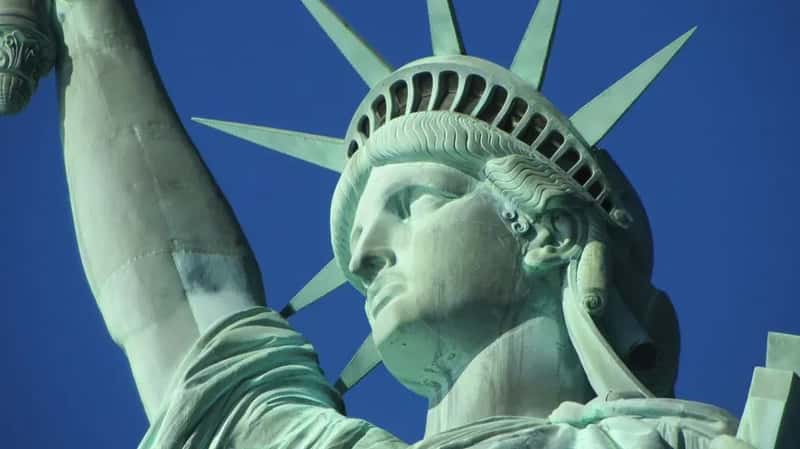
Seeing the Statue of Liberty from the water is genuinely moving. Paying to visit the island itself is a considerably more complicated proposition. Visiting the island is a different story. Between ferry waits, security screenings, and pricey tickets, especially if you want to climb to the crown, many travelers say the experience is more exhausting than inspiring. The crown sits approximately 305 feet above the ground, reached by climbing 354 narrow spiral stairs. Only 10 visitors are permitted in the crown at any one time, and each group spends approximately 5 to 10 minutes at the top before descending.
The logistics alone are enough to drain anyone’s enthusiasm. Crown tickets sell out three to six months ahead for summer dates and can only be booked through the official Statue City Cruises website. Wait times can exceed an hour on busy days, and to enter the pedestal, visitors must pass through a second security screening similar to airport procedures. One tour guide who has made the crown climb personally noted that while standing inside one of the most recognizable monuments in the world is a unique experience, it wasn’t worth walking up 377 steps from the main lobby followed by 162 narrow steps in a tight spiral staircase only to spend 10 minutes in the crown. The free Staten Island Ferry offers a genuinely beautiful view of Lady Liberty without any of this.
4. Mount Rushmore, South Dakota
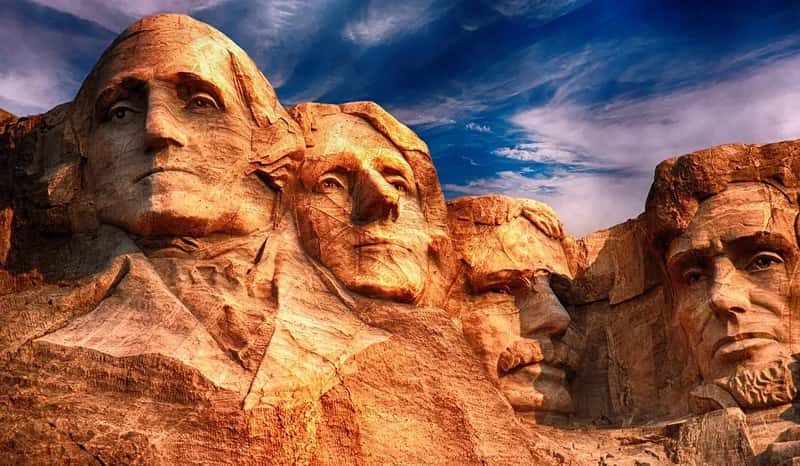
Mount Rushmore carries enormous symbolic weight in American culture. It appears in films, textbooks, and political speeches as a shorthand for national greatness. Yet Mount Rushmore draws more than two million visitors annually, and many leave feeling underwhelmed. Up close, the granite sculpture is smaller than you’d think and takes all of five seconds to absorb. The reality of this South Dakota monument consistently fails to match the grand scale people imagine from photographs and movies.
A frequent visitor complaint is that the monument feels smaller and farther away than expected. Many people arrive imagining a close-up, immersive experience, then realize the main view is from designated overlooks with a fairly brief visit time. The setting also surprises some travelers. It’s a managed site with parking, a visitor center, and structured pathways, which can clash with the “remote mountain” image created by photos and pop culture. The drive through remote South Dakota to get there is long, and while there’s no admission fee, Mount Rushmore National Memorial doesn’t charge an entrance fee, though the third-party company that runs their parking does charge $10 per vehicle. The nearby Badlands National Park, by most accounts, delivers far more dramatic scenery with far less of the anticlimax.
5. The Space Needle, Seattle
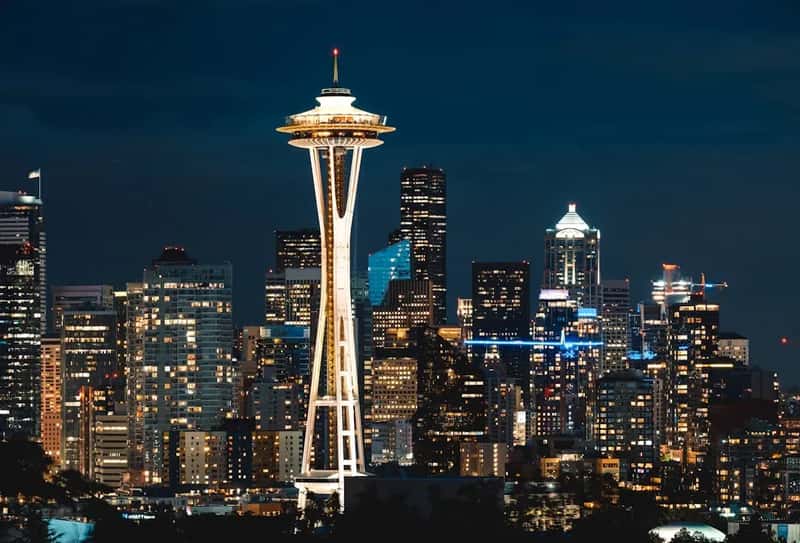
Built for the 1962 World’s Fair, the Space Needle is an architectural icon and one of the most photographed structures on the West Coast. Admiring it from Kerry Park or Gas Works Park is free and genuinely spectacular. Paying to go up it is a trickier value proposition. Seattle’s Space Needle is an architectural icon, but the admission fee often surprises visitors who expect more than just a few minutes on an observation deck. Once you’re up there, you might enjoy the view if the weather cooperates. With limited time slots and extra charges for combo packages, many feel like it’s more of a cash grab than a must-see.
Some feel that the Space Needle is not worth the cost. Visitors complained about a 60-minute wait after their designated time. The Space Needle is an iconic landmark on the Seattle skyline, however, typically long lines to get in and it’s expensive. Seattle is famously rainy, and the outdoor observation deck is exposed to the elements, meaning a cloudy afternoon can reduce the famous views to a wall of grey. Kerry Park on Queen Anne Hill is free and offers one of the most photographed views of the Space Needle itself, which many argue is the more rewarding vantage point anyway.
6. The One World Observatory, New York City
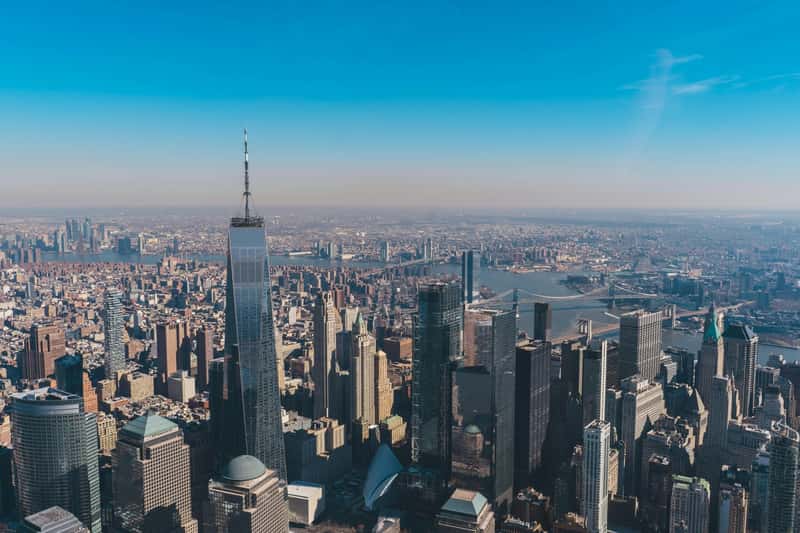
One World Trade Center is a genuinely powerful piece of architecture, and standing near the memorial pools below it is a profound experience. The observation deck at the top, however, is a very different kind of proposition. Some suggest you avoid the One World Observatory, where tickets start at $44 and go up to $74. This destination was also rated in 2024 among the world’s worst tourist traps. For a family of four, that ticket cost alone can push past $200 before you’ve bought a single overpriced snack at the top. In the observatory restaurant, you’ll pay $25 for a burger and $20 for lava cake.
During peak season, waiting times for major attractions can stretch to several hours, significantly diminishing the experience. High ticket prices and potentially large crowds can deter visitors. The combination of lengthy waits and elevated costs creates frustration before visitors even reach the observation deck. New York City has no shortage of skyline views. Reviewers consistently point out that the Top of the Rock at Rockefeller Center offers a comparable, often superior, panorama, and crucially it includes a clear view of the Empire State Building in the frame, something One World Observatory simply cannot offer of itself. The value case for One World Observatory is difficult to make when the alternatives are so compelling at similar or lower prices.
None of these places are without their moments. A quiet morning at Mount Rushmore or a perfectly clear day above Seattle can genuinely impress. The honest point is that most visitors, most of the time, come away wishing they had spent their vacation dollars differently. America’s most rewarding experiences tend to live just off the tourist trail, in neighborhood restaurants, national parks with shorter queues, and city overlooks that don’t charge $70 for the privilege. Knowing what to skip is, in its own way, the smartest thing a traveler can do.