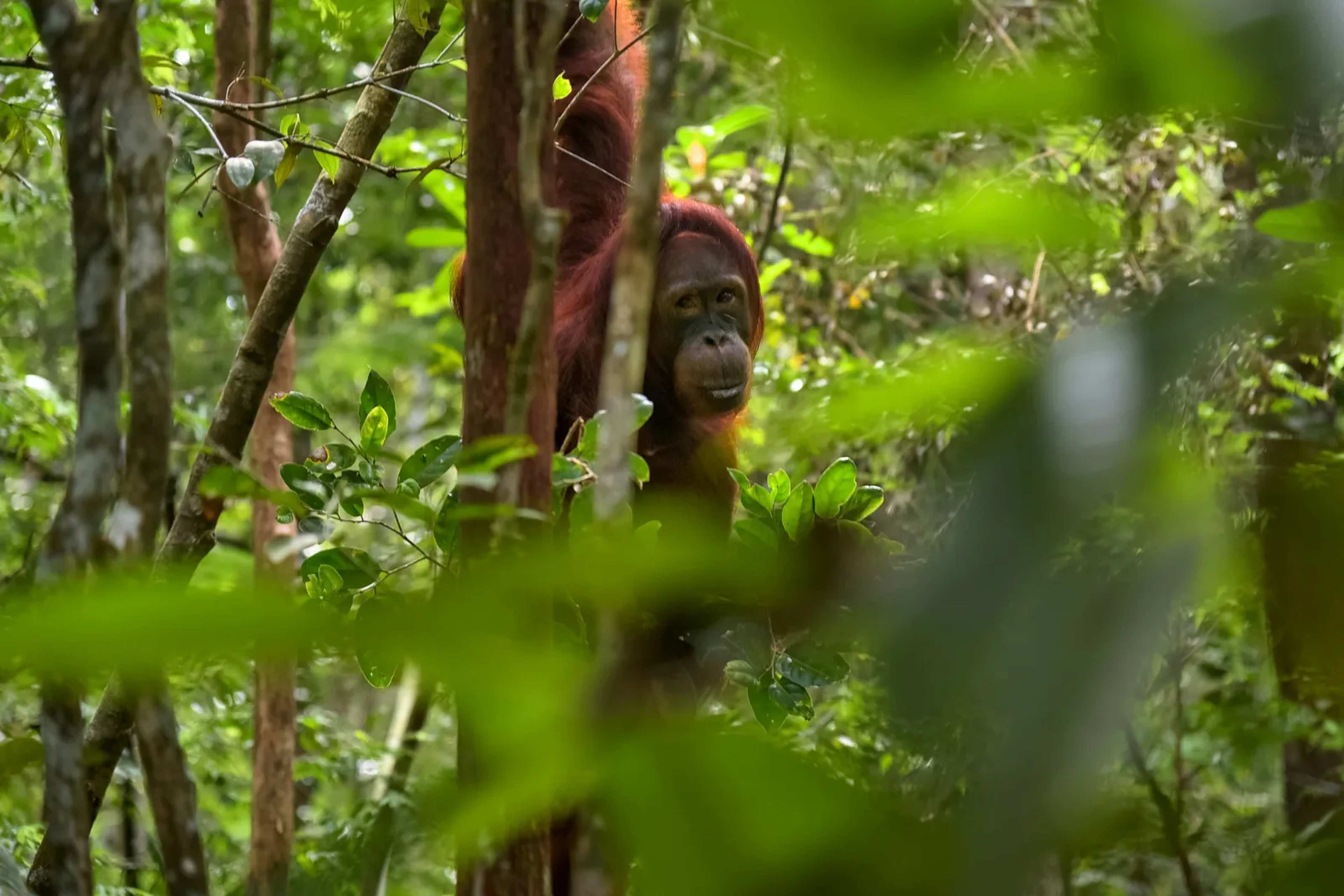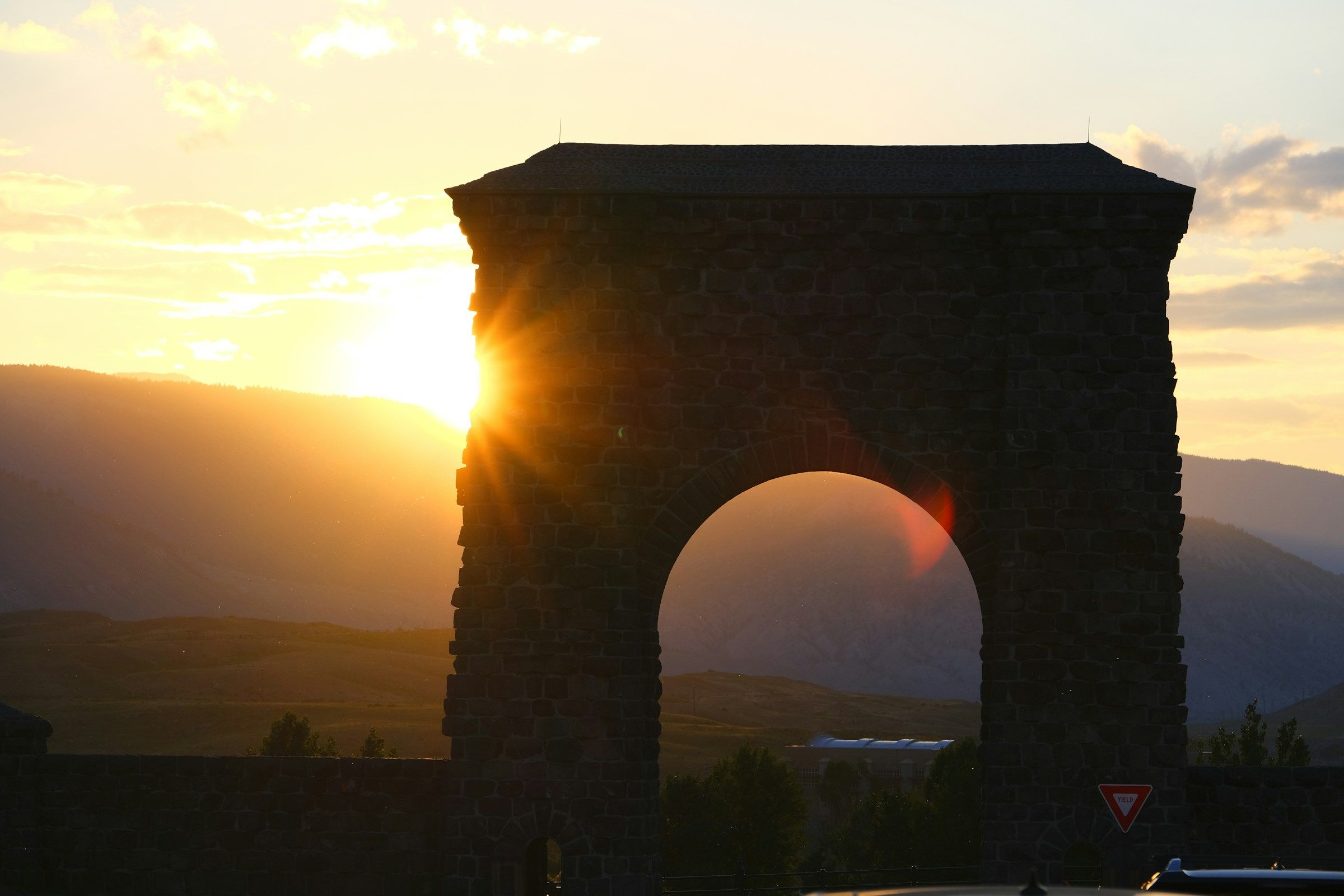
The familiar mountain hotspots keep grabbing headlines, but a quieter migration is happening in towns most people couldn’t point to on a map. Rising costs in places like Aspen, Jackson Hole, and Park City have pushed a steady stream of remote workers, retirees, and young families toward smaller communities with lower price tags and the same dramatic scenery. These towns don’t always show up on glossy “best places to live” lists, yet the population numbers and housing data tell a clear story of steady, sometimes surprising growth.
Coeur d’Alene, Idaho
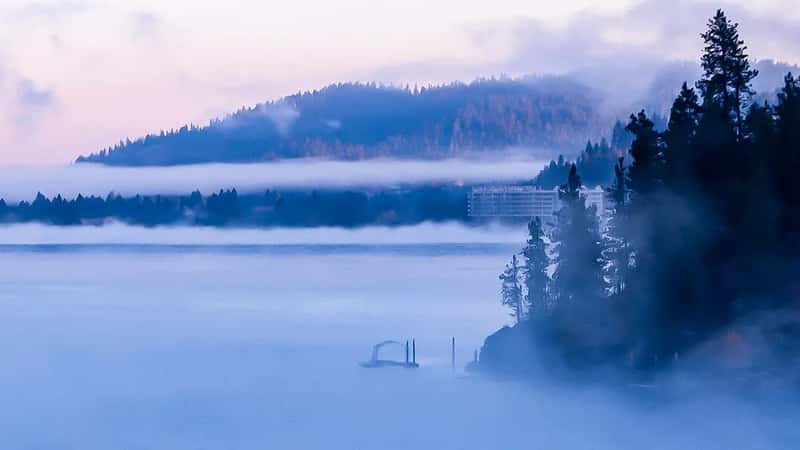
Coeur d’Alene sits on a glacial lake in Idaho’s panhandle, close enough to Spokane for weekend errands but far enough to feel like its own world. The projected population of Coeur d’Alene by the end of 2025 could be just over 57,955 residents, and the city saw a 4.1 percent increase between April 2020 and July 2023.[1] A lot of that growth is coming from the coast, since people are still flocking there from cities like Seattle and Portland because it’s more affordable than the city and only five to six hours of drive time from each.[1]
What keeps people once they arrive isn’t just the price tag. Compared to other regions in the Pacific Northwest, Coeur d’Alene offers relatively affordable housing and a lower cost of living, with clean air, a low crime rate, and a strong sense of community.[1] Idaho as a whole has been on a building spree too, since the state experienced the nation’s fastest growth in housing units, with an increase of 2.2 percent between 2023 and 2024[1], which has helped keep Coeur d’Alene from turning into another overpriced lake town overnight.
Gardiner, Montana
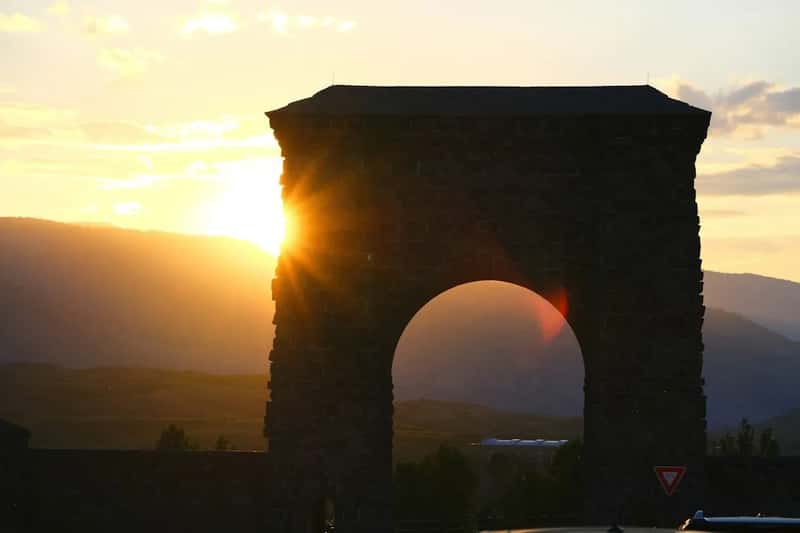
Gardiner is easy to miss on a map, tucked right at Yellowstone’s northern entrance. It sits just outside of Yellowstone National Park’s northern entrance and carries a rugged, no-frills charm that feels grounded in the area’s wild surroundings and deep history with the park.[1] There’s no pretense here, no ski-resort polish, just a working gateway town that happens to border one of the wildest landscapes in the country.
That proximity is exactly the draw for the people relocating there. This is about as close to America’s wildest landscape as you can actually live, year-round, without needing a national park permit to exist.[1] Montana’s broader population trend backs up why places like Gardiner keep attracting newcomers, since the state’s population grew by 5.2 percent from 2020 to 2024, adding approximately 56,000 new residents primarily through migration.[2]
Taos, New Mexico
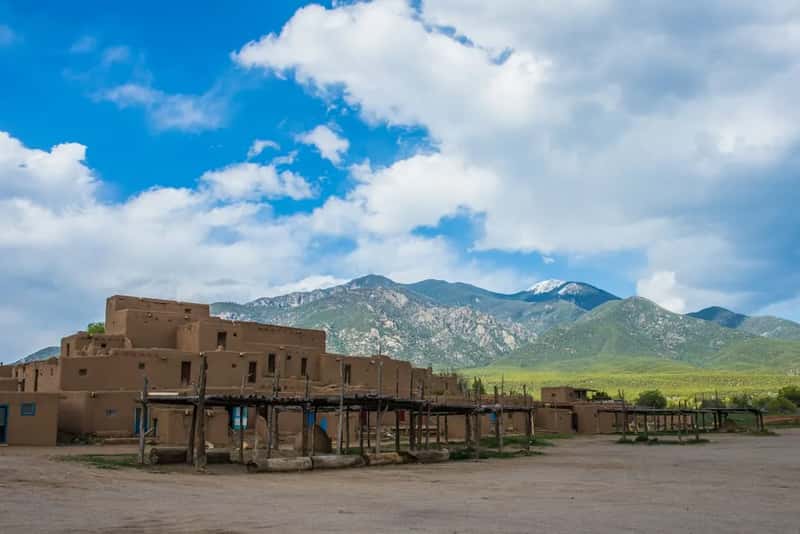
Taos has long been known for art and adobe architecture, but it’s quietly becoming a relocation target for a different reason: value. New Mexico’s mountain towns like Taos are carving out their own quiet wave of interest among movers seeking affordability and authenticity over prestige.[1] It sits at the base of the Sangre de Cristo range, with skiing, hiking, and hot springs all within a short drive, minus the price tags attached to Colorado’s resort corridors.
The comparison to pricier neighbors is part of what’s driving the interest. The housing prices here remain far more accessible than comparable towns in Colorado or Montana.[1] New Mexico has also seen renewed interest at the state level, with searches for moves there climbing alongside other Mountain West destinations, a trend that puts small artistic towns like Taos on the radar for people who want scenery without the crowds of Santa Fe.
Anaconda, Montana
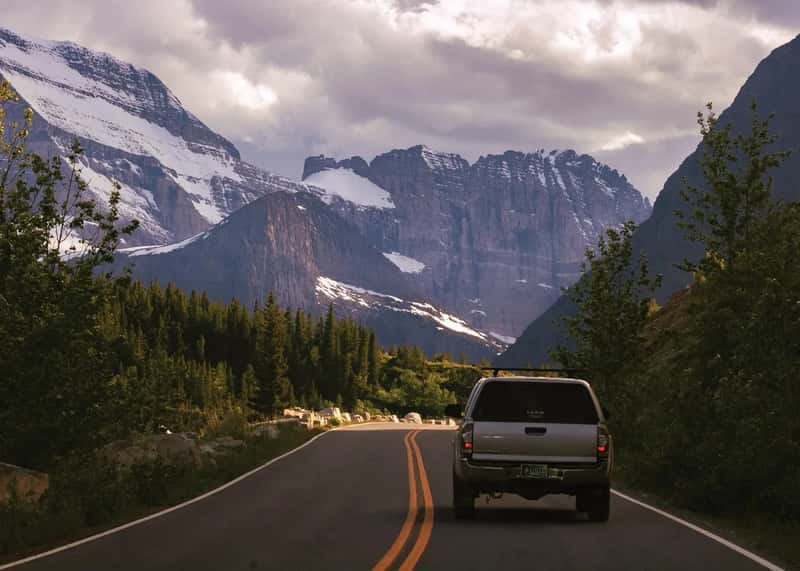
Anaconda started life as a copper smelting town, and its industrial bones still show, but it’s now drawing attention as one of the more affordable options in a state that’s grown expensive fast. It sits just down the road from Butte, close to Georgetown Lake, and offers the kind of outdoor access that Bozeman used to be known for before prices there climbed out of reach. Just down the road from Butte, Anaconda is another Montana town with a similar price point, with access to places like Georgetown Lake and outdoor recreation making the area even more appealing.[3]
The numbers back up the affordability angle. The average home value in Anaconda, MT is $304,686, up 3.1% over the past year.[4] That’s a fraction of what buyers face in Bozeman or Missoula, and it’s part of why real estate agents increasingly point newcomers priced out of Montana’s bigger markets toward smaller towns like this one.
Ironwood, Michigan
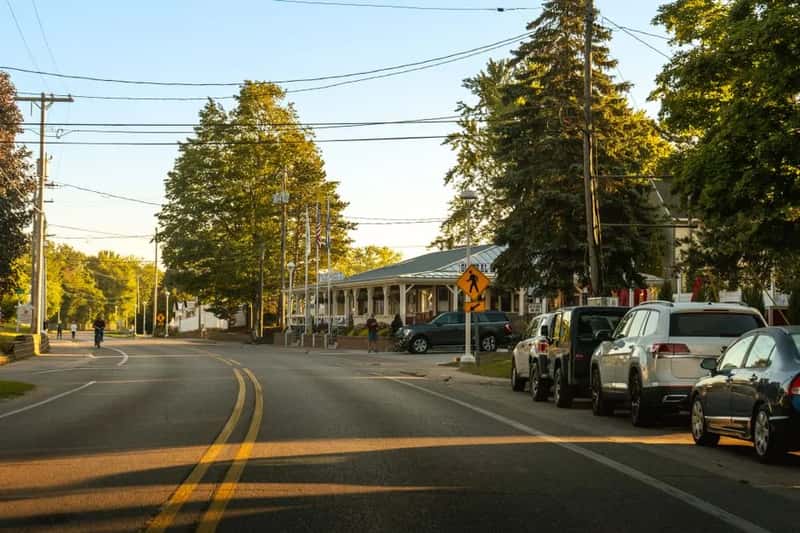
Ironwood sits in Michigan’s Upper Peninsula, right along the Wisconsin border, surrounded by the Porcupine Mountains and a stretch of Lake Superior shoreline that most Americans have never heard of. It’s an old iron-mining town, and for years its population shrank along with the industry that built it. That’s starting to shift as remote workers and outdoor enthusiasts discover a place where a cabin doesn’t require a six-figure down payment.
The appeal is showing up in real estate listings more than in splashy population headlines. Real estate data from 2026 shows that towns like Ironwood, Michigan, feature homes and land within the $200,000 to $300,000 range.[5] It’s become one of a handful of towns nationally offering that combination of affordability and outdoor access, since lesser-known towns in the U.S. have seen increased interest due to rising housing costs in traditional hotspots and a growing desire for remote and outdoor lifestyles.[5]
Davis, West Virginia
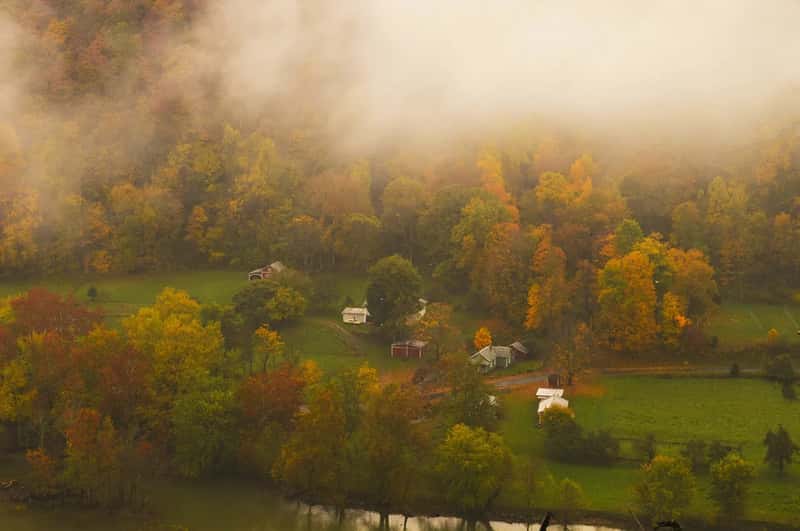
Davis is barely a town at all by population count, but it’s become a case study in how a handful of dedicated people can reshape a place. There isn’t much to Davis, West Virginia, with a population of 581, a downtown only a few blocks long, no movie theater, no Starbucks, and an entire county with just one stoplight.[6] Yet it sits on the edge of Canaan Valley, surrounded by peaks that top out around four thousand feet, most of it public land built for hiking, biking, and skiing.
What’s pulled Davis out of obscurity is a mountain biking scene that grew almost entirely from the ground up. Mountain bikers led by champion racer Sue Haywood have transformed the tiny town into a hub with a 50-plus-mile network of trails.[7] Housing costs have moved fast as a result, since the median property value in Davis, WV was $177,100 in 2024, up from $122,300 the year before, a 44.8% increase.[8] Even with that jump, it’s still far cheaper than comparable mountain towns out West, and West Virginia’s population is about half that of the Denver metro area, so there’s no shortage of space, and the state also boasts the cheapest housing costs in the country.[7]
Each of these towns tells a slightly different version of the same story: people looking for mountain living without the price tag or crowds that come with the famous names. Some are chasing proximity to national parks, others are drawn by cheap cabins or a strong trail network, and a few are simply following friends or family who got there first. None of them are secrets anymore, not really, but they’re still small enough that a new arrival can actually shape the place rather than just disappear into it.