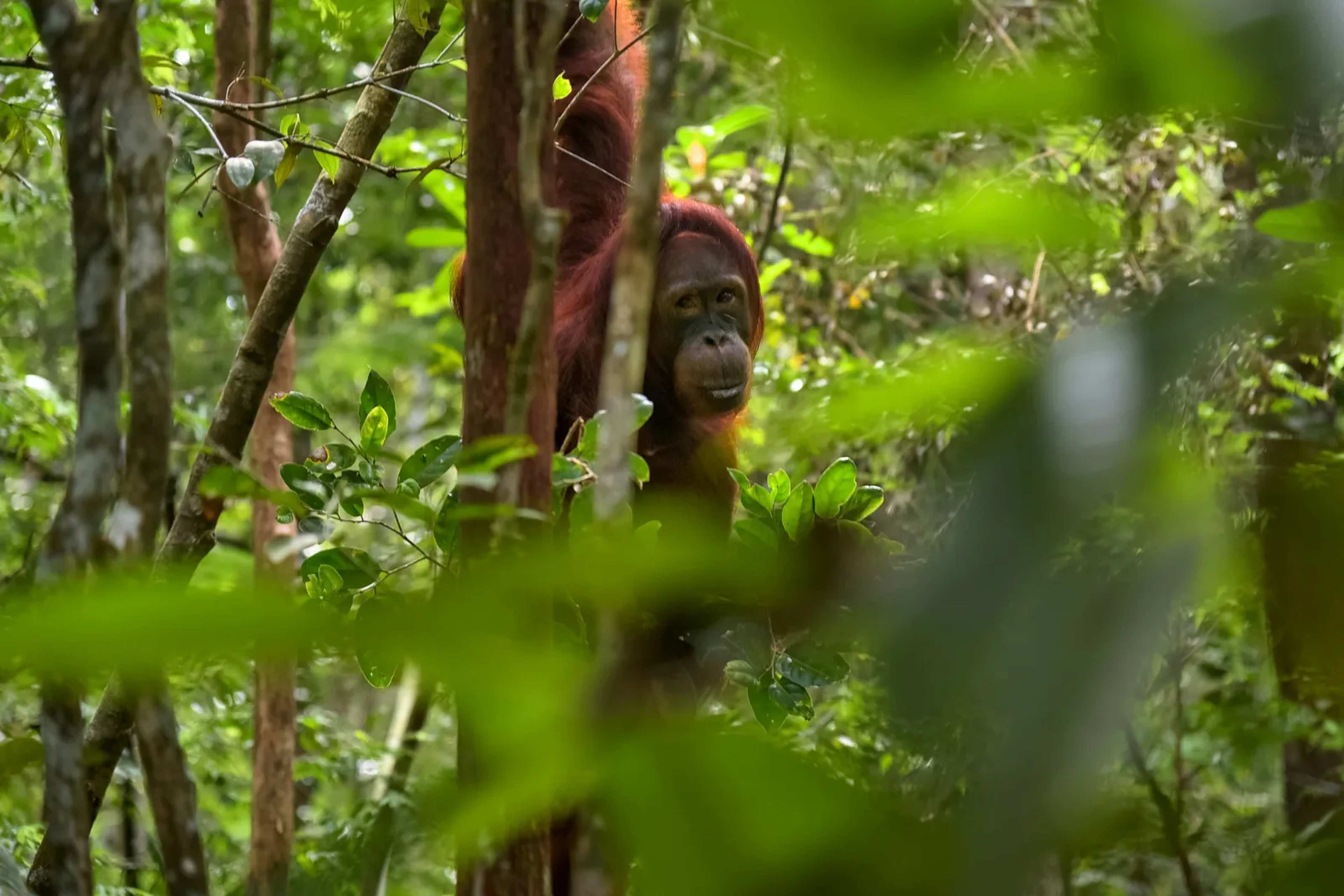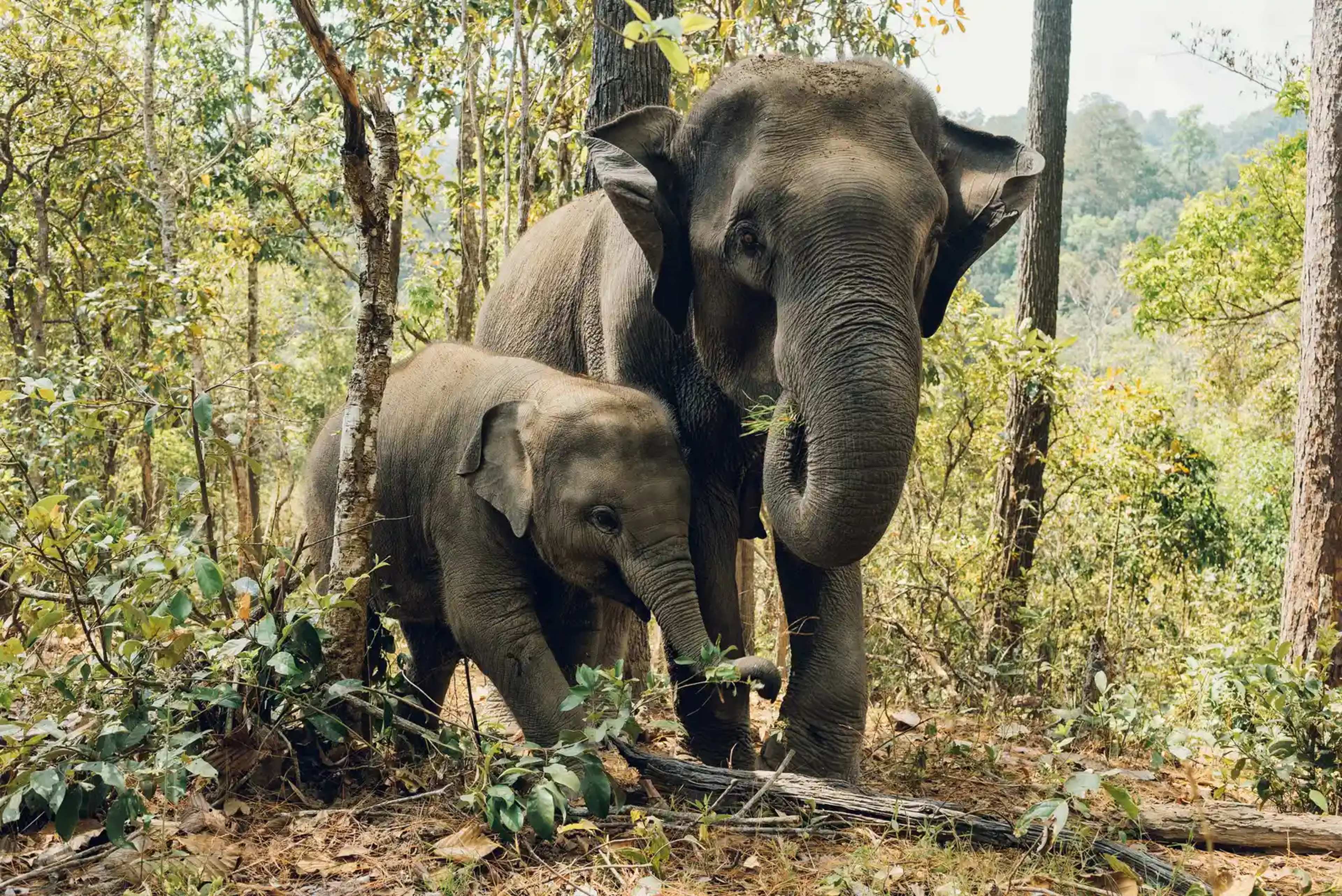
West Kalimantan, Indonesia – Intense wildfires have stripped coastal forests of fresh water, forcing monkeys and other animals to wander into villages and toward the sea in search of drinkable sources. Ponds that once sustained wildlife have turned brackish, and forest pools have dried completely, leaving animals dehydrated and disoriented. Conservation teams and local residents have stepped in with emergency water supplies and rescues as the fires continue to burn. ([1])
Record Deaths in a Short Window
Preliminary counts from patrols show at least 16 non-fish animals found dead between early August and late September in the Kubu Raya district. The list includes silvered langurs, long-tailed macaques, and proboscis monkeys, the last an endangered species found only on Borneo. That figure already exceeds the 13 deaths recorded over nearly six years of regular monitoring in the same area, where most losses had been attributed to natural causes.
One long-tailed macaque was discovered dead on September 14 during a routine patrol. Teams using the SMART monitoring system noted the animals appeared to have succumbed after moving closer to human settlements and the coast in search of water.
Why Fresh Water Matters Here
Mangrove and coastal forest habitats rely on a delicate balance of fresh and saltwater. When fires dry out inland pools and push saltwater intrusion into village ponds, the usual drinking spots become unusable. Adam Miller, co-founder of the NGO Yayasan Planet Indonesia, which has partnered with local institutions in Kubu Raya since 2017, described the situation as unprecedented. “We have never had findings like this before,” he said. “When the mangroves lose their fresh water, the animals die.”
The fires have compounded the problem by destroying vegetation that normally shades and protects remaining water sources. Animals that once stayed deep in the forest are now visible near homes, increasing the chance of conflict or further stress.
Rescue Efforts Underway
Planet Indonesia teams and village residents have begun distributing fresh water at key locations and treating dehydrated animals when possible. Patrols continue despite ongoing smoke, focusing on areas where animals have been spotted moving toward the coast. The work builds on years of community-based monitoring that had previously kept wildlife deaths low.
Early interventions have included setting out water stations and guiding animals away from roads and settlements. These measures aim to reduce immediate mortality while longer-term habitat recovery remains uncertain.
What Comes Next
The current fire season has already produced more documented wildlife losses in two months than the previous six years combined. Continued patrols will track whether the death rate stabilizes once rains return or whether additional species are affected. Local groups stress that restoring fresh-water access in the mangroves will be essential to prevent further displacement of animals into human areas.