Most packing disasters happen quietly, long before anyone reaches the airport. A zipper strains, a scale blinks red at check-in, or a bag gets pulled aside at security, and suddenly a trip that felt fully planned turns into a scramble. The frustrating part is that these moments are almost always avoidable, rooted in small habits rather than bad luck.
What follows is a look at seven packing missteps that quietly derail trips every year, backed by current airline and TSA policy rather than guesswork. Some of these mistakes cost money. Others just cost time and patience. Either way, they’re worth spotting before you’re standing at a counter wondering what went wrong.
1. Assuming your bag is under the weight limit until it isn’t
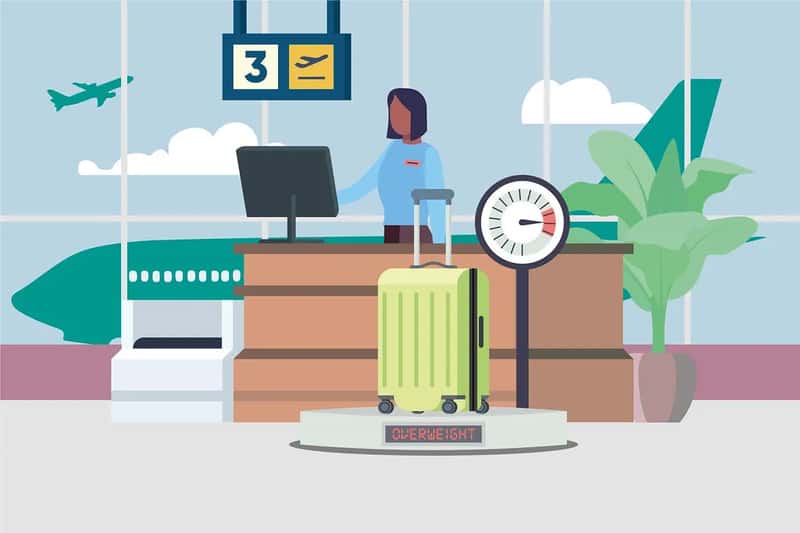
Travelers routinely walk into airports believing their bag “feels fine,” only to discover otherwise at the counter. The standard threshold hasn’t budged much across major US carriers. The checked luggage size limit is 62 linear inches for most airlines, and the most common weight limit for checked luggage is 50 pounds per bag.[1]
The jump from compliant to overweight is smaller than people expect, and it gets expensive fast. On legacy carriers like Delta, United, and American, a bag from 51 to 70 pounds runs $100 each way, and one from 71 to 100 pounds runs $200[2], stacked right on top of the standard checked bag fee. A single extra pair of boots or a stack of paperbacks is often all it takes to cross that line.
2. Packing carry-on liquids like it’s still the same rule everyone half-remembers
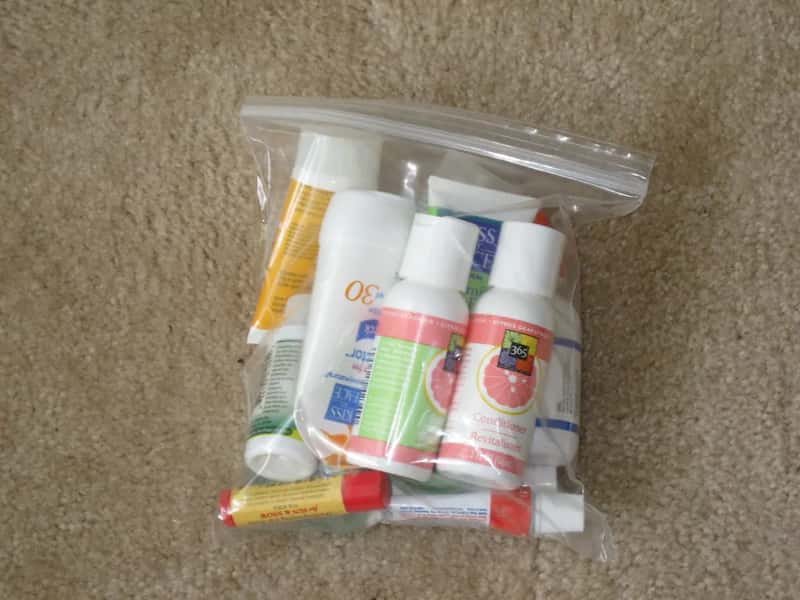
The 3-1-1 rule has been around long enough that people assume they know it by heart, yet plenty of travelers still get stopped for oversized bottles or too many containers. The rule itself hasn’t loosened, despite rumors. The federal standard has not changed, and TSA still requires passengers to follow the familiar 3-1-1 rule, where each container must hold no more than 3.4 ounces and all containers must fit inside one quart-size bag per traveler.[3]
What has shifted is the screening equipment, not the allowance. TSA has been rolling out computed tomography scanners at major airports, and by early 2026 most checkpoints at big hubs like ATL, LAX, JFK, ORD, and DFW have them.[4] That newer tech can mean not pulling your liquids bag out at some checkpoints, but the moment you assume the ounce limits are gone entirely, you’re the one holding up the line while an officer confiscates a leftover full-size lotion bottle.
3. Booking a basic economy fare without reading the carry-on fine print
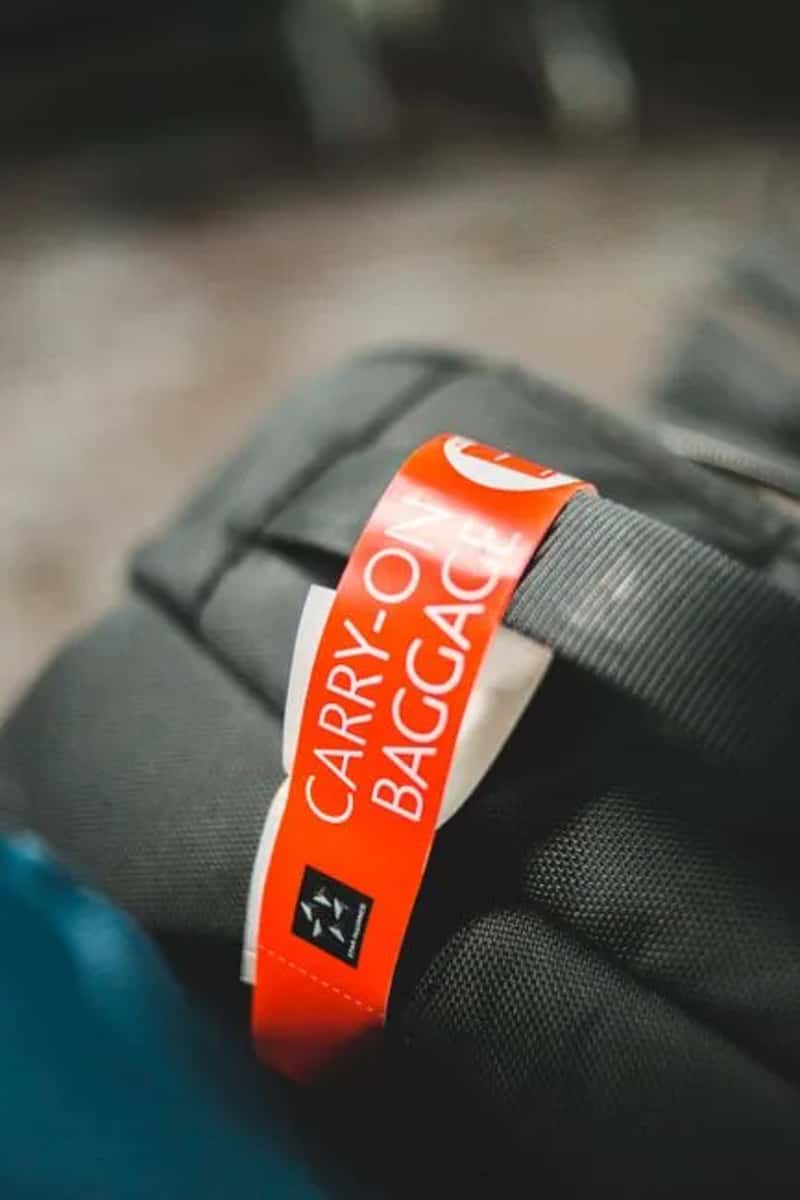
Budget fares look appealing until the carry-on restrictions show up as a surprise at the gate. This is one of the more avoidable mistakes because the information is published clearly, travelers just skip past it while booking. Before booking a basic economy or similar budget fare on any US carrier, it pays to read the baggage restrictions explicitly, because many limit you to a personal item only, with no overhead bin access, so if you need a carry-on, you either upgrade the fare or book a different airline.[5]
Discovering this at the gate usually means paying a rushed fee on the spot, often more than it would have cost to plan ahead. It’s a small line item during booking that becomes a much bigger headache an hour before boarding.
4. Zipping a suitcase completely full with zero spare room

There’s a certain satisfaction in getting every item to fit, but a bag packed to its absolute limit leaves no cushion for anything unexpected. A gift, a heavier-than-expected souvenir, or even a slightly damp swimsuit on the way home can push a snug bag over its weight allowance without anyone noticing until the scale says otherwise.
This margin matters more than people think, since the difference between a compliant bag and a costly one is often just a couple of pounds. Packing with a little slack built in, rather than treating every inch of space as sacred, tends to save both money and stress on the return leg of a trip.
5. Checking irreplaceable items instead of keeping them close
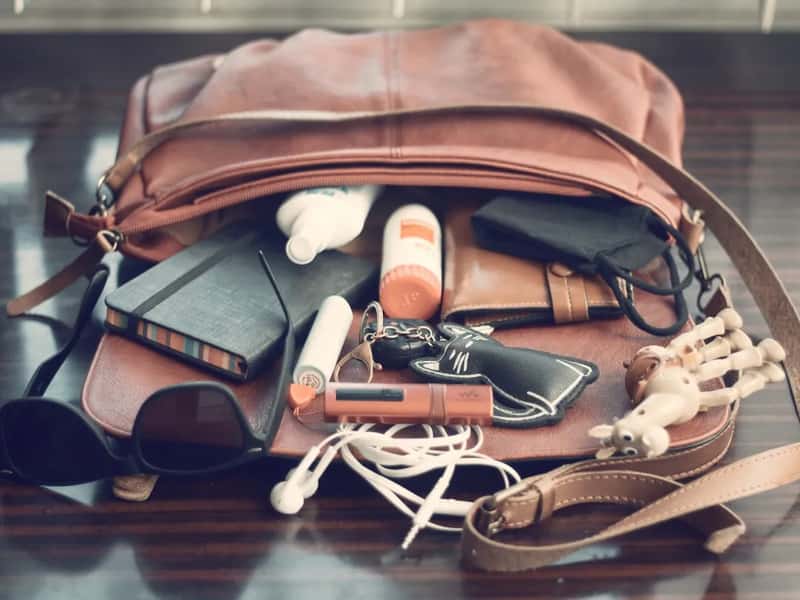
Prescription medications, chargers for essential devices, a change of clothes, and anything genuinely irreplaceable belong in a carry-on, not buried inside checked luggage. Bags do occasionally get delayed, misrouted, or opened for inspection, and the inconvenience multiplies fast when something essential is locked away in cargo instead of sitting at your feet.
This isn’t about assuming the worst on every flight. It’s simply about recognizing that carry-on space is limited and should be reserved for the items that would actually derail a trip if they went missing for a day or two, rather than filled with things that are easily replaced at a destination store.
6. Skipping the home scale and trusting a guess instead
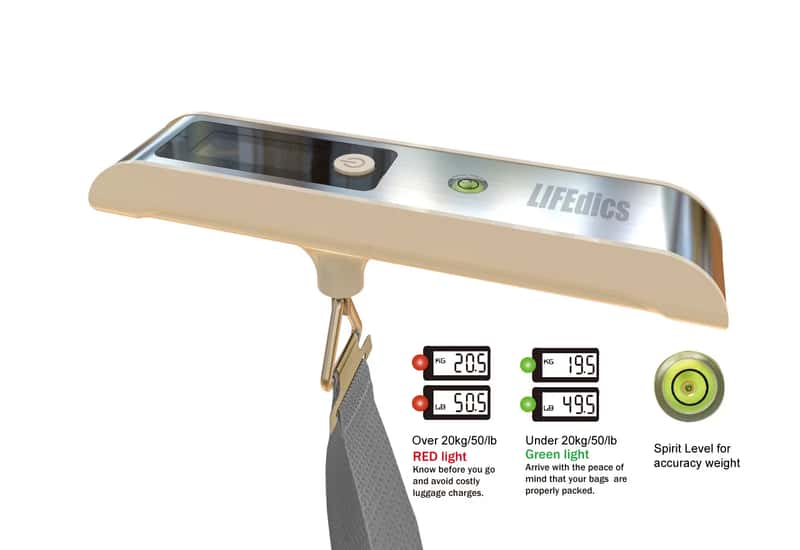
This is perhaps the most preventable mistake on the list, and also the most common. Plenty of travelers eyeball their suitcase, decide it “seems okay,” and skip the five minutes it would take to weigh it at home before heading out the door.
The fix costs nothing and takes almost no effort. The fix costs nothing, and weighing the bag at home, then shifting a few things around, means keeping the money that would have gone to a fee.[2] A cheap luggage scale, a couple of minutes, and a willingness to actually check rather than assume is often the entire difference between a smooth check-in and an unplanned charge.
None of these seven mistakes require expensive gear or elaborate systems to avoid. They mostly come down to checking things that are already published, weighing bags before leaving rather than after arriving at the counter, and leaving a bit of room, literally and financially, for the unexpected. The travelers who sidestep these issues aren’t necessarily more organized people. They’ve just learned, usually the hard way once, which small checks save the most trouble later.