Travel lore has a funny way of sticking around long after science has moved on. Maybe it’s because these little nuggets of trivia get repeated so often, by tour guides, textbooks, and well-meaning relatives, that nobody bothers to check the source anymore. Some of these myths are harmless fun, while others shape the way people actually plan and experience their trips.
Here are six travel “facts” that sound completely believable but do not hold up once you look at the actual evidence.
1. The Great Wall of China Can Be Seen From Space

This is probably the most repeated travel myth in existence, and it has been around for centuries longer than space travel itself. The English antiquarian William Stukeley wrote in 1754 that the wall “makes a considerable figure upon the terrestrial globe, and may be discerned at the Moon,” making his comment the earliest known written record of the myth. The idea took off from there, eventually becoming a “fact” taught in classrooms around the world.
The truth is far less impressive. Despite myths to the contrary, the wall isn’t visible from the moon, and is difficult or impossible to see from Earth orbit without the high-powered lenses used in astronaut photography. Even veteran astronauts back this up. Former NASA astronaut Jeffrey Hoffman, who flew on five space shuttle missions from 1985 to 1996, said he spent a lot of time looking at Earth from space, including numerous flights over China, and never saw the wall. The structure is simply too narrow and blends too well with the surrounding terrain to stand out from orbit, no matter how badly we all want it to be true.
2. Airplane Air Will Make You Sick
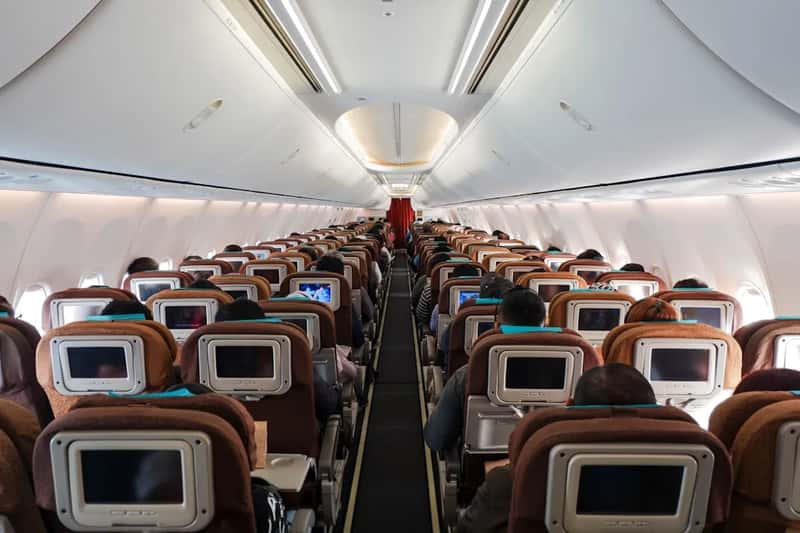
Anyone who has come home from a flight with a scratchy throat has probably blamed the recycled cabin air. It feels logical too, since you are sealed in a metal tube with strangers for hours on end. The reality of how aircraft ventilation actually works tells a different story.
On most aircraft, at any given time approximately 60 percent of the cabin air is fresh, compared to 40 percent recirculated or reused air. That recirculated portion does not just get pumped back in untouched, either. Most aircraft use High-Efficiency Particulate Air filters, the same type found in hospitals, which kill more than 99 percent of bacteria and stop particles that can carry viruses. Researchers have gone as far as comparing this setup to everyday indoor spaces, and because of these onboard filters, they have found that airplane air is as clean or cleaner than the air in offices, schools, and other indoor settings. The real risk on a plane, if there is one, comes from sitting close to a sick passenger, not from the ventilation system itself.
3. The Sahara Is the World’s Largest Desert
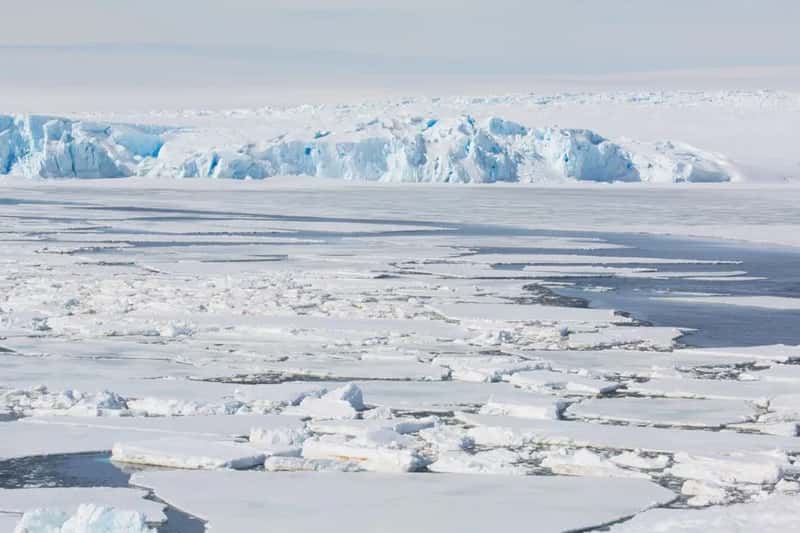
Ask most travelers to name the biggest desert on Earth, and the Sahara wins every time. It makes sense given the endless dunes and scorching heat that dominate our mental image of what a desert looks like. Deserts, however, are not defined by temperature at all.
A desert is defined by very little precipitation rather than heat, and under that definition, the largest desert on Earth is the continent of Antarctica, which covers about 14.2 million square kilometres, more than 50 percent larger than the Sahara. The conventional threshold for classifying a region as a desert is fewer than 250 millimetres, or about 10 inches, of precipitation per year, and Antarctica meets that threshold across essentially its entire surface. The Sahara still holds a title of its own, since the Sahara Desert is the largest non-polar desert in the world, hot, arid, and extremely hostile for plant and animal life. It just is not the biggest desert overall, no matter how it looks on a postcard.
4. Toilets Flush in Opposite Directions Depending on the Hemisphere
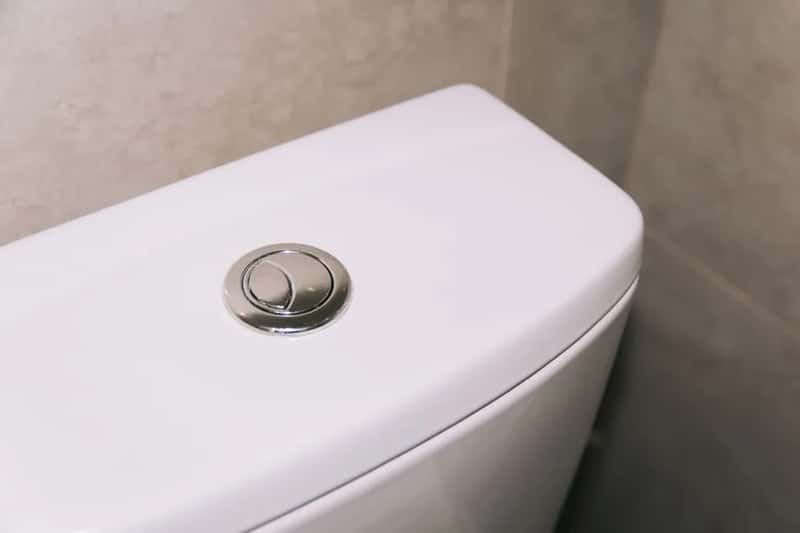
This one gets brought up constantly by travelers crossing the equator, half expecting their toilet to suddenly swirl backward. The explanation usually offered is the Coriolis effect, the same force that spins hurricanes and shapes global wind patterns. It sounds scientific enough to be convincing, but it does not actually apply here.
The idea that Earth’s rotation dictates how water swirls during a flush is a myth, since it is the toilet’s design, not its location, that makes the water swirl to the left or the right. The real culprit is much more mundane. Toilets have small holes under the rim of the bowl known as rim jets, angled to cause the water to swirl during the flush cycle, and the water will swirl in whichever direction the rim jets are pointed, regardless of where on Earth the toilet is. The Coriolis effect is very real, but a toilet or sink is just not large enough for it to have any meaningful influence on the direction of the swirl.
5. Mount Everest Is the Tallest Mountain on Earth
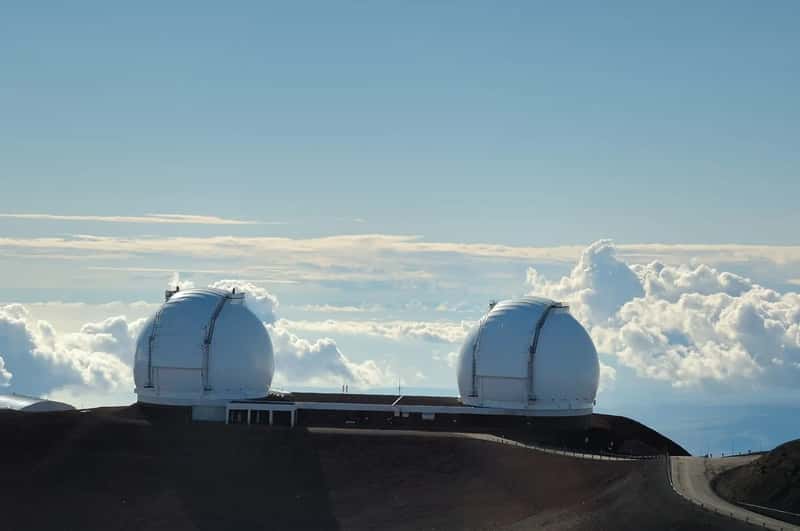
Everest’s reputation as the tallest peak on the planet feels unshakeable, and in one very specific sense, it is correct. It’s still the tallest mountain when measuring purely by height above sea level, at just over 29,000 feet. Once you change how you measure “tall,” though, a different mountain takes the crown entirely.
Mount Everest is often thought of as the tallest mountain in the world, but that title actually belongs to Mauna Kea, since when measured from base to peak, Mauna Kea is about 33,500 feet tall while Everest is only about 29,035 feet tall. The reason is that most of Mauna Kea’s bulk is hidden underwater. While it only stands 4,207 meters above sea level, its true height is hidden beneath the waves, and if you were to measure it from its base at the bottom of the Pacific Ocean, it would easily claim the title of the world’s tallest mountain. So Everest keeps its crown for elevation above sea level, but Hawaii quietly holds the record for sheer scale from base to summit.
6. Tuesday Is Always the Cheapest Day to Book a Flight
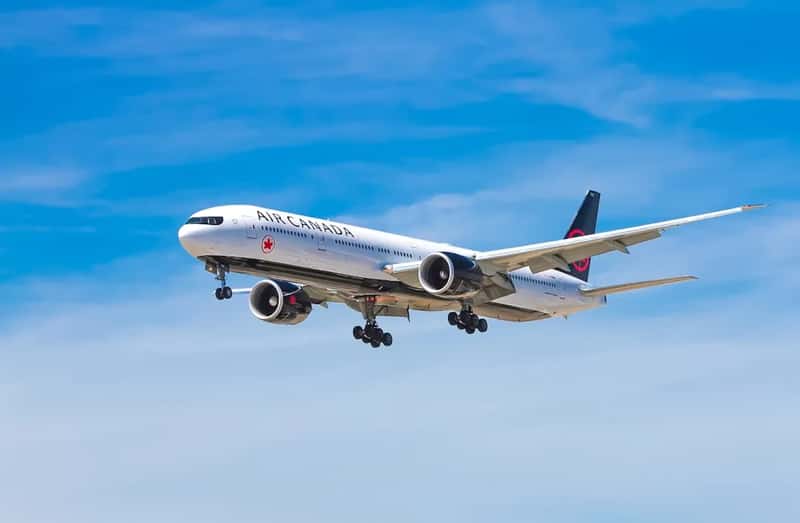
For years, travel articles insisted that booking flights on a Tuesday afternoon was some kind of secret hack for scoring the lowest fares. The theory was that airlines release sales early in the week and competitors race to match them by Tuesday, creating a brief window of discounted prices. It made for a catchy headline, and plenty of people still plan their bookings around it.
Major booking platforms and fare-tracking services have repeatedly examined this claim over the years and found no consistent evidence that any single day of the week reliably produces cheaper fares across airlines and routes. Prices are driven far more by factors like how far in advance you book, the specific route, seasonal demand, and fuel costs than by which day of the week you happen to click “purchase.” Airlines also adjust fares dynamically throughout the day now, using algorithms that respond to search volume and seat inventory rather than following a predictable weekly pattern. The smarter strategy these days is tracking prices over time and booking when a fare drops, rather than waiting around for a mythical Tuesday discount that may never come.
None of this makes travel any less fascinating, honestly. If anything, knowing the real story behind these myths adds a bit more wonder to the experience, whether you are staring up at the Himalayas, flying over the Pacific, or just flushing a hotel toilet in Buenos Aires. Facts that sound too neat to be true usually are, and the real explanations are almost always more interesting than the myths they replace.