A Spanish holiday flat can look perfect online and still be a headache. Photos, reviews and a nightly price tell you very little about whether the place is legal, what taxes sit on top, or what paperwork you’ll face at the door.
The rules have also moved quickly since 2024. National, regional and city governments have all pulled in different directions, so a few well chosen questions before you pay a deposit can save you real trouble.
Does the listing show a valid regional registration number?
From 1 July 2025, Spain required rental properties to carry a national registration number.[1] That changed in 2026, when the Supreme Court struck down the national single register for lack of state competence.[2] The ruling is numbered 620/2026, and sources give slightly different May dates for it, so it’s safest to say it came in May 2026.
What still matters is the regional layer. Every autonomous community runs its own tourist rental registry, such as the VFT in Andalucía, the VT in the Comunitat Valenciana and the HUT in Cataluña.[2] A new EU regulation, applicable from 20 May 2026,[3] also points toward a verifiable registration number for each host, which platforms must check before publishing a listing.[3] If a listing shows no number at all, treat that as a reason to walk away.
Is this type of rental actually allowed in this city?
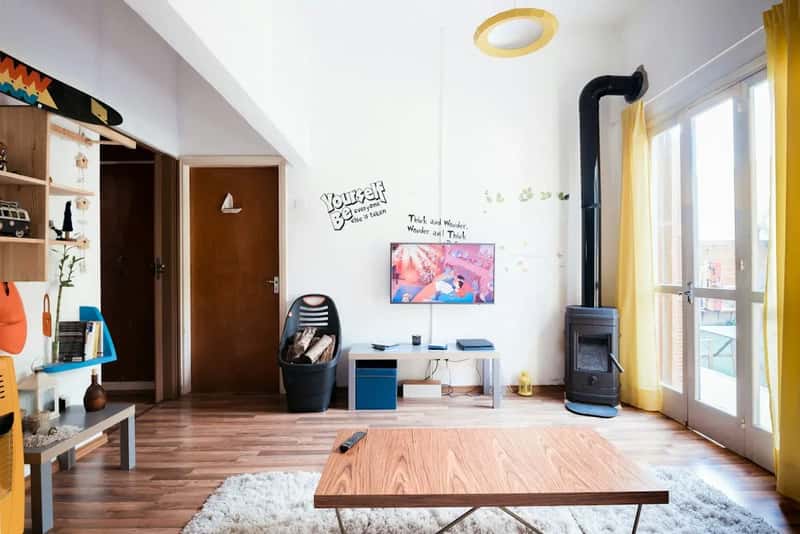
A number alone doesn’t settle it, because some cities are closing the door on whole home rentals altogether. Barcelona will phase out all licensed whole home tourist apartments by November 2028,[4] and roughly 10,000 licences will expire and not be renewed.[4] The plan survived a legal challenge when one of Spain’s top courts backed it, rejecting an appeal that argued it infringed the rights of private owners.[5]
Enforcement has reached the platforms too. Spain fined Airbnb 64 million euros for advertising unlicensed apartments,[6] and the ministry said the listings included homes lacking the required tourist licence or showing licence numbers that did not match official records.[7] Before booking, check the number against the regional register and ask whether the city limits rentals in that neighbourhood.
What tourist tax will I owe, and when do I pay it?
Spain has no single national tourist tax. Only Catalonia and the Balearic Islands levy a regional one,[8] although some individual towns add their own charges. In Barcelona, a tourist dwelling pays 9.50 euros per person per night from 1 April 2026, made up of a 4.50 euro regional rate plus a 5 euro municipal surcharge.[8] Catalonia charges for a maximum of 7 nights per stay.[8]
The Balearics work differently. For holiday rental homes, the 2026 rate is 2 euros per person per night in high season, reduced by 75 percent in low season, with a further reduction of half from night 9, and 10 percent VAT on top.[9] The tax applies to guests aged 16 or over.[9] Meanwhile, Madrid and Málaga do not currently have a general overnight tourist tax,[10] so ask whether the charge is collected at booking or in cash on arrival.
What identity details will the host need from every guest?
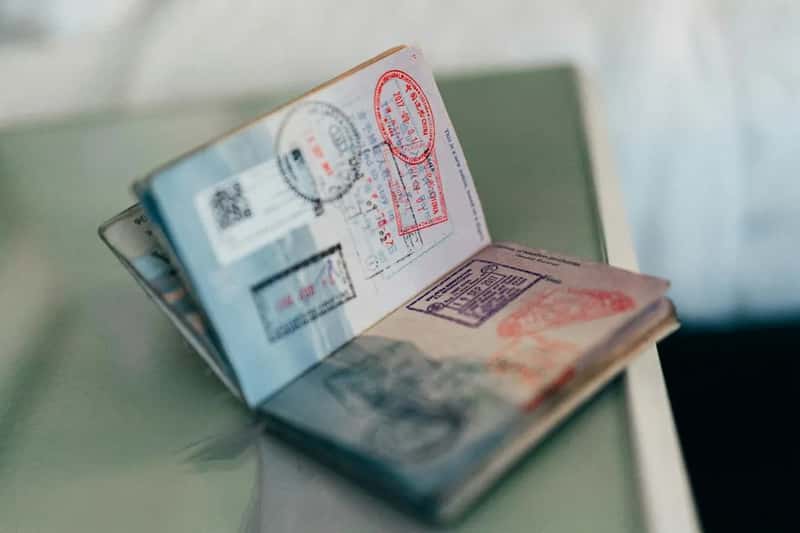
This one surprises many visitors. Every guest in a Spanish rental must be reported to the SES Hospedajes system within 24 hours of check in, with records kept for three years, under a rule in force since 2 December 2024.[11] It covers every guest, not just the person who made the booking.
The obligation didn’t vanish with the national registry ruling. Guest registration through SES Hospedajes remains strictly mandatory.[11] Ask the host how they collect the details, whether through an online form before arrival or in person, and have everyone’s identity documents handy so check in doesn’t stall.
Who exactly is the host, and can I verify them?
Spanish rules expect transparency about who is renting out the property. When the consumer ministry ordered Airbnb listings removed, it said that most lacked a tourist licence number, while others did not say whether the owner was an individual or a corporation, as the regulations require.[12] Some were also accused of using fake or mismatched registration details.[13]
So do a little detective work. Look at how the host presents themselves, message them and ask for the registration code. That code is the number proving the accommodation is legally registered as a tourist rental with its autonomous community,[14] so a real host should be able to hand it over without fuss. Platforms are expected to check licence numbers,[15] but the ministry’s own findings show gaps do occur.