Not every luxury getaway ends up on social media, and that’s not always by accident. Plenty of people quietly book five-star resorts, private tours, or first-class flights without ever mentioning the price tag to friends or family. There’s often more going on beneath the surface than simple modesty, and the reasons tend to say a lot about money, relationships, and how people want to be seen.
1. They want to avoid awkward conversations about money

Talking about how much a trip cost can quickly turn into an uncomfortable exchange, especially among friends or coworkers with different financial situations. Someone who spent several thousand dollars on a trip might sense that sharing the number could make others feel judged or left out, so they simply skip the topic. This isn’t necessarily about hiding wealth as much as it is about keeping social interactions smooth and avoiding comparisons nobody asked for.
Financial therapists often point out that money remains one of the most sensitive subjects in personal relationships, right alongside health and politics. Bringing up trip costs can unintentionally spotlight income gaps, which is why many travelers prefer vague answers like “it was worth it” rather than a specific dollar figure. Staying quiet becomes a way to protect the relationship, not just the bank account.
2. They’re worried about being judged for their spending choices
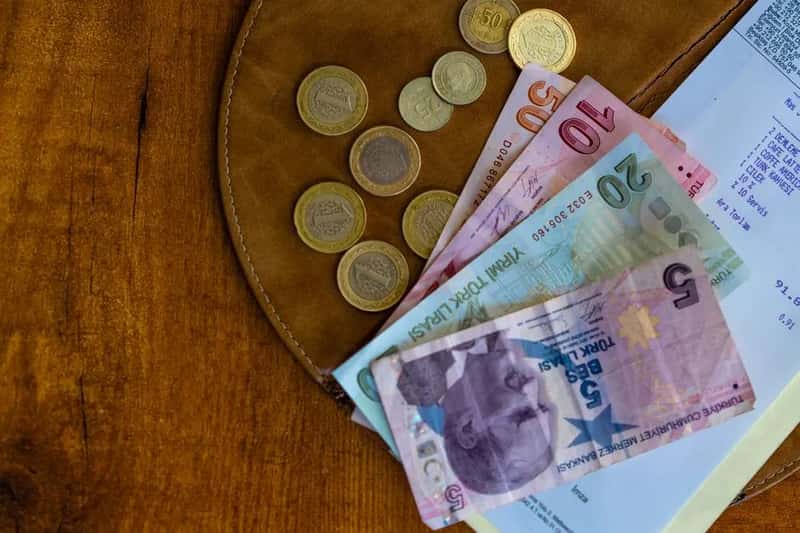
Some travelers anticipate criticism before it even happens. If someone recently complained about rising grocery prices or tight budgets, then casually mentioning a lavish trip to the Maldives can feel tone-deaf, even if it was planned and saved for months in advance. To sidestep that friction, many people choose to keep the details private rather than explain their financial choices to people who didn’t ask.
This concern isn’t limited to strangers or casual acquaintances either. Family members can be some of the harshest critics, especially if they view travel spending as frivolous compared to other financial priorities like saving for a home or paying down debt. Rather than defend their choices, travelers often decide it’s simpler to just not bring up the subject at all.
3. They don’t want to invite comparison or competition
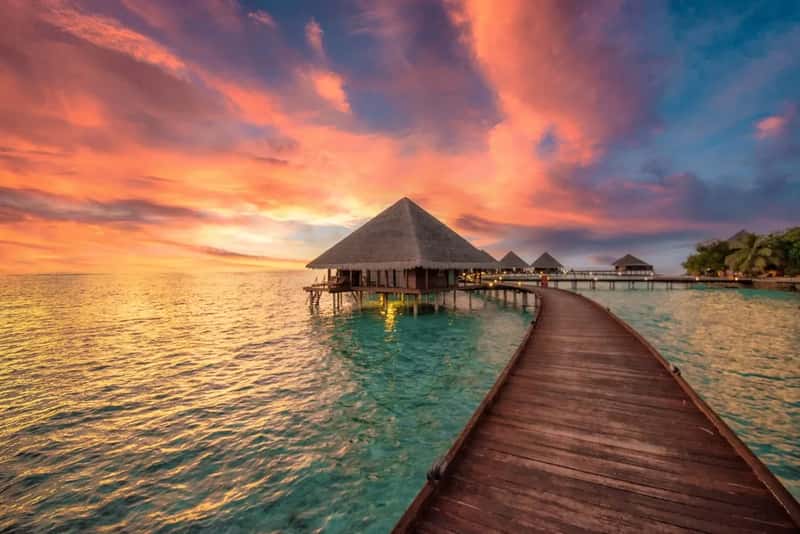
Sharing details of an expensive trip can sometimes trigger a subtle one-upmanship among friends or family, where the conversation shifts from genuine interest to quiet competition. Someone who mentions their overwater bungalow in Bora Bora might unintentionally prompt a friend to bring up an even pricier vacation, turning a simple story into an unspoken contest. Many travelers find this dynamic exhausting and would rather avoid it altogether by keeping specifics vague.
This is particularly common within social circles where travel has become a symbol of status rather than just a personal experience. Rather than feed into that cycle, some people choose to talk about the experience itself, the food, the culture, the relaxation, without ever mentioning what it cost. It keeps the story about the trip and not about who spent more.
4. They’re concerned about safety and privacy

Publicly broadcasting an expensive trip can unintentionally signal that a home will be empty for an extended period, which raises real safety concerns. Security experts have long warned that posting real-time vacation photos, especially ones showing luxury travel, can make a home a more visible target for burglary. This is one reason some travelers wait until they’re back home before posting anything at all, if they post at all.
Beyond home security, there’s also a personal privacy angle. Sharing high-end travel details, resort names, private villas, or exclusive itineraries, can expose someone to unwanted attention, whether that’s scrutiny from acquaintances or even more targeted risks like scams or theft while traveling. For many, discretion isn’t paranoia so much as basic caution in an era where personal details spread fast online.
5. They prefer to keep certain experiences personal and unshared
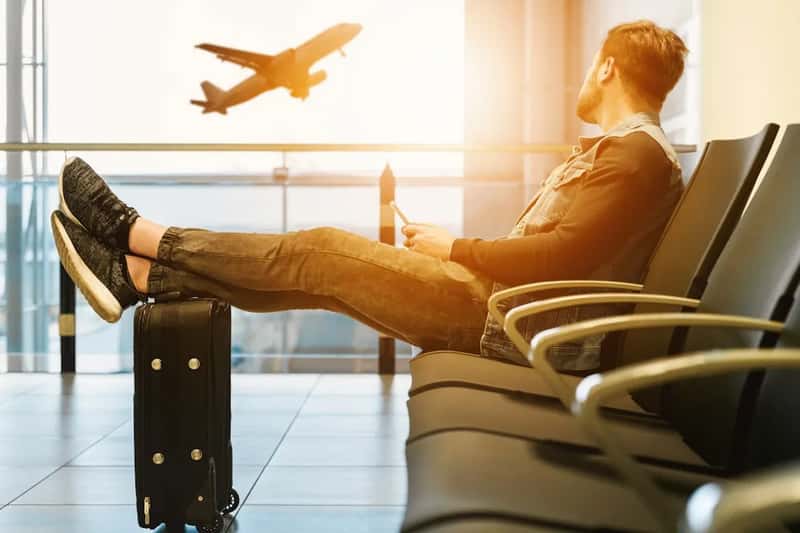
Not every trip needs to become content. Some travelers view expensive vacations as deeply personal experiences, a milestone anniversary trip or a bucket-list adventure, that they want to enjoy without turning into a public narrative. For them, the value of the experience isn’t tied to how many people know about it or how much it impressed anyone else.
This mindset has grown alongside broader conversations about digital burnout and the pressure to document everything for social media. Choosing not to share isn’t a rejection of travel itself, but rather a decision to separate the experience from performance. It allows the memory to remain something private rather than a post engineered for likes or reactions.
6. They don’t want to deal with unsolicited opinions or advice

Mentioning an expensive trip often invites a flood of unsolicited feedback, whether it’s about the destination, the price, or whether the money could have been “better spent” elsewhere. Some travelers have learned that sharing details, even innocently, can lead to long explanations defending choices they never felt obligated to justify in the first place. Staying quiet avoids that entire exchange.
This is especially true for travelers who’ve faced criticism in the past for their spending habits, whether from parents, partners, or colleagues with different financial philosophies. Rather than open the door to debate, many decide the simplest approach is discretion. It keeps the trip theirs, free from outside commentary or unwanted judgment.
Money and travel remain closely tied to identity, relationships, and personal boundaries, and the decision to stay quiet about a trip’s cost is rarely about secrecy for its own sake. More often, it reflects a desire to protect privacy, sidestep judgment, or simply keep an experience personal rather than public.