Most people picture a road trip as the easy version of travel. No security lines, no baggage limits, just you, the car, and the open road. Yet plenty of drivers arrive at their destination more frazzled than relaxed, and often the culprit isn’t traffic or weather. It’s a handful of small habits that quietly pile on pressure long before anyone notices what’s going wrong.
These patterns are so common that most travelers don’t even recognize them as problems. They just seem like part of how road trips work. Looking closer at each one shows why they cause more friction than they’re worth, and what tends to happen when drivers rely on them anyway.
1. Overpacking the itinerary with too many stops

Cramming a dozen attractions into a single day sounds efficient on paper, but it rarely plays out that way once traffic, bathroom breaks, and slow restaurant service enter the picture. Every delay compounds against the next one, and soon the whole day feels like a race instead of a trip. That mental math, constantly recalculating whether there’s still time for the next stop, is its own quiet source of fatigue.
Travel researchers have long pointed out that overscheduled trips tend to produce more exhaustion than satisfaction, since the brain never gets a chance to settle into downtime. A road trip with three flexible stops instead of eight often ends up feeling more memorable, simply because there was room to actually enjoy each one. The irony is that fewer stops frequently means better photos, better meals, and fewer arguments in the car.
2. Relying entirely on GPS without a backup plan
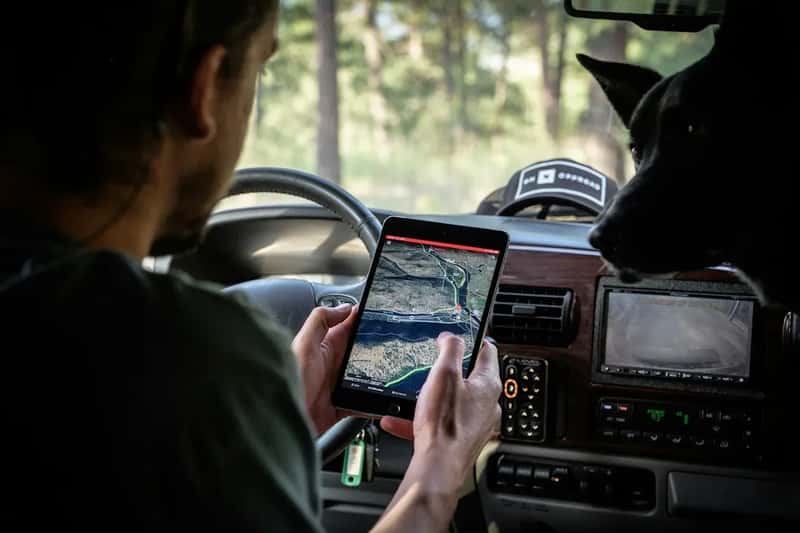
GPS apps are remarkably good now, but they aren’t infallible, especially in rural stretches, mountain passes, or areas with unreliable cell service. When the signal drops or the app glitches, drivers who have no paper map or downloaded offline route can suddenly feel lost in a very literal sense. That moment of not knowing where you are, even for a few minutes, triggers a stress response that lingers well after the route reappears on screen.
Apps like Google Maps and Apple Maps do offer offline map downloads, a feature that’s easy to set up before leaving cell coverage behind. Drivers who take five minutes to download the relevant region ahead of time avoid the scramble that comes from losing navigation mid drive. It’s a small habit, but skipping it is one of the more avoidable stress triggers on a long trip.
3. Skipping vehicle checks before departure
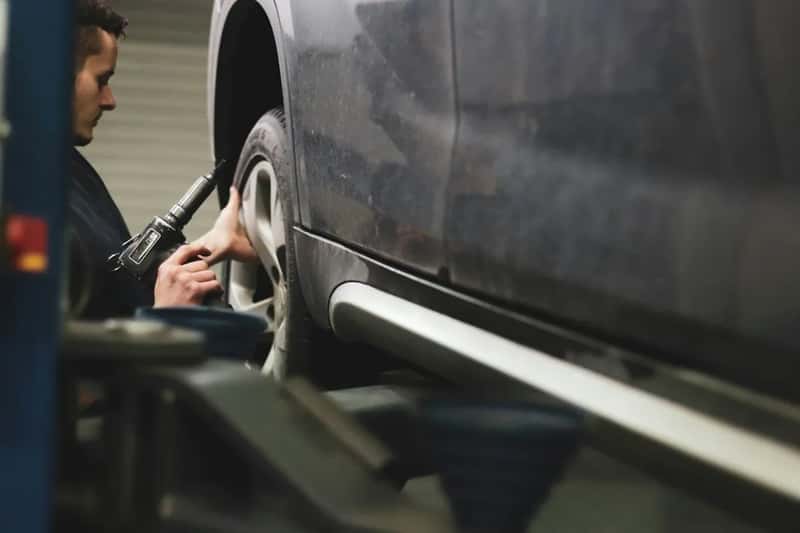
Tire pressure, oil levels, wiper fluid, and battery health are unglamorous things to check before a trip, which is exactly why so many drivers skip them. The problem is that mechanical issues rarely announce themselves conveniently near a service station. A flat tire two hours into rural highway with no cell signal creates a very different kind of stress than the same flat tire discovered in a driveway.
The U.S. Department of Transportation and AAA both recommend a basic pre-trip inspection covering tires, fluids, brakes, and lights, particularly before trips longer than a couple hours. AAA’s own roadside assistance data consistently shows that a large share of summer breakdown calls involve issues that basic maintenance could have caught early. A ten minute check in the garage is a far calmer experience than troubleshooting on the shoulder of an unfamiliar highway.
4. Driving too many hours without real breaks

Pushing through long stretches without stopping feels like progress, but fatigue builds quietly and often goes unnoticed until reaction times have already slipped. The National Highway Traffic Safety Administration has repeatedly flagged drowsy driving as a serious road safety issue, noting that tiredness affects judgment in ways similar to impairment. Stress and fatigue tend to feed each other, so a driver who’s exhausted is also more likely to feel irritable, anxious, and short tempered with passengers.
Safety experts commonly recommend stopping for at least fifteen minutes every two hours on long drives, not just for gas, but to actually move around and reset focus. Skipping this habit in favor of “just getting there faster” rarely saves meaningful time once you account for slower reflexes and mental fog. A short walk at a rest stop does more for the rest of the drive than most people expect.
5. Packing snacks and meals as an afterthought

Hunger has a way of sneaking up during long drives, and when it does, decision making tends to suffer along with mood. Scrambling to find food in an unfamiliar town, especially outside normal meal hours, adds a layer of stress that a little preparation could have avoided entirely. Fast food chains and gas station snacks aren’t inherently bad, but relying on them purely out of desperation usually means overpaying for something unsatisfying.
Bringing a cooler with sandwiches, fruit, and water bottles gives travelers more control over timing and cost, and it removes the pressure of finding an open restaurant during odd hours. It also helps avoid the classic mid afternoon energy crash that comes from skipping meals or relying only on sugary snacks. A little food prep the night before a trip pays off far more than it seems like it should.
6. Ignoring passenger comfort and communication

Long car rides put multiple people in a confined space for hours, and small irritations, temperature disagreements, music choices, or unclear plans, can snowball into real tension if nobody addresses them. Drivers sometimes assume everyone is fine simply because nobody has said otherwise, which isn’t always accurate. Silence in a car isn’t the same as comfort, and unspoken frustration tends to surface at the worst possible moment.
A quick check in every hour or two about temperature, break needs, or general mood costs almost nothing and prevents a lot of unnecessary friction. Clear communication about the day’s plan, including roughly how long until the next stop, also reduces the anxious guessing that passengers sometimes do quietly in the back seat. It’s a simple habit, but one that consistently makes the difference between a pleasant trip and a tense one.
Avoiding these six habits doesn’t require expensive gear or elaborate planning. Most of the fixes take only a few extra minutes before or during the drive. The difference shows up less in the miles covered and more in how everyone feels once they finally get out of the car.