Airline cabins are designed to feel calm, controlled, and predictable. Behind that curated experience, though, current and former crew members describe a very different set of realities, one shaped by tight schedules, corporate policy, and a few practical shortcuts most passengers never notice. Some of these details are harmless quirks of how the industry runs. Others are the kind of thing airlines would rather keep quiet.
1. Overbooking flights is standard practice, not an occasional mistake
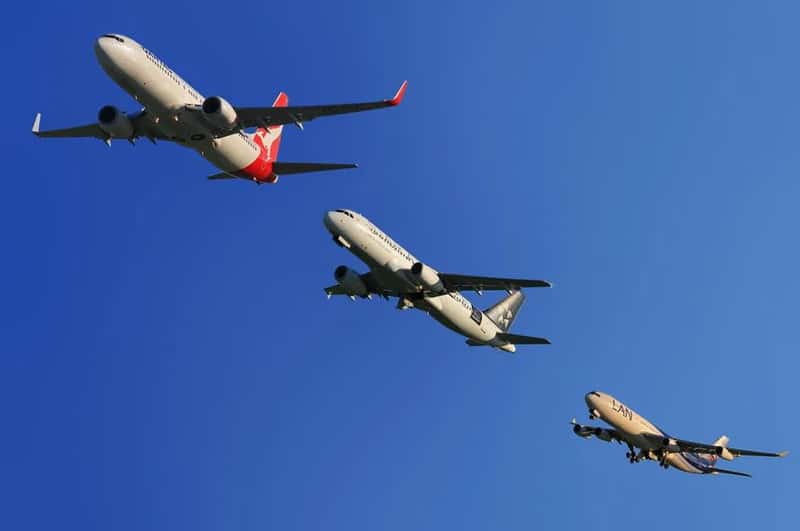
Most travelers assume an overbooked flight is a rare scheduling slip. In reality, former crew members describe it as routine business strategy rather than an exception. Airlines sometimes sell more tickets than there are seats, and it’s not just an occasional practice, it’s practically the norm, since airlines bank on the fact that a certain percentage of passengers will cancel or miss their flights.[1]
This is why gate agents occasionally ask for volunteers to give up seats in exchange for vouchers. The math works in the airline’s favor most of the time, since historical no-show data is fairly predictable on any given route. When it doesn’t work out, though, passengers end up bumped, and crew are the ones left explaining a policy they didn’t create.
2. Onboard water and coffee aren’t always as clean as they look
This one has genuine regulatory backing. A recent industry-wide study covering multiple major U.S. carriers found measurable contamination in aircraft water systems. The analysis found that 2.7% of samples tested positive for total coliform, and E. coli was identified 32 times across the 21 airlines studied.[2]
The problem traces back to how water gets onto the plane in the first place. Aircraft potable water tanks are filled on the ground at airports, often from multiple municipal or airport-based systems in a single day, and the water travels through hoses, trucks, and transfer carts before reaching the plane.[3] That’s part of why crew members quietly steer passengers toward bottled water, and why some flight attendants joke about the “broken” coffee maker rather than explain the real reason they’d rather not serve it.
3. Blankets and pillows get reused far more than passengers assume

The tidy folded blanket waiting on your seat can carry a longer history than it appears to. According to accounts from former cabin crew, turnaround cleaning between flights is often limited to the basics. Blankets and pillows just get refolded and stuffed back in the bins between flights[4] rather than laundered after every use.
Deep cleaning tends to happen on a set schedule rather than after each flight, especially on short domestic hops with tight turnaround windows. Cleaning between sectors is often limited to trash collection and crossing seatbelts,[4] according to crew who’ve worked those routes. It’s not a scandal exactly, just a reality of how airlines squeeze maximum use out of every minute on the ground.
4. Long-haul planes have hidden crew sleeping quarters passengers never see
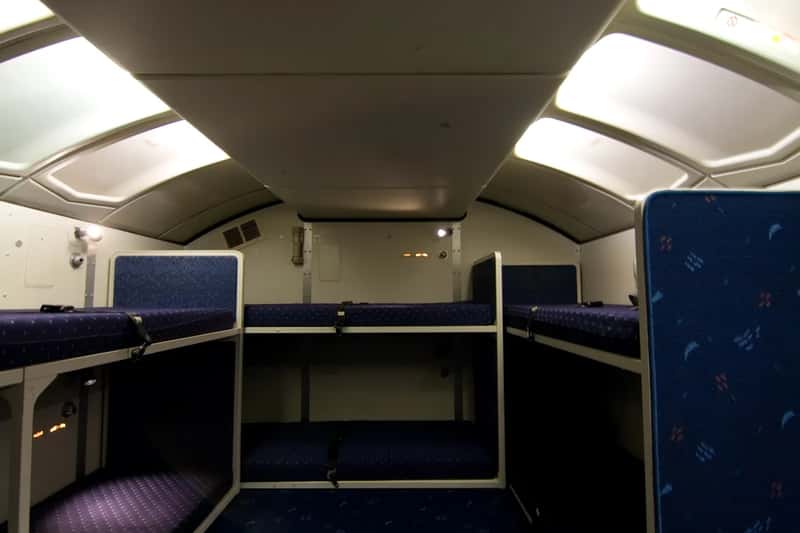
On extended international flights, crew members don’t just take breaks in an empty row. Many wide-body aircraft are built with dedicated rest compartments tucked out of passenger view entirely. Long-haul crew members actually have hidden bunks, tiny, secret sleeping pods above or below the passenger cabin.[5]
These spaces are cramped by design but functional, letting crew rotate through required rest periods during flights that can stretch well past twelve hours. On a long flight, attendants nap in turns wrapped in airline blankets, in a space that’s pitch dark, eerily quiet, and smells faintly of fabric softener and jet fuel.[5] Pilots typically get a slightly more comfortable version of the same setup, since regulations require rest breaks on the longest routes.
5. Lavatory doors aren’t as locked as passengers think
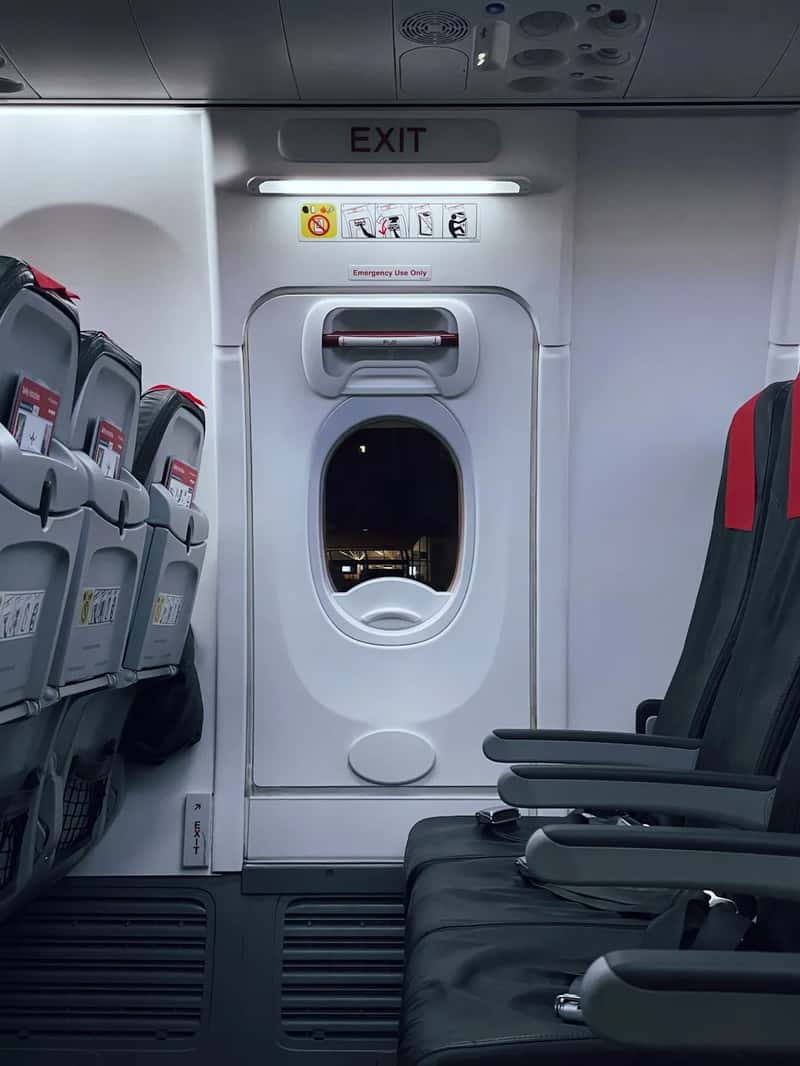
That little “occupied” sign creates a sense of privacy that’s only partly accurate. Crew members have access to override the lock from outside, and it’s built into the aircraft for a specific safety reason. Anyone can open the lavatory from the outside if they happen to be a flight attendant who knows how, since the locking system has a secret latch or switch hidden beneath the lavatory sign that disables the lock in case someone passed out or got stuck inside.[6]
It’s a feature born entirely out of medical necessity rather than curiosity. If a passenger loses consciousness or has a medical event behind a locked lavatory door, crew need a way in immediately, and waiting for a locksmith at 35,000 feet obviously isn’t an option. The mechanism varies by aircraft and airline, so it’s not something passengers could easily replicate even if they tried.
6. Paying for a seat doesn’t guarantee you’ll keep it
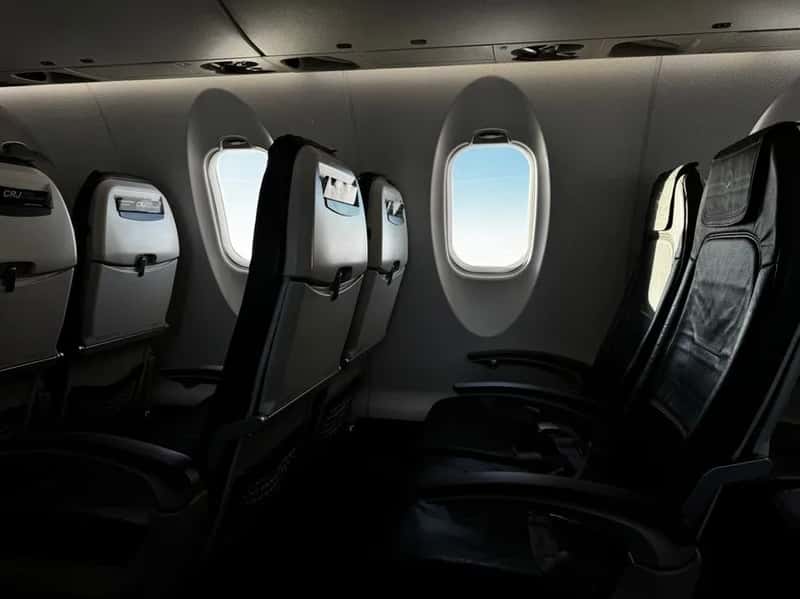
Selecting and paying extra for a specific seat feels like a done deal at checkout, but airlines build in more flexibility than most travelers realize. Airlines have disclaimers buried in the fine print stating that seat selections are never 100% guaranteed.[1] Aircraft swaps, mechanical substitutions, and last-minute accommodations for families or passengers with disabilities can all trigger a reshuffle.
Former crew describe this as one of the most common sources of passenger frustration, precisely because it feels like a broken promise. Operational needs trump passenger preferences at the end of the day, and it’s not a conspiracy against any one traveler, just the reality of juggling dozens of last-minute variables.[1] Travelers who care deeply about a specific seat, particularly for legroom or window access, are better off checking in early and confirming at the gate rather than assuming the online booking is locked in.
None of this means flying is riskier or less trustworthy than it appears. Most of these practices exist because airlines are managing enormous logistical complexity across thousands of daily flights, not because they’re hiding something sinister. Knowing how the system actually works, though, makes it a little easier to navigate the next time a seat gets changed, a blanket looks a bit too familiar, or the coffee suddenly isn’t on offer.