Travel anxiety doesn’t always look like a white-knuckled grip on the armrest or a visible panic attack at the gate. More often, it hides behind a calm face, a joke about turbulence, or someone who seems almost too prepared for the trip. The people who struggle the most are frequently the ones who’ve gotten really good at masking it, which makes their anxiety harder to spot and, ironically, harder for them to get support with.
Recognizing these subtler signals matters, whether you’re trying to understand a travel companion, a family member, or even yourself. Below are six behaviors that often reveal hidden travel anxiety, even when everything on the surface looks fine.
1. They over prepare for every possible scenario
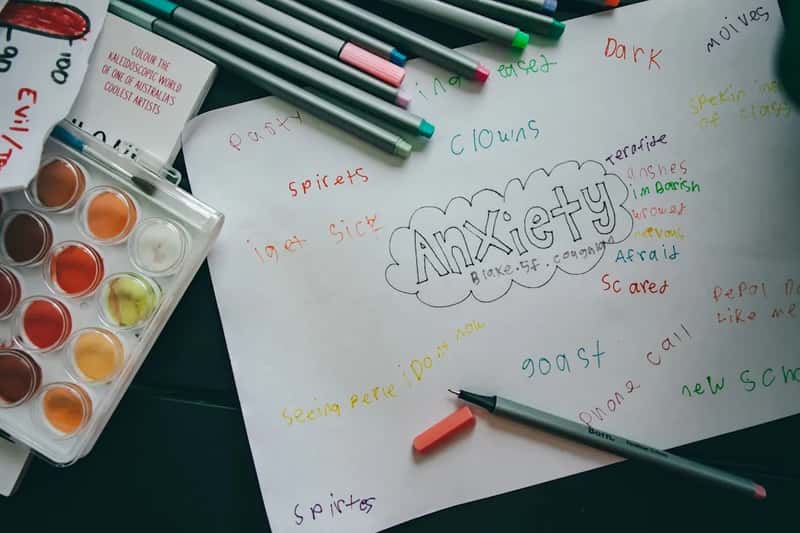
Someone who seems unusually meticulous about travel logistics, printing backup copies of documents, researching every transit option, or packing extra supplies for emergencies that are unlikely to happen, may be using preparation as a coping mechanism. This isn’t the same as being organized for convenience. It’s often an attempt to control every variable because uncertainty itself feels threatening to them.
This behavior can look admirable from the outside, even efficient. But when the planning becomes excessive relative to the actual trip, checking flight status a dozen times before departure, mapping out contingency routes for a simple day trip, it’s frequently a sign that anxiety is driving the behavior rather than genuine enthusiasm for logistics.
2. They joke about their nerves instead of naming them

Humor is one of the most common disguises for anxiety, and travel is no exception. A person might make lighthearted comments about being “a little dramatic” on planes or joke that they need a drink before boarding, using self deprecating humor to signal discomfort without actually admitting how intense the feeling is.
This kind of deflection allows them to acknowledge the anxiety just enough to feel understood, while avoiding a deeper conversation that might feel too vulnerable. If someone consistently jokes about the same travel related fear across multiple trips, it’s often worth taking the underlying comment more seriously than the tone suggests.
3. They arrive unusually early and stay unusually quiet
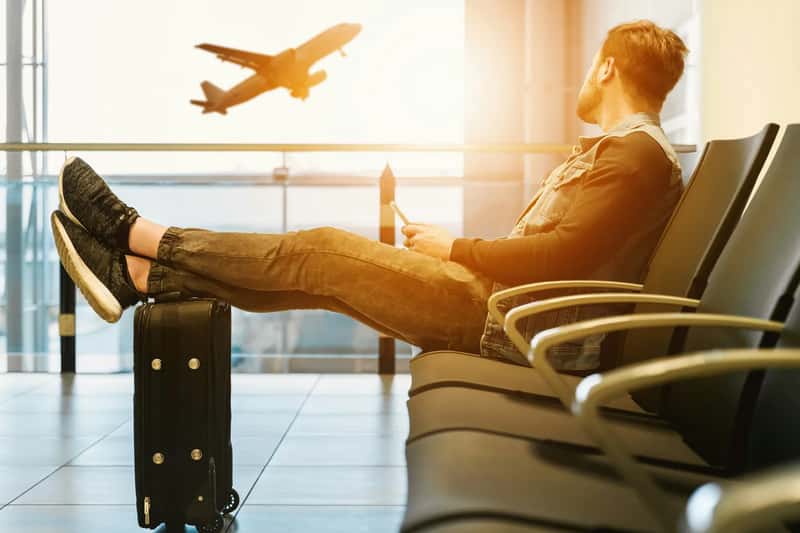
Arriving early to the airport or station is common advice, but there’s a difference between reasonable caution and arriving hours ahead out of a need to eliminate any chance of rushing. People hiding travel anxiety often gravitate toward extreme early arrival because the waiting itself, however long, feels more manageable than the risk of missing a connection or dealing with an unexpected delay.
Once there, they may become noticeably quieter than usual, scrolling their phone, avoiding conversation, or repeatedly checking departure boards. This withdrawal isn’t necessarily rudeness or distraction. It’s frequently a sign that they’re internally managing stress and don’t have much bandwidth left for small talk.
4. They physically distance themselves from reminders of the trip
Some people manage anxiety by avoiding anything that makes the upcoming travel feel more real. This can show up as procrastinating on packing until the last possible moment, changing the subject when others bring up trip details, or seeming oddly detached when discussing the itinerary.
It might look like disinterest or laziness, but avoidance is a well documented anxiety response. Putting emotional distance between themselves and the trip, right up until they absolutely have to engage with it, is often easier than sitting with the discomfort directly.
5. They rely heavily on rituals or specific routines
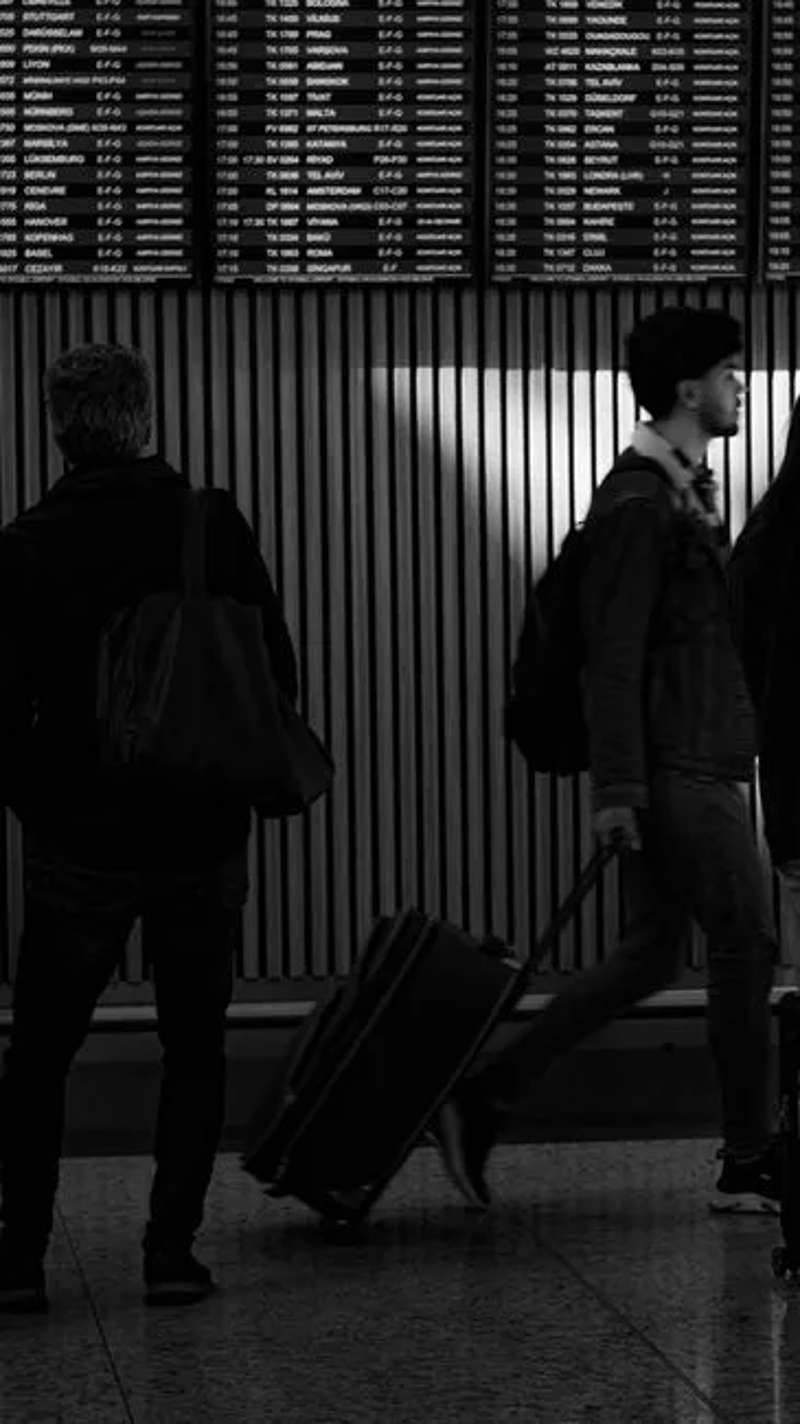
Small, repeated behaviors, always sitting in the same type of seat, listening to a particular playlist during takeoff, or following an identical pre trip routine every single time, can be a subtle but telling sign of hidden anxiety. These rituals aren’t superstition so much as a way of creating predictability inside an experience that otherwise feels unpredictable.
When someone becomes visibly unsettled if the ritual gets disrupted, missing their usual seat assignment or having to skip a normal pre flight habit, it often reveals how much psychological weight that small routine was carrying. The ritual itself isn’t the point. The sense of control it provides is.
6. They ask a lot of reassurance seeking questions

Repeated questions about timing, safety, or logistics, even after receiving a clear answer, can be an easy to miss sign of anxiety hiding behind curiosity. Asking “are you sure the flight isn’t delayed” multiple times, or double checking the same detail with different people, is a common pattern among those trying to quiet internal worry through external confirmation.
On the surface it can seem like simple thoroughness or even mild annoyance to those around them. Underneath, it’s often a search for temporary relief, since reassurance tends to calm anxious thoughts only briefly before the uncertainty creeps back in.
Hidden travel anxiety rarely announces itself outright. It tends to surface in small, easily overlooked habits, extra preparation, deflective humor, early arrivals, quiet avoidance, steady rituals, or repeated reassurance seeking. Noticing these patterns doesn’t require diagnosing anyone; it simply means paying closer attention to what sits beneath the calm exterior many travelers work hard to maintain.