Anyone who has worked a front desk will tell you the same thing: guests who get upgrades, late checkouts, or a plate of extra cookies aren’t lucky. They’re usually just easy to work with. Hotel staff remember faces and patterns, and small gestures of courtesy tend to come back around in the form of better rooms, quicker fixes, and a little more warmth during a stay.
None of this requires charm school or a big tipping budget. It’s mostly about timing, tone, and a few habits that make a busy shift feel a little lighter for the people running the building.
1. Greeting staff by name and making eye contact
Front desk agents wear name tags for a reason, and almost nobody uses them. Saying “thanks, Maria” instead of just “thanks” registers instantly because it breaks the anonymous guest-staff pattern that fills most shifts. It signals that the person checking you in is a person, not a kiosk, and that distinction shapes how much effort staff put into the rest of the interaction.
This habit costs nothing and takes no extra time, which is part of why it works so well. Hospitality workers in surveys and industry forums consistently describe recognition and basic politeness as the traits that separate memorable guests from forgettable ones. A guest who’s remembered fondly is far more likely to get flexibility when something needs bending, like a room change or an early arrival.
2. Being clear and specific with requests instead of vague
Vague requests create extra work. Asking for “a good room” or “somewhere quiet” forces staff to guess, and guesses often land wrong. Saying instead that you’d prefer a room away from the elevator, or on a higher floor facing away from the street, gives the desk something concrete to act on and shows you’ve thought about it rather than just complaining later.
Specificity also reduces friction if the request can’t be met exactly. Staff can explain limitations clearly and offer the closest alternative, rather than defaulting to a generic room and hoping it works. Hotels operating near full occupancy, which has been common in major U.S. and European markets through 2024 and into 2026 according to industry occupancy trackers, have less flexibility to shuffle guests around, so a clear ask made early at check-in tends to get better results than a complaint made later.
3. Timing requests around shift changes and rush periods
Front desks run on shifts, typically morning, afternoon, and overnight, and the transition windows are chaotic. Staff are handing off notes, counting cash drawers, and briefing each other on issues from the previous shift. Walking up during that window with a complicated ask, like a late checkout combined with a room change, tends to get a rushed or half-attentive response simply because attention is split.
Late afternoon check-in rushes, usually between three and six in the evening, carry the same problem multiplied by volume. Guests who bring routine requests during quieter stretches, like mid-morning or early evening after the rush has cleared, generally get more thoughtful, unhurried service because the person helping them isn’t also juggling four other things.
4. Reporting problems calmly and early rather than letting them build

A broken air conditioner reported the first evening is a minor fix. The same air conditioner mentioned only at checkout, after three uncomfortable nights, becomes an unsolvable problem and often an argument about compensation. Staff can only respond to what they know about, and early reporting turns a potential complaint into a routine maintenance ticket handled while there’s still time to actually improve the stay.
Tone matters as much as timing here. Guests who describe an issue matter-of-factly, without raising their voice or threatening a bad review, tend to get faster and more generous responses, because staff aren’t managing an emotional situation on top of a logistical one. Hospitality trainers frequently point to calm, early communication as the single biggest predictor of whether a service recovery gesture, like a discount or amenity, gets offered without being demanded.
5. Respecting housekeeping’s schedule and leaving rooms manageable
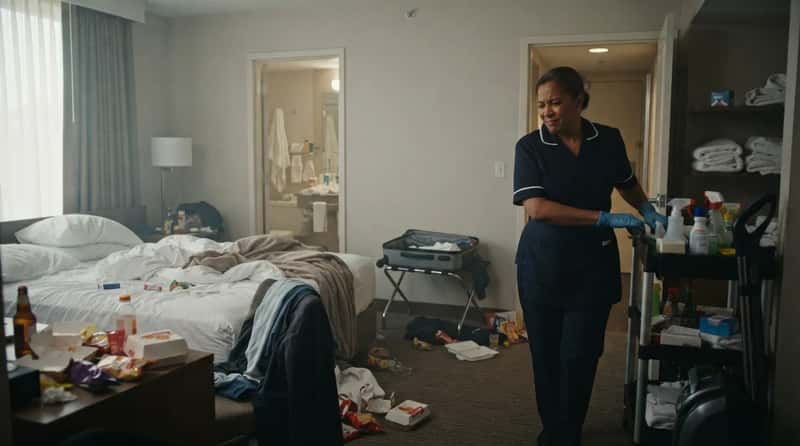
Housekeeping staff typically service between twelve and sixteen rooms per shift depending on the property, a pace that leaves little room for surprises. A “do not disturb” sign left up all day, with no indication of when the room will be free, throws off that entire schedule and can push a guest’s room to the very end of the list. Simple things, like hanging the sign only when needed and taking it down once you’re out, keep the workflow predictable for a team working against the clock.
Leaving a reasonable cash tip for housekeeping, something the American Hotel & Lodging Association has encouraged guests to do more consistently in recent years through its “envelope” tipping initiative, also tends to translate into small extras like extra towels or a tidier turn-down without ever having to ask. It’s a low-cost habit that housekeeping staff notice immediately, since most guests still don’t tip this part of the service chain at all.
6. Following up in writing with genuine, specific praise

A quick email or a note left at checkout naming a specific staff member by name carries more weight than most guests realize. Front desk agents, concierges, and housekeepers are often evaluated using guest feedback tied to specific names, and a positive mention can factor into raises, scheduling preference, or recognition within the property. It’s one of the few guest actions that has a direct, traceable effect on someone’s job.
This doesn’t require an elaborate review on a travel site, though those help too. A short message to the front desk or general manager, mentioning that a particular employee went out of their way, tends to be remembered the next time that guest returns. Hotels that are part of larger chains often track repeat guests through loyalty profiles, and staff notes about a guest’s past kindness can quietly follow them into future stays.
None of these habits guarantee an upgrade or a free breakfast every time. What they tend to produce instead is a working relationship, however brief, where staff have a reason to go a little further than the minimum. In an industry still dealing with staffing shortages in many markets through 2025 and 2026, that kind of goodwill often matters more than any status tier or loyalty number.