There’s a particular kind of nervous energy that kicks in the moment the hotel room door clicks shut behind you. For most travelers, it fades fast, replaced by the relief of finally being somewhere to rest. For anxious travelers, though, that moment can be the start of a whole checklist of quiet worries that rarely get said out loud.
These aren’t irrational fears pulled from nowhere. Many of them are grounded in real safety gaps, documented incidents, or simple unfamiliarity with a space that’s never quite yours. Here’s a closer look at six things that tend to weigh on anxious minds the moment they check in.
1. Not knowing the fire escape route
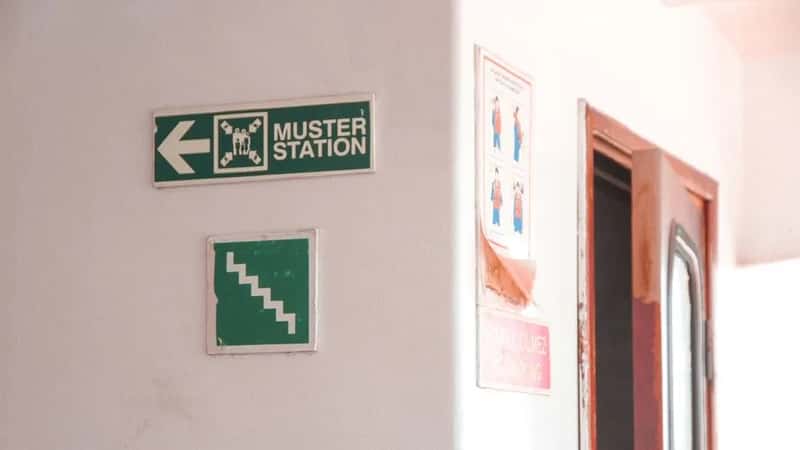
For a lot of anxious guests, the first few minutes in a hotel room aren’t spent unpacking. They’re spent scanning the door for an evacuation map and mentally rehearsing what happens if the alarm goes off at 2 a.m. Fire officials actually recommend this exact habit, advising guests to read the evacuation plan carefully and find the two closest exits from the room, counting the number of doors between the room and the exits.[1]
The dread isn’t just about fire itself, it’s about not having a plan in an unfamiliar building with unfamiliar hallways. Safety guidance consistently emphasizes avoiding elevators during a fire, since an elevator could stop at the floor where the fire is burning.[2] For someone already prone to worst-case thinking, a hotel corridor at night can feel like a maze with no obvious way out, which is exactly why memorizing that route early tends to ease the tension considerably.
2. Whether the room lock is actually secure
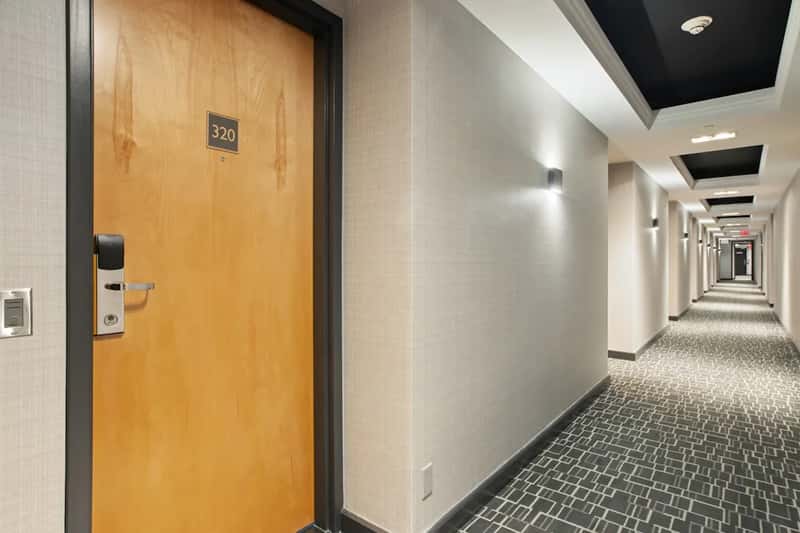
Deadbolts and keycards look reassuring until you start thinking about how many other people have had access to that same lock over the years. Anxious travelers often lie awake running through scenarios involving master keys, hotel staff walking in unannounced, or a lock that simply doesn’t latch the way it should.
This concern has grown alongside a broader rise in travel-related unease. Recent polling found that a notable share of Americans now factor personal safety into how they plan and book trips, with worry extending well beyond flights and into where they actually sleep at night. It’s a small, practical fear, checking the latch twice, propping a chair against the door, but for many it’s become part of the nightly routine before they can actually relax.
3. What might be hiding in the mattress or bathroom
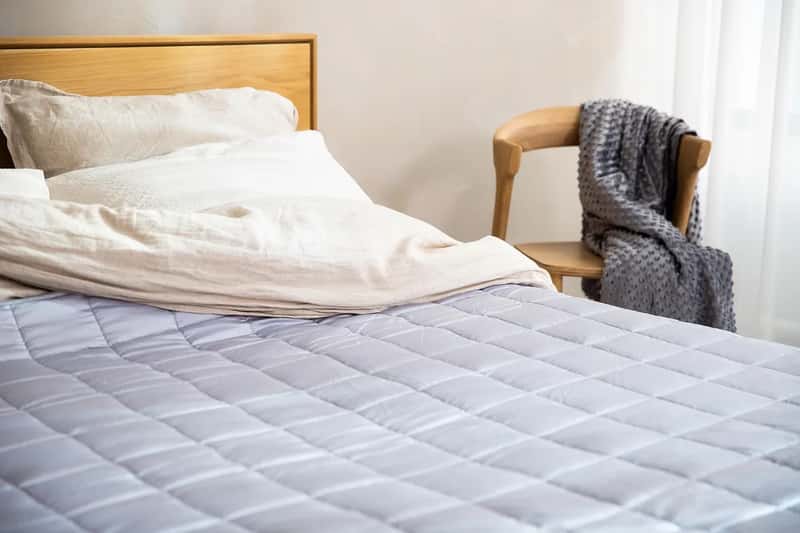
Cleanliness anxiety in hotels isn’t new, but it hasn’t gone away either. Bedbugs, in particular, remain a quiet source of dread because they’re notoriously hard to spot and can travel home in luggage without anyone noticing until it’s too late.
Bathrooms carry their own version of this worry, from questions about how thoroughly surfaces were disinfected to whether towels and linens were actually changed between guests. Public health surveys tracking traveler concerns show that worry about getting sick while on a trip has climbed rather than settled in recent years. For anxious travelers, a quick inspection of the sheets, corners of the mattress, and glassware often becomes an unofficial part of check-in before anything else happens.
4. Hidden cameras or unseen surveillance
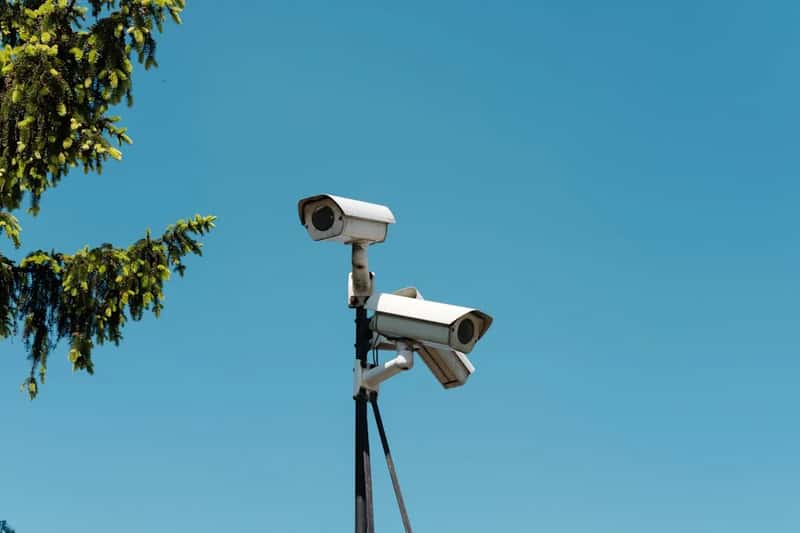
This one tends to surface more with online travel forums than official statistics, but it’s a real and persistent fear. Anxious guests sometimes scan smoke detectors, alarm clocks, and outlets for anything that looks slightly out of place, aware that hidden camera incidents in short-term rentals and hotels have made headlines often enough to stick in public memory.
The unease here is less about probability and more about vulnerability. A hotel room is meant to be a private space, and the mere possibility that it might not be entirely private is enough to unsettle even confident travelers, let alone those already inclined to worry. Simple habits, covering unfamiliar devices or checking mirrors for two way glass, have become common enough that many hotel guides now mention them casually.
5. Being isolated if something goes wrong medically
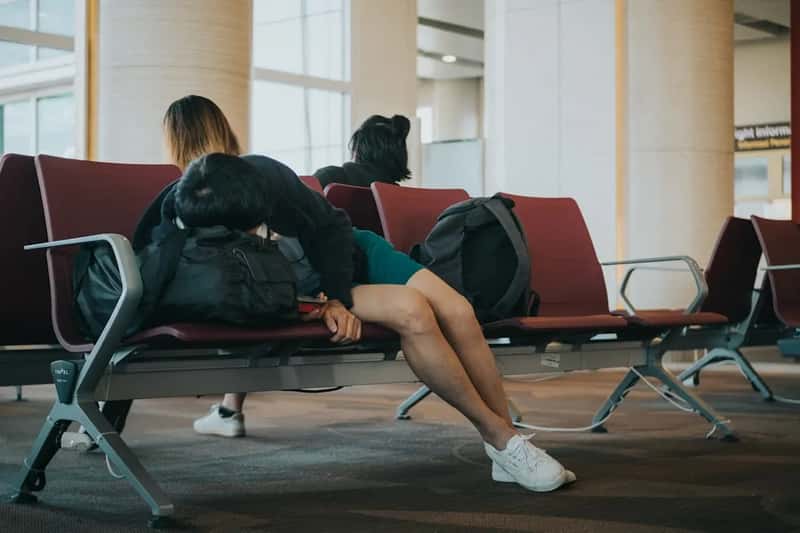
Falling ill or getting hurt at home means being near people who know you and a hospital you’re familiar with. Doing the same in a hotel, possibly in another city or country, is a different experience entirely, and it’s one that weighs heavily on anxious minds well before anything actually happens.
This fear has intensified alongside global uncertainty. One 2026 survey noted that concerns about safety and trip disruptions have been compounding for travelers, even as many still choose to go ahead with their plans. It’s part of why travel insurance uptake has grown so sharply, with recent data suggesting roughly two-thirds of travelers are now considering travel insurance for their next trip, a sharp rise from previous years.[3] For many anxious travelers, having that safety net matters more for peace of mind than for the coverage itself.
6. Noise, thin walls, and unfamiliar sounds at night
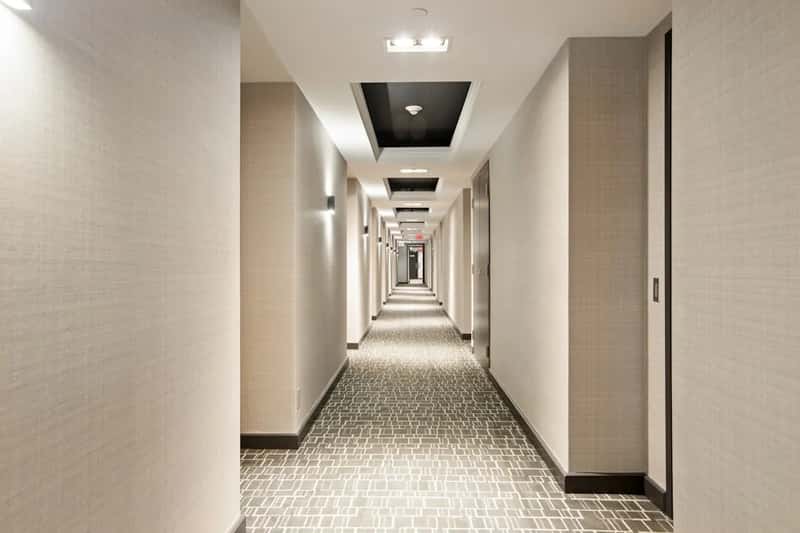
Sleep is already fragile for anxious people, and hotel rooms rarely make it easier. Footsteps in the hallway, a door slamming three rooms down, or an unfamiliar hum from the air conditioning can all pull attention away from rest and toward hypervigilance.
Part of this comes down to genuinely inconsistent soundproofing across different hotel classes and building ages, and part of it is simply the unfamiliarity of a space that isn’t home. Older properties in particular tend to carry sound differently than modern builds, which can turn an otherwise quiet night into a series of small interruptions. Many anxious travelers cope by packing earplugs or a white noise app before they even leave home, treating it as a near essential part of the trip rather than an afterthought.
None of these worries mean anxious travelers should avoid hotels altogether. Most are manageable with a bit of preparation, a five minute room check, a downloaded white noise track, a look at the escape map behind the door. The goal isn’t to eliminate every fear before a trip, but to walk in with enough information that the room feels less like unfamiliar territory and more like a temporary place to rest.