Spend enough time in a hostel common room and you start noticing patterns. The traveler who’s been on the road for months packs completely differently than someone on their first big trip. It’s not about brand names or expensive gear. It’s about small, telling choices that only come from experience, sometimes hard-won experience involving a missed bus or a rained-out tent.
Watch closely at any airport baggage carousel or overland border crossing, and six specific items tend to give away the veterans every single time. These aren’t flashy purchases. They’re practical, often unglamorous objects that solve problems most people don’t even know exist until they’ve lived through them.
A Universal Sink Stopper and Concentrated Laundry Soap

Nothing says “I’ve done this before” quite like a rubber sink stopper tucked into a side pocket. Seasoned backpackers know that hostel and guesthouse bathroom sinks rarely come with functioning plugs, and hand-washing clothes in a shower or basin becomes routine after the first few weeks away from a washing machine. A flat, flexible universal stopper that fits odd-shaped drains solves a problem that catches almost every first-timer off guard.
Paired with that stopper is usually a small bottle or bar of concentrated laundry soap, often something like Dr. Bronner’s or a similar biodegradable formula. Long-term travelers rely on this because laundromats aren’t always available, and paying for hotel laundry service adds up fast over months on the road. A tiny amount goes a long way, which matters when every gram in a pack counts.
A Dedicated Power Bank With Multiple Ports
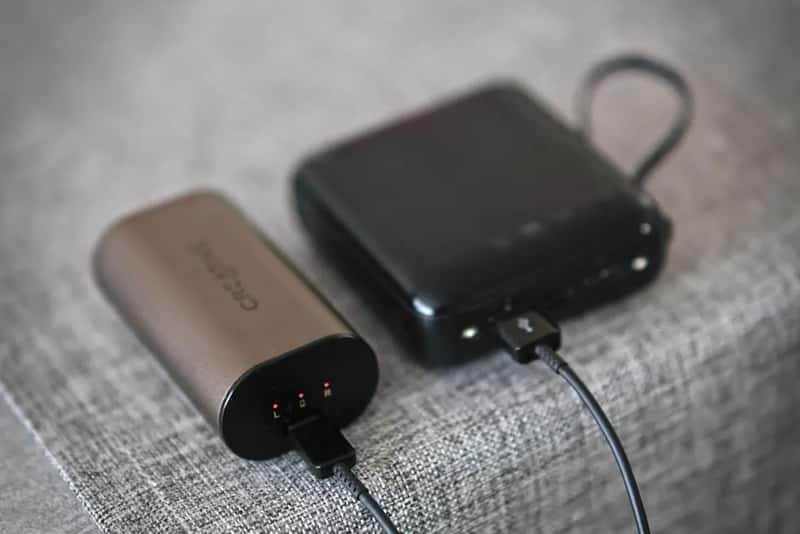
Beginners often bring a phone charger and call it done. Experienced travelers carry a power bank, usually one with at least two output ports, because they’ve learned that dead phone batteries at the worst possible moment are a recurring travel hazard. Long bus rides, overnight trains, and airports with scarce outlets have taught them to never rely on the grid being available when they need it.
The choice of power bank also reveals experience level. Newer travelers tend to buy oversized ones with flashy capacity numbers, while veterans usually settle on something in the 10,000 to 20,000 milliamp-hour range that balances weight against actual need. They’ve likely also learned the hard way that some airlines and countries restrict lithium battery capacity on flights, so the label matters as much as the size.
A Physical Padlock, Even in the Age of Digital Everything

It seems almost old-fashioned, but a small combination padlock remains a staple in the packs of people who’ve spent real time in hostels. Shared dorm rooms almost always come with lockers, but rarely with a lock included, and the front desk selling overpriced replacements at ten o’clock at night is a rite of passage most seasoned travelers have already been through once. Carrying your own means one less unpleasant surprise on arrival.
The type of lock also tells a story. Combination locks beat key locks for backpackers because keys get lost, especially during early mornings or late-night bus transfers when attention is scattered. A four-digit combination that’s easy to remember but hard to guess has become something of a quiet backpacker tradition, passed along through hostel conversations and travel forums for years.
A Packable Daypack That Folds Into Almost Nothing

Bringing a second bag as a carry-on seems obvious in hindsight, but it’s a lesson usually learned only after lugging a full-sized backpack through a city center on a day trip. Experienced travelers carry a lightweight, foldable daypack, often nylon, that compresses down to the size of a fist and weighs next to nothing. It comes out for day hikes, market visits, or beach days while the main pack stays locked up at the accommodation.
The material choice matters too. Ripstop nylon is common among frequent travelers because it resists tearing without adding weight, and many of these packs fold into their own zippered pocket for storage. It’s a small item, but its presence usually signals someone who has already made the mistake of not having one.
A Worn, Slightly Overstuffed Travel Journal or Notebook

In an era of constant photos and social media updates, a physical notebook might seem outdated, yet it remains common among long-term travelers. Pages get used for more than journaling: bus schedules jotted down, addresses of guesthouses, phone numbers of people met along the way, even quick sketches of routes through unfamiliar train stations. The wear on the cover and the assortment of loose ticket stubs tucked inside tend to build up gradually over months.
This habit also reflects something practical rather than sentimental. Phones die, get stolen, or run out of storage, and a paper backup of important details has saved more than one traveler from a difficult situation. The notebook’s condition, soft-edged, slightly swollen from humidity, ink smudged in places, often tells its own story before a single word is read.
These six items rarely draw attention on their own. Together, though, they form a quiet signature, the kind of packing list built not from research articles or gear reviews but from actual miles logged and actual problems solved somewhere along the way.