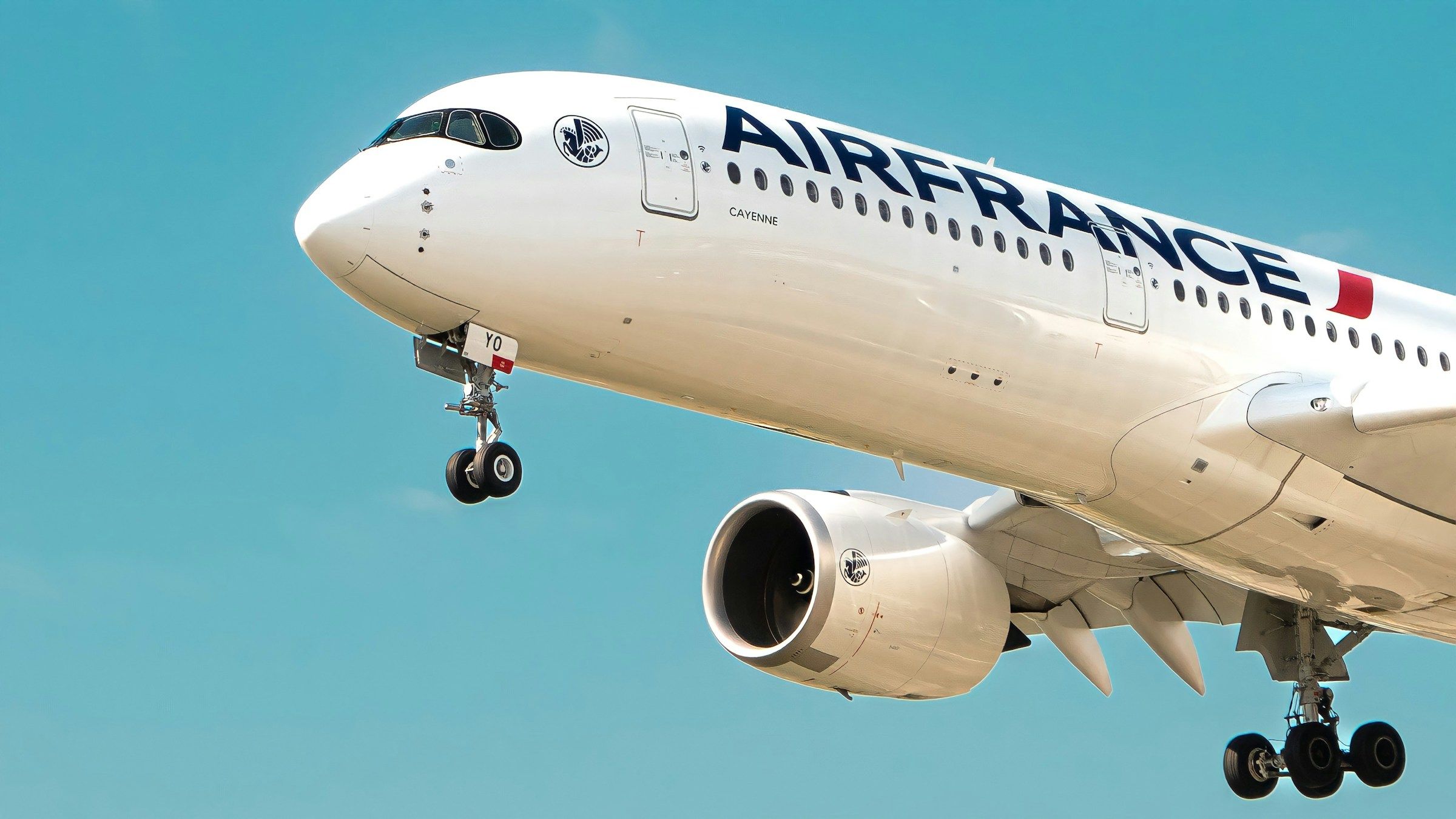
Long-haul flights have a way of turning ordinary travelers into amateur meteorologists, cabin engineers, and sleep scientists all at once. Somewhere over an ocean, at three in the morning body clock time, questions start piling up: why does the plane keep climbing, why does that glass of wine feel stronger than usual, and is that bump in the seatbelt sign actually something to worry about? Pilots hear these questions constantly, and most of them have simple, evidence based answers that rarely make it into the safety briefing.
Turbulence feels scarier than it actually is
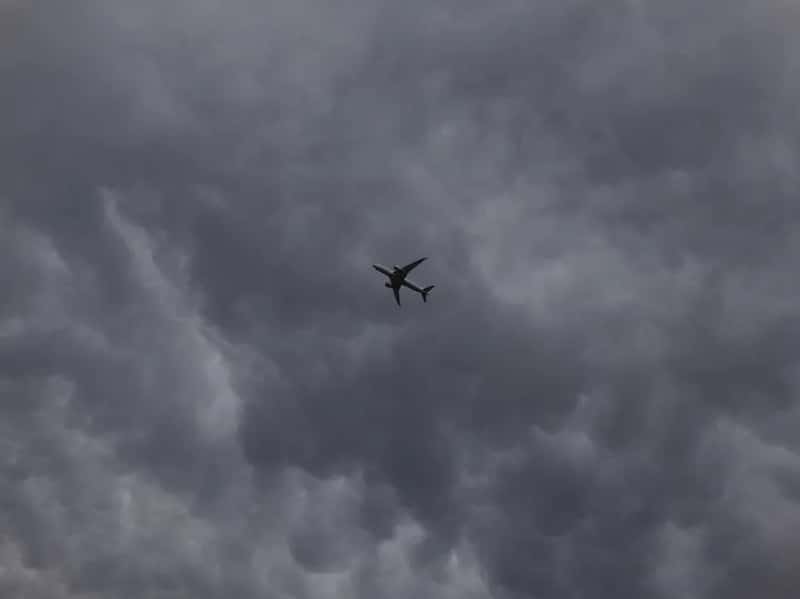
Turbulence is the number one thing passengers ask pilots about, and it is also the most misunderstood. Aircraft are almost never brought down by turbulence alone, and it is seldom dangerous.[1] Turbulence cannot cause an aircraft to go into a spin, be forced upside down, or have its wings torn off, and it is usually little more than an annoyance for the pilot, crew, and passengers.[1]
What feels like a terrifying drop is almost always a minor blip. One veteran pilot who flew through unusually rough air over the Atlantic later checked the instruments and found that the altitude change was fewer than forty feet either way, and often just ten or twenty feet.[2] Every commercial jet is also tested well beyond what weather can realistically throw at it, since the wing and tail of a civil airliner must safely withstand at least 2.5 G positive load, which is 150 percent of the maximum expected load plus a safety margin.[3] That does not mean turbulence should be ignored, but it does mean the shaking cabin is far less dramatic than it feels in seat 34C.
Cabin air is drier and thinner than you realize
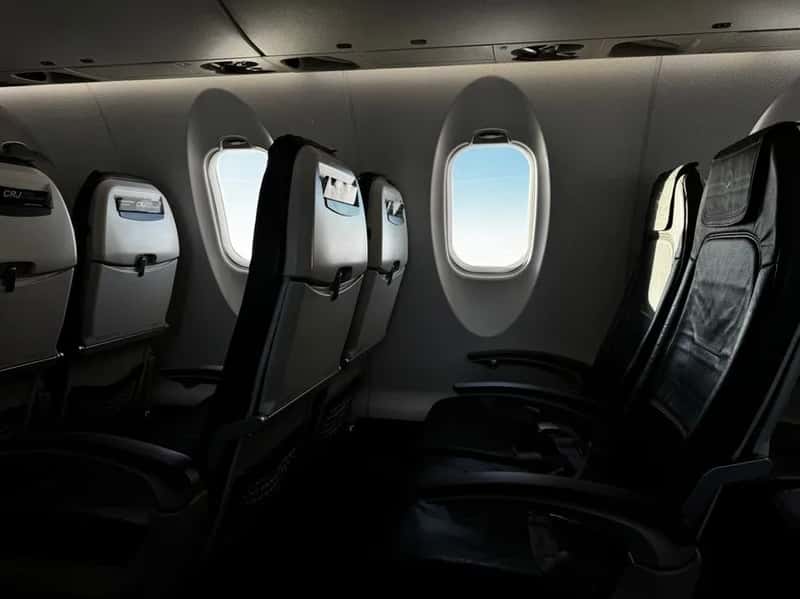
Passengers often blame jet lag entirely on time zones, but the cabin environment itself plays a bigger role than most people assume. Commercial jets cruise where the outside air is too thin to breathe, so pressurization systems keep the cabin at an internal environment equivalent to 6,000 to 8,000 feet above sea level, even when the aircraft is flying above 35,000 feet.[4] That altitude, roughly the elevation of Denver, is enough that the partial pressure of oxygen you breathe is about 17 percent lower than at sea level, and blood oxygen saturation typically drops from around 98 percent to somewhere between 93 and 95 percent.[5]
Humidity takes an even bigger hit. Most airline aircraft have a maximum cabin altitude of 8,000 feet with humidity levels of only 4 to 6 percent, while newer aircraft like the Boeing 787 are designed for a lower 6,000 foot cabin altitude with humidity around 15 percent.[6] That is drier than most deserts, which is exactly why lips crack, skin feels tight, and fatigue sets in faster on a ten hour flight than it would during a normal day on the ground. Pilots generally recommend drinking water steadily rather than waiting until thirst kicks in, since by then the dehydration is already underway.
Step climbs are why the ride can get smoother later
Passengers sometimes notice the plane climbing again hours into a flight and wonder if something changed course. In most cases it is simply fuel efficiency at work. Medium to long haul flights typically employ some variation of a step climb because they take off heavy with a full fuel load, and cruising lower is more efficient until that weight burns off, at which point climbing becomes the better option.[7]
The physics behind it is straightforward once explained. Because aircraft weight steadily decreases as fuel is consumed, the optimum altitude increases over time, which is why long-haul flights often step-climb, starting at a lower cruise level and gradually climbing as the airplane gets lighter.[8] There is a comfort bonus buried in this too, since higher altitudes can provide smoother air, because there may be pockets of rough air and turbulence at lower altitudes.[9] So that mid flight climb passengers sometimes feel is not random. It is the flight management computer quietly chasing better fuel numbers and, often, a calmer ride.
The seat belt sign is not just a formality
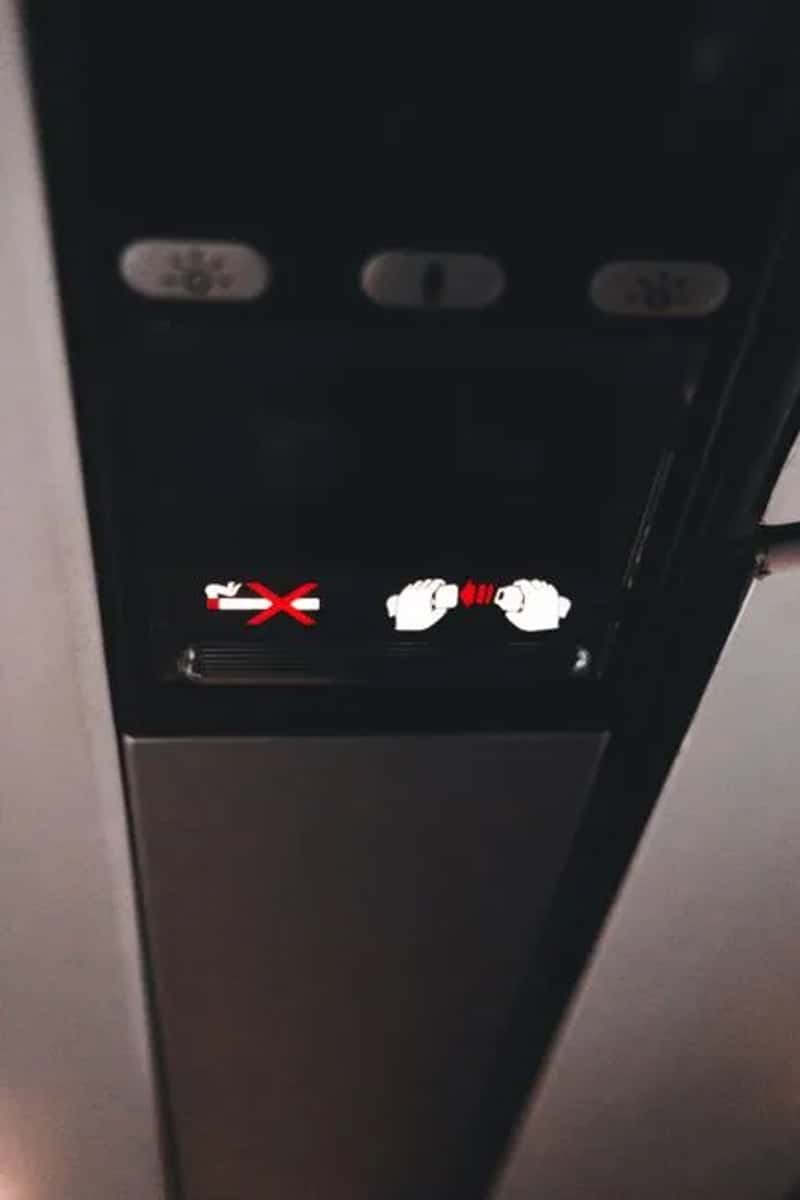
It is tempting to treat the seatbelt sign as background noise, something crews leave on out of habit long after the bumps have stopped. Pilots see it differently, because clear air turbulence can appear with almost no warning even in perfectly clear skies. Unexpected clear air turbulence happens, which is why announcements sometimes advise passengers to keep their seatbelt on even when the sign is off.[10]
Regulators back this up with hard numbers rather than caution alone. Passengers can prevent injuries from unexpected turbulence by keeping their seat belt buckled at all times, and FAA regulations require passengers to be seated with seat belts fastened when the airplane leaves the gate and as it climbs after takeoff.[11] The rare but real injuries that make headlines, including a fatal 2024 Singapore Airlines incident, almost always involve people who were unbuckled when sudden turbulence hit. Keeping the belt loosely fastened during cruise, even when everything feels calm, costs nothing and removes almost all of the risk.
Alcohol hits differently in the air
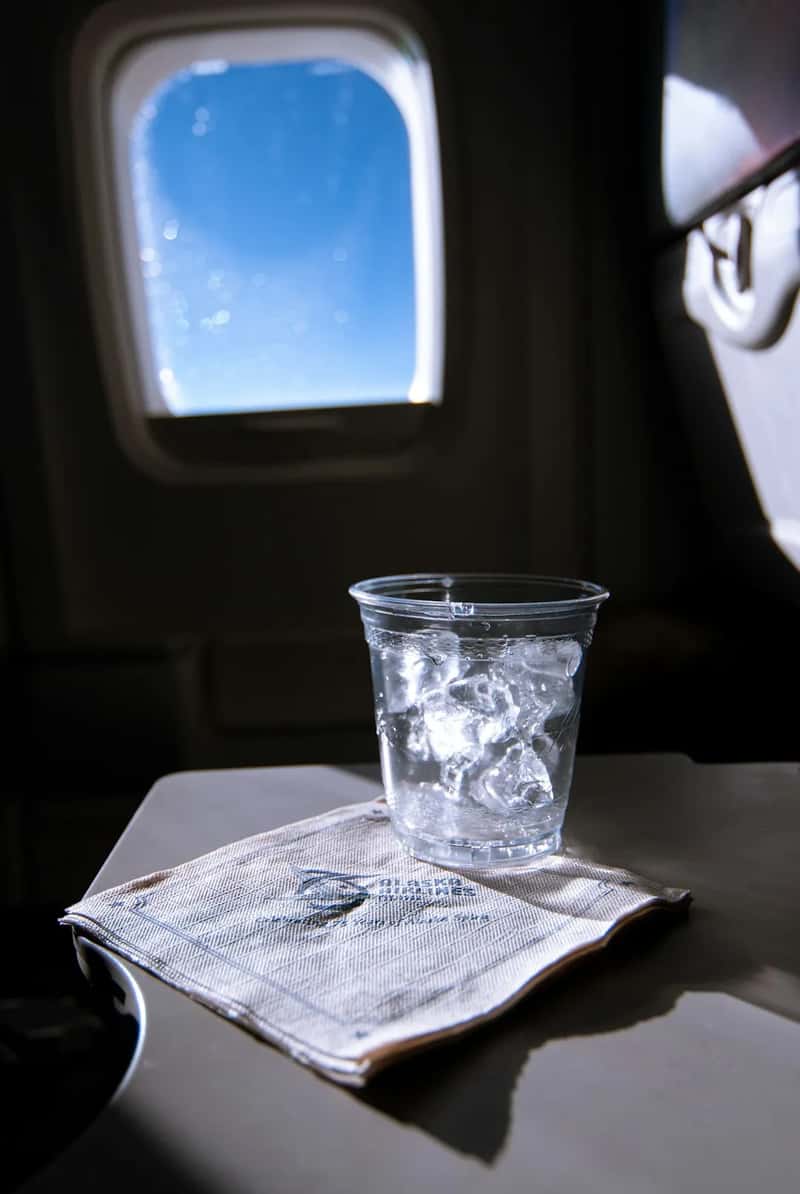
The in-flight drink cart feels like a harmless ritual, a signal that the trip has officially begun. The science is more nuanced than the old myth that alcohol simply hits harder at altitude, but it is not nothing either. According to Columbia University research, the actual alcohol absorption process in the body does not change much in flight, and experts say alcohol does not necessarily hit the bloodstream faster at altitude.[12]
What does change is how the body copes with everything happening at once. Research found that alcohol compounds the effects of high altitude on the body, putting extra burden on the cardiovascular system, reducing blood oxygen levels, compounding dehydration, and impairing sleep quality.[13] Combine that with cabin air that is already significantly lower in humidity, often hovering around 10 to 20 percent, far below the 40 to 60 percent found in most homes,[12] and it is easy to see why a single glass of wine can leave someone feeling foggier than expected. Pilots are not against passengers having a drink. They just tend to recommend pairing it with water and not counting on it as a reliable sleep aid.
Jet lag prep matters before you even board

By the time most travelers start worrying about jet lag, they are already sitting in the departure lounge, which is later than ideal. Pilots and flight crews who regularly cross multiple time zones tend to start adjusting sleep and light exposure in the days leading up to departure rather than waiting for the flight itself to do the work. Shifting bedtime by even an hour or two toward the destination time zone before departure can meaningfully soften the adjustment on arrival.
Hydration and movement matter just as much once airborne, since the same dry, lower oxygen cabin environment that affects alcohol tolerance also slows the body’s ability to reset its internal clock. Staying hydrated, avoiding heavy meals close to landing, and getting some light exposure aligned with the destination’s schedule are small habits that add up over a long flight. None of it eliminates jet lag entirely, but it narrows the gap between landing exhausted and landing merely tired.
There is a common thread running through all of this: the long-haul cabin is a controlled environment, but it is not a neutral one. Cabin pressure, humidity, fuel weight, and time zones are all quietly working on the body throughout a flight, whether or not passengers notice. Understanding a little of what is happening behind the scenes, from why the seatbelt sign matters even in calm skies to why that extra glass of wine feels heavier at 35,000 feet, makes the whole experience easier to read and, in most cases, easier to relax through.