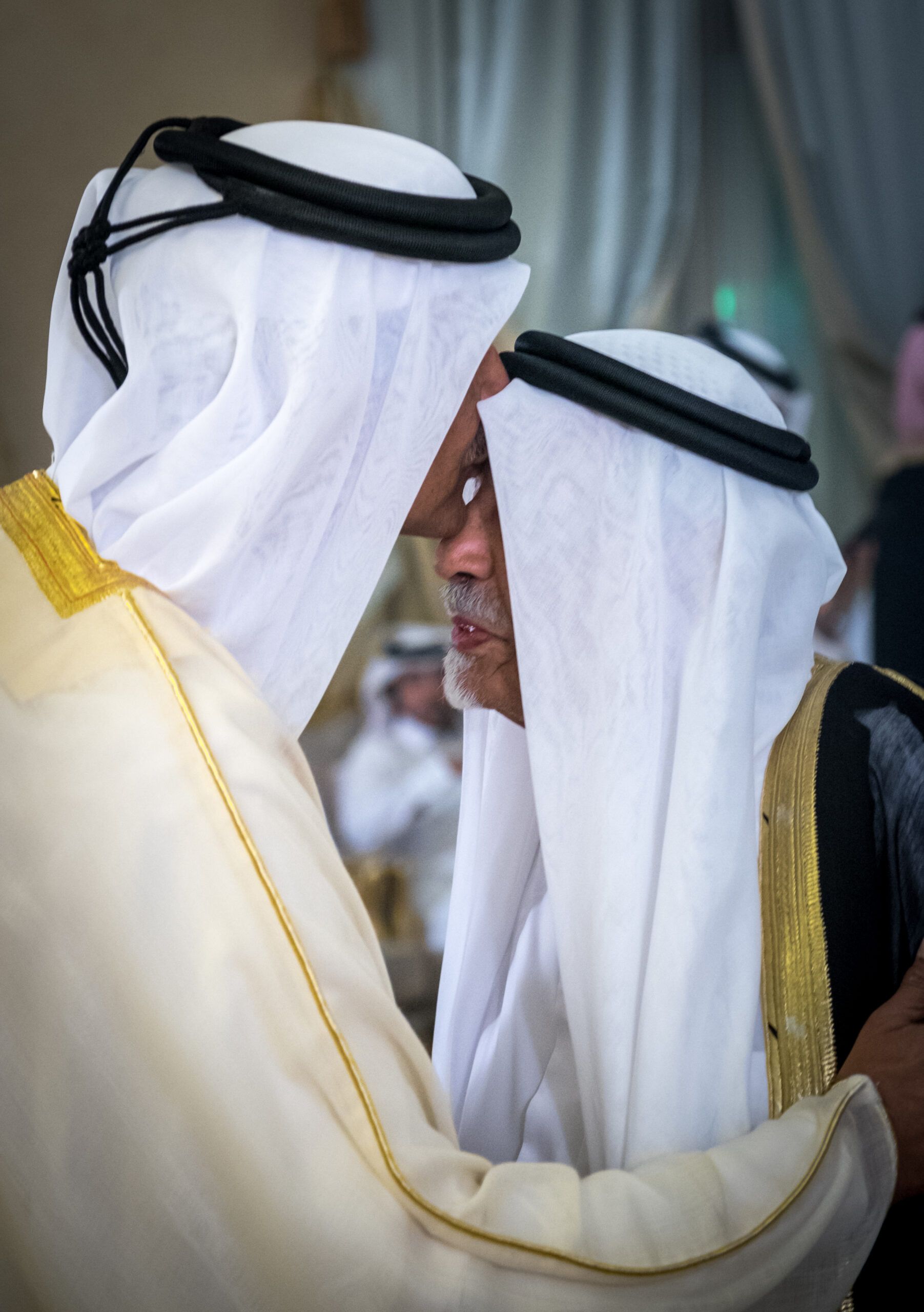
A greeting in much of the Middle East isn’t a quick hello before the real conversation starts. It’s often the first sign of whether you’re paying attention. Visitors who rush past it can come across as cold, even when they mean well.
The region is large and varied, and customs shift between countries, cities and families. Still, a handful of habits show up again and again. Here are six that will help you feel steadier the next time you meet someone.
Begin with the classic Arabic greeting

The most common greeting in Saudi Arabia is As-salamu alaykum, which means Peace be upon you.[1] The usual reply is Wa alaykum as-salam, meaning And upon you be peace.[1] You’ll hear the same exchange across the Arabic speaking world, in slightly different spellings and accents.
Its use isn’t limited to Muslims. The phrase predates Islam and is common among non-Muslim speakers of Arabic.[2] One Saudi etiquette guide from early 2026 says that when non-Muslims use it, it’s received as respectful.[3] Some older etiquette references note that a few Muslims feel it should only be used among Muslims, and they suggest non-Muslims may prefer a plain good morning or good afternoon.[4] If you’re unsure, a friendly hello in English works, and Marhaba is another easy option.
Expect a softer, longer handshake

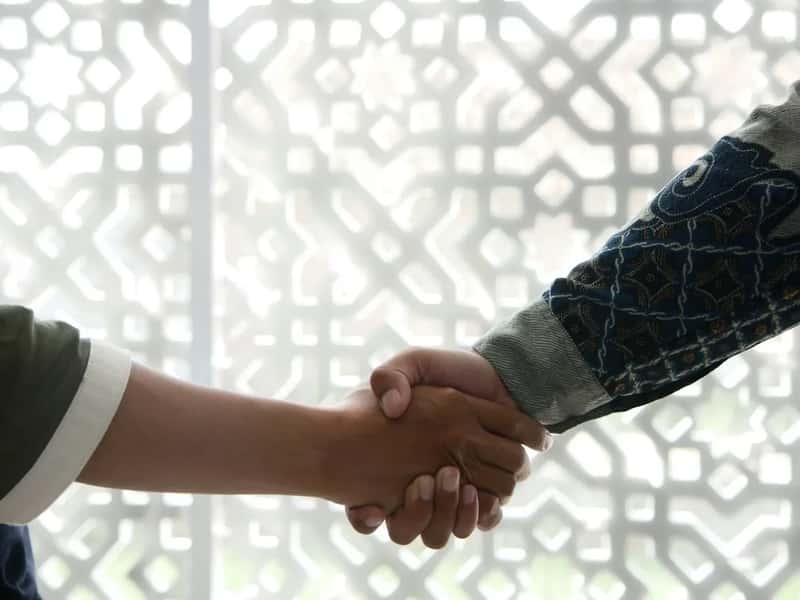
If you grew up with a firm, quick handshake, you may need to adjust. Handshakes tend to be softer in Middle Eastern countries, and a bone crushing grip is considered rude.[5] A gentle grip isn’t a sign of weakness. It’s just the local style.
Don’t be surprised if the other person keeps hold of your hand for a while. Your contact may hold on longer than feels comfortable, and that is purely a sign of respect and welcome.[5] Some people also follow the handshake by placing a hand near the heart.[4] Pulling away quickly can feel abrupt, so let the moment run its course.
Let the other person decide on cross gender contact
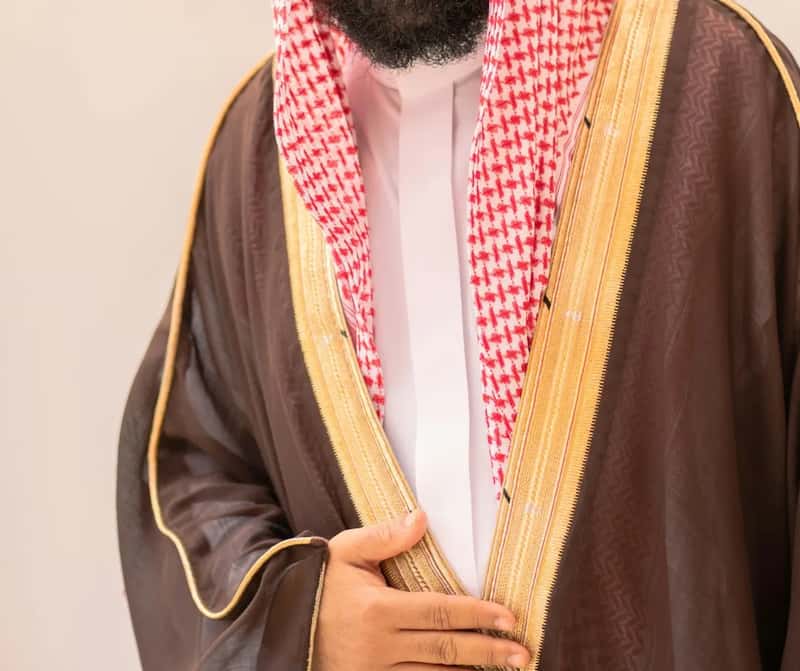
This is the area where visitors most often feel unsure. Some people avoid shaking hands with the opposite gender for religious reasons, since physical contact between unmarried men and women may be considered inappropriate or forbidden in Islam.[6] That doesn’t apply to everyone, and plenty of people do shake hands across genders, especially in international business settings.
The safest approach is to wait and follow their lead. If you aren’t sure what to do when meeting an Arab or Muslim woman, let her make the first move.[4] A nod combined with a hand over the heart is always respectful.[3] A woman greeting a Muslim man can also place her hand over her heart and say hello.[5]
Use your right hand

It’s a small point, but it matters. One recent guide to Saudi etiquette advises that you should always shake hands with the right hand and never the left.[3] The same habit applies to passing things, accepting a cup of coffee or handing over a business card.
There are friendly variations. In some places, good male friends greet each other by shaking hands with both hands, with the right hand placed on top.[4] If you find yourself in that kind of handshake, just keep your right hand leading and go with the flow.
Know that close friends embrace and kiss on the cheek
Between people who know each other well, greetings get warmer. Close friends of the same sex often embrace and kiss each other on both cheeks.[4] Kisses are often exchanged by people who haven’t seen each other for a long time.[4]
As a visitor, you don’t need to start this yourself. If you’re a man, let a close Arab friend embrace you, since hugging and cheek kisses between men are not unusual.[5] Treat it as a sign that the relationship has moved from polite to personal.
Take your time and match the setting
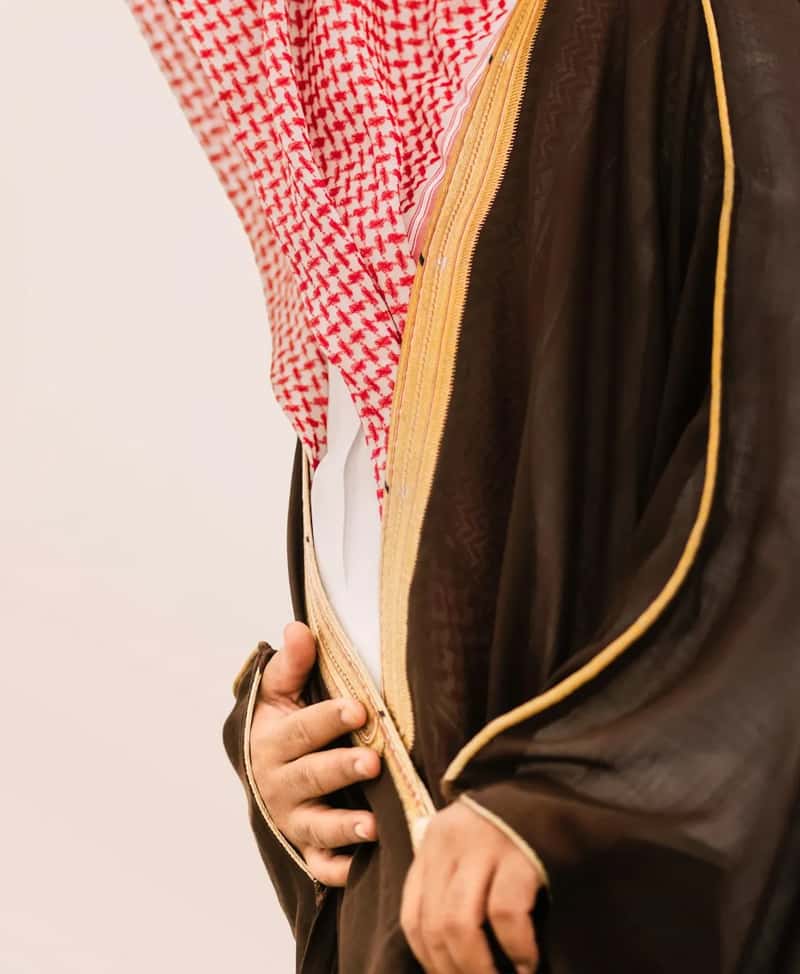
Greetings are also about building a relationship. A guide to Saudi social customs describes them as relationship signals rather than formalities[3]. It recommends keeping the opening minutes warm and unhurried before moving on to business.[3] A little small talk goes a long way, and using titles such as Dr. or Mr. before first names is a sensible default.
Keep in mind that the region isn’t uniform. Dubai, for example, is a multicultural environment,[5] and norms there can feel different from more traditional settings. The most reliable rule is to watch how the person in front of you greets others, then mirror it. A formal handshake is generally an acceptable greeting[7], but it works best when you follow the other person’s cues.