Air travel has never been more popular, yet somehow the shared experience of getting from point A to point B has become a masterclass in how not to treat other human beings. Disruptive passenger incidents doubled in 2024 compared with 2019, and in-flight outbursts ranging from inappropriate behavior to physical attacks surged 400% by 2025. Meanwhile, the small everyday annoyances, the ones that never make the news but absolutely ruin someone’s travel day, keep piling up. You probably do at least one of these six things without even realizing it.
1. Being Completely Unprepared at the Security Line
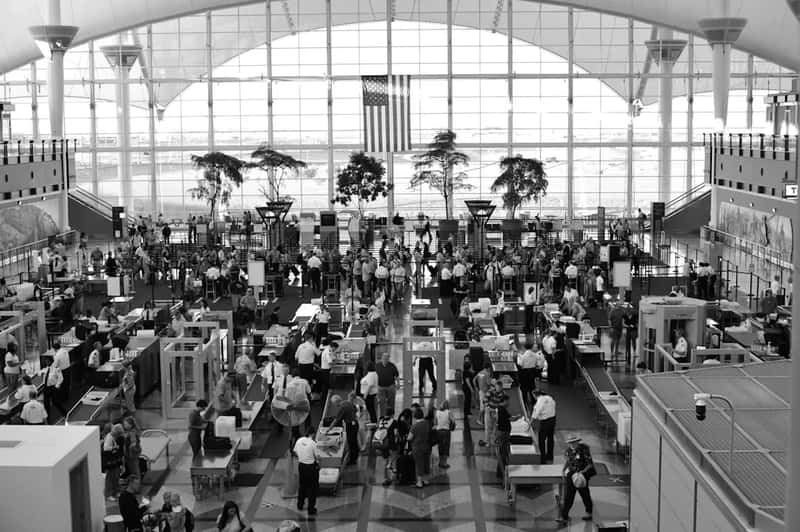
Few things test the patience of fellow travelers quite like watching someone fumble through their bag for a boarding pass they had a full hour to locate. When waiting in a long security line, nothing is more frustrating, for roughly a third of those surveyed, than fellow passengers slowing down the line by not being prepared. That means nearly one in three people standing behind you are quietly seething as you dig for your laptop like you’re searching for buried treasure. The queue is long, the stakes feel high, and your unpreparedness becomes everyone’s shared problem.
A 2024 survey of 1,212 U.S. adults identified long lines at airport security as the top inconvenience, cited by 61% of travelers. Research from the Transportation Security Administration shows that travelers who remove their shoes, belts, and other metal items before reaching the security checkpoint can reduce their screening time by an average of 45 seconds. That’s 45 seconds multiplied by every unprepared person in front of you. The math is brutal, the frustration is real, and the solution takes maybe two minutes of thinking before you even get in line.
2. Becoming a “Gate Lice” Offender
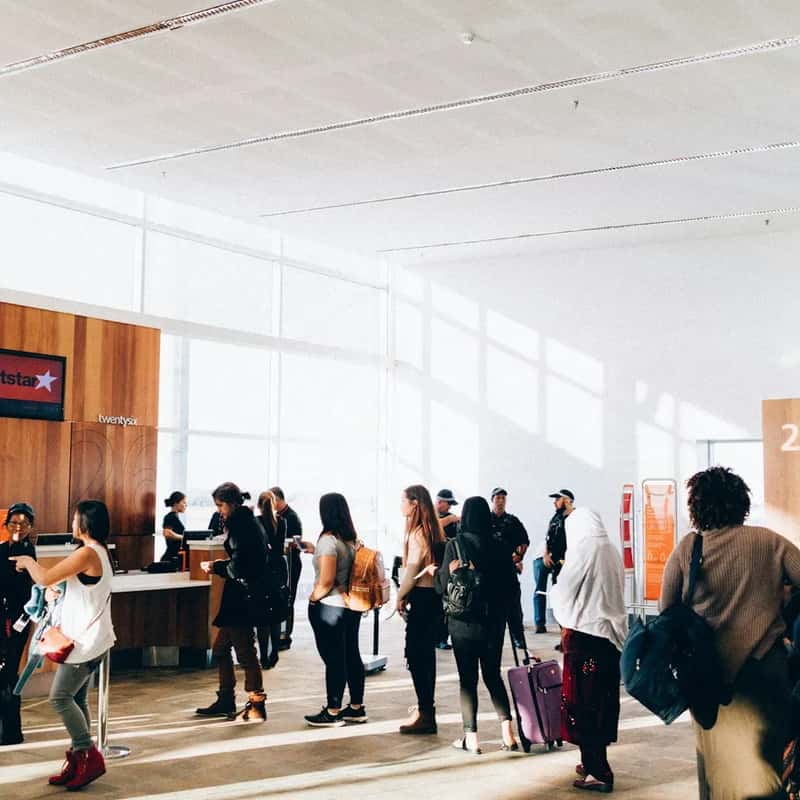
The term “gate lice” is ugly, but it earned its name honestly. “Gate lice” refers to passengers who cut lines in the hope of boarding a flight early. You’ve seen them, hovering around the boarding lane, inching forward, pretending they didn’t hear that only Zone 4 was called. They block the path for everyone actually allowed to board, create a cramped, anxious scrum near the gate door, and achieve absolutely nothing because the plane waits for all passengers anyway.
American Airlines announced it is expanding new technology to counter “gate lice” at over 100 airports. The system audibly flags when a passenger attempts to board the plane before their designated assignment is called and will automatically reject the person’s ticket. The fact that a major airline had to invest in dedicated technology to stop people from jumping the queue says everything you need to know about how widespread this behavior has become. The reason so many people crowd the gate before boarding comes down to limited overhead bin space. Everybody wants to store their bag near their seat, and no one wants to gate check it, which has caused a fierce battle among passengers before boarding, adding more anxiety to an already stressful flying experience.
3. Hogging the Overhead Bin Space
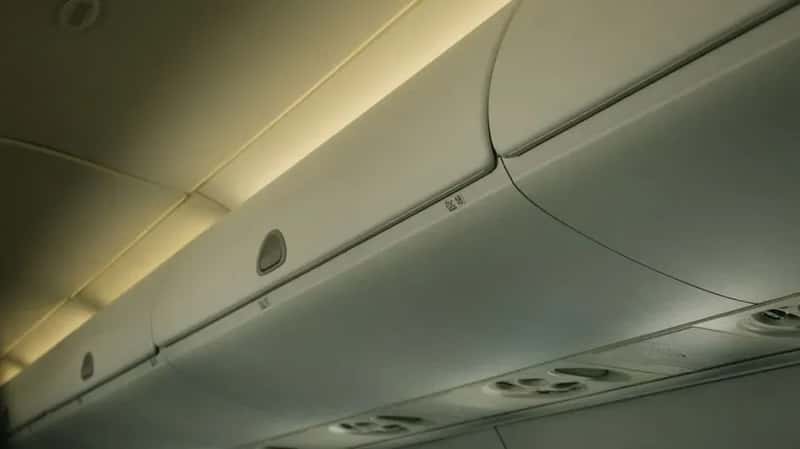
Once you’ve successfully boarded, the next arena for passive-aggressive conflict is the overhead bin. Airlines began charging for checked bags in 2008. Before that, overhead bin space was fairly abundant and people were not lining up to get on the plane as early as possible. After implementing checked bag fees, it became cheaper to carry on luggage, and most planes still do not have enough overhead bin space for every passenger to store a bag. That scarcity turns overhead bins into contested territory, and some passengers exploit it shamelessly.
When bins fill up, gate agents have to check bags for free anyway. Being a bin hog just delays boarding and frustrates everyone trying to find space for their luggage. Stuffing a coat, a duty-free shopping bag, and a small backpack into an overhead compartment meant for full-size carry-ons is one of the most quietly resented things a traveler can do. Transportation Secretary Sean Duffy specifically urged travelers to consider whether they help passengers with overhead luggage, or simply say “please” and “thank you.” The overhead bin above your seat is not reserved exclusively for you, and treating it like a personal storage locker is a surefire way to earn dirty looks from everyone boarding behind you.
4. Holding Loud Phone Conversations in Crowded Spaces

Airports are public spaces, obviously, but they’re also filled with anxious, tired people who did not sign up to listen to your speakerphone argument with your landlord or your forty-five-minute recap of last night’s dinner party. Travelers who hold loud cell phone conversations are among the top five most frustrating behaviors observed at airport security lines, cited by roughly one in ten passengers surveyed. That figure actually undercounts the irritation, since most people suffer in silence rather than say anything to the offender directly.
Almost six in ten travelers are annoyed by passengers who don’t use headphones while consuming media in shared spaces. The gate area is already a stressful environment. People are monitoring departure boards, managing children, trying to eat, or simply trying to decompress before a long flight. Some passengers treat flights and airports like their personal talk show, either chatting nonstop with strangers or having loud phone conversations. Not everyone wants to hear about your divorce, medical problems, or business dealings. Reading the room, and keeping the volume down, costs nothing.
5. Blocking the Aisle or Corridor with Your Luggage
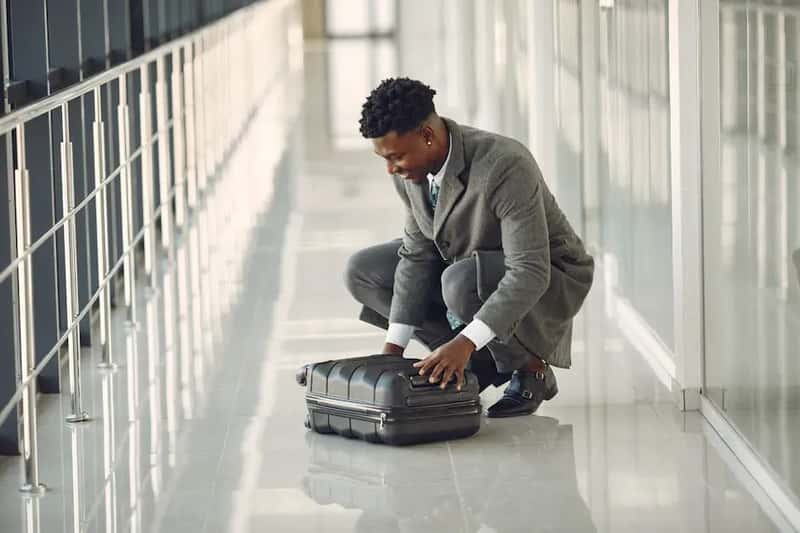
Airports are essentially long, narrow corridors connecting stressed humans to their flights. When one person stops dead in the middle of a walkway to check their phone, parks a rolling suitcase sideways across a narrow passage, or lets their children roam freely into foot traffic, the resulting bottleneck can ripple back through hundreds of people. Data from airport surveys indicates that passengers who infringe on the personal space of others are perceived as 35% less courteous and 27% more likely to be involved in disruptive incidents. The simple act of stepping aside before stopping matters more than people realize.
According to the IATA Global Passenger Survey, 70% of passengers expect to reach their gate within 30 minutes when traveling with carry-on luggage. That expectation crumbles fast when aisle-blockers create human traffic jams throughout the terminal. The use of spatial awareness cues, such as floor markings or signage, has been found to increase compliance with personal space etiquette by up to 18% in high-traffic airport zones, which tells you that without those visual reminders, a significant number of travelers simply never think about the space they’re taking up. Be the person who does.
6. Rushing to Stand Up the Moment the Plane Lands
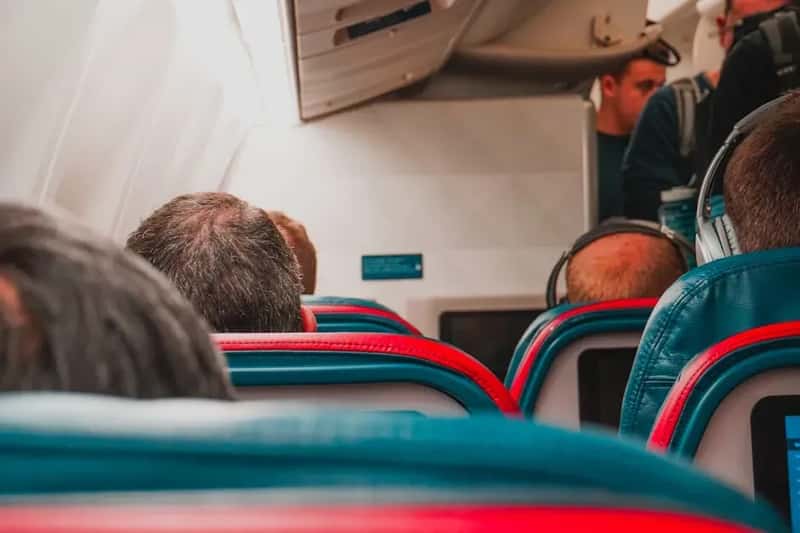
The wheels have barely touched the tarmac, the seatbelt sign is still glowing, and already half the cabin is on their feet. Rushing to get off the plane as soon as it arrives at the gate ranked in travelers’ top ten flying annoyances according to a 2024 survey of nearly 2,700 travelers. Everyone does it, almost everyone hates it when others do it, and yet the ritual continues on every single flight as though standing up four minutes earlier will somehow teleport you to the baggage carousel.
The second the seatbelt sign turns off, some passengers shoot up and crowd the aisle. The plane isn’t going anywhere, and neither are you until the doors open. Standing immediately just creates a traffic jam of people hunched over in the aisle, and you’re not getting off any faster while also blocking flight attendants who might need to move around. Although such disruptive acts are committed by a minority of passengers, they have a disproportionate impact, creating inconvenience and potentially threatening the health, safety, and security of other passengers and crew. Sitting calmly until your row is cleared is genuinely one of the most considerate things you can do at the end of a flight, and almost no one does it.