Something shifted in America after 2020. While actual crime statistics tell one story, the perception of safety in our cities has taken a different turn entirely. Residents across the country report feeling less secure walking their neighborhoods at night, even in areas where police data shows crime rates holding steady or declining. This disconnect between reality and perception has created a fascinating puzzle for researchers, city planners, and anyone trying to understand what makes a community feel safe.
Certain cities have experienced this shift more dramatically than others. Through analyzing survey data, local polling, and social sentiment research from 2020 through 2025, a clear pattern emerges of urban areas where residents’ fear has spiked at rates that outpace national trends. These aren’t necessarily the cities with the highest crime rates, which makes the findings all the more intriguing. Let’s explore the six cities where fear of crime has climbed fastest in recent years.
Memphis, Tennessee
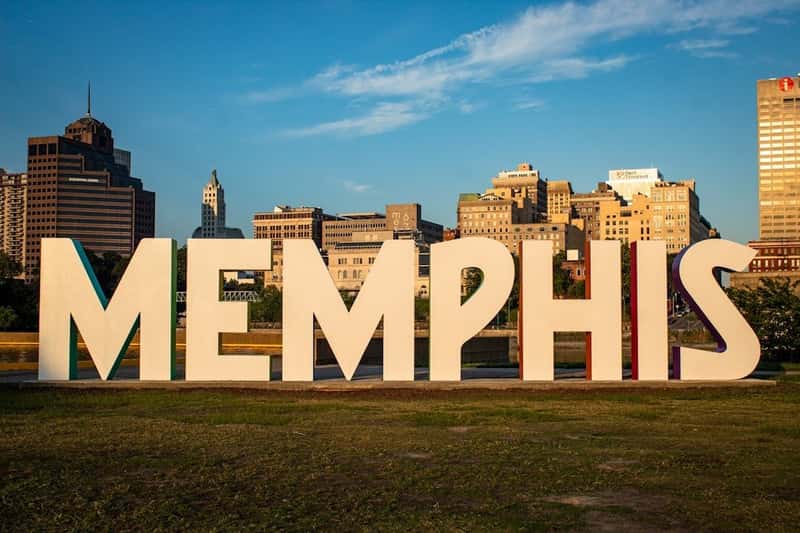
Memphis has become the poster child for urban fear in America. In 2024, Memphis reportedly had one of the highest murder rates among America’s largest cities, following Baltimore at the top in 2023, a shift reflecting what many residents describe as an overwhelming sense of vulnerability walking their own streets. The homicide levels in the summer of 2020 far exceeded previous peaks during the study period, amid COVID lockdowns and widespread protests against police violence after George Floyd’s murder by Minneapolis police in May. What makes Memphis particularly striking is the sustained elevation of violent crime even as other cities recovered.
Memphis ranked among the top large cities for both violent and property crimes, leading in aggravated assault, larceny-theft, and motor vehicle theft. Though Memphis saw a 30 percent decrease in homicides by the end of 2024, with overall crime dropping to a 25-year low across major categories, the perception gap remains enormous. Residents still report avoiding entire neighborhoods after dark, and businesses continue struggling with theft and safety concerns that have fundamentally altered daily life since the pandemic began.
Washington, DC
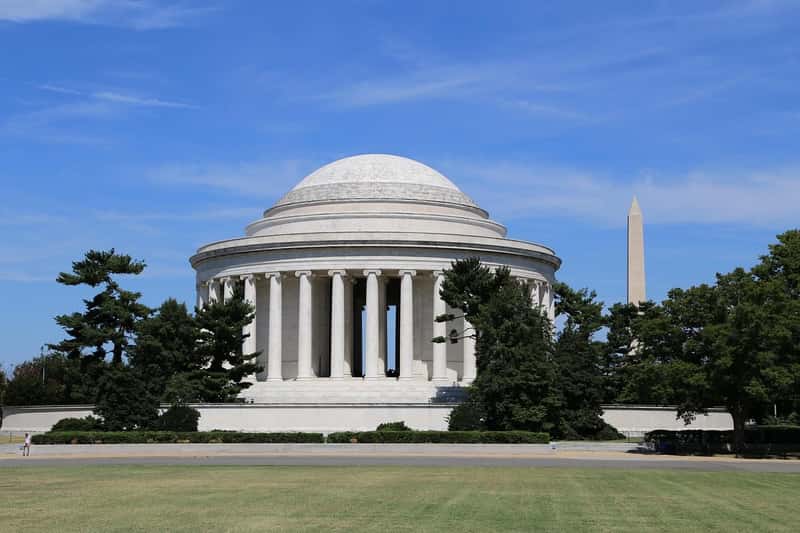
Some cities, like Washington, DC, also saw violence continue to surge in 2023, bucking the national downward trend and amplifying anxiety among both residents and the millions who work in the nation’s capital. The disconnect between political power and street-level safety became impossible to ignore. Here’s the thing: when the capital itself feels unsafe, it sends ripples of concern across the entire country.
The sustained crime surge in DC contributed to heightened national attention, with the capital city’s crime rates recently coming into the national spotlight amid national attention including President Trump’s public safety initiatives for high-crime cities. While murder rates likely remain above 2019 levels nationally and in most cities, Washington’s particular trajectory stood out precisely because it diverged from peer cities that saw improvements, making residents feel increasingly isolated in their concerns about personal safety.
Charlotte, North Carolina
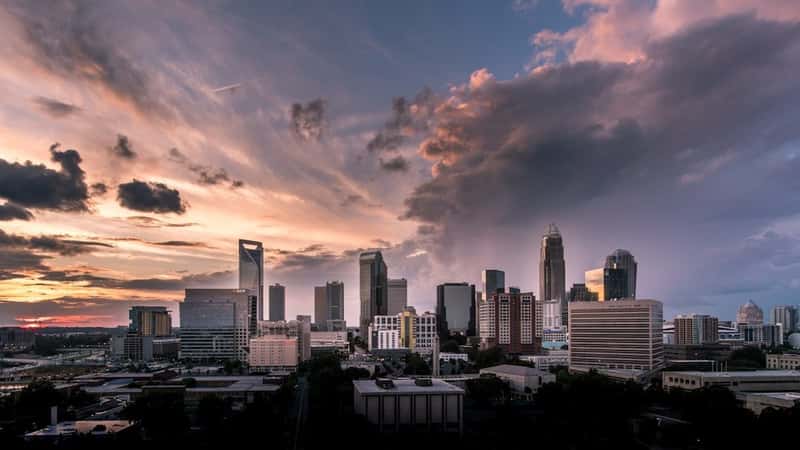
Charlotte represents a troubling category: mid-sized cities where crime perception shifted dramatically despite receiving less national attention. Homicides did increase in a few cities, including Charlotte, North Carolina, and Baton Rouge, Louisiana, creating genuine alarm in communities accustomed to relative stability. Charlotte, NC, saw a 13% increase in homicides from 2023 to 2024, reversing years of progress and catching residents completely off guard.
The psychological impact of unexpected crime increases can be profound. When a city that marketed itself as a safe, growing economic hub suddenly experiences rising violence, the cognitive dissonance affects everything from property values to business relocations. Residents who moved to Charlotte specifically for its quality of life found themselves questioning that decision, and a Gallup poll released in November reportedly found 77% of Americans believed there was more crime in the country than the year before, a sentiment particularly acute in cities like Charlotte, where the statistics validated those fears.
Birmingham, Alabama
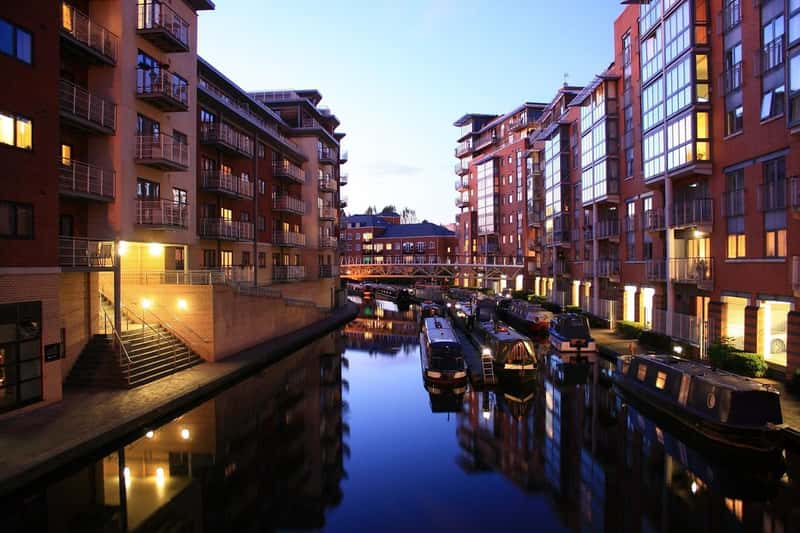
Birmingham has long struggled with violence tied to poverty, gun access, and concentrated disadvantage. But violent crime overall has increased, mainly because aggravated assault rose nearly 10 percent in the first half of 2025. This smaller city consistently punches above its weight class in negative crime statistics, appearing alongside much larger metros in national rankings.
Smaller and extra-small cities like Birmingham, East Point, Tukwila, and Emeryville had rates far above the national average, proving that crime is not just a “big city” problem. Birmingham residents experienced a distinctive form of fear: knowing their city had become nationally notorious despite its modest size. The proliferation of illegal firearm modifications compounded the problem, with police officials attributing the homicide spike partly to the proliferation of “Glock switches” (illegal firearm modifications) in 2024 that enabled more lethal shootings.
Seattle, Washington

Seattle’s crime story differs from others because property crime, rather than violent crime, drove much of the increase. Seattle once again ranked worst in the nation for burglary, continuing a troubling trend that has persisted despite efforts to address property crime. What makes this particularly unsettling for residents is the feeling that their homes and cars remain constantly vulnerable.
Seattle’s overall property crime rate of 5,007.6 per 100,000 residents is 184.5 percent higher than the national average, and the city ranked fourth most crime-ridden among the 30 largest U.S. cities in 2024. Honestly, when you can’t leave a package on your porch or park your car overnight without worry, it fundamentally changes how you experience your own neighborhood. The cumulative effect of constant low-level victimization creates a sustained anxiety that rivals – or exceeds – fear from less frequent but more serious crimes.
Kansas City, Missouri
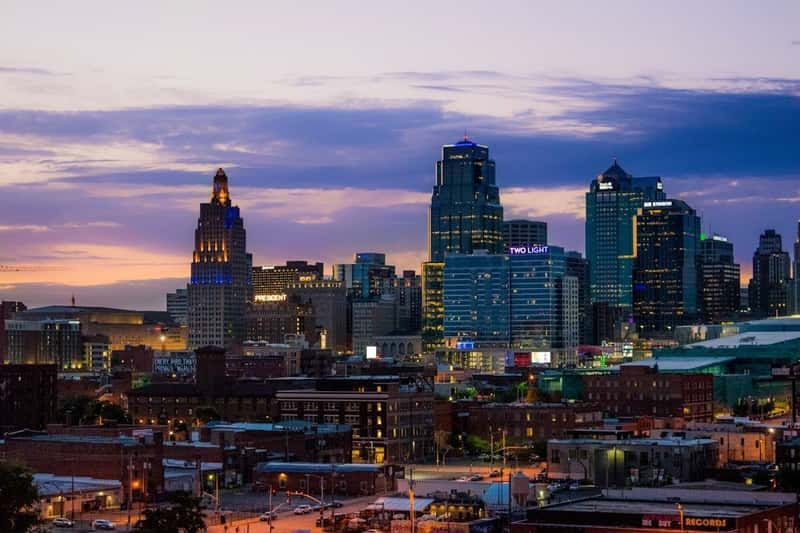
For many years, Kansas City has experienced some of the highest homicide rates in the nation. As of February 2025, the city had already reached 15 homicides. The city also emerged as a focal point for vehicle theft concerns, with Kansas City emerging as the top city for vehicle theft in 2024, primarily driven by a specific vulnerability in popular car models. The city recorded over 5,000 stolen auto reports in just the first eight months of 2024, with about half involving Kias and Hyundais.
This combination of violent crime and widespread property crime created a perfect storm of fear. Residents faced both the existential dread of gun violence and the daily frustration of seeing their neighbors’ cars stolen. The specific targeting of affordable vehicle brands felt particularly cruel, as working-class families found themselves repeatedly victimized. Those fears are validated by Gallup’s near-record fear of crime and the Bureau of Justice Statistics National Crime Victimization Survey record increases in violence, reflecting how Kansas City residents’ anxieties mirrored broader national trends while experiencing particularly acute local challenges.